


 6 Photos
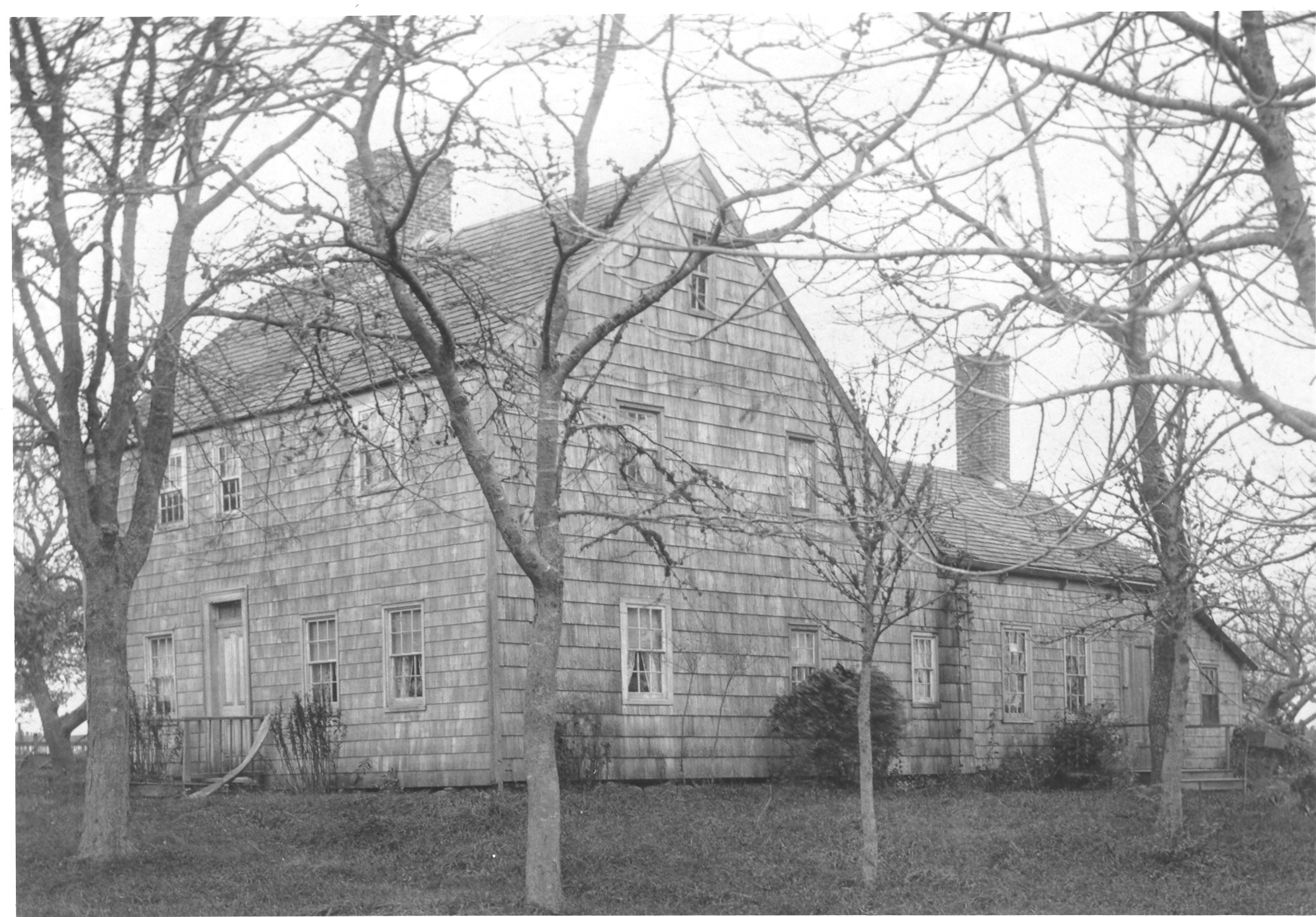
The John Sanford House, one of Bridgehampton's oldest, has been taken apart. Now, it's future is uncertain. COURTESY ANN SANDFORD
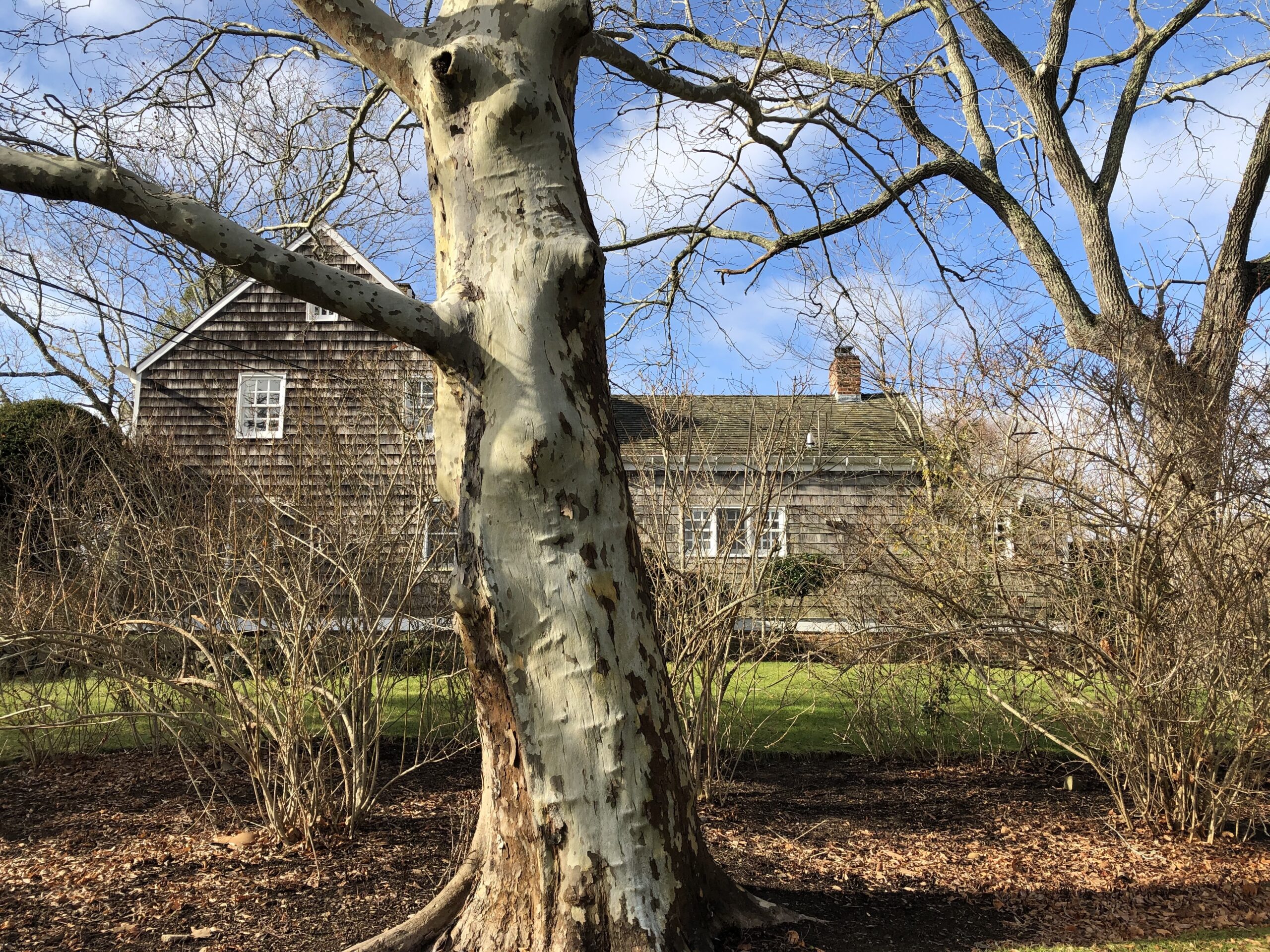
A view from Ocean Road of the John Sandford House in Bridgehampton. The saltbox style house, built in 1745, was taken apart by its current owner, but whether it will be rebuilt is unknown. COURTESY ANN SANDFORD
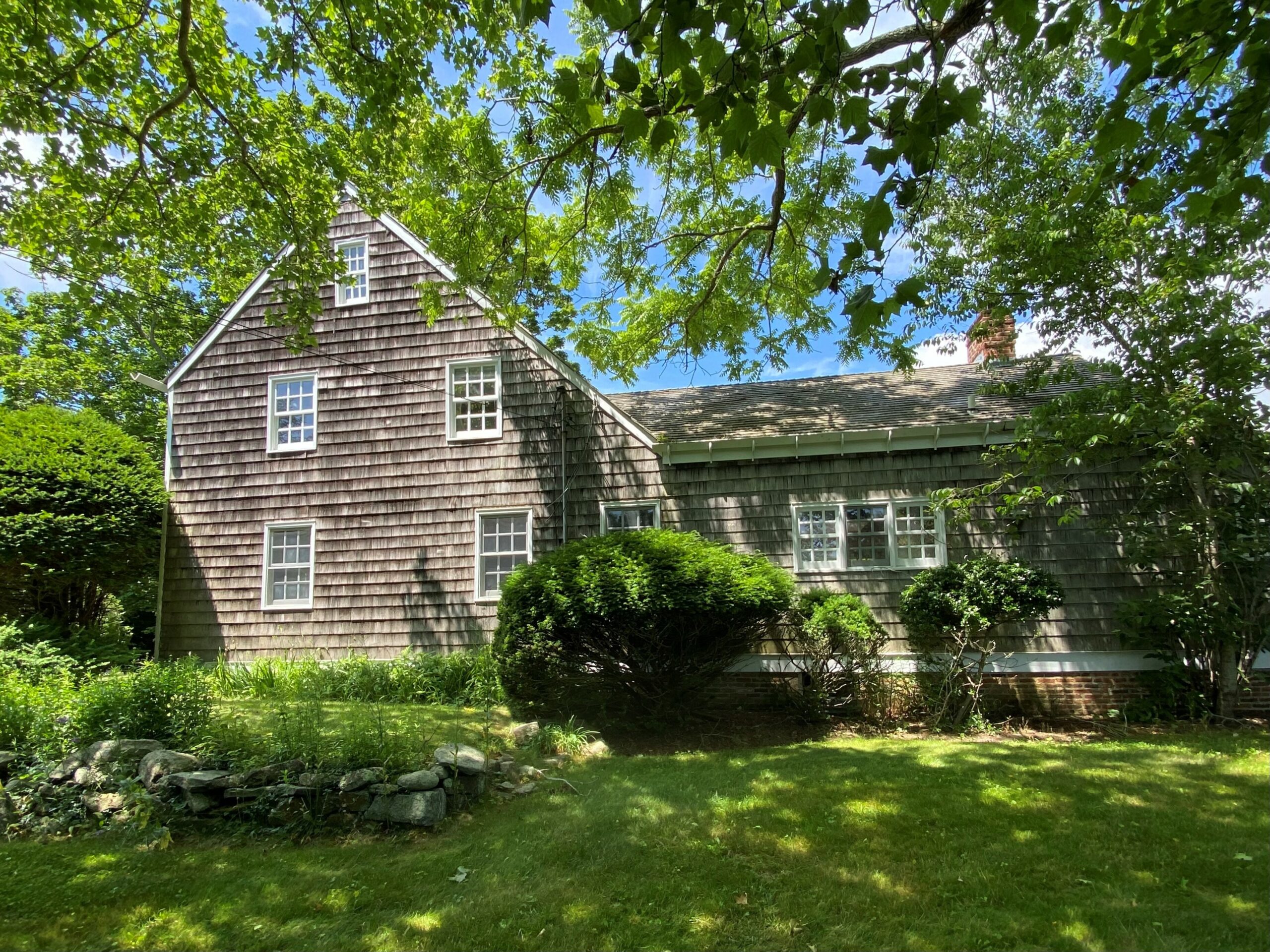
A view from the east side of the 1745 John Sandford House in Bridgehampton.
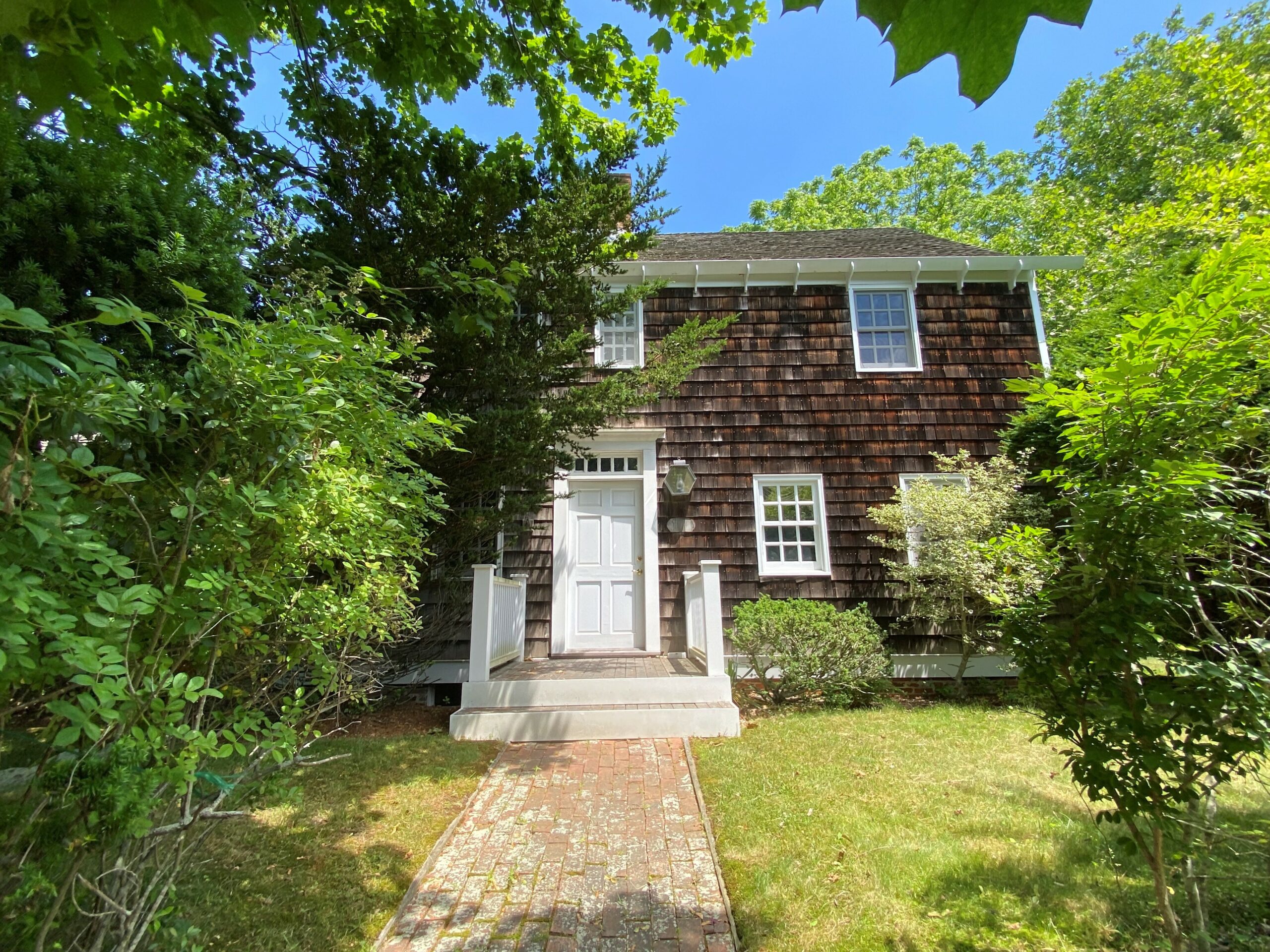
A view of the south side of the John Sandford House in Bridgehampton.
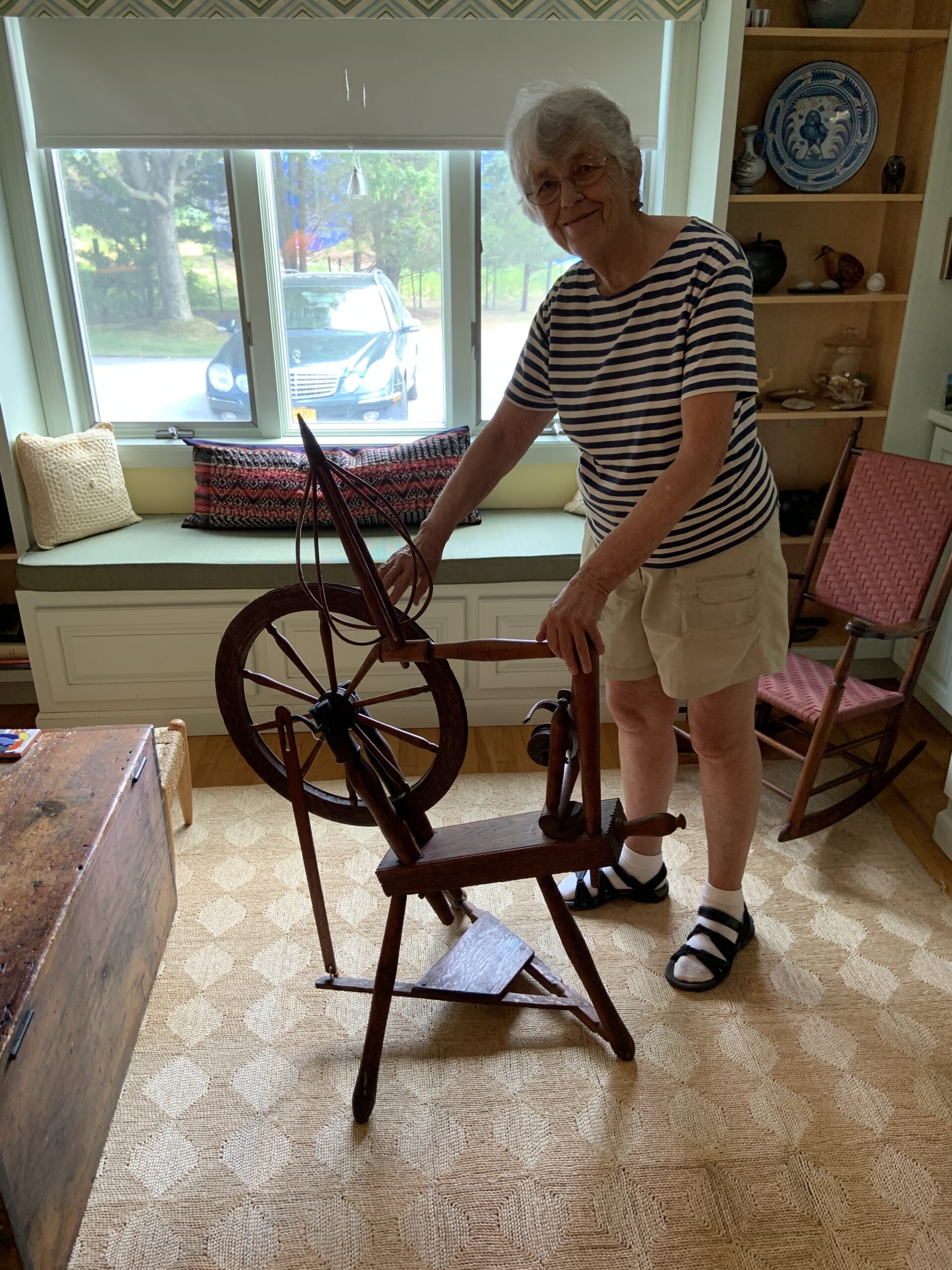
Ann Sandford with a spinning wheel she salavaged from the John Sandford House before her family sold it. STEPHEN J. KOTZ
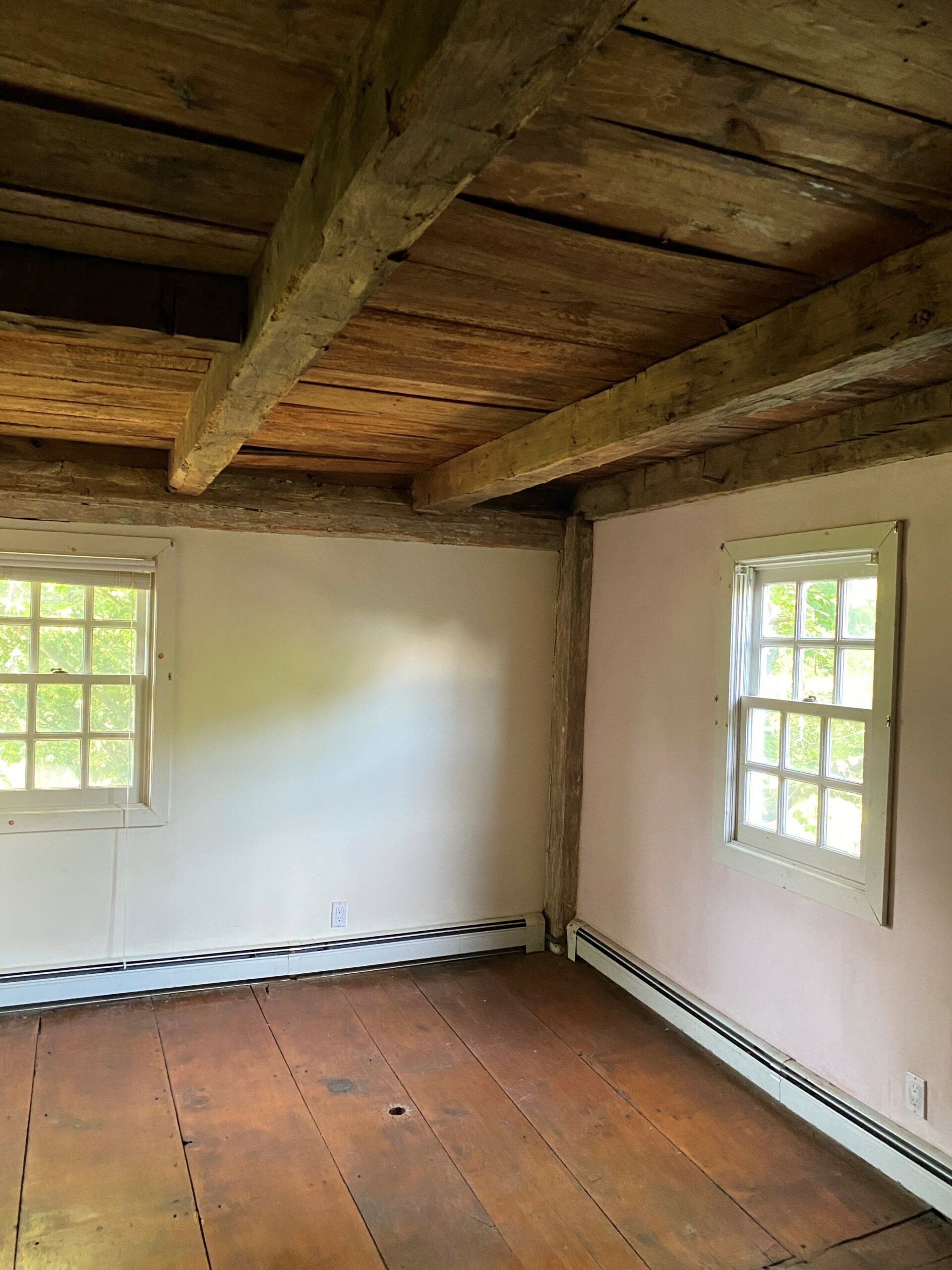
An interior view of exposed beams of the John Sandford House in Bridgehampton, which was taken apart in July. Southampton Town officials hope it will be reconstructed elsewhere in town.
Back in July, yet another historic house disappeared in Bridgehampton. This time, it was the Captain John Sandford House, a saltbox that was partially hidden from view at the corner of Ocean Road and Paul’s Lane. The house was built in 1745 and added onto over the decades. It joined several others up and down the road that have been demolished in recent years
As is the case these days, a post soon appeared on Facebook, with people lamenting its loss and speculating that another McMansion would pop up in its place overnight, much as toadstools appear in the garden after a rain.
The dismantling of the house took place just a few short weeks after the Southampton Town Board adopted a new law that allows it to landmark buildings with, or without, the owner’s consent, a sea change in a town that had previously been exceedingly cautious about stepping on the toes of property owners.
But town officials say before the town strengthened its code, the new owners of the property, 690 Ocean Road LLC, had in March obtained a demolition permit over the objections of the town’s Landmarks Board, which serves in an advisory capacity only.
Although the town had no legal grounds to stop the demolition, Councilman Tommy John Schiavoni said it did everything it could to preserve the Sandford House, and he said he remained hopeful that the saga would have a happy ending.
That’s because the owners, whose principals are James Eckel and his son, James Eckel Jr., did not simply bulldoze the house. They had the rafters, beams, and other assorted parts cataloged and set aside, and they informed the town they planned to rebuild it elsewhere, he said.
“I agree with the sentiment of the community. It’s sad to see it gone from that site,” Schiavoni said, “but it’s my belief the owner has acted in good faith and will rebuild it.”
When town officials reviewed the demolition permit, they were surprised to see details calling for it to be taken apart and moved to a different site, according to Town Planning Director David Wilcox.
He said the town immediately reached out to the Eckels, inquiring if it would be possible to guarantee that the house would remain in Southampton and, preferably in Bridgehampton. Soon, a tentative agreement was reached to move the house up Ocean Road and place it behind the Bridgehampton Museum’s Nathaniel Rogers House at the corner of Ocean Road and Montauk Highway at an estimated cost of $1.5 million.
“That’s a boatload of money, and we were prepared to do it,” Schiavoni said, adding that it would come from general funds and not the Community Preservation Fund. Still, he said, issues such as who would pay to maintain the house remained unresolved.
That $1.5 million price tag would have included such things as the logistics of preparing the house for a move up the road, temporarily disconnecting telephone and electrical wires along the route, and the construction of a new foundation for it.
But when the town asked for time to cross its “t’s” and dot its “i’s,” the Eckels changed their minds. “We were putting together a final report for the Town Board,” Wilcox said when the Eckels’ attorney, David Gilmartin, informed the town they had changed their minds and wanted to move the house to another property they own in town.
Just where remains a mystery.
Neither of the Eckels would comment for this story. “Nothing ever goes into the press that’s any good,” James Eckel Sr. said. “It always turns into a negative. I don’t think we’d be interested talking about it.”
Schiavoni said it was his understanding that the Eckels owned property in North Sea, where they planned to move the house.
“It is a house that would have qualified to be landmarked with or without owner consent,” Schiavoni said referring to the new law. “It is my intention once this house is reconstructed it will be landmarked.”
But Ann Sandford, whose ancestors have deep roots in the community — it was Ezekiel Sandford who built the bridge that later gave the hamlet its name in 1686 — said the damage was done.
“In my view, the town just took too long,” she said. “If you follow the chronology, it’s clear there was a hesitation about spending $1.5 million to move it up Ocean Road.”
Sandford, whose grandfather was born in the John Sandford House and who rescued many historic objects from it before her family sold it, said she would not support having the relocated and reconstructed house landmarked.
“I would certainly not support having the Sandford name on the house,” she said. “It would make a joke of landmarking.”
In a letter to the editor that appeared in the August 11 issue of The Southampton Press, Sandford said, “Beams and floorboards may be reassembled somewhere, but that is not historic preservation.”
Removing the house from Bridgehampton simply erases another piece of the hamlet’s built historic character, she said.
Sandford estimated that only three or four authentic saltbox-style houses remain in Bridgehampton, including the 1680 Ezekiel Sandford House just east of the corner of Bridge Lane and Ocean Road.
Ed Wesnofske of Bridgehampton, who is the chairman of the town’s Landmarks Board, said he, too, was disappointed to see the old Sandford house disappear, but he said when the property came before his board last spring, “we opposed the plans to tear down the additions and rebuild the original part in some remote place.” He said he had been optimistic the house could be preserved in Bridgehampton, but “then there was a switch of plans where the owner indicated he thought it could be relocated to North Sea, where he is carrying out a subdivision.”
“That essentially ended any plans of moving it intact,” he added.
Like Sandford, Wesnofske said the loss of the house chipped away at the hamlet’s historic heritage. “The initial settlement of Bridgehampton took place closer to the coast, where there was farming,” he said. “That’s where you find the older houses and farmhouses. But they are disappearing quickly.”
He described the town’s adoption of the new landmarks legislation as its “first baby steps” toward taking historic preservation more seriously.
And he said he was happy the Town Board is showing an interest in possibly creating a historic district in the heart of Bridgehampton’s business district.
The Landmarks Board has also received a request from the Bridgehampton Civic Association that any proposed historic district be expanded to include residential areas north and south of Main Street.
“There’s lots of character that exists off Main Street, on both sides, south and north of Montauk Highway,” he said, adding those neighborhoods have also seen a great deal of demolitions and major alterations to their housing stock.
Wesnofske said the Landmarks Board would probably take up the topic when it meets at 7 p.m. on October 18 at Southampton Town Hall. The board is holding hybrid meetings that can be joined in person or via Zoom.


 Stephen J. Kotz on Sep 12, 2022