


 11 Photos
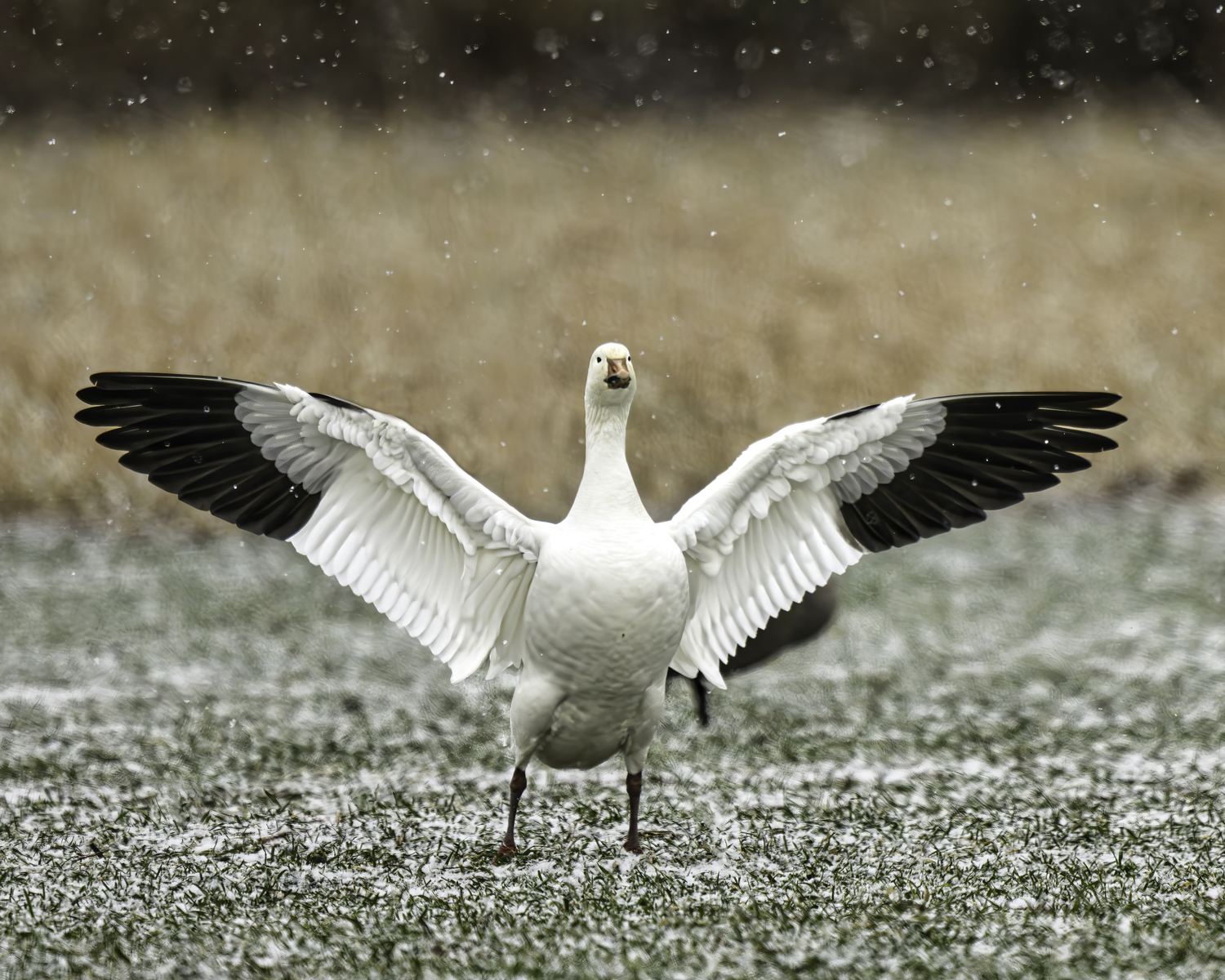
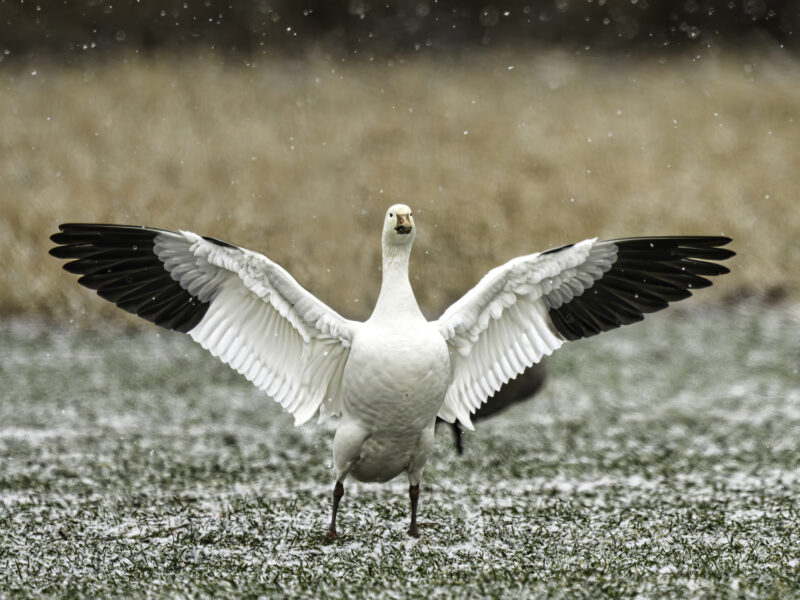
All hail the snow goose. MARIANNE BARNETT
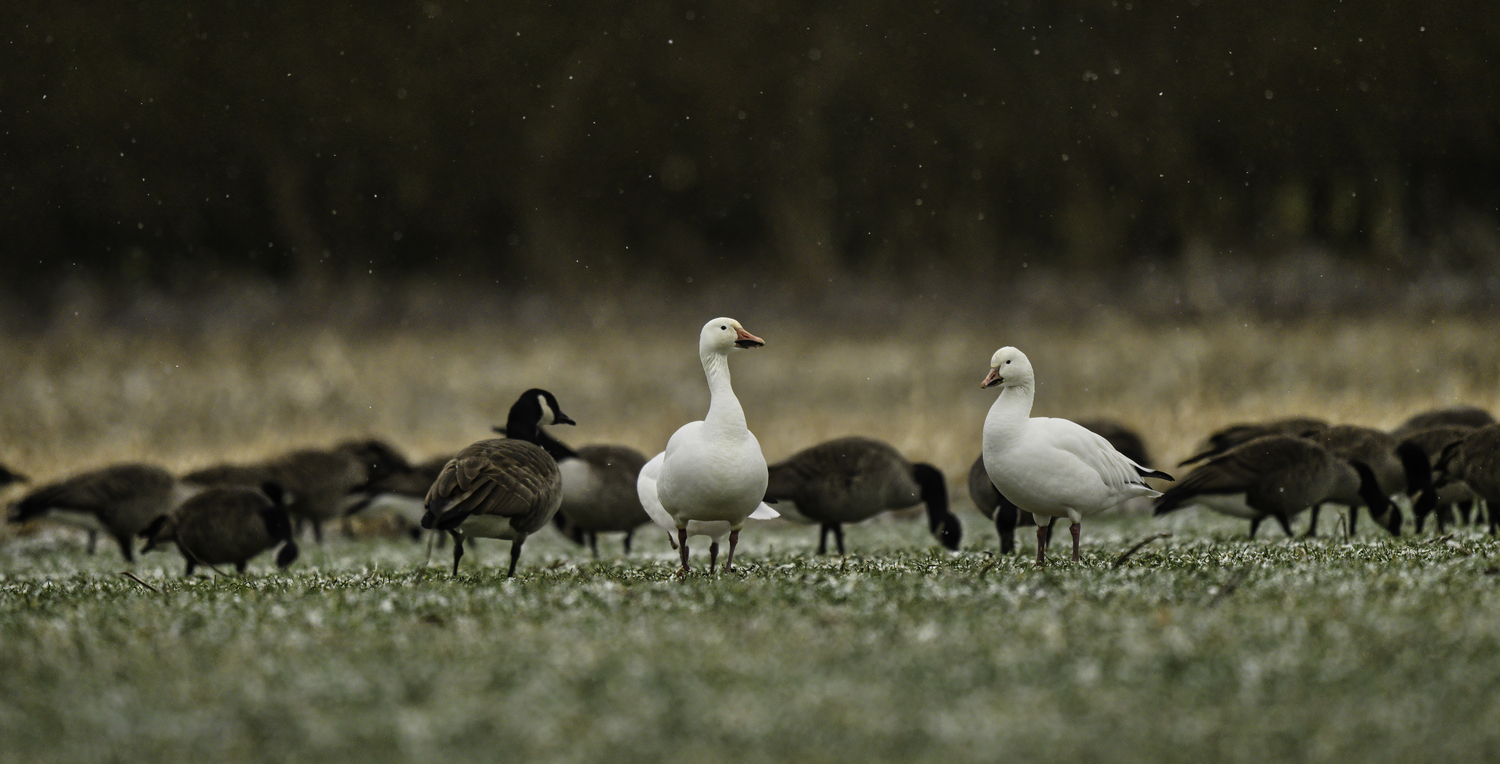
Birds of a feather... MARIANNE BARNETT
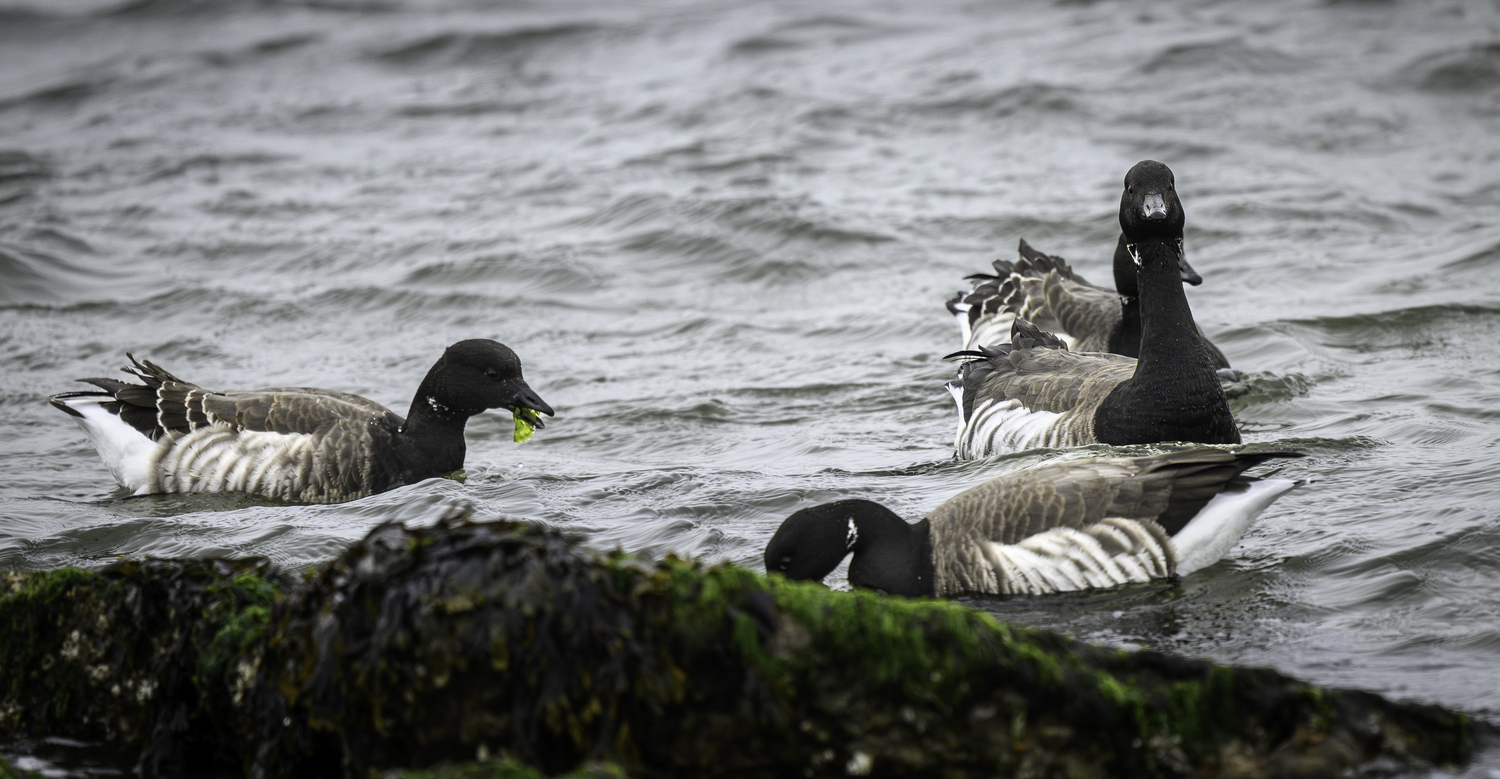
A group of four Brant geese foraging at the water's edge. MARIANNE BARNETT
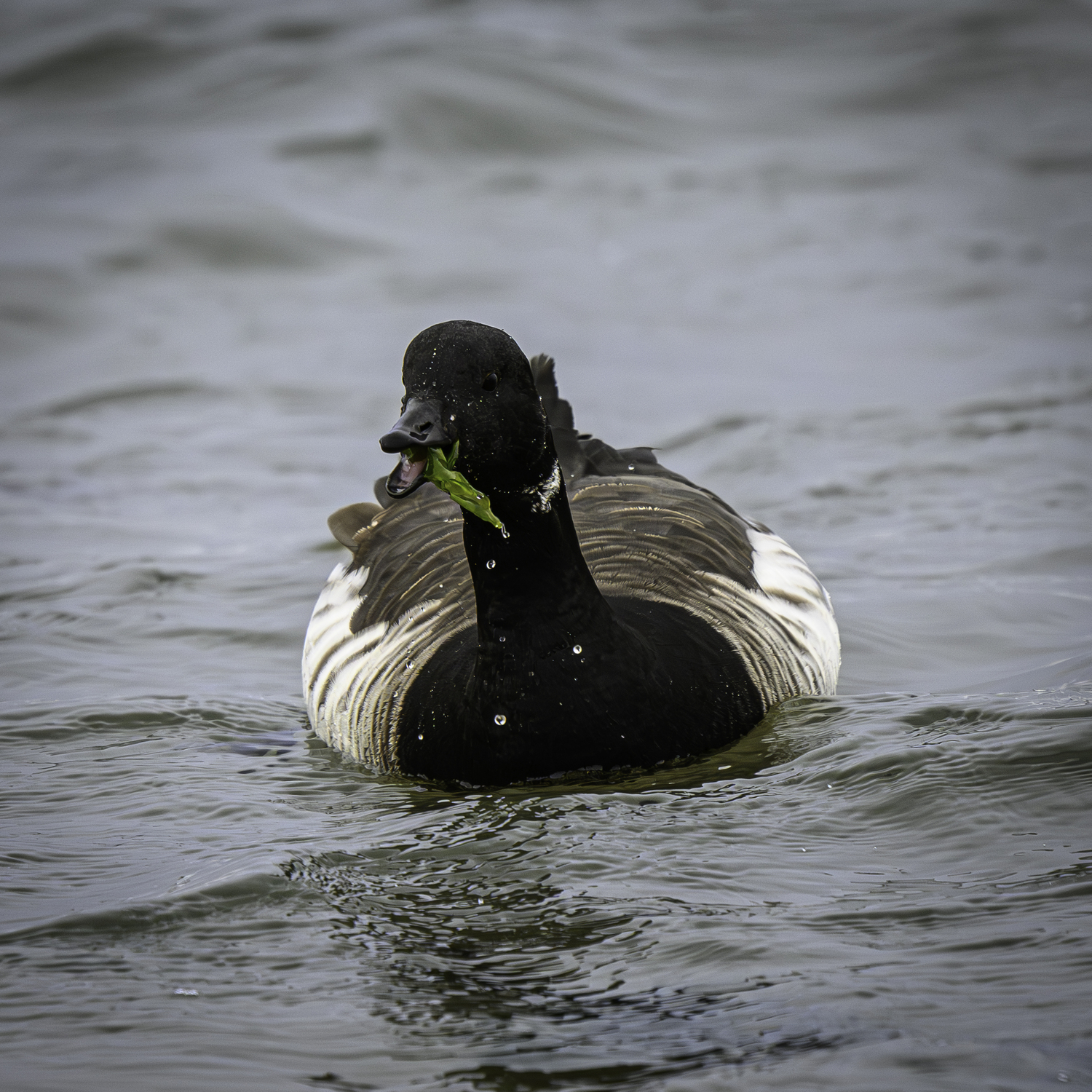
A Brant goose foraging on eelgrass. MARIANNE BARNETT
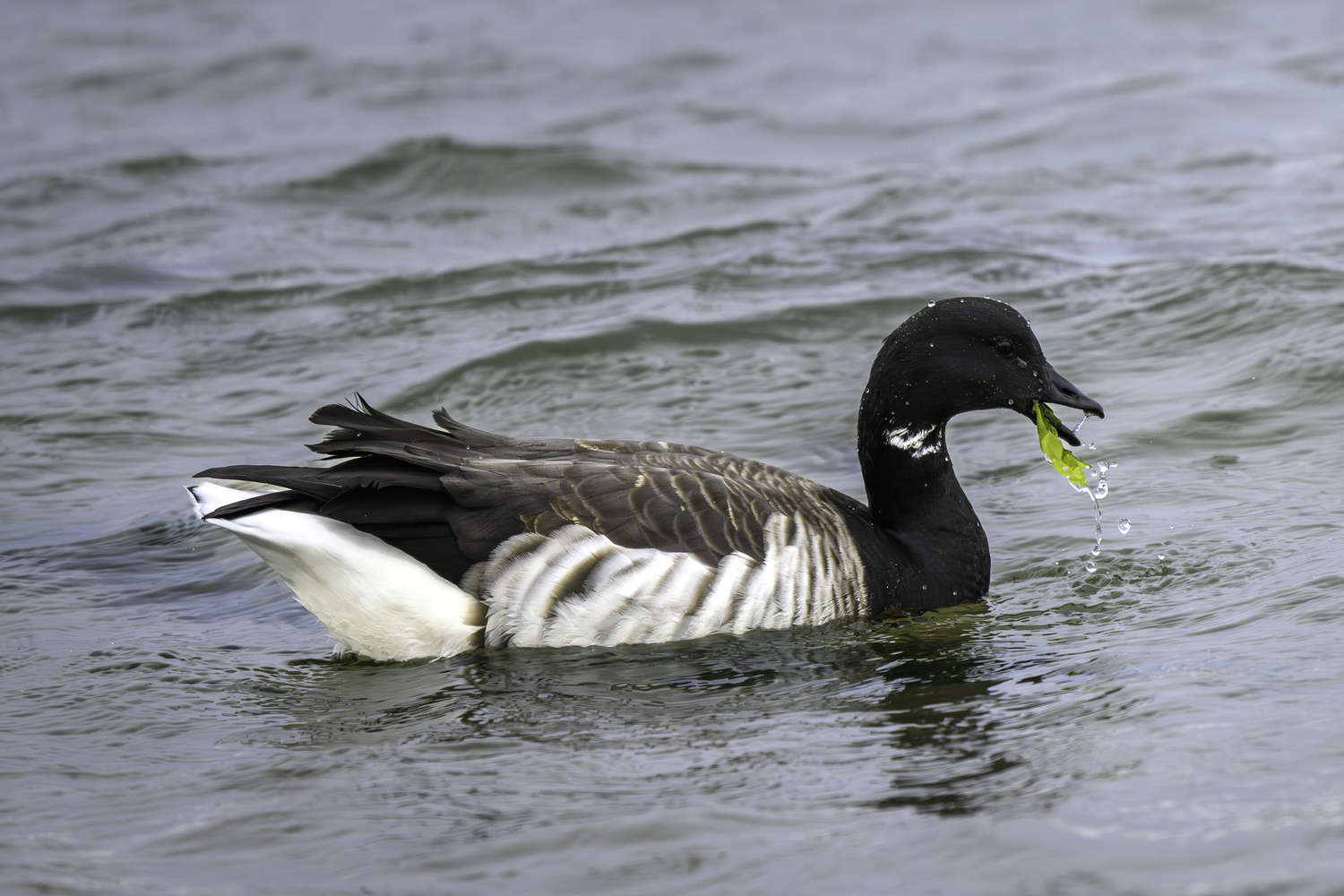
A Brant goose eating sea grass. MARIANNE BARNETT
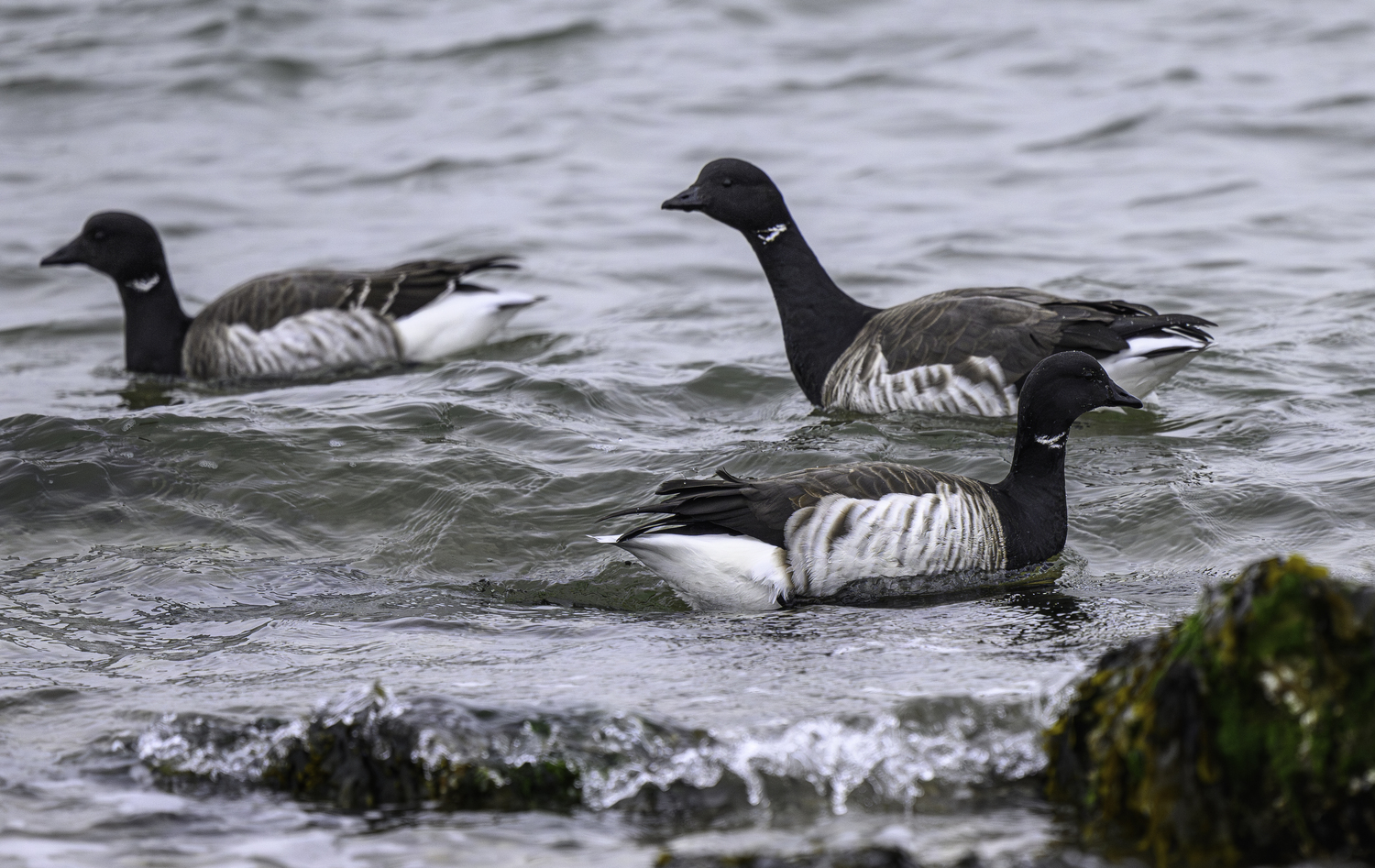
A group of three Brant geese feeding along Shinnecock County Park. MARIANNE BARNETT
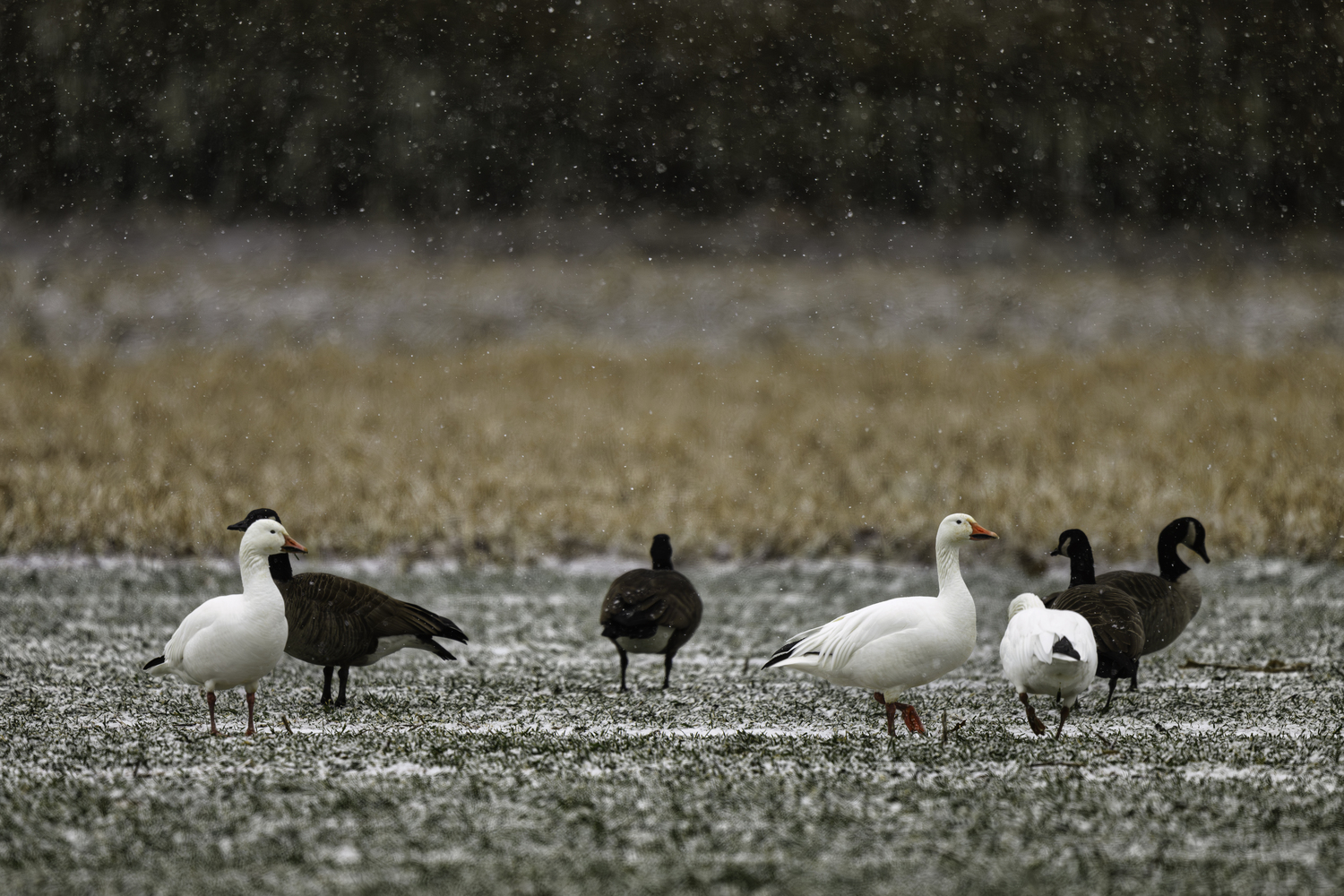
Commingling geese. MARIANNE BARNETT
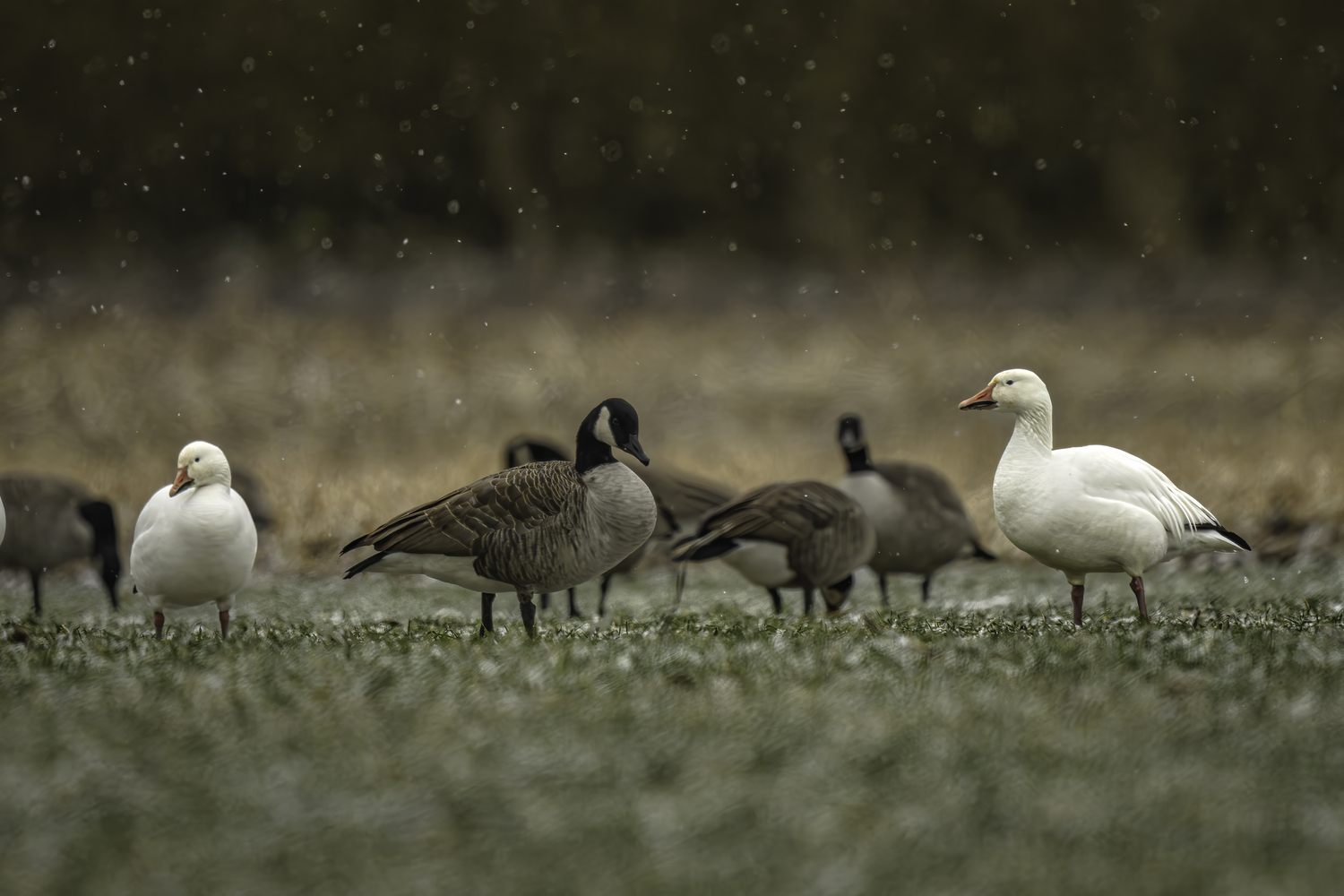
Snow geese among Canada geese. MARIANNE BARNETT
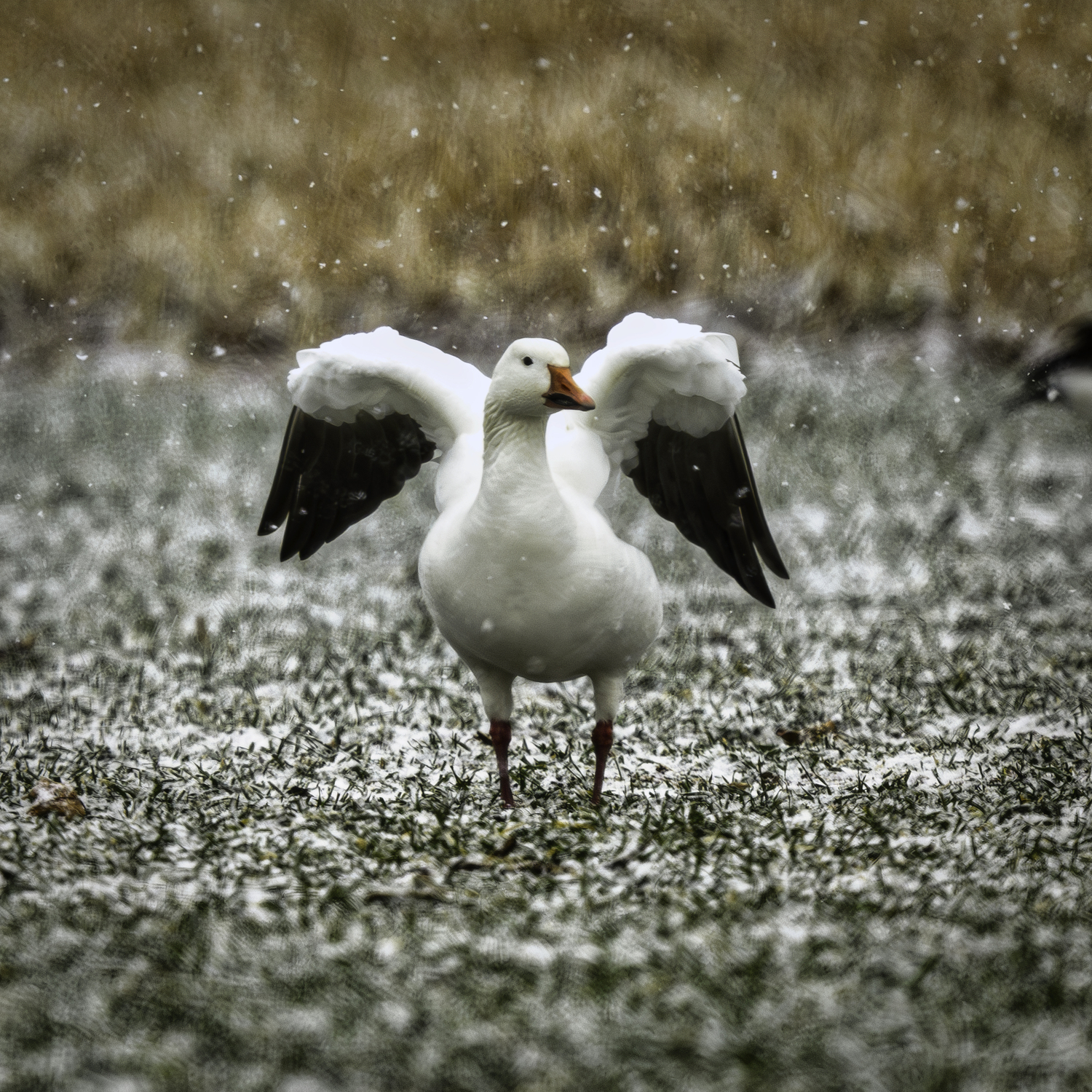
A snow goose tucking its wings. MARIANNE BARNETT
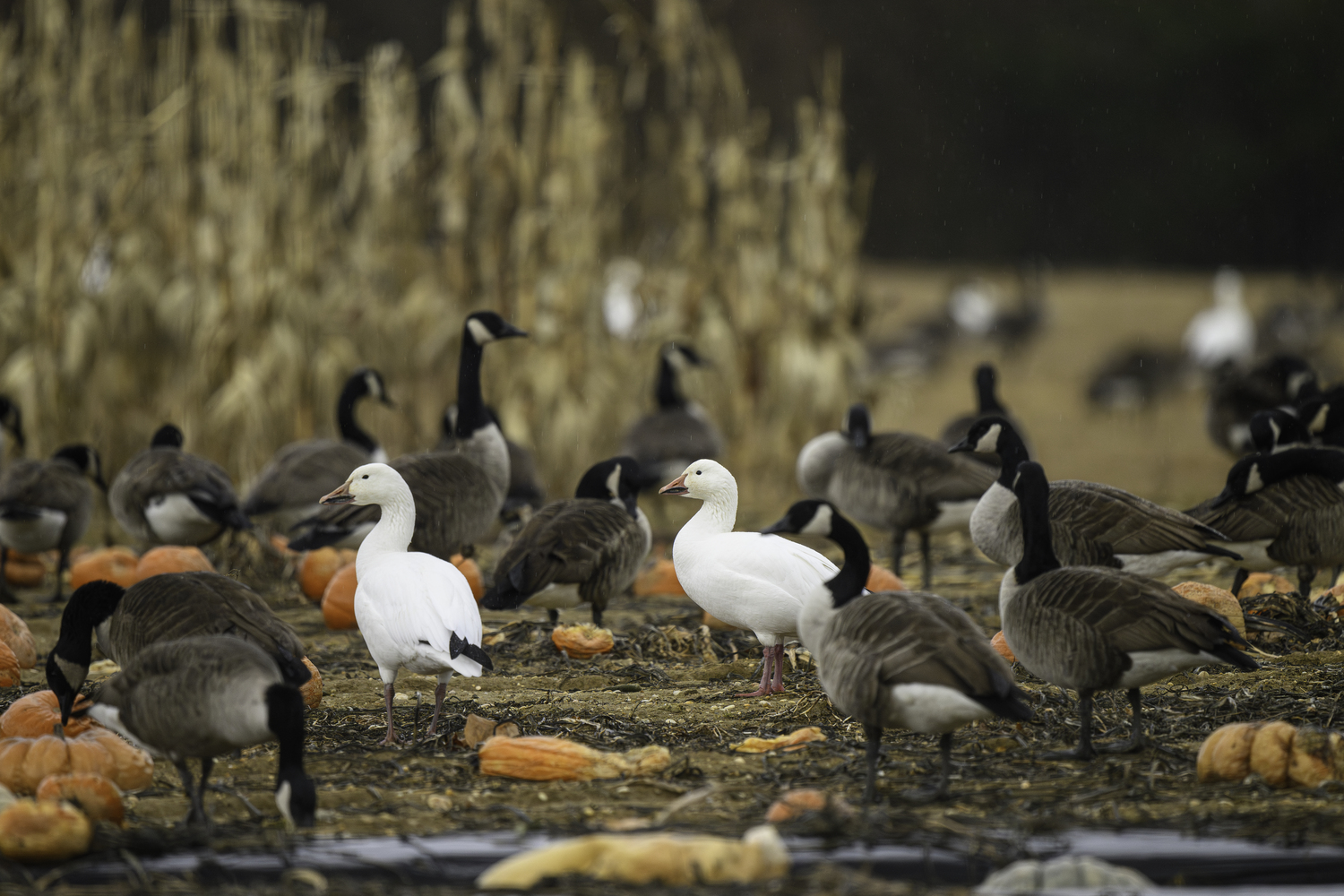
Geese foraging at Hank's Pumpkintown, Water Mill. MARIANNE BARNETT
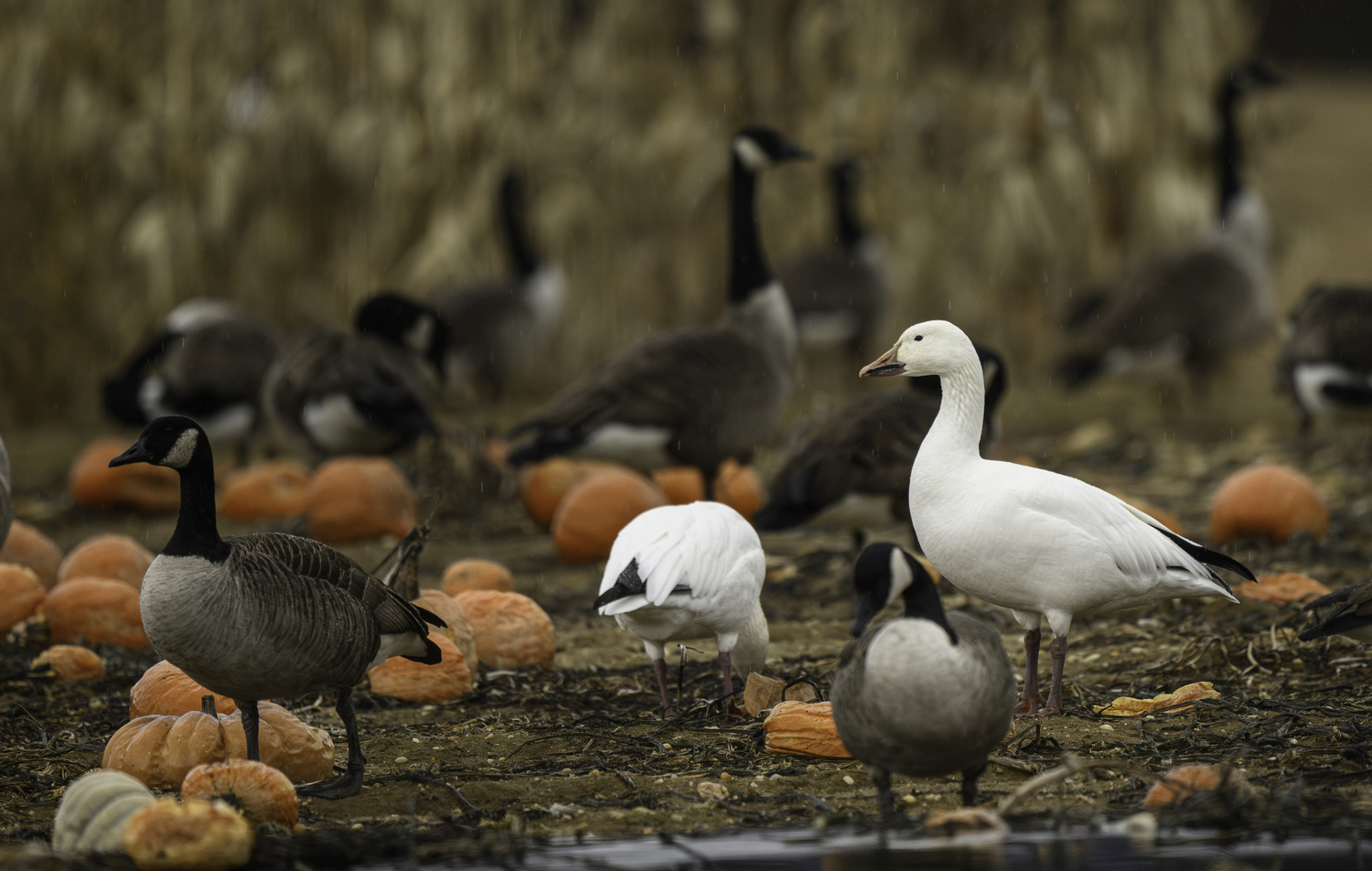
Geese foraging at Hank's Pumpkintown, Water Mill. MARIANNE BARNETT

Each winter, new avian visitors arrive in the Hamptons and do their best to blend in with the locals. In this column, I’ll focus on two types of Arctic geese who make their way from the most northern parts of the Arctic — the snow-white snow goose and its darker cousin, the brant. Both types are here now and “summering” in the Hamptons.
I’ve been encouraged this year by the large numbers of the snow goose species I’ve observed embedded with their friends, the Canada geese. The Southampton High School baseball fields seem to be a welcoming spot for Canada geese and their white feathered friends until being shooed away by the staff. I recently witnessed about 15 snow geese at Hanks Pumpkintown foraging amongst the leftover pumpkins, and on another day just north of the highway on David Whites Lane. Of course, no place is guaranteed to see them as they do fly around.
There is a saying that “birds of a feather flock together,” but I guess the snow goose has never heard it before as they are always doing their best to blend in with the Canada geese. Maybe they’ve heard the saying “safety in numbers,” so this is why they forage and fly with their kin.
Brant geese are another type of coastal goose that is visiting us now. I’ve observed them feeding on the eelgrass at the Shinnecock Inlet and along the south shore of the inlet. Brants are easily mistaken for Canada geese and are sometimes seen hanging in their flocks if they are near the water. However, Brants differ in size, neck markings, color and flight patterns. They are smaller and darker in color than the Canada goose. Brants have a black head and neck, with a white ring or collar around their neck. Their primary food source is eelgrass, which we fortunately have along our coastal waterways.
Snow geese and brants migrate here from the northernmost parts of the world, where they nest in the summer months. They fly thousands of miles due South. Snow geese fly roughly at the exact longitude from where they left. Both species find their mate around two years of age and stay bonded for life.
Now, you may be asking yourself how to find these Arctic visitors. In my daily drives to work, I always pay attention to large flocks of Canada geese. Once located, I’ll pull over to scan the flock to look for some white birds interspersed. The brant geese are near the salt water’s edge on the non-ocean side. I hope you take a few moments to see these remarkable visitors experiencing a Hamptons type of summer.
More Posts from Marianne Barnett


