


 6 Photos
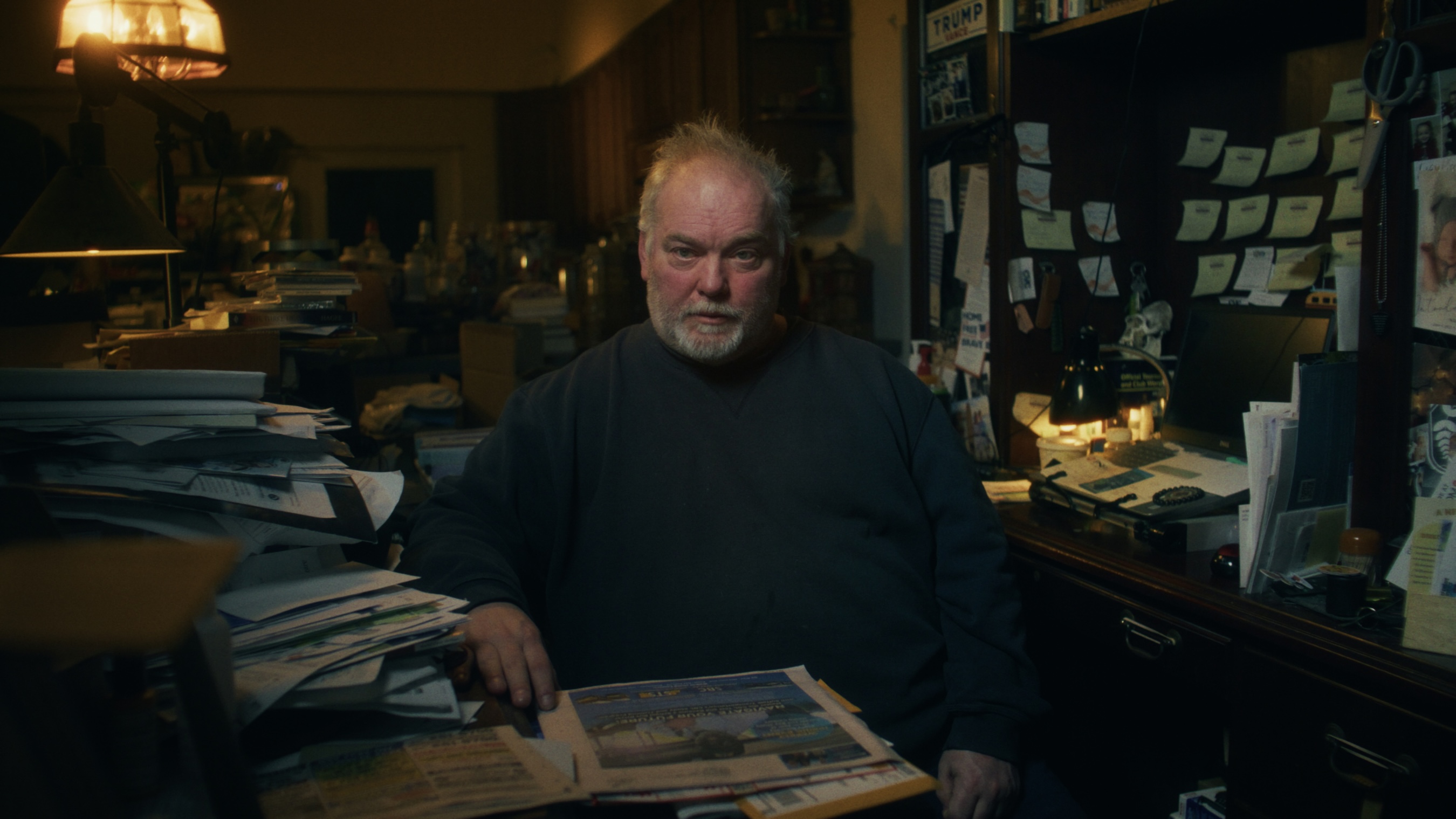
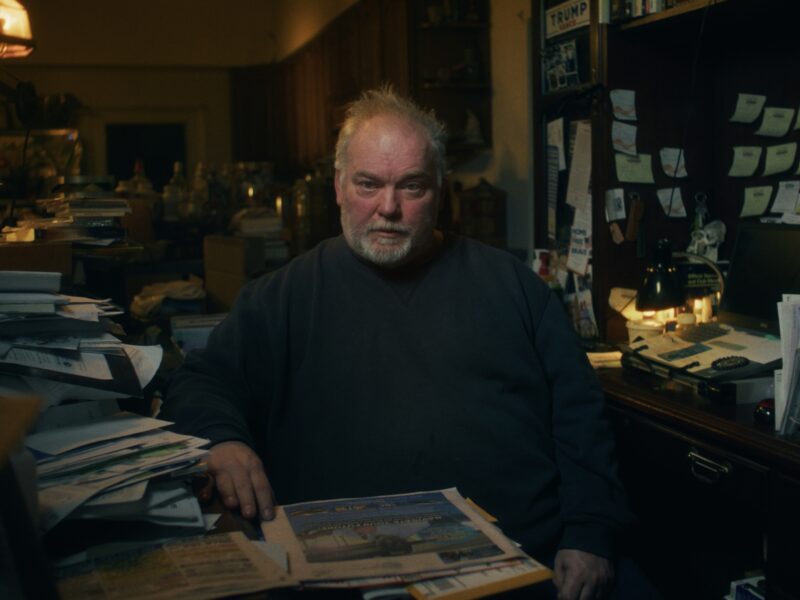
Mike Carroll sitting at his desk at his home, taken from his interview.
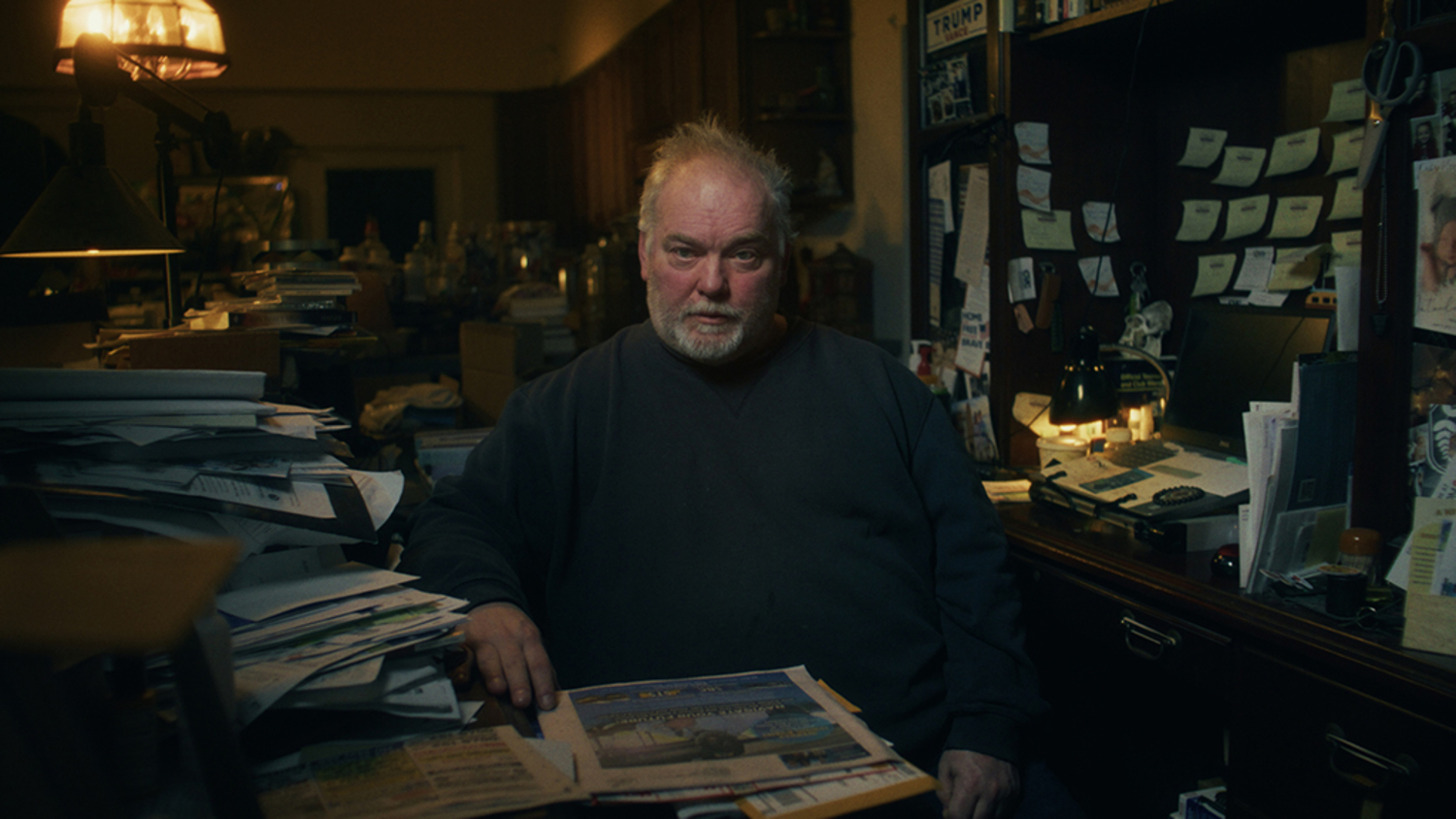
Michael Carroll in Patricia E. Gillespie's documentary "The Secrets We Bury."
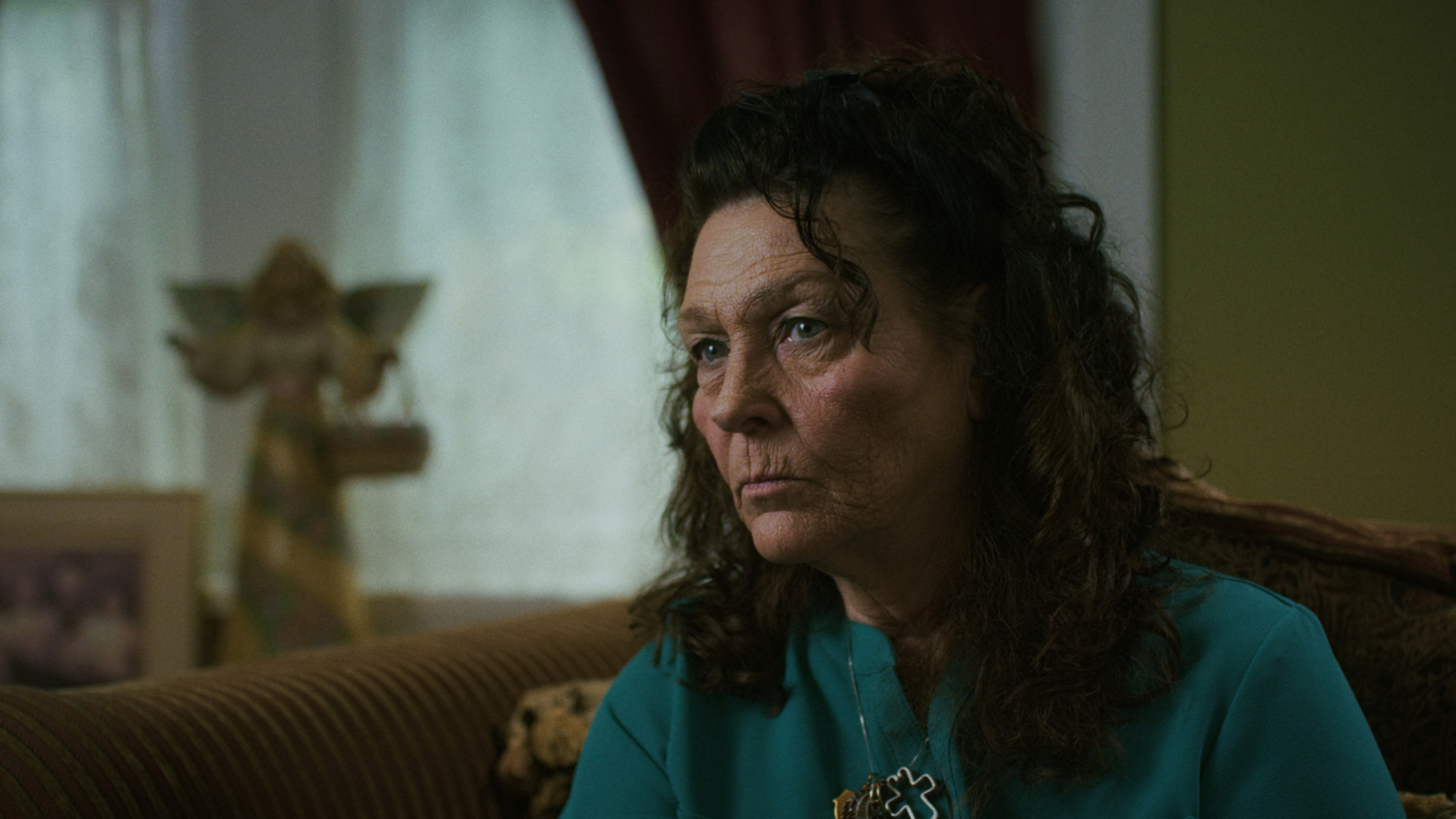
Shot of Jean Kennedy in her home taken from her interview. PRODUCTION COMPANHY
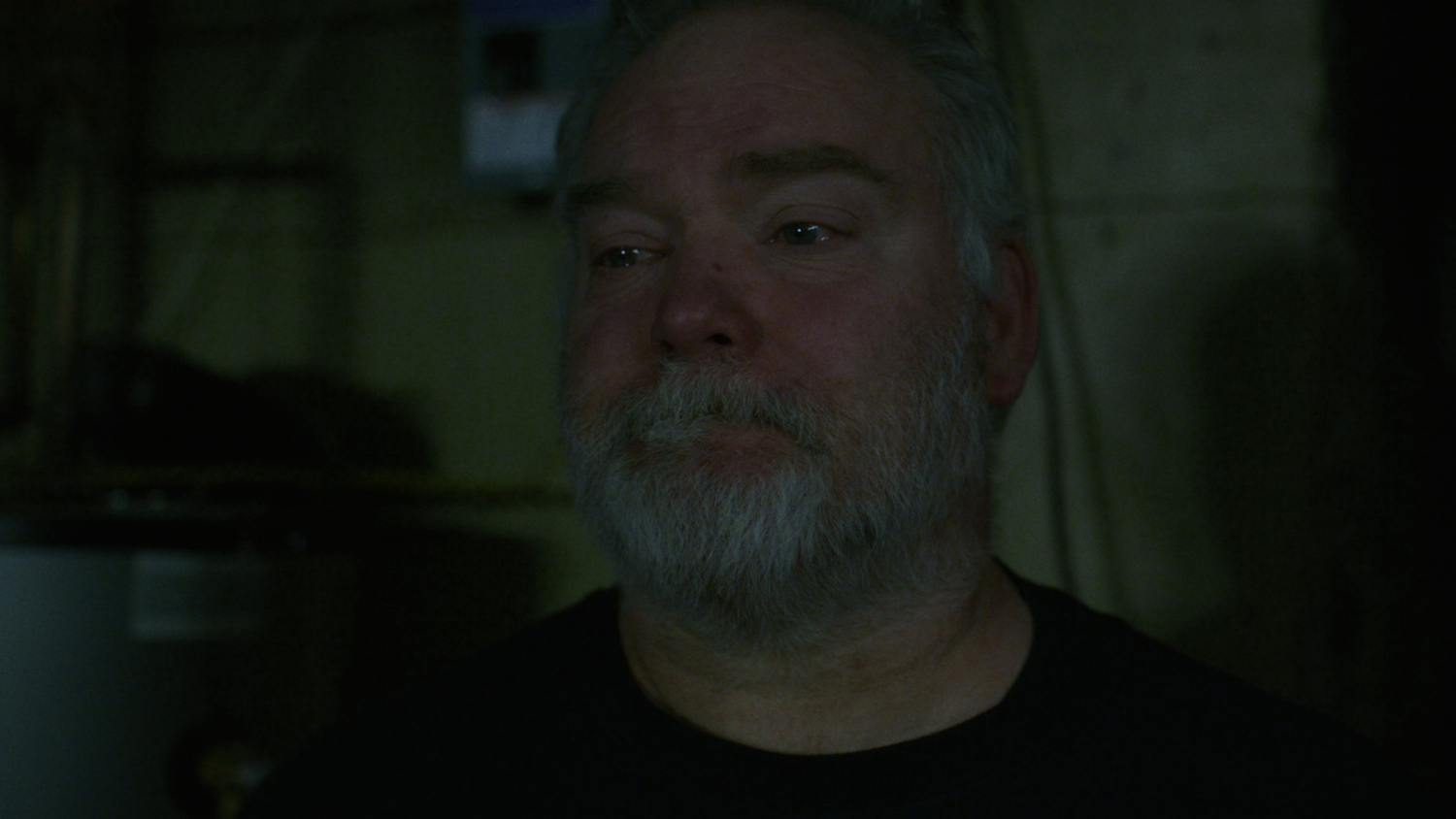
Mike Carroll stands in his dark basement with tears in his eyes and a sad expression. PRODUCTION COMPANY
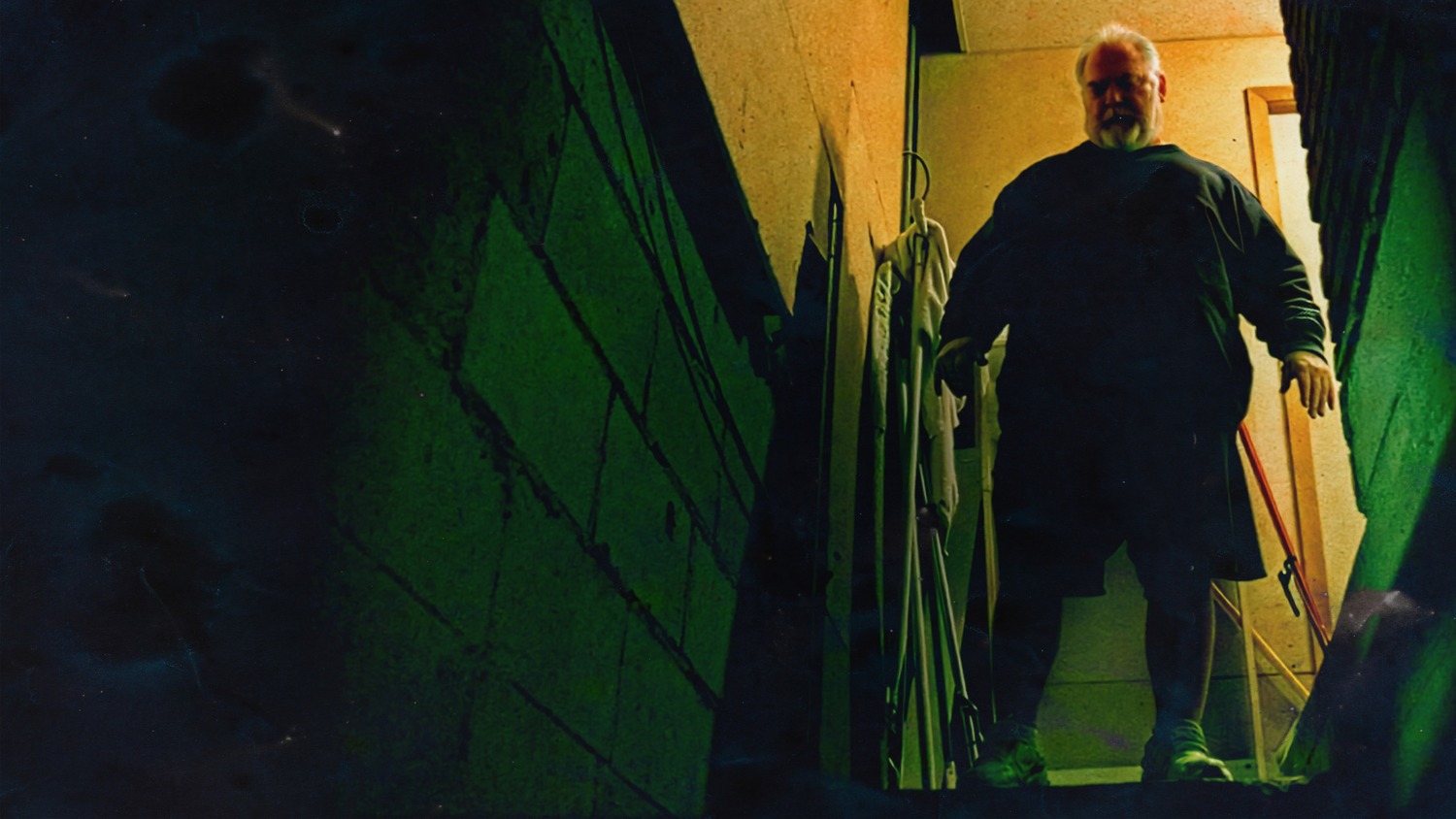
Mike Carroll stands at the top of the basement stairs in Patricia E. Gillespie's documentary "The Secrets We Bury." PRODUCTION COMPANY
Lisa Wolf, MSW, LCSW

In Patricia Gillespie’s fascinating new documentary, “The Secrets We Bury,” Jean, now in her early 70s, makes the following comment: “I kept these secrets for a long time.”
“These secrets,” and all that reside within the memories of the now-grown adults who lived in the Carroll home as children, are harrowing — truly the stuff of nightmares.
The film takes a giant leap back in time, some 60 years, to a home in Lake Grove on Long Island. The story revolves around the mysterious disappearance of George Carroll in 1963. Its narrator, Mike Carroll (George’s son) is a man whose steadfast determination made answers, to questions half a century old, possible.
Mike begins by telling us, “I grew up in what I thought was a pretty normal family.” How often a patient of mine has begun their own story (that ends up being far less than “normal”) in exactly the same way.
We would never have come to know of the sexual abuse and violence that occurred in the Carroll home were it not for Mike’s sister, Jean, for whom Mike began his years-long search for the truth. When I listen to Jean’s choice of words, and the manner in which she speaks, I am taken instantly by the way in which patients I’ve worked with, who have been victimized by sexual predators, have revealed their own trauma.
In today’s column, I’ll be focusing on the child sexual abuse (CSA) endured within the Carroll home, though, as the documentary reveals, that was only one facet of the many crimes committed there.
I was particularly struck by Jean’s bravery, as revealing that one was the victim of this type of abuse is one of the most difficult sentences an individual can ever begin to utter. To do so in a documentary that will be televised takes an extraordinary amount of courage.
The reasons for this are deeply complicated. Part of the reason is that when, after decades, one finds the strength to speak about sexual abuse, individuals are generally overcome with the same shame, embarrassment and deep sense of violation that they felt at the time the abuse took place. Though the child was the victim, the perpetrator attempted to make the child feel they were to blame, additionally terrorizing the child to be sure they won’t “tell.” The now-adult victim is, in the act of retelling, brought back in time to the exact moments of the abuse. It’s as if they are again a child, living it all again, sometimes even speaking in the vocal manner and phrasing their child-self would have used.
In so many complex ways, they remain that brutalized child.
The symptoms of post-traumatic stress, a common result of CSA, often involve vivid recollections, lifelong nightmares and hyper-vigilance to any sound or sensation even remotely similar in tone or feel to those previously experienced. Lifelong depression, anxiety, irritability, addiction and suicidal ideation frequently result and, in some cases, suicide occurs.
Jean Carroll did reveal to her mother what was happening at the time of her abuse, yet she discovered, as many children have found, that she was not believed. This result often nullifies the child’s belief in self not only at the time of the abuse but well into adulthood. They often become deeply unsure of themselves across multiple aspects of their lives: school, college, work life and relationships. Thus, the experience of CSA is profoundly debilitating.
On the world stage, we’ve seen this most recently in the victims of Jeffrey Epstein. I often think of Virginia Guiffre’s bravery, of the bravery of all Epstein victims, and of Virginia’s tragic suicide after so many years of suffering.
After living with secrets victims have buried for half a lifetime or more, speaking their truth out loud, even in the confines of a psychotherapy office, can be an almost insurmountable task. It’s hard for me to stress enough the bravery it takes to reveal one’s story on a national stage. These stories are connected to memories from parts-of-self the child almost always has attempted to erase, kept deeply secret from a time long ago.
In “The Secrets We Bury,” Patricia Gillespie makes it easy for viewers to see how difficult it was for Jean to tell her tale. Jean’s bravery (as well as that of Mike’s) is a true beacon of light throughout this documentary.
Somewhat counter-intuitively, the act of retelling the trauma to a trusted individual can often begin the process of healing. Yet the listener must exercise the greatest of care, as retelling can also unearth new memories that are difficult to process.
For those lucky enough to see their abusers punished within the court system, a greater level of recovery can be possible. With their perpetrator judged and punished, a sense of empowerment, along with a reduction in anxiety, depression and PTSD symptoms, has been demonstrated in many individuals. As we’ve seen with the case of Jeffrey Epstein, whose victims remain unheard and who have been unable (at least so far) to see their abusers punished, the pain remains palpable.
Toward the end of the documentary, after we have come to understand much more about the Carroll family, their stepfather, the “yellow house down the street,” and the family’s questions about the mysterious and sudden disappearance of their father, we learn that murder was also a part of the Carroll story.
This documentary left a strong impression on me. As a therapist, I felt the telling was powerful and true to the narratives I’ve heard from the many CSA survivors I’ve worked with over the years. The director creates a perfect tapestry of old family footage cut between interviews of all living members of the family: Mike, his children, his brother, Steve, and Jean. These interviews allow us to experience a vivid and visceral feeling of the home’s emotional landscape half a century ago.
“The Secrets We Bury” will begin airing on HBO/Max on December 16. I invite you to take a look at the world of the Carrolls of Lake Grove. Though it’s often difficult to watch, the film beautifully depicts what it looks like to grow up in a family where violence and sexual abuse are common and where secrets are truly buried.
Lisa Wolf, MSW, LCSW, holds a Master of Science from Columbia University and Bachelor of Arts from the University of California, Berkeley. She is a practicing psychotherapist with offices in Bridgehampton and Manhattan. You may visit her website at: lisawolftherapy.com.
The contents of this column are for informational purposes only. Nothing found in this column is a substitute for professional advice, diagnosis, treatment or professional psychotherapy. If you are in crisis or experiencing suicidal thoughts, call 911 immediately.
More Posts from Lisa Wolf, MSW, LCSW


