


 18 Photos
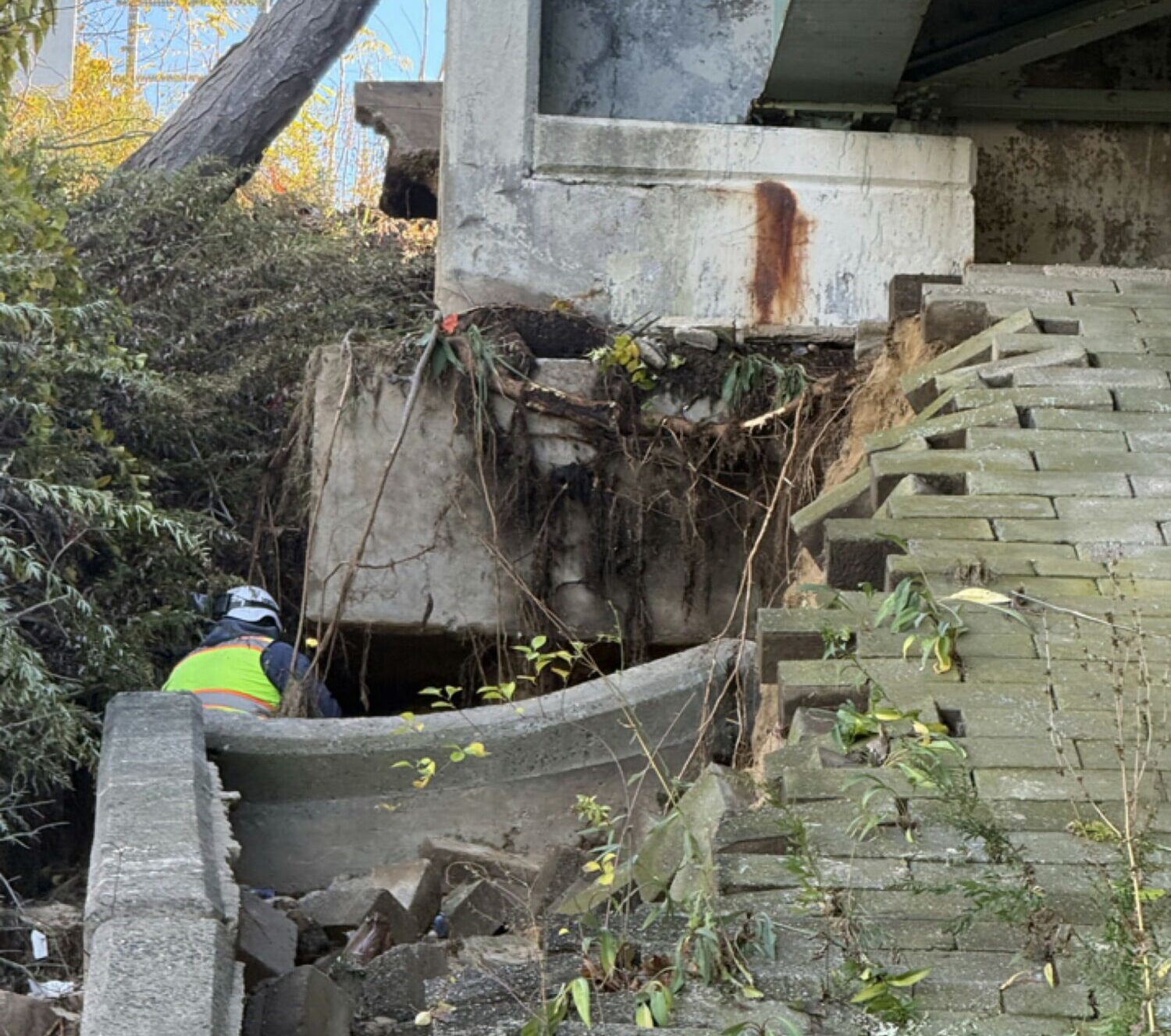
Heavy rain caused erosion of the soil behind the abutments that support the westbond lanes of Sunrise Highway on Thursday night. The New York State Department of Transportation have ordered both westboujnd lanes closed to traffic and are allowing only a limited amount of cars to flow west using the road's shoulder. SOUTHAMPTON TOWN POLICE
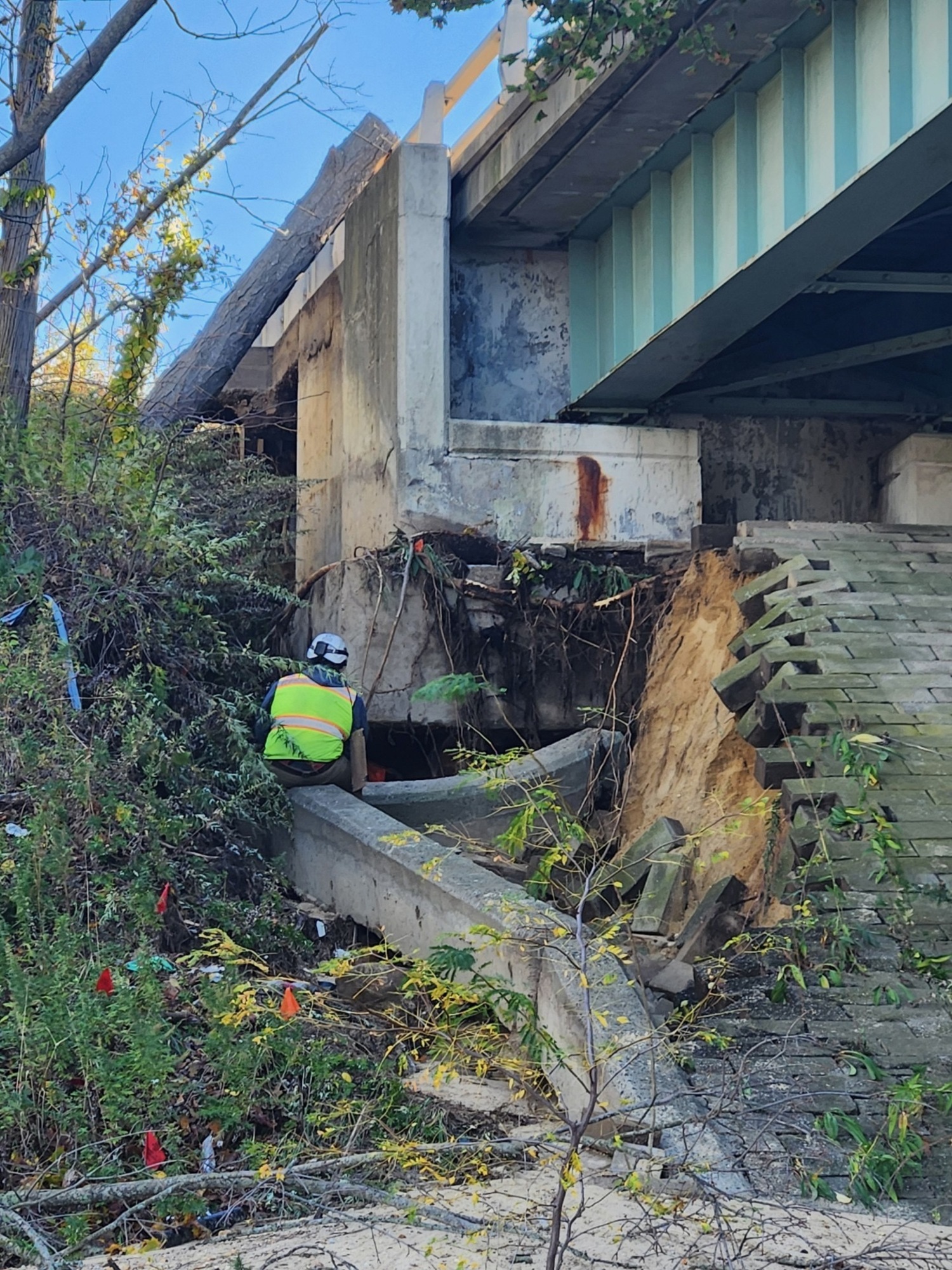
Heavy rainfall on Thursday night caused severe erosion beneath the westbound lanes of Sunrise Highway at the Shinnecock Canal, forcing the state Department of Transportation to close the roadway. Only very limited number of cars are being allowed to flow west on the highway using the road's shoulder. SOUTHAMPTON TOWN
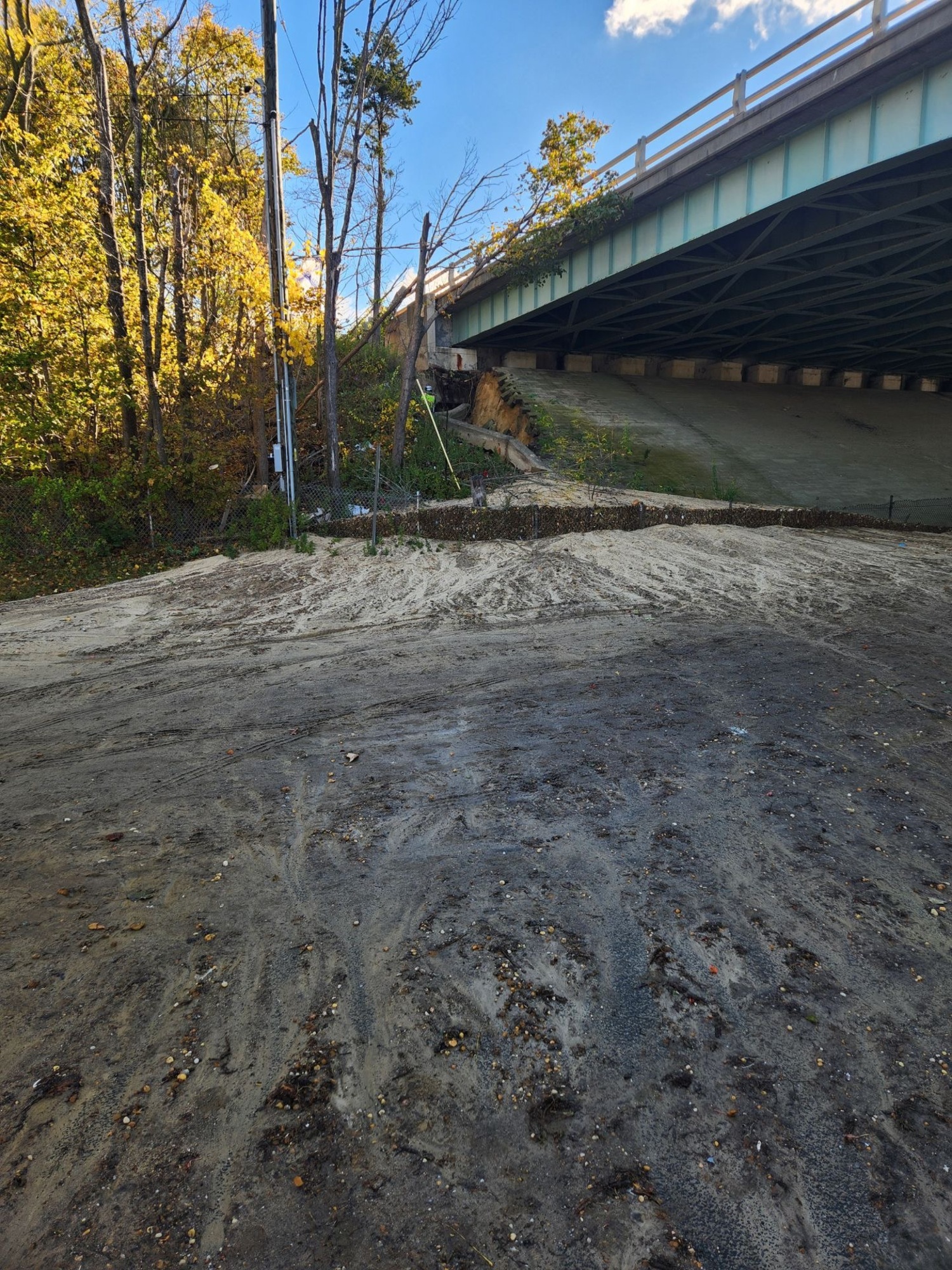
Heavy rainfall on Thursday night caused severe erosion beneath the westbound lanes of Sunrise Highway at the Shinnecock Canal, forcing the state Department of Transportation to close the roadway. Only very limited number of cars are being allowed to flow west on the highway using the road's shoulder. SOUTHAMPTON TOWN
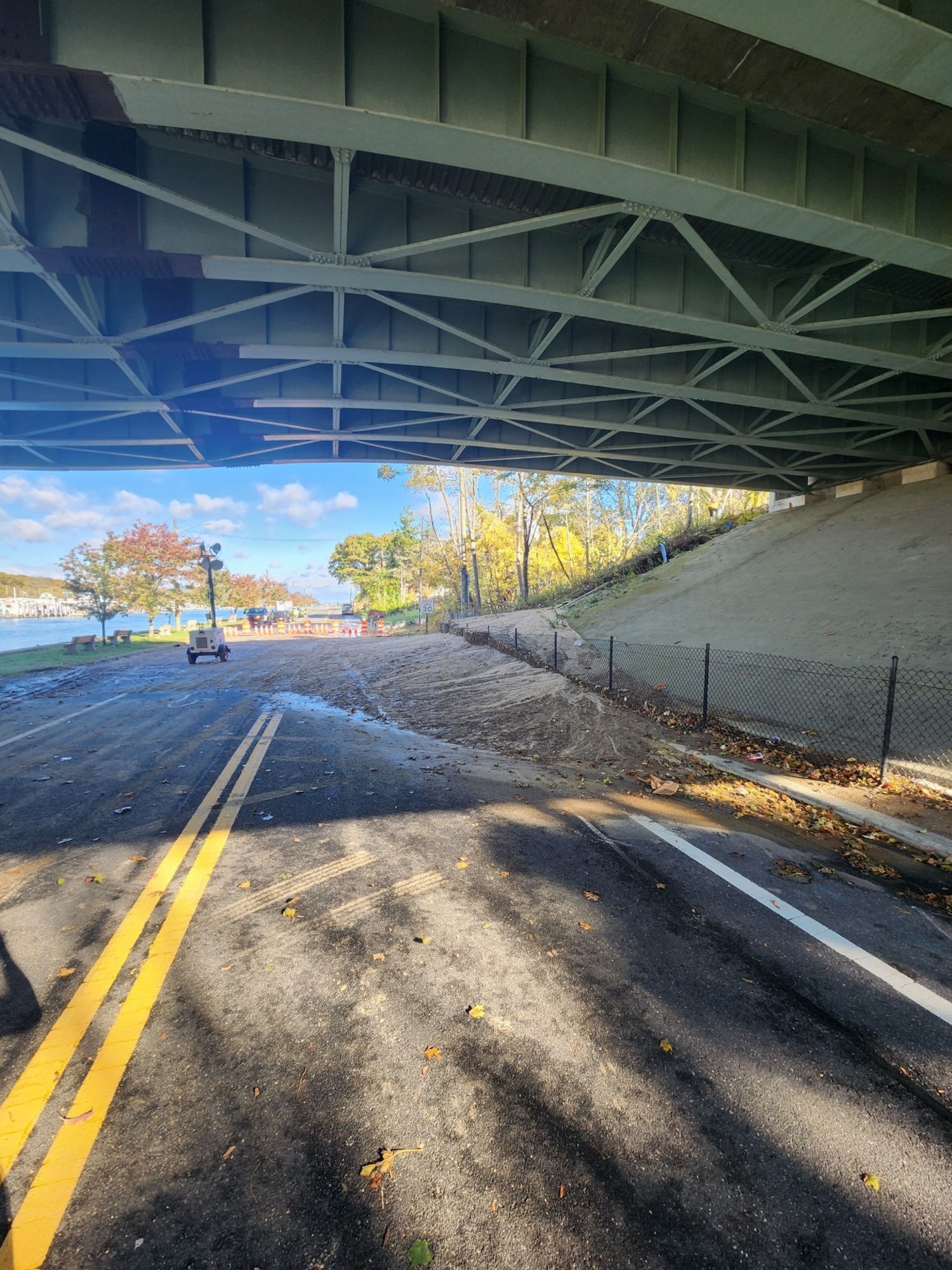
Heavy rainfall on Thursday night caused severe erosion beneath the westbound lanes of Sunrise Highway at the Shinnecock Canal, forcing the state Department of Transportation to close the roadway. Only very limited number of cars are being allowed to flow west on the highway using the road's shoulder. SOUTHAMPTON TOWN
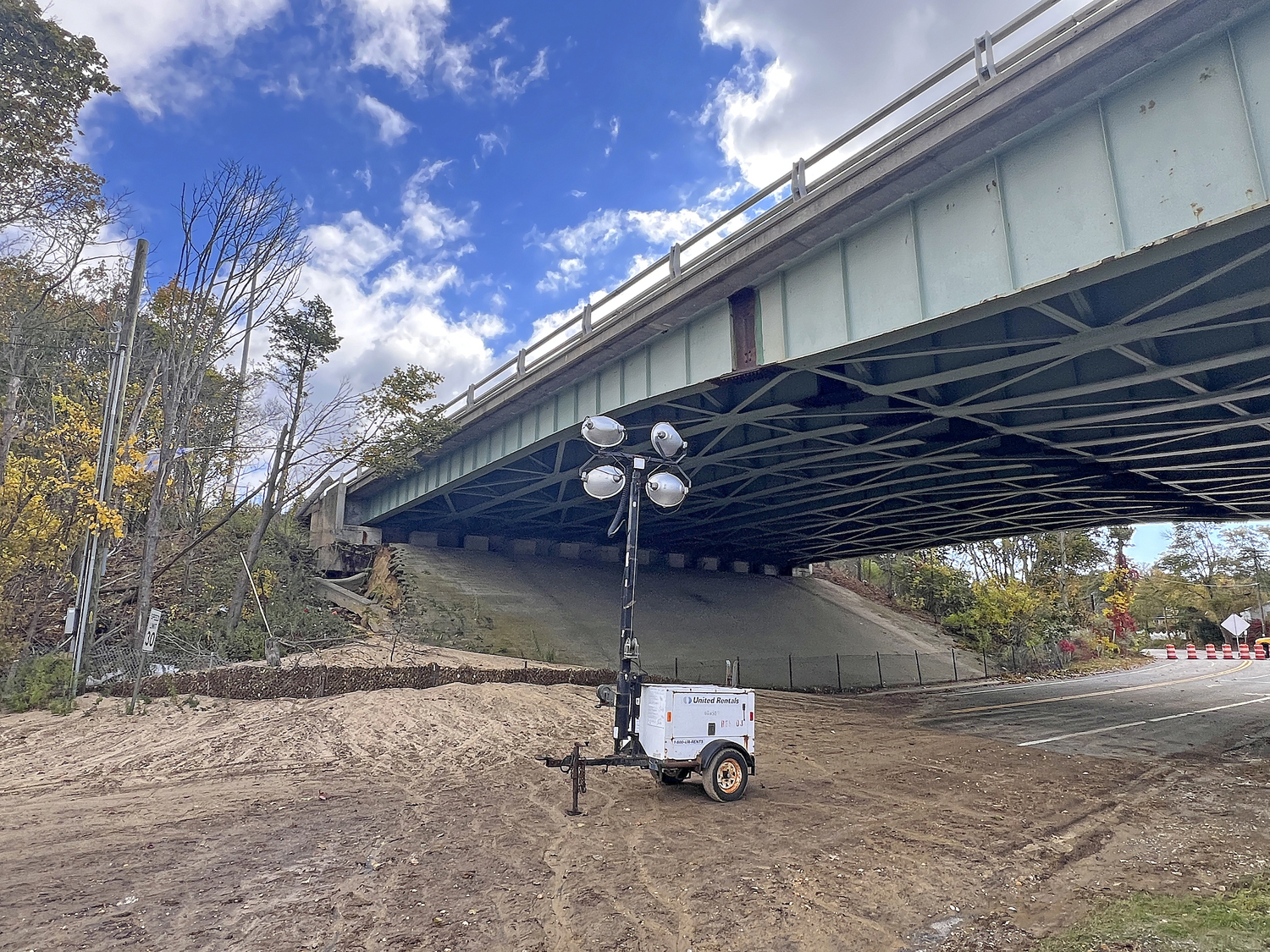
Heavy rainfall on Thursday night caused severe erosion beneath the westbound lanes of Sunrise Highway at the Shinnecock Canal, forcing the state Department of Transportation to close the roadway. Only very limited number of cars are being allowed to flow west on the highway using the road's shoulder. DANA SHAW
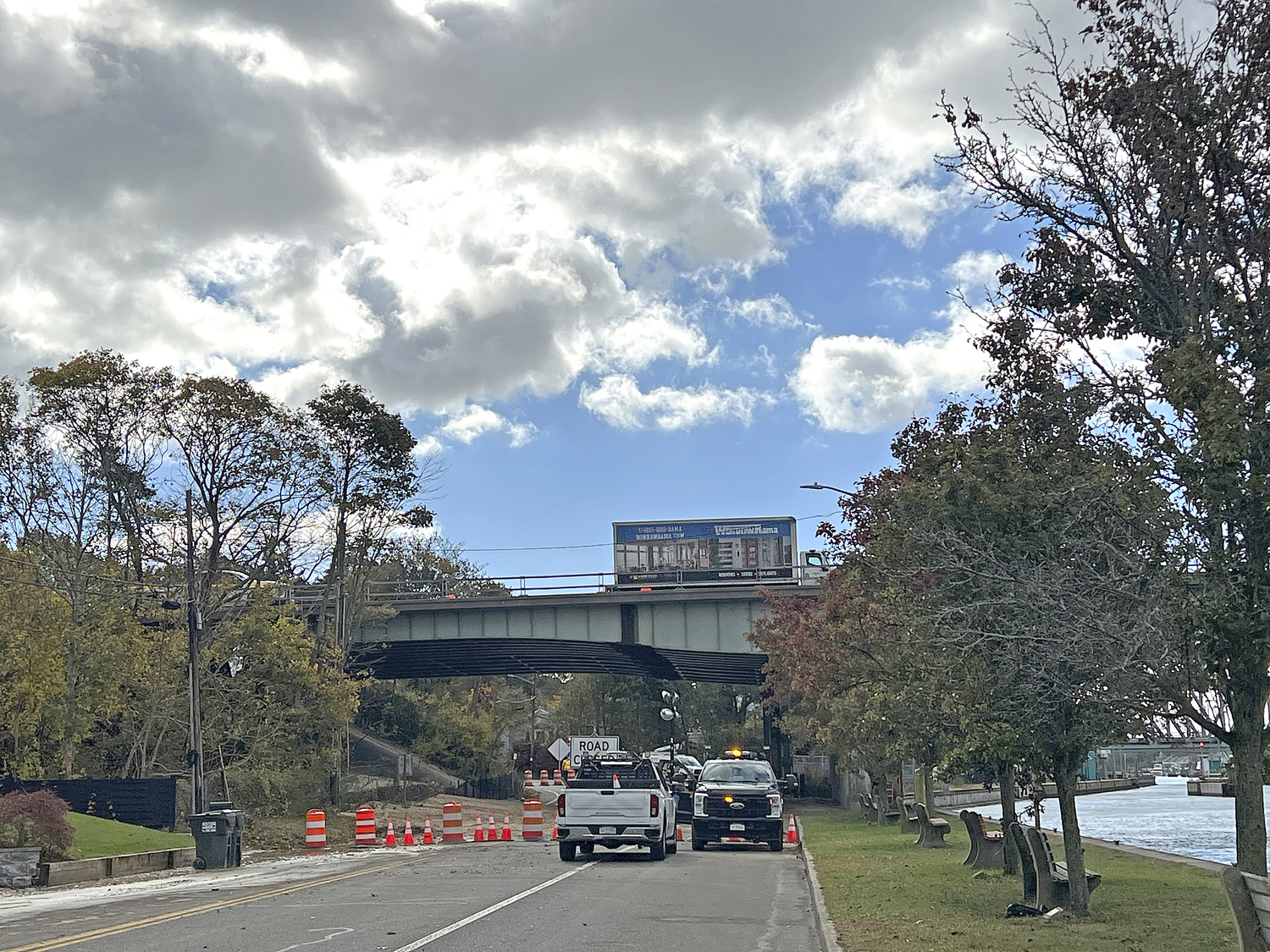
Heavy rainfall on Thursday night caused severe erosion beneath the westbound lanes of Sunrise Highway at the Shinnecock Canal, forcing the state Department of Transportation to close the roadway. Only very limited number of cars are being allowed to flow west on the highway using the road's shoulder. DANA SHAW
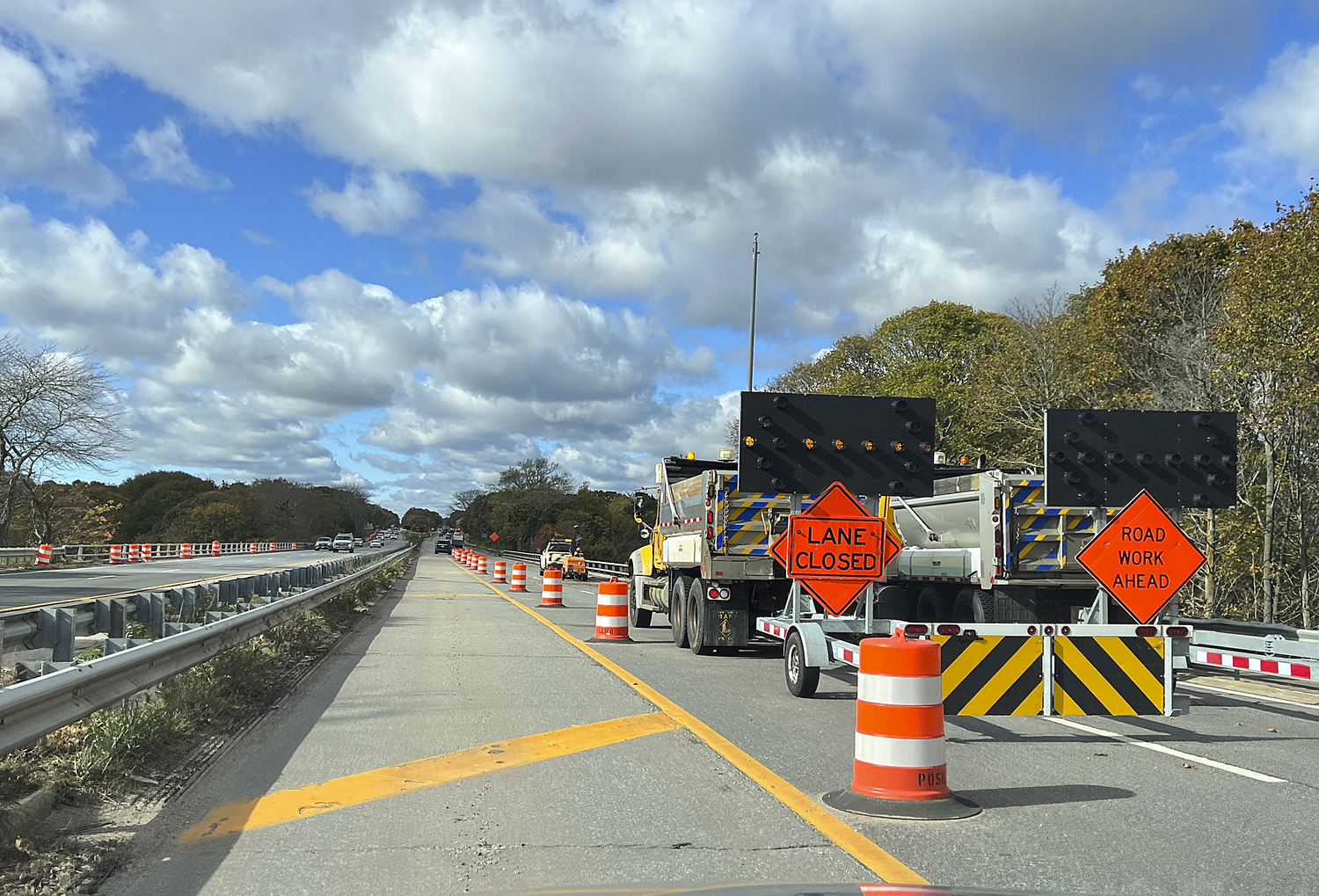
Heavy rainfall on Thursday night caused severe erosion beneath the westbound lanes of Sunrise Highway at the Shinnecock Canal, forcing the state Department of Transportation to close the roadway. Only very limited number of cars are being allowed to flow west on the highway using the road's shoulder. DANA SHAW
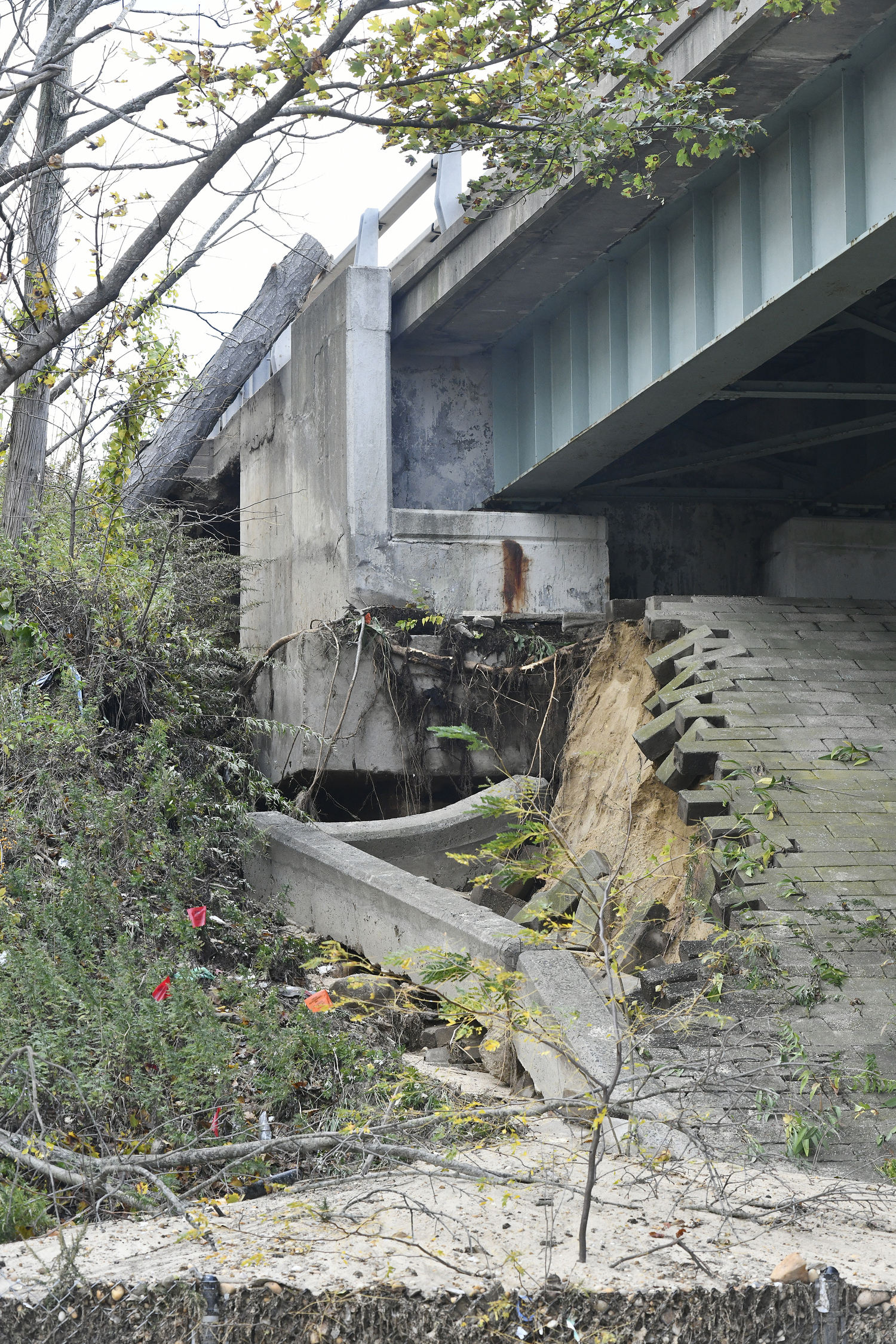
Heavy rainfall on Thursday night caused severe erosion beneath the westbound lanes of Sunrise Highway at the Shinnecock Canal, forcing the state Department of Transportation to close the roadway. Only very limited number of cars are being allowed to flow west on the highway using the road's shoulder. DANA SHAW
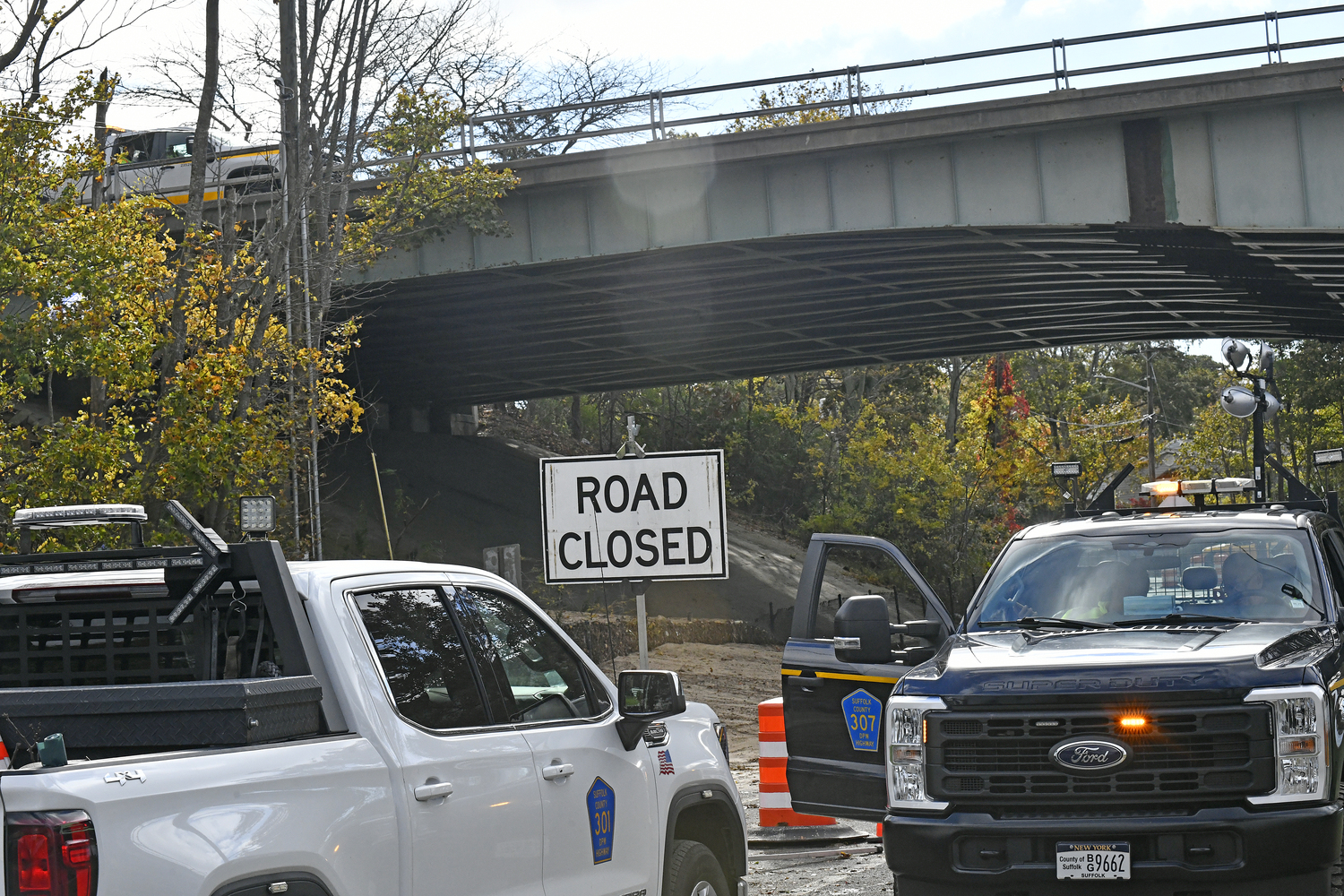
Heavy rainfall on Thursday night caused severe erosion beneath the westbound lanes of Sunrise Highway at the Shinnecock Canal, forcing the state Department of Transportation to close the roadway. Only very limited number of cars are being allowed to flow west on the highway using the road's shoulder. DANA SHAW
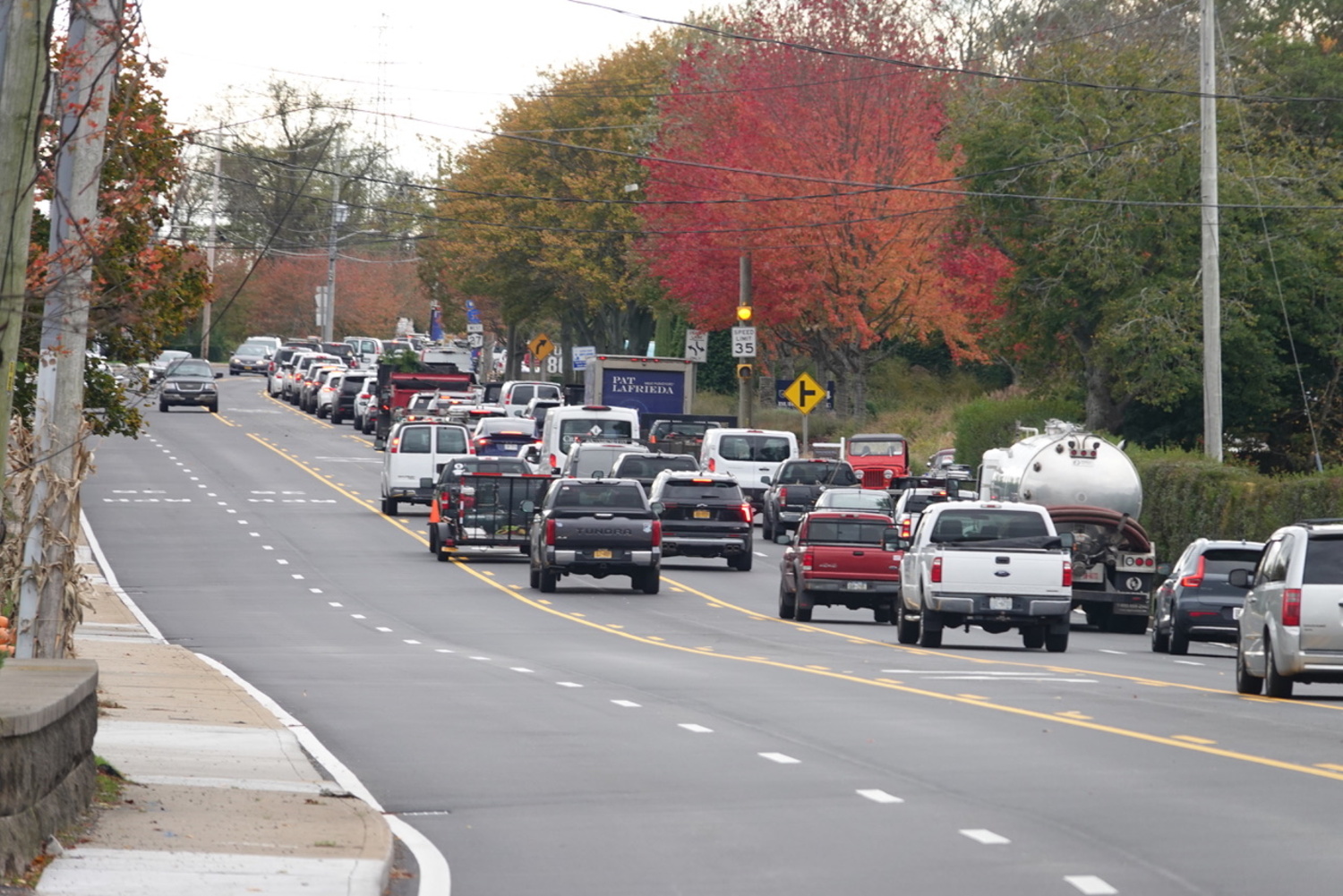
Traffic on the western end of County Road 39 was already starting to back up at 2 p.m. because of the lane closures on Sunrise Highway in Hampton Bays. MICHAEL WRIGHT
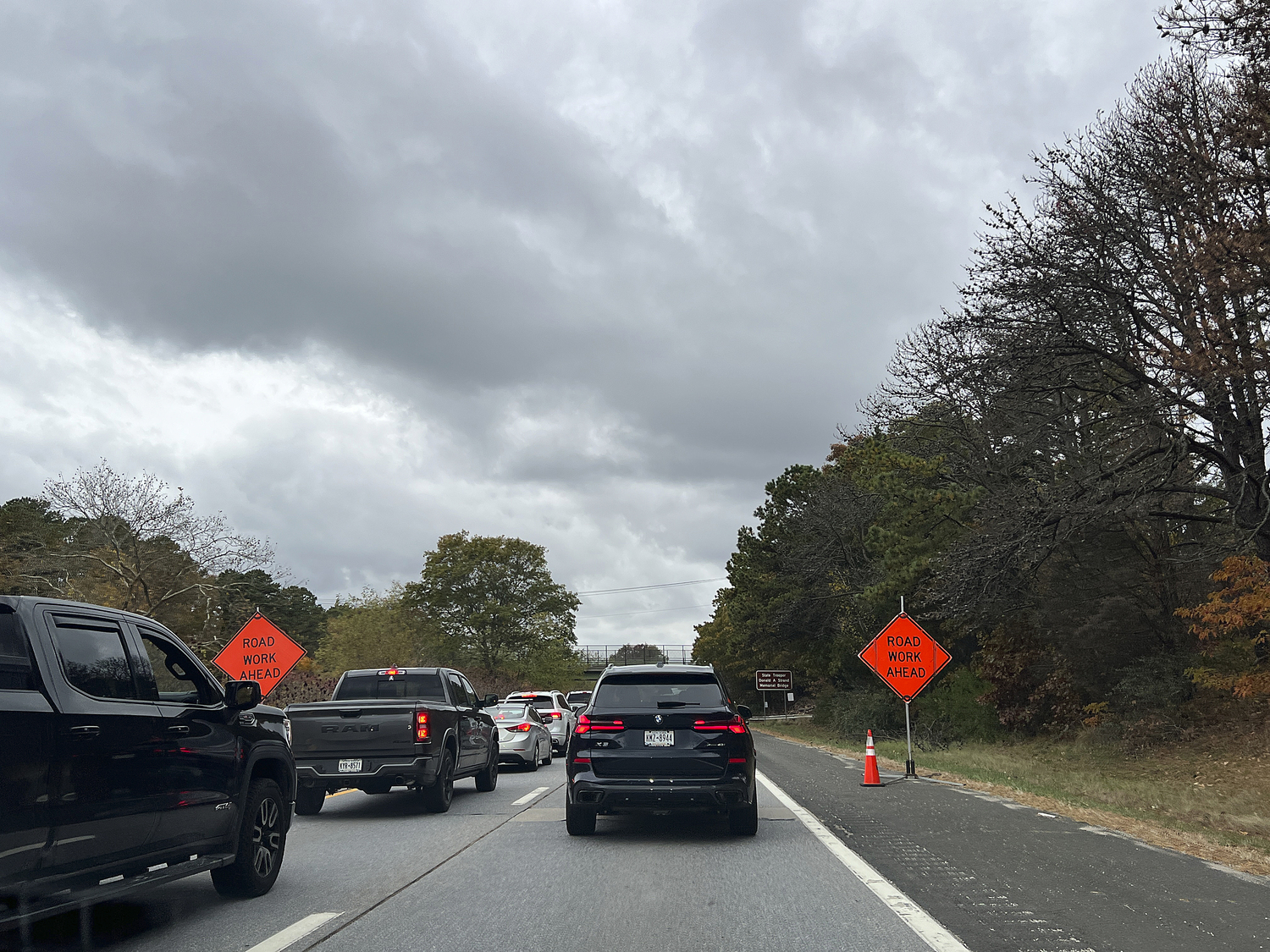
Sunrise Highway westbound traffic on Monday evening. Sunrise Highway west is down to one lane after a heavy rain undermined the bridge over the canal on the far right westbound lane last week. DANA SHAW
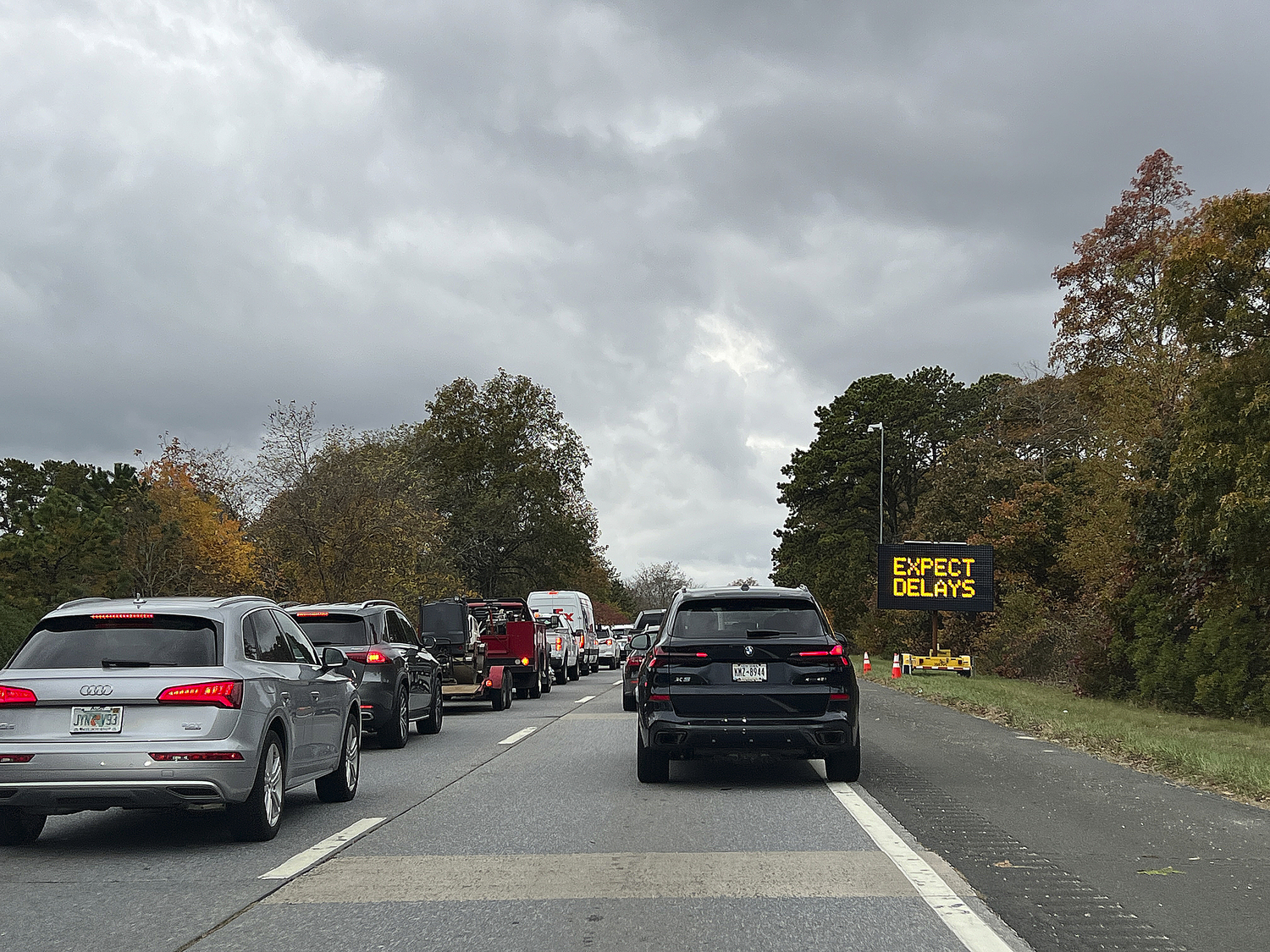
Sunrise Highway westbound traffic on Monday evening. Sunrise Highway west is down to one lane after a heavy rain undermined the bridge over the canal on the far right westbound lane last week. DANA SHAW
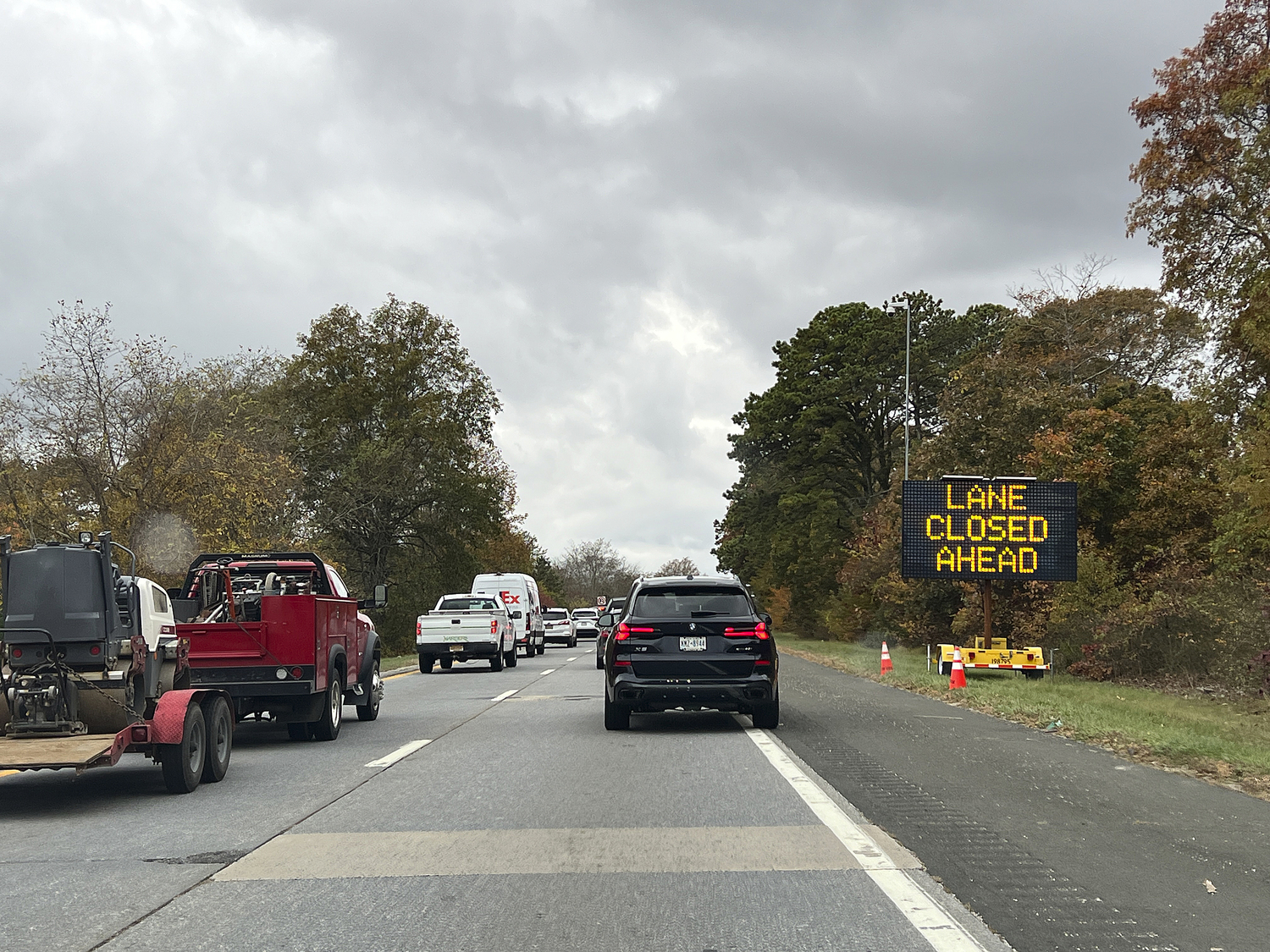
Sunrise Highway westbound traffic on Monday evening. Sunrise Highway west is down to one lane after a heavy rain undermined the bridge over the canal on the far right westbound lane last week. DANA SHAW
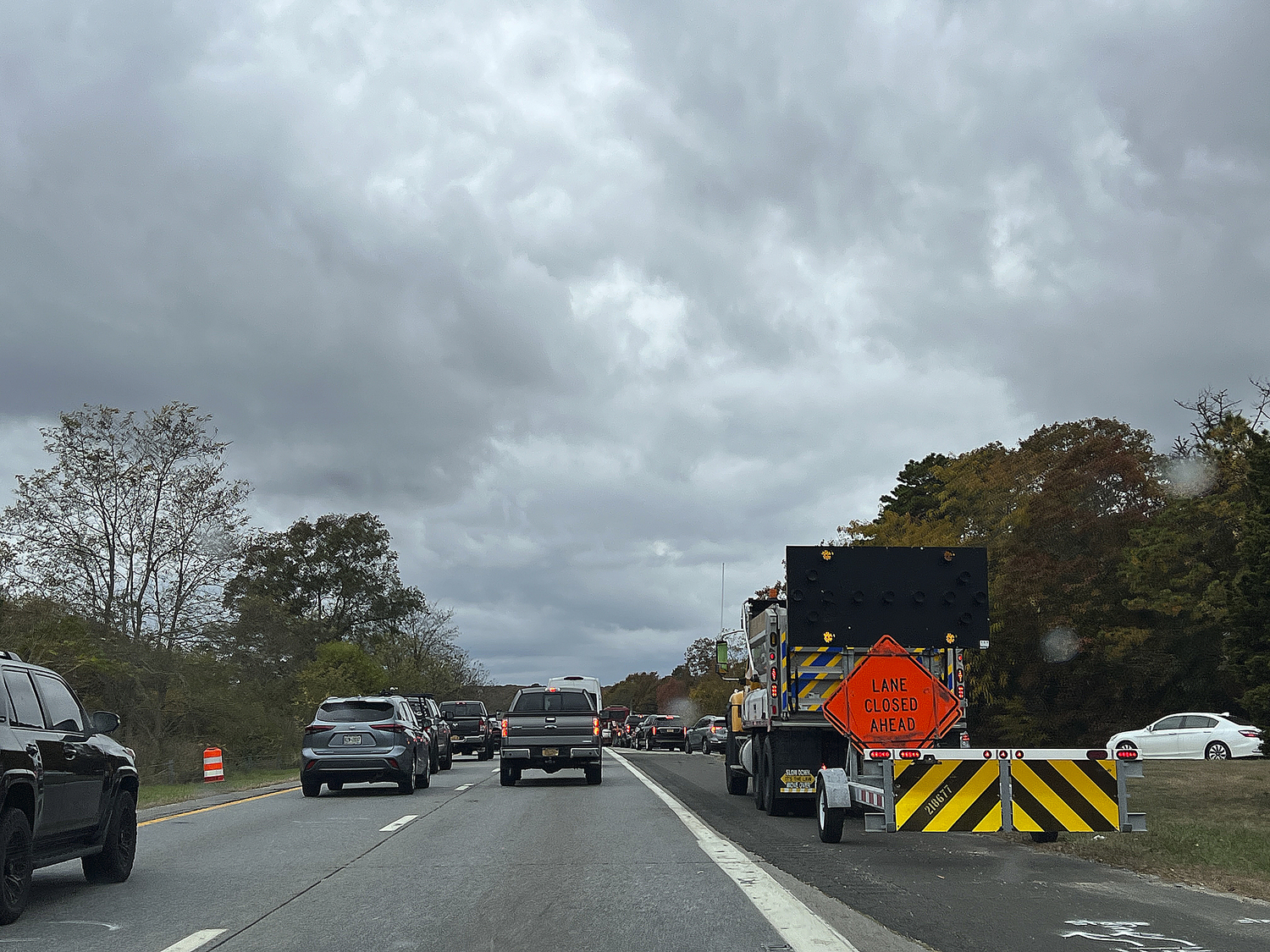
Sunrise Highway westbound traffic on Monday evening. Sunrise Highway west is down to one lane after a heavy rain undermined the bridge over the canal on the far right westbound lane last week. DANA SHAW
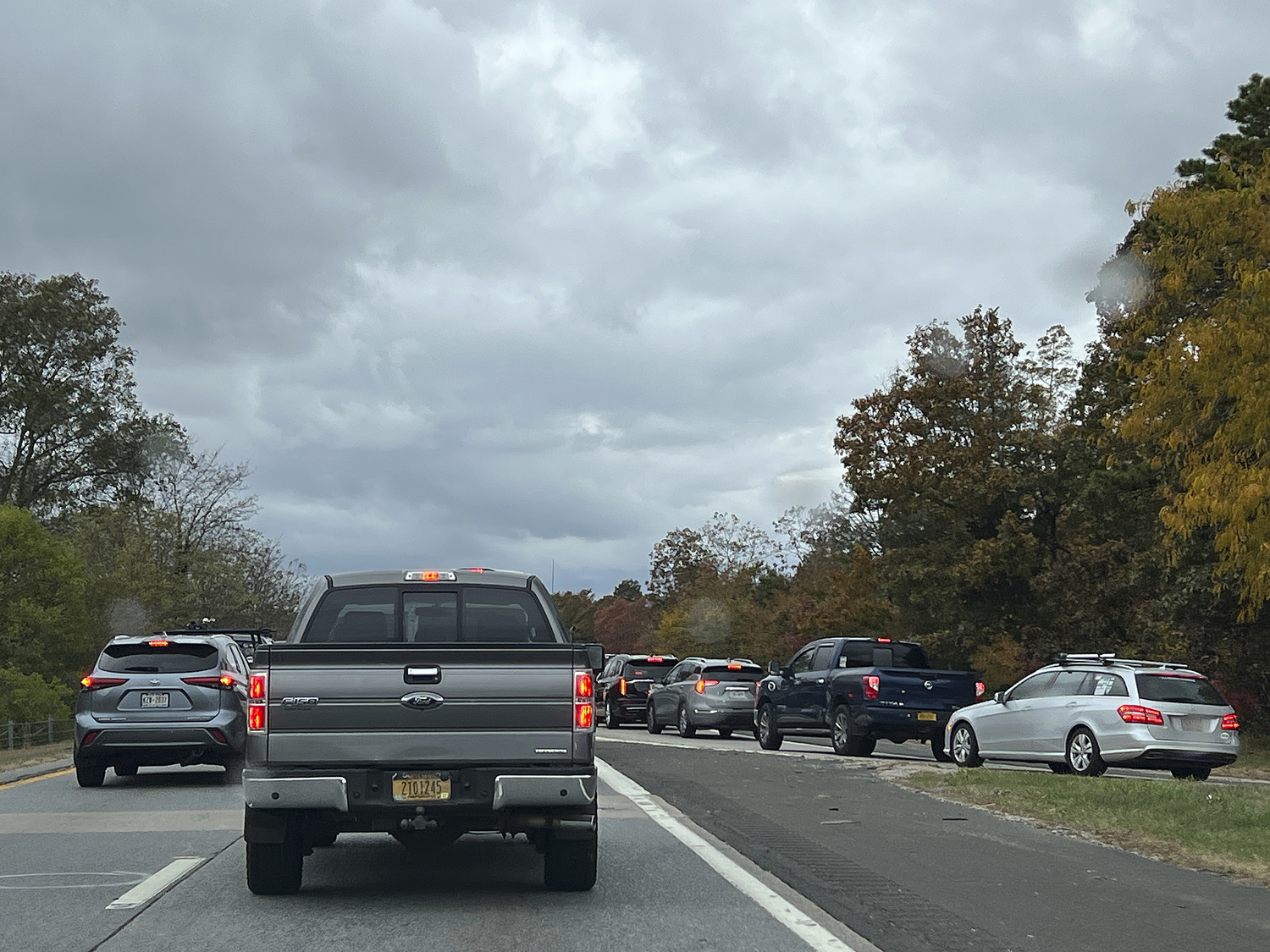
Sunrise Highway westbound traffic on Monday evening. Sunrise Highway west is down to one lane after a heavy rain undermined the bridge over the canal on the far right westbound lane last week. DANA SHAW
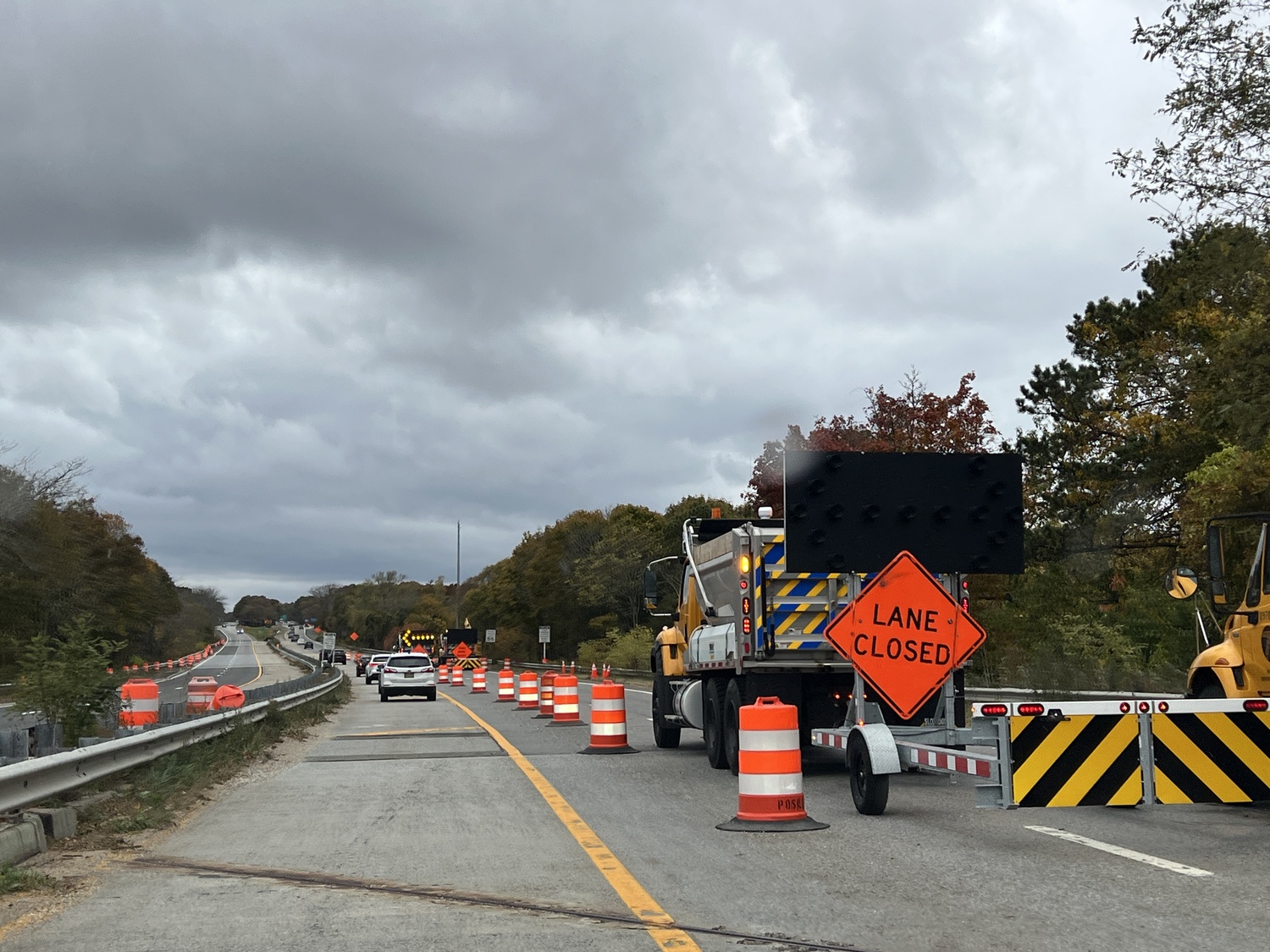
Commuters saw long days in the afternoons since the collapse of the abutments below a bridge on the Sunrise Highway force the closure of the two regular traffic lanes, leaving only the shoulder of the roadway open to a trickle of vehicles. DANA SHAW
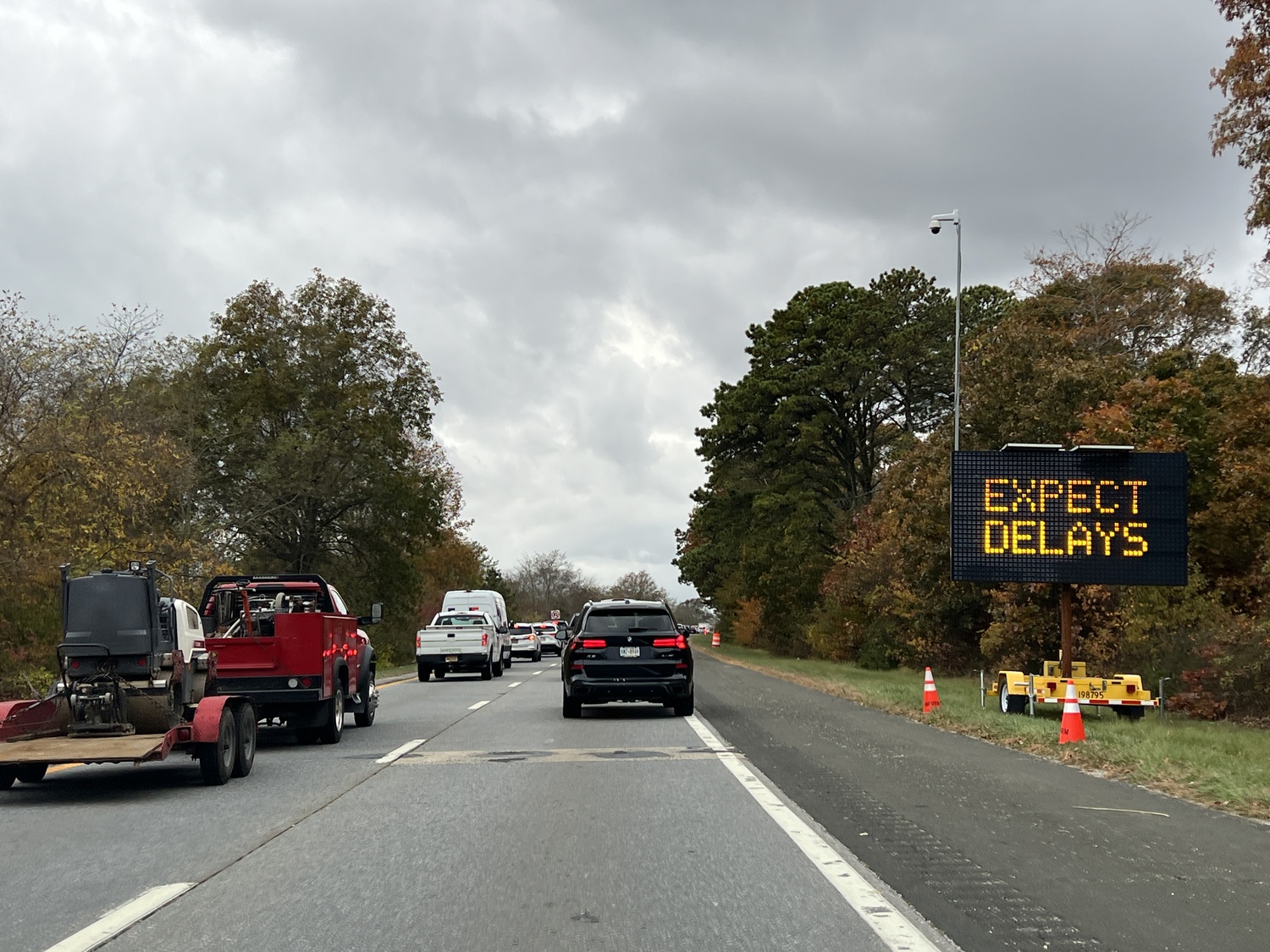
Commuters saw long days in the afternoons since the collapse of the abutments below a bridge on the Sunrise Highway force the closure of the two regular traffic lanes, leaving only the shoulder of the roadway open to a trickle of vehicles. DANA SHAW
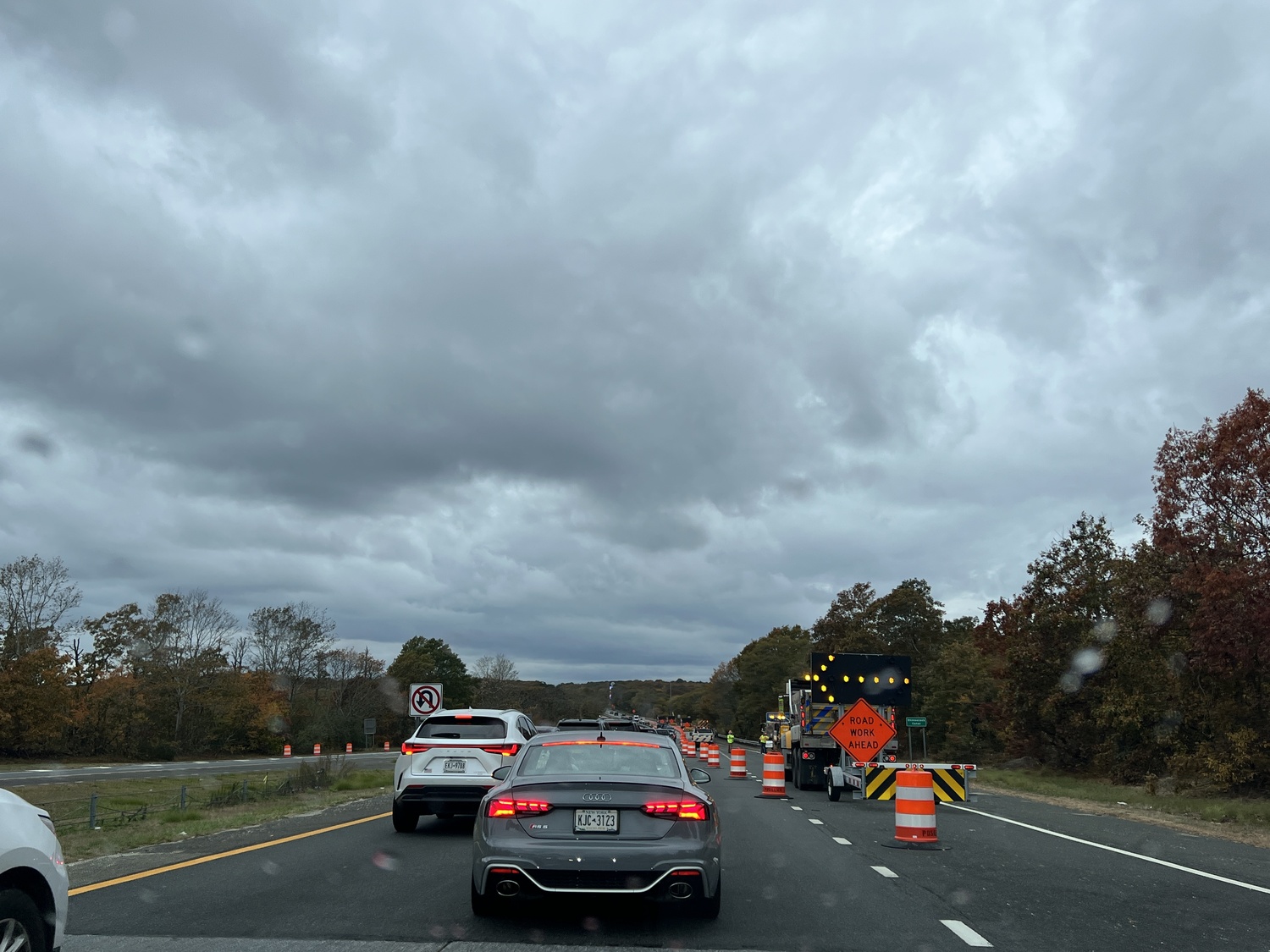
Commuters saw long days in the afternoons since the collapse of the abutments below a bridge on the Sunrise Highway force the closure of the two regular traffic lanes, leaving only the shoulder of the roadway open to a trickle of vehicles. DANA SHAW
Contractors worked around the clock for five days to repair the abutments beneath Sunrise Highway where it crosses over the Shinnecock Canal and were able to reopen the highway’s two westbound lanes on Tuesday evening, November 4, after heavy rains and erosion had forced the closure of the highway and snarled traffic during the evening rush hours.
Stormwater runoff from a torrential rainstorm on October 30 that dumped more than 2 inches of rain in a few hours overflowed the drainage conduits on the westbound roadside at the eastern end of the bridge over the Shinnecock Canal. The water cascaded off the roadway and bridge and down the hillside, causing extensive erosion of the slope beneath the bridge. A section of the concrete-and-stone abutment that supports the slope where the roadway meets the bridge deteriorated.
The bridge portion of the roadway itself sits on pilings and was not affected by the erosion, state engineers said, but the collapsed abutment created the threat of a broader failure of the slope and the collapse of portions of the road.
When the failed abutment was discovered, the State Department of Transportation closed both of the westbound lanes early on the morning of October 31. Engineers were able to determine that it would be safe to allow cars to pass the work area using only the road’s shoulder. Local officials quickly sent out alerts of anticipated major delays for the evening rush hours.
Indeed, the hobbling of one of the region’s two main thoroughfares led to extensive backups on both on Friday afternoon and travel times of upward of two hours from Southampton Village to Westhampton.
The DOT pledged to mobilize an emergency response by contractors to work 24 hours a day on the repairs to get the roadway open as quickly as possible.
“The New York State Department of Transportation understands the importance of Sunrise Highway to South Fork residents and is expediting repairs to the Shinnecock Canal Bridge … which suffered significant scour and erosion to the bridge’s abutment during last night’s heavy rains,” DOT spokesman Stephen Canzoneri said on Friday.
The storm that caused the structural failure dumped some of the heaviest rainfall of the year on the East End, according to the National Weather Service. More than 2 inches of rain fell on Thursday afternoon and evening, including an especially intense period just after sunset that appeared to be when the roadway drainage system was overwhelmed.
According to town officials, a DOT employee responded to a report of a downed tree on the side of the highway and discovered the failed abutment and collapsing slope.
A motorist who drove the over the bridge at the height of the rainfall said that the roadway where the highway transitions onto the bridge has seen chronic flooding during especially heavy rainfalls.
The DOT has not responded to questions from The Press about what caused the drainage system to be overwhelmed by Thursday’s rainfall.
Southampton Town Supervisor Maria Moore declared a state of emergency on Friday to allow town officials to take quicker action to mobilize any resources it may decide are needed to help address the problems caused by the road closure.
“The National Weather Service reports that recorded rainfall quantities for several points in eastern Suffolk County on Thursday … [were] approximately 2 to 3 inches. Runoff from this rainfall caused erosion which has threatened critical roadway infrastructure,” Moore said in her emergency declaration message. “Such conditions threaten and/or imperil the public safety of the citizens of the Town of Southampton.”
Town Police and Highway Department workers were stationed at the Canoe Place Road intersection in Hampton Bays in the afternoon on Friday, Monday and Tuesday to wave cars through the traffic signal in an effort to help keep traffic flowing westward as thousands of cars came streaming down North Road from the Sunrise to Montauk Highway. Councilman Bill Pell said on Tuesday that the town plans to continue the traffic signal bypass until the state highway is at full capacity again.
The collapse of the roadway support is the second major local thoroughfare to be hobbled by structural problems in the last year. The Ponquogue Bridge, also in Hampton Bays, has been closed to large vehicles since 2024 because of deterioration of the concrete supports because of failed components of the bridge meant to direct rainwater away from concrete girders. A repair scheme for the bridge, which is owned by Suffolk County, is still being developed.
Initial impressions on Friday from workmen on the scene were that the repairs to the canal bridge transition could take as long as three to five weeks to complete — since the work required that the drainage be repaired or upgraded to be able to handle future rainfall as well as the abutment needing to be wholly reconstructed and then the hillside beneath the highway be stabilized again.
But by Friday afternoon, engineers had said they expected to be able to have the abutment repaired within a week.
In the end, it took them a little less than five days, with crews working around the clock through the weekend and Monday night to repair the failed infrastructure and expand the overwhelmed drainage system that led to the flooding.
“The New York State Department of Transportation has completed structural repairs to the Shinnecock Canal Bridge and has reopened both westbound lanes of Sunrise Highway in time for this evening’s rush hour,” a DOT spokesman announced on Tuesday afternoon, November 4. “Finishing work will continue at the site and will require the closure of the right westbound lane on Wednesday, November 5, between 9 a.m. and 3 p.m. The right shoulder also remains closed at this time. Additional lane closures along Sunrise Highway and also Canal Road underneath the bridge may also be necessary in the coming days.”
Many commuters shifted their work schedules to avoid the peak evening rush hours on Monday and Tuesday. The South Fork Commuter Connection train and bus network saw a bump in ridership early this week also.
“My friend said it took her two hours to get home on Friday, so I didn’t want to risk it,” said Maureen Arguello while waiting for the 5:33 p.m. train in Southampton Village on Monday evening. “This time of year, I usually drive because it’s not as bad as in summer. Can you imagine if this had happened in July? It would be gridlock everywhere.”


 Michael Wright on Oct 31, 2025