


 10 Photos
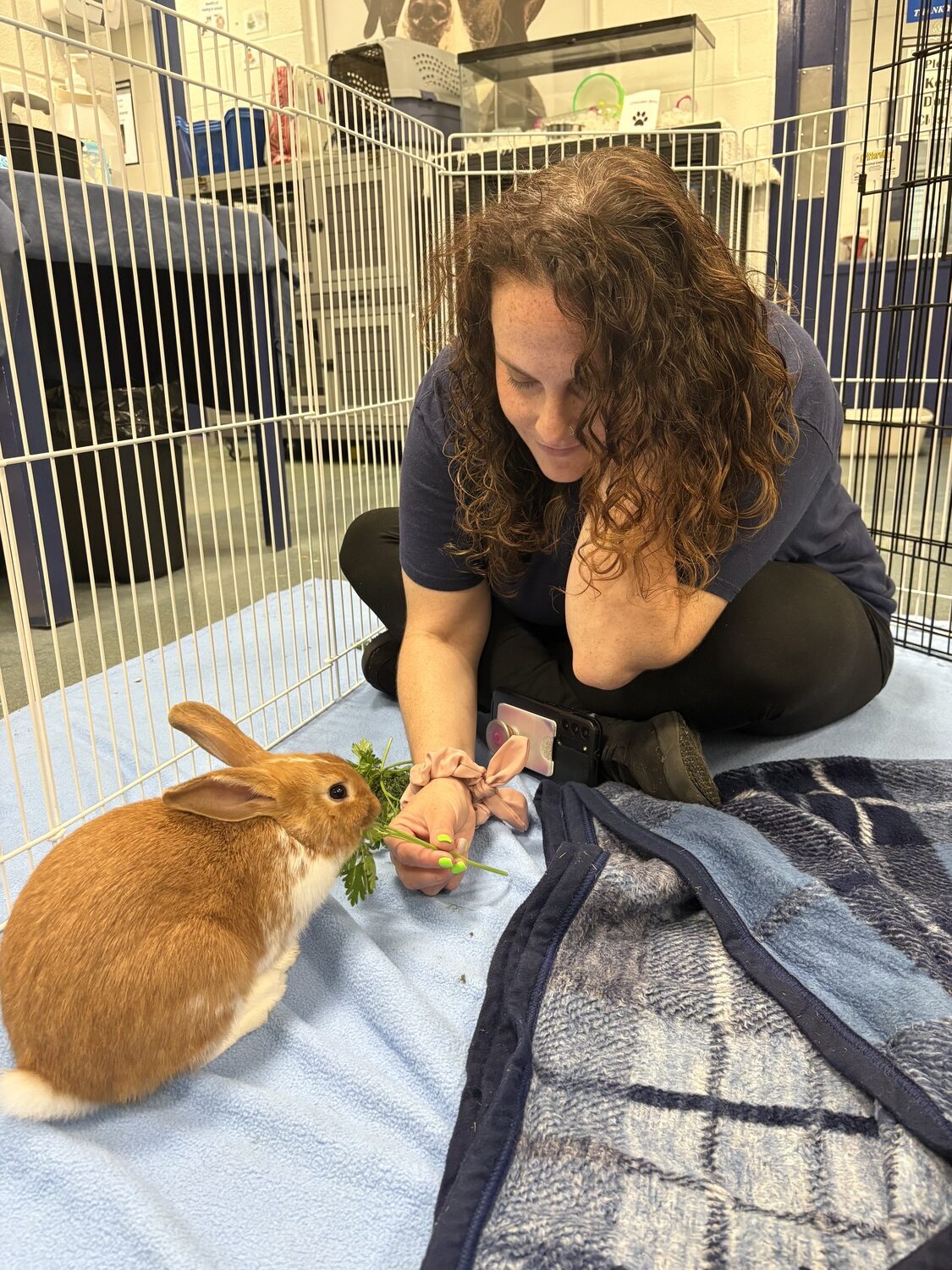
Krystin Koerner, the community outreach coordinator at the Southampton Animal Shelter Foundation, is a bunny care expert and works with several different bunny rescue organizations. Here, she's interacting with Mentos, one of several bunnies available for adoption. CAILIN RILEY
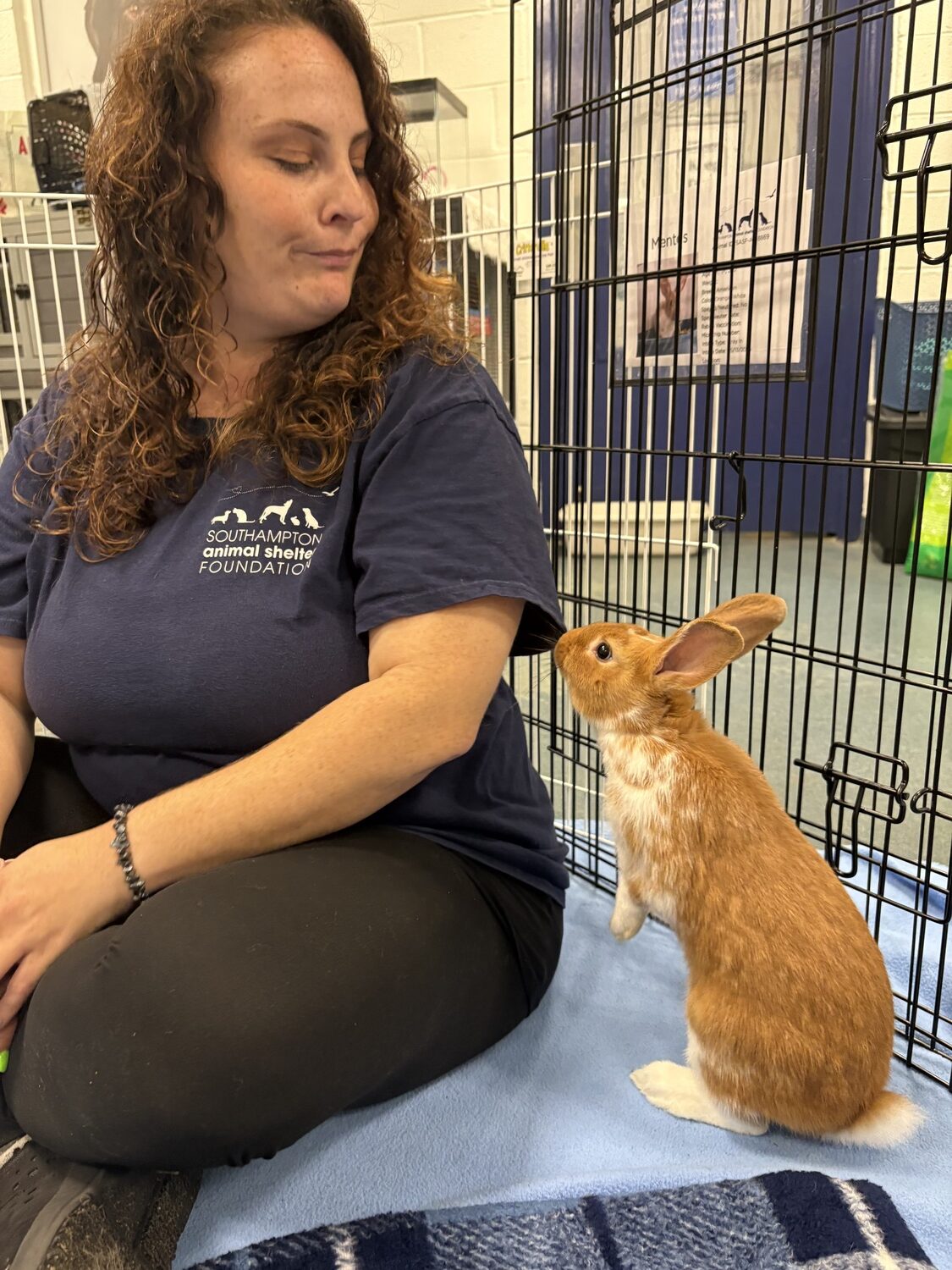
Krystin Koerner, the community outreach coordinator at the Southampton Animal Shelter Foundation, is a bunny care expert and works with several different bunny rescue organizations. Here, she's interacting with Mentos, one of several bunnies available for adoption. CAILIN RILEY
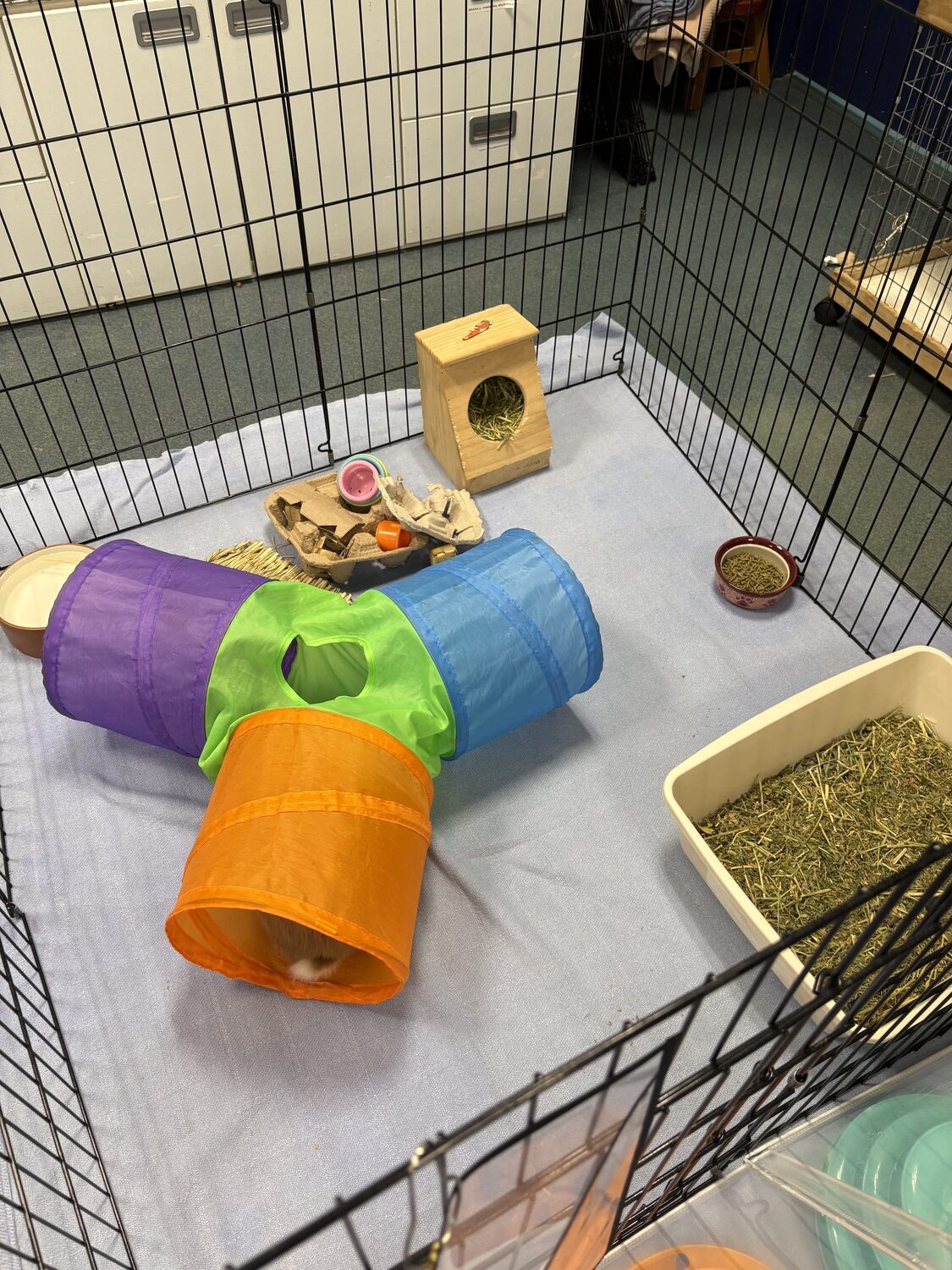
A proper bunny living space gives them room to stretch their legs, access to hay all day and water, and enrichment in the form of tunnels, toys and boxes they can chew on. CAILIN RILEY
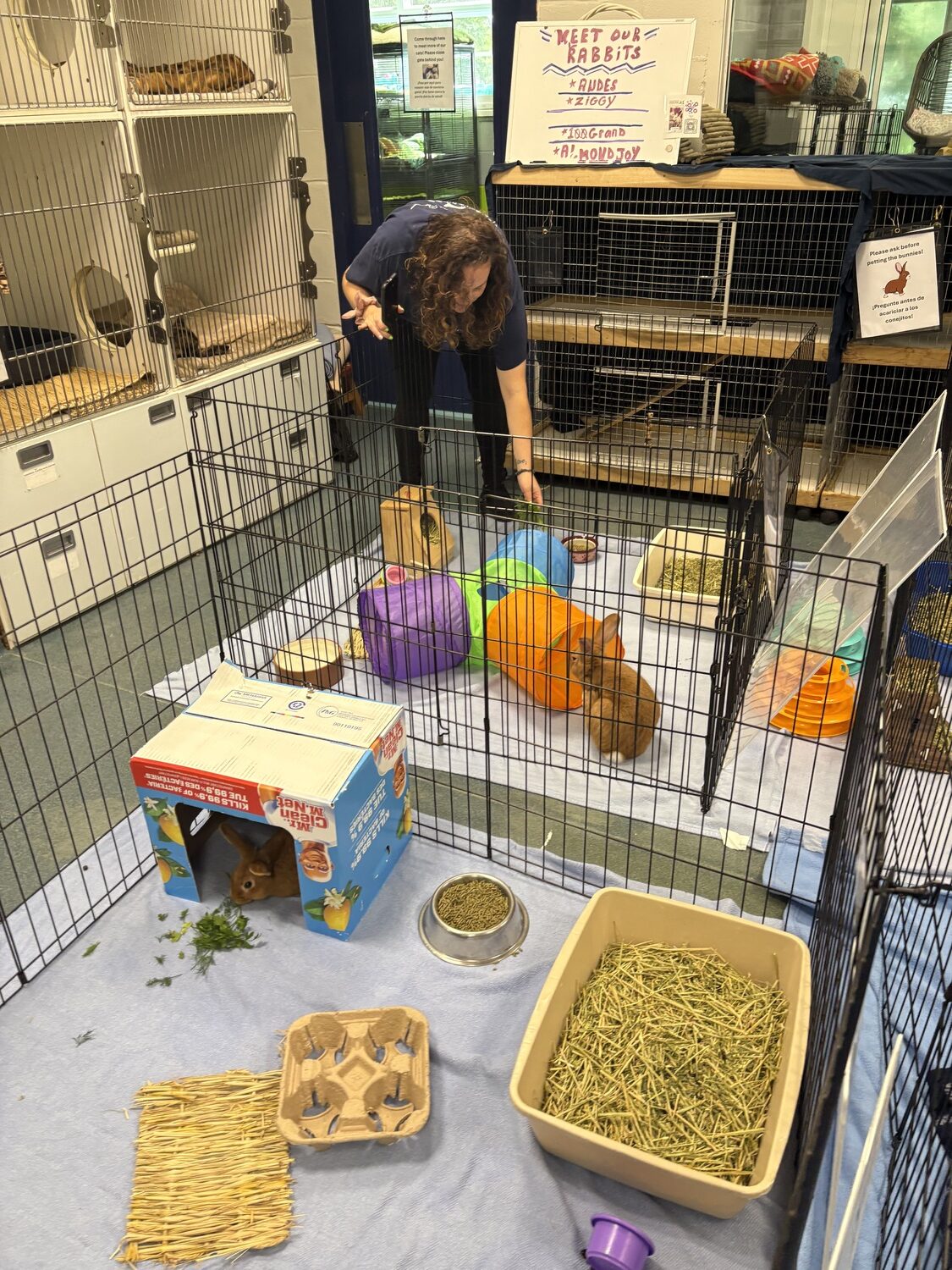
Krystin Koerner, the community outreach coordinator at the Southampton Animal Shelter Foundation, is a bunny care expert and works with several different bunny rescue organizations. CAILIN RILEY
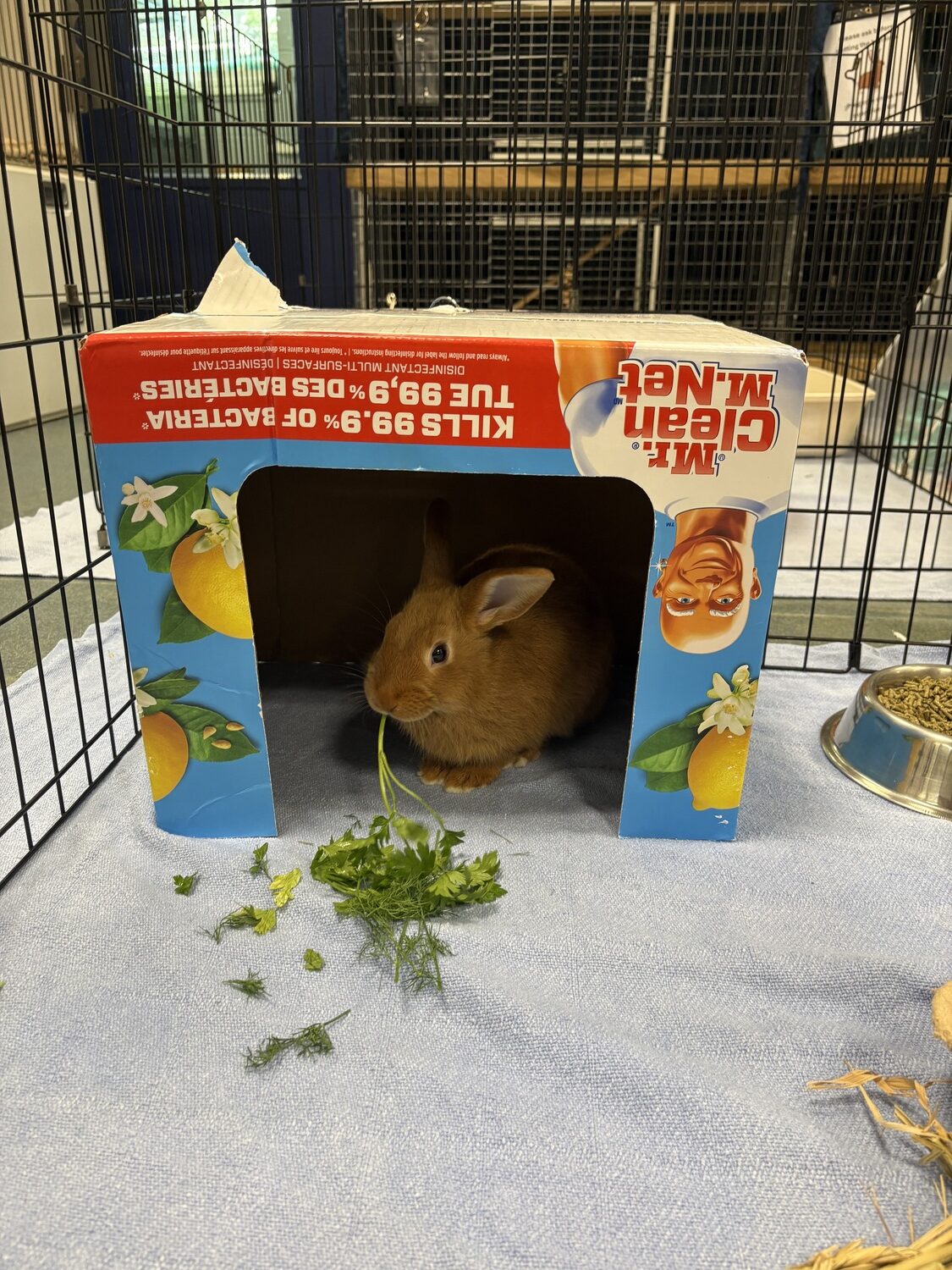
Recyclable materials like cardboard boxes can be reused in bunny habitats. CAILIN RILEY
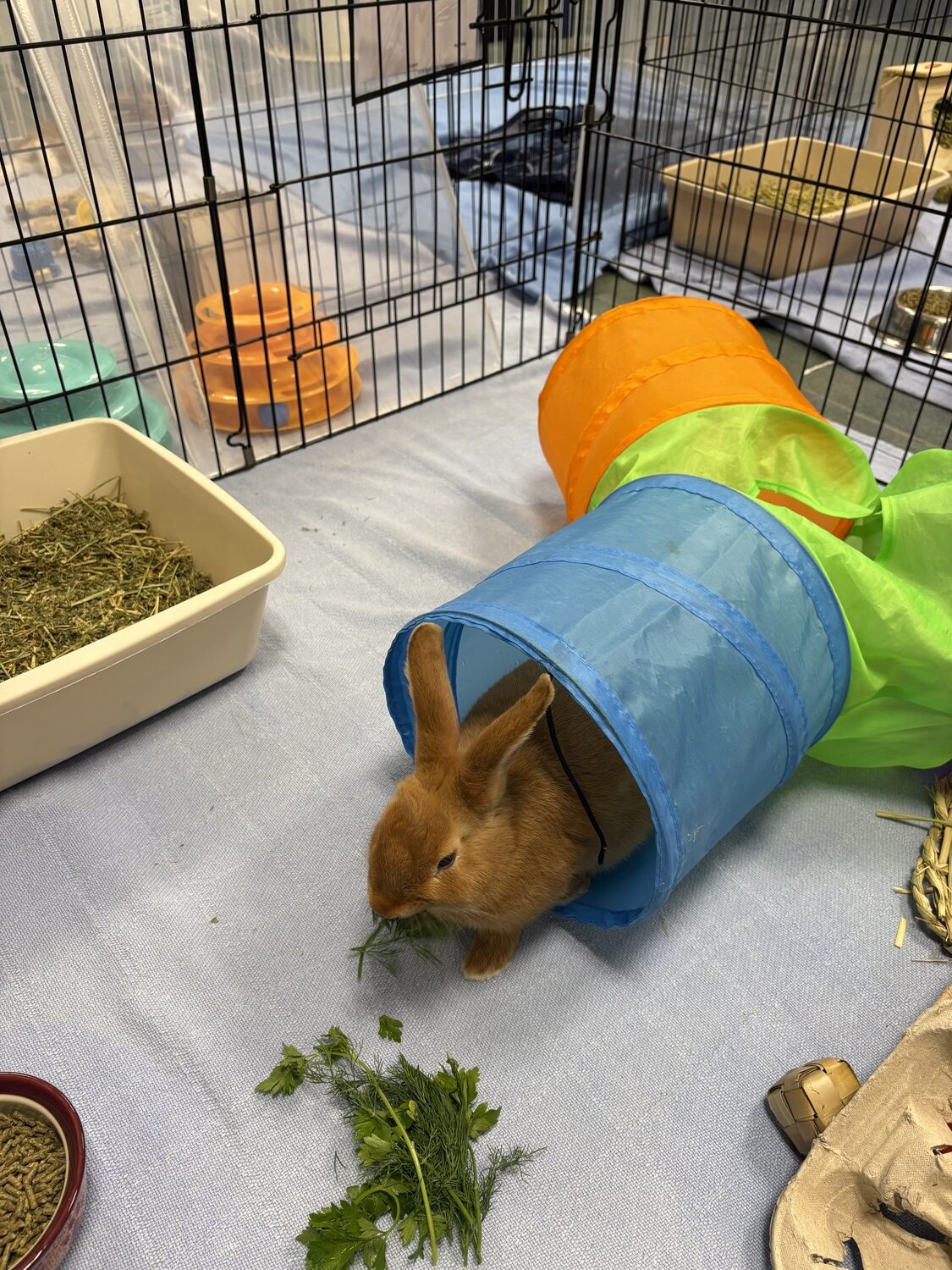
Bunnies, like youngster Tic Tac, enjoy tunnels and other stimulating activities to keep them busy. CAILIN RILEY
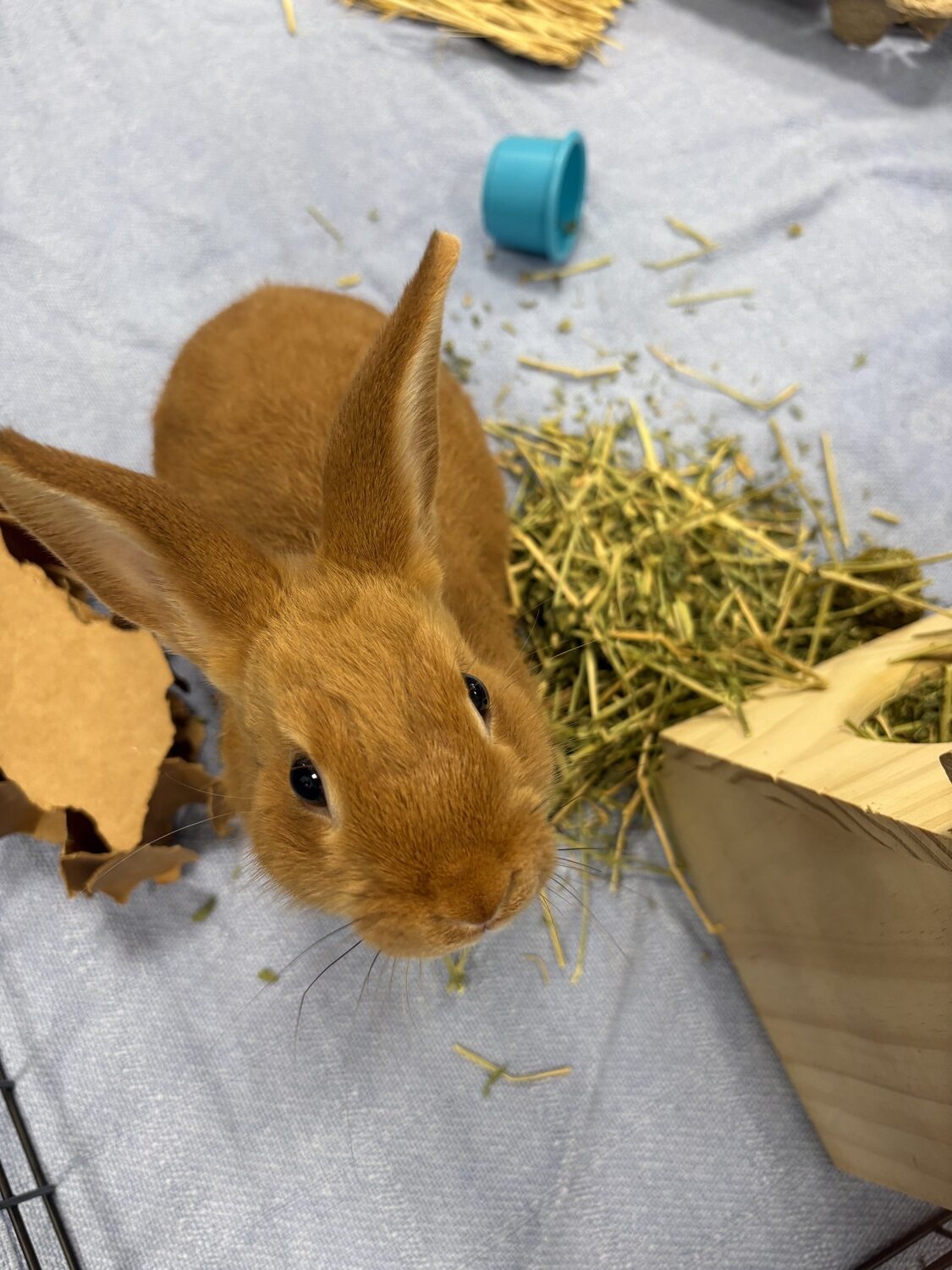
Andes is one of three young bunnies available for adoption at the Southampton Animal Shelter Foundation. CAILIN RILEY
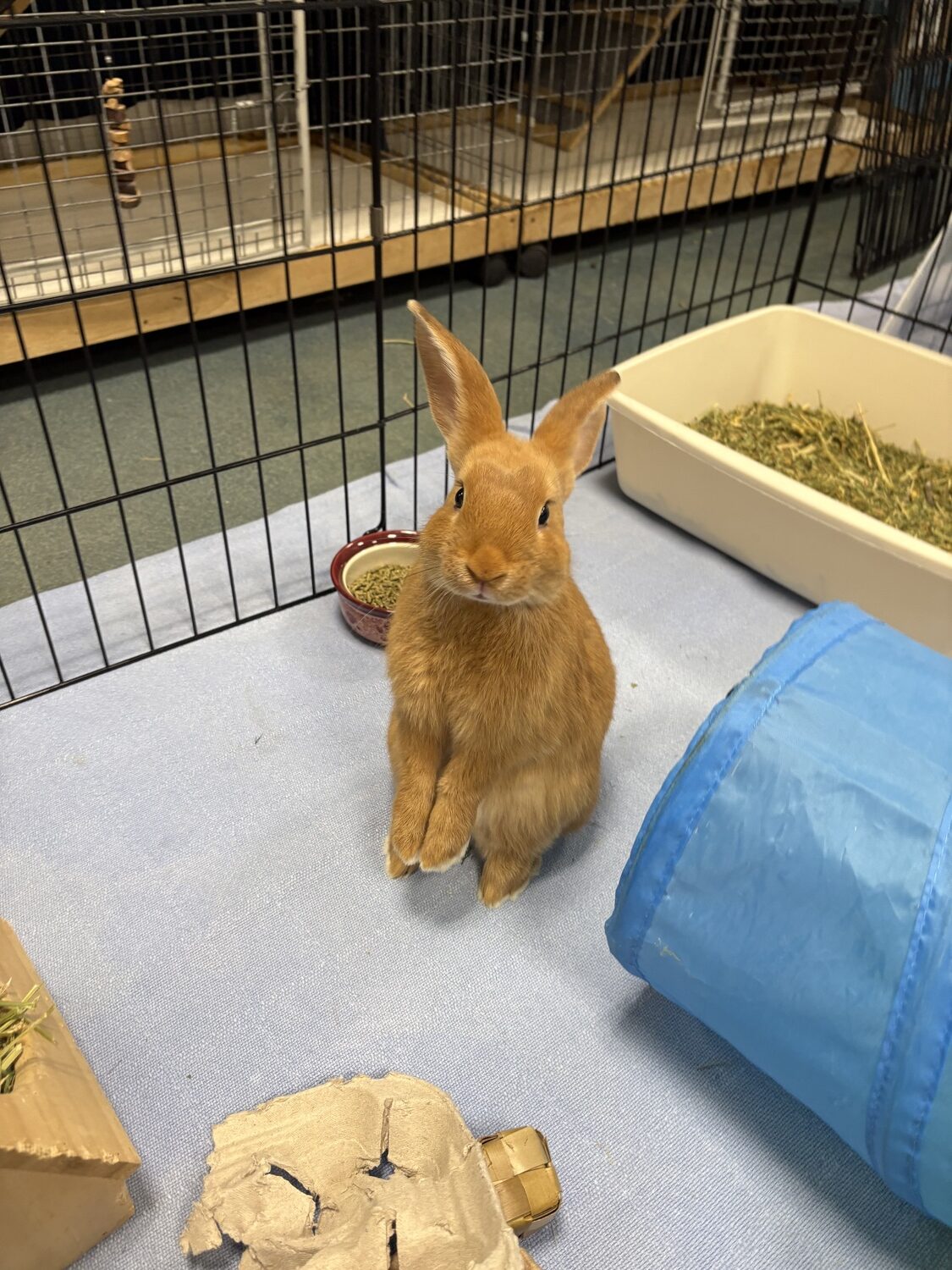
Tic Tac goes into periscope position to get a better view of the surroundings. CAILIN RILEY
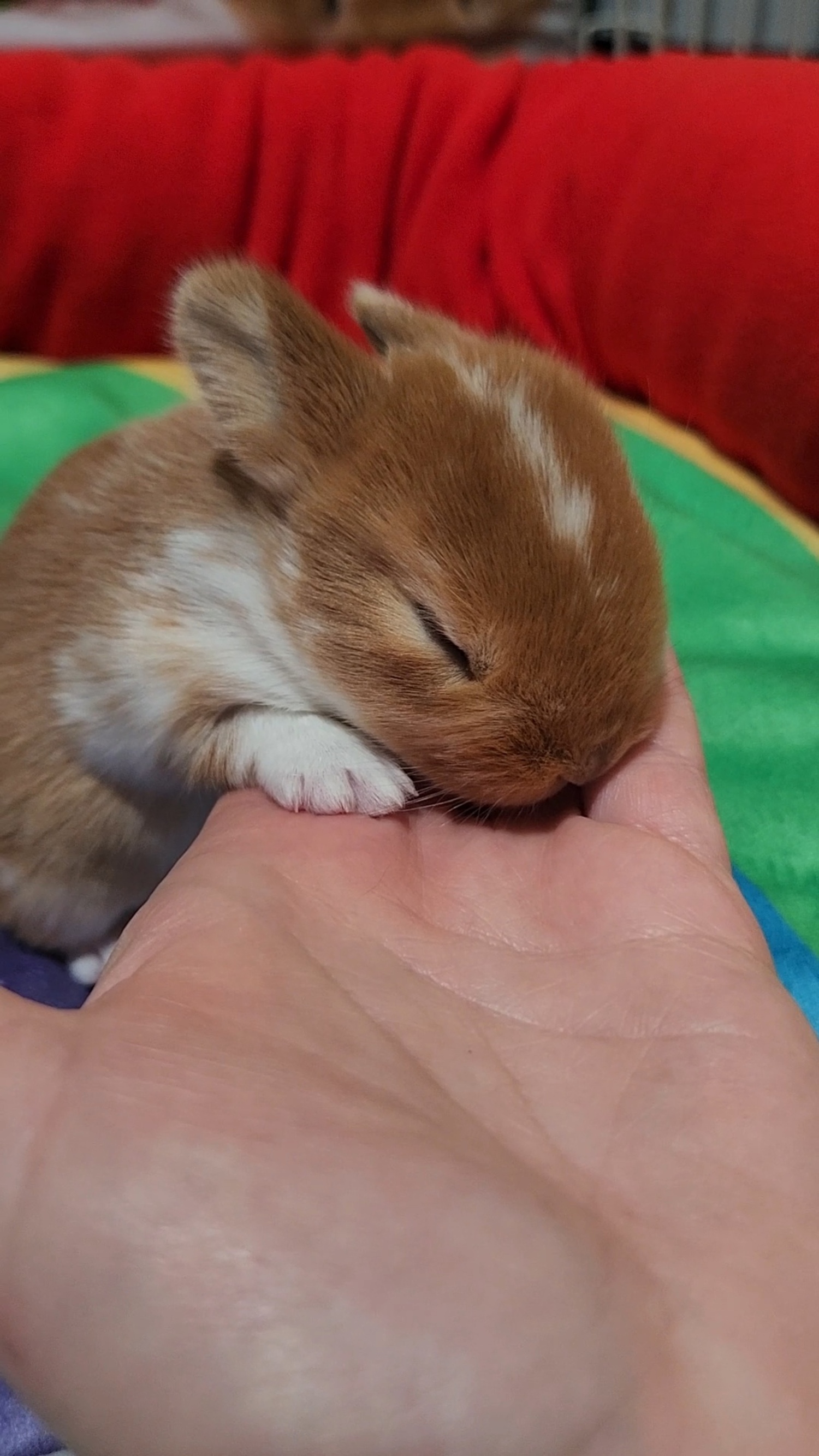
Baby Mentos. COURTESY KRYSTIN KOERNER

Three of the bunnies at the shelter, shortly after they were born. COURTESY KRYSTIN KOERNER
Over the years, common knowledge and accepted ideas about the best ways to care for common household pets like dogs and cats have evolved. Practices that were once considered acceptable — dogs living outside 24/7, cats being declawed — are now widely understood to be outdated.
But there is one animal that still suffers under the weight of misconceptions: the bunny.
While rabbits are not quite as ubiquitous in family homes as dogs and cats, and are technically classified as “exotic” pets, they are not as rare as some other pets. But ideas about the best ways to care for them and provide them with the kinds of food and living environments they need to thrive, have not advanced in the ways they should.
Krystin Koerner is trying to change that.
Koerner is the community outreach coordinator for the Southampton Animal Shelter Foundation, dedicating much of her time and energy to making life better for all kinds of animals who are looking for their forever homes. But for much of her life, she’s had a soft spot for bunnies.
She got her first rabbit almost 10 years ago, and almost immediately got involved with rabbit rescue, quickly learning about the kind of care rabbits need, and the reasons why they are so frequently abandoned or given up to shelters.
Her love of rabbits and understanding of what they need to thrive and be loving, enjoyable pets actually led to her joining the staff at the foundation. Several years ago, the shelter received a rabbit that, overnight, had given birth to eight babies. Because none of the shelter workers or volunteers at that time was an expert in bunny care, they reached out to several local rescue organizations, and connected with Koerner. She fostered the mom and babies, and was responsible for much of their care, and ultimately helped the babies find their forever homes.
“I started coming to the shelter doing little photo shoots of the bunnies, trimming their nails, grooming them, doing Bunny 101 basically,” she said earlier this week. “Then I ended up putting in an application to work here — and here I am.”
The shelter recently had an influx of bunnies that had escaped from the home of a Southampton Town resident who had been keeping nearly 20 of them in an outdoor living space. Several neighbors rescued more than 10 bunnies that had escaped and brought them to the shelter.
Two of the bunnies, shortly after arriving at the shelter, gave birth, which led to a total of six new baby bunnies.
Koerner fostered the mothers and the babies at home for several weeks before taking the babies back to the shelter. Some have already been adopted, but earlier this week, three of the babies — Mentos, Andes and Tic Tac — happily hopped around their enclosures, eating hay and fresh herbs, chewing on cardboard boxes, and running in and out of brightly colored tunnels.
According to Koerner, bunnies are the third-most-surrendered animal, due mainly to misunderstandings about their needs, impulsive purchases, particularly around the Easter holiday, and a lack of education on how to care for them.
Many people don’t realize that bunnies have a lifespan of 8 to 12 years, sometimes longer, and are not as low maintenance as people may think.
One of the biggest misconceptions is that they can and should live outdoors, or exclusively in a cage or hutch. Neither is true, says Koerner.
Domesticated rabbits, unlike wild rabbits, do not have the proper adaptations to live outdoors, like longer legs, larger ears and camouflaged fur. Temperature fluctuations, the high number of predators that can get to them even if they are in what seems like a secure cage, and the risk of disease from insects are all threats to their survival.
Keeping them in cages or enclosures that are too small leads to boredom and stress, as well as becoming territorial in their space. Using an Xpen gives them space to hop around, be able to stretch out and feel safe.
When confined and under-stimulated, rabbits may act out or develop health problems — prompting surrender. Also, not spaying and neutering a rabbit can lead to unwanted behaviors. Fixed rabbits are less territorial and less aggressive, and the procedure also reduces the risk of cancer.
There are misconceptions about how rabbits will behave, which Koerner said can be a problem. Many people expect rabbits to behave like cats or dogs — to be cuddly, always calm and easy to train. They can be all of those things, she said, if they are given the time and love to learn those things, as well as being fixed.
“Rabbits are prey animals,” she said. “They may be shy, dislike being held and need time to trust. Once trust is built, they can be super social.”
Many of their natural behaviors, like chewing, digging and thumping, can surprise new owners, which is why bunny-proofing, and providing enrichment, is so important.
One benefit is that rabbits can be litter box-trained, and once trained, which isn’t a difficult task, they will be fairly diligent about using the litter box, especially when they are fixed/neutered. Many bunny owners who litter train their rabbits allow them to have free run of the house, like a cat.
One common conception about rabbits — that they are prolific breeders — is true, and often contributes to them being surrendered to shelters. Female rabbits have two uterine horns, which allows them to carry two litters at once. A female rabbit could conceivably become pregnant just an hour after giving birth, and their gestation period is anywhere from 20 to 31 days. Two female rabbits and one male can produce 50 rabbits per year, Koerner said.
Another issue that has compounded the problem of so many rabbits ending up at shelters are recent changes to the law that prevent bunnies from being sold in pet stores. Koerner said that has led to many breeders simply dumping their litters at animal shelters.
Koerner added that even well-known pet stores have failed to shed the incorrect notions about proper rabbit care and feeding.
“The majority of the things in pet stores aren’t safe for rabbits,” she said. “There are treats and toys with ingredients that can kill them. They’re still stuck in the old school mentality of breeding and meat raising. Many of those products are still on the market.”
Certain vegetables, like carrots, are actually unhealthy for rabbits, mainly because of the high sugar content. Other vegetables can make them gassy and lead to digestive issues.
For people who are considering adopting a bunny, or have a bunny but maybe feel like they don’t have the proper education when it comes to caring for them, Koerner and the Southampton Animal Shelter Foundation are ready, willing and eager to help. Koerner does bunny education classes at the shelter, to help owners and potential adopters and foster parents understand all the aspects of their diet, living setup and more. The shelter provides supplies for those who volunteer to foster as well.


 Cailin Riley on Jul 12, 2025