


 10 Photos
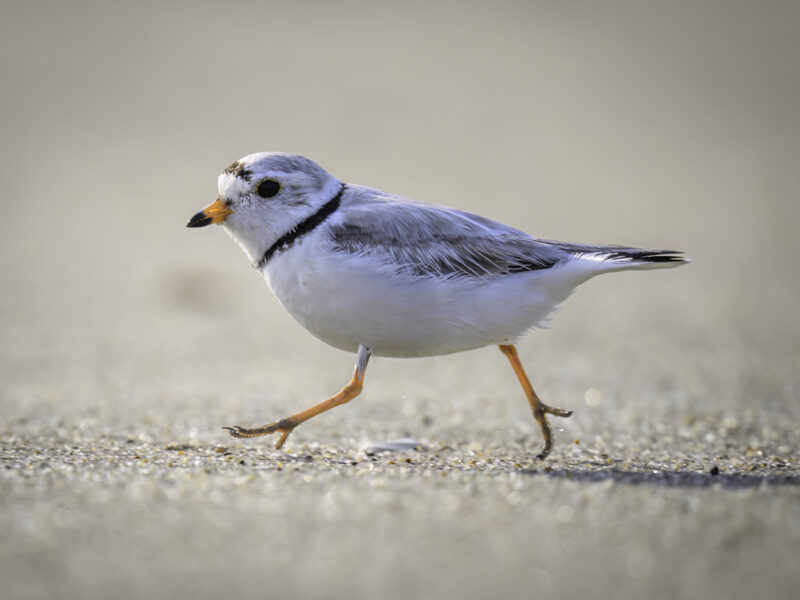
A piping plover at Mecox Inlet in search of food. MARIANNE BARNETT
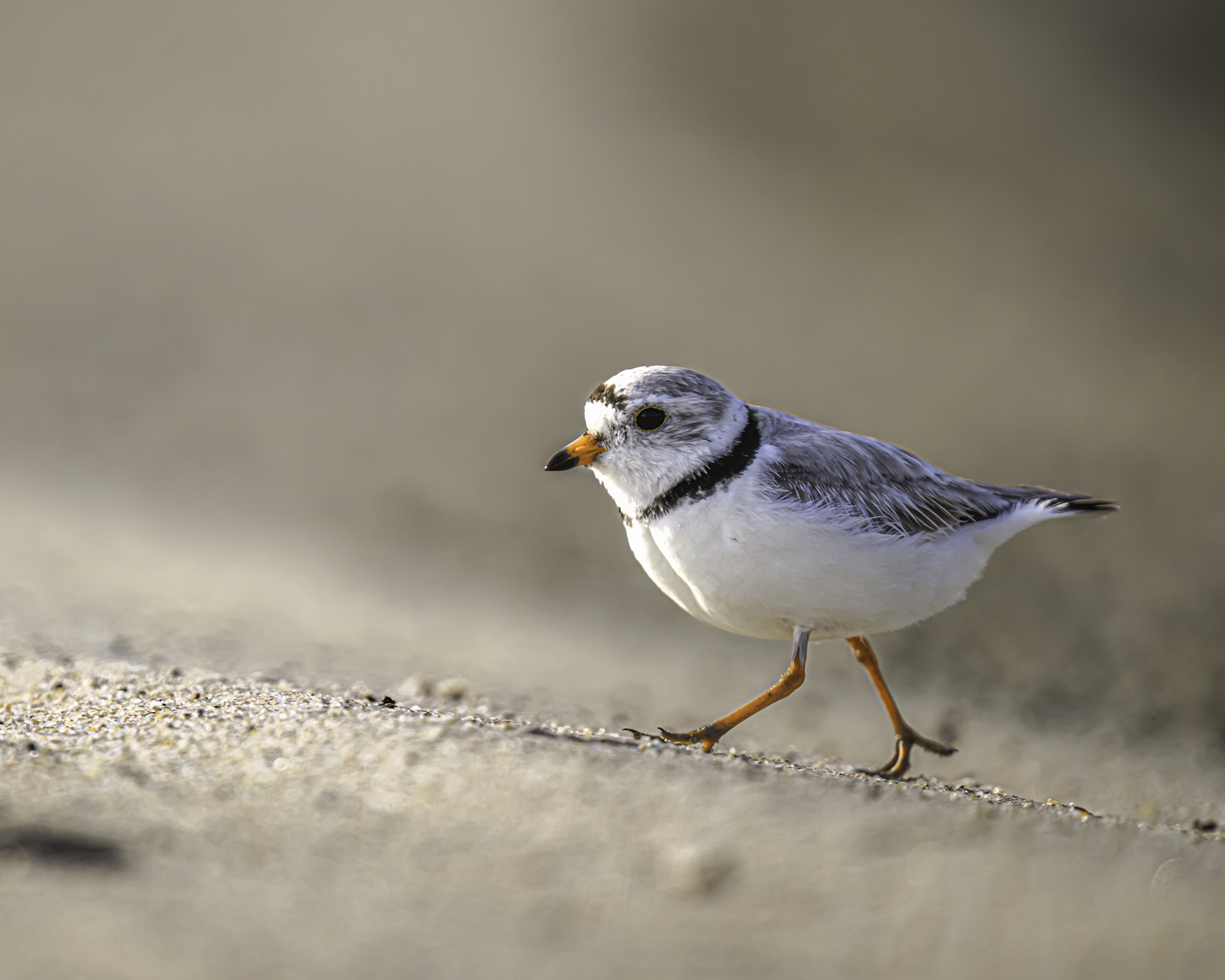
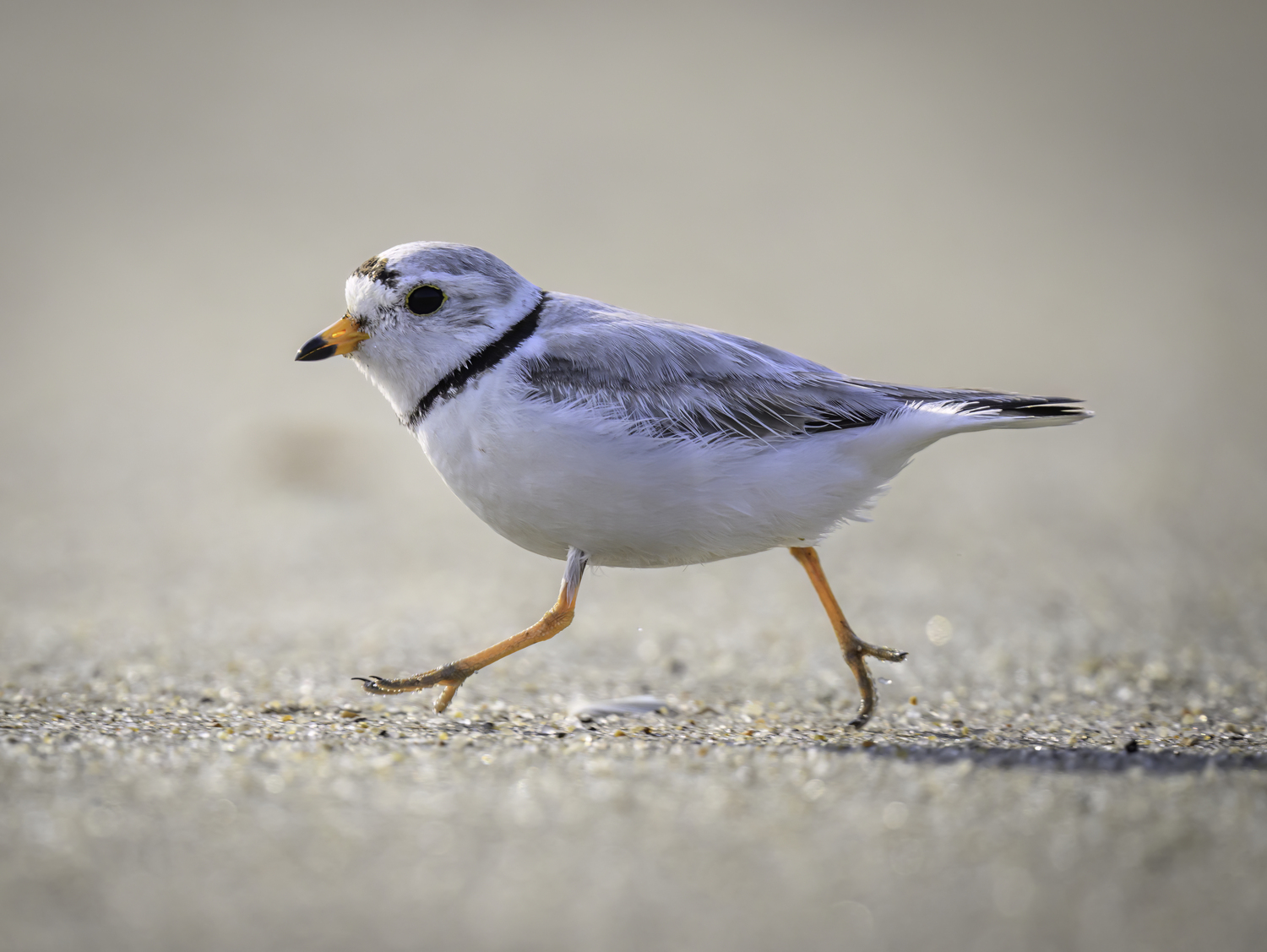
A piping plover at Mecox Inlet. MARIANNE BARNETT
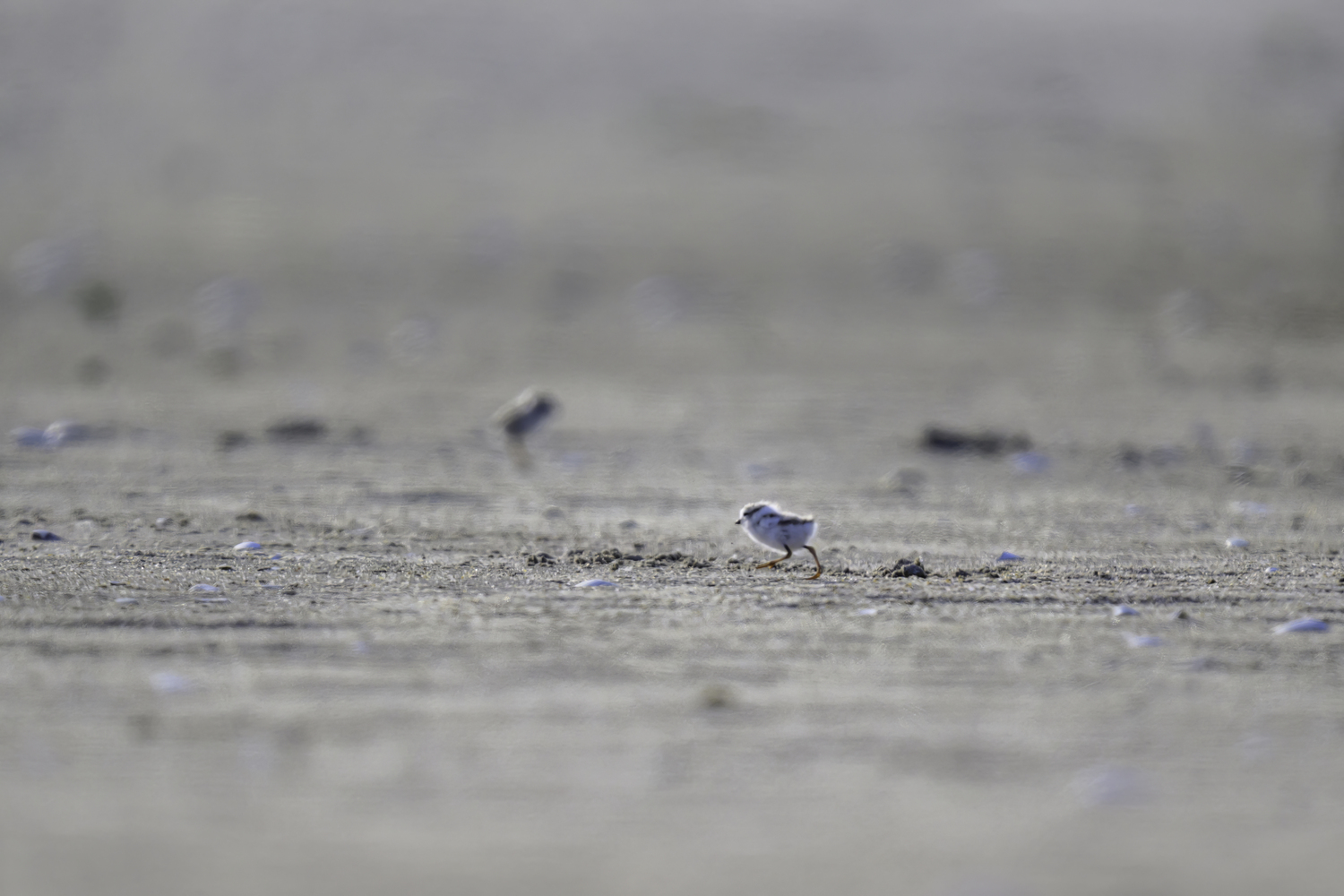
A piping plover chick on the run at Mecox Inlet. MARIANNE BARNETT
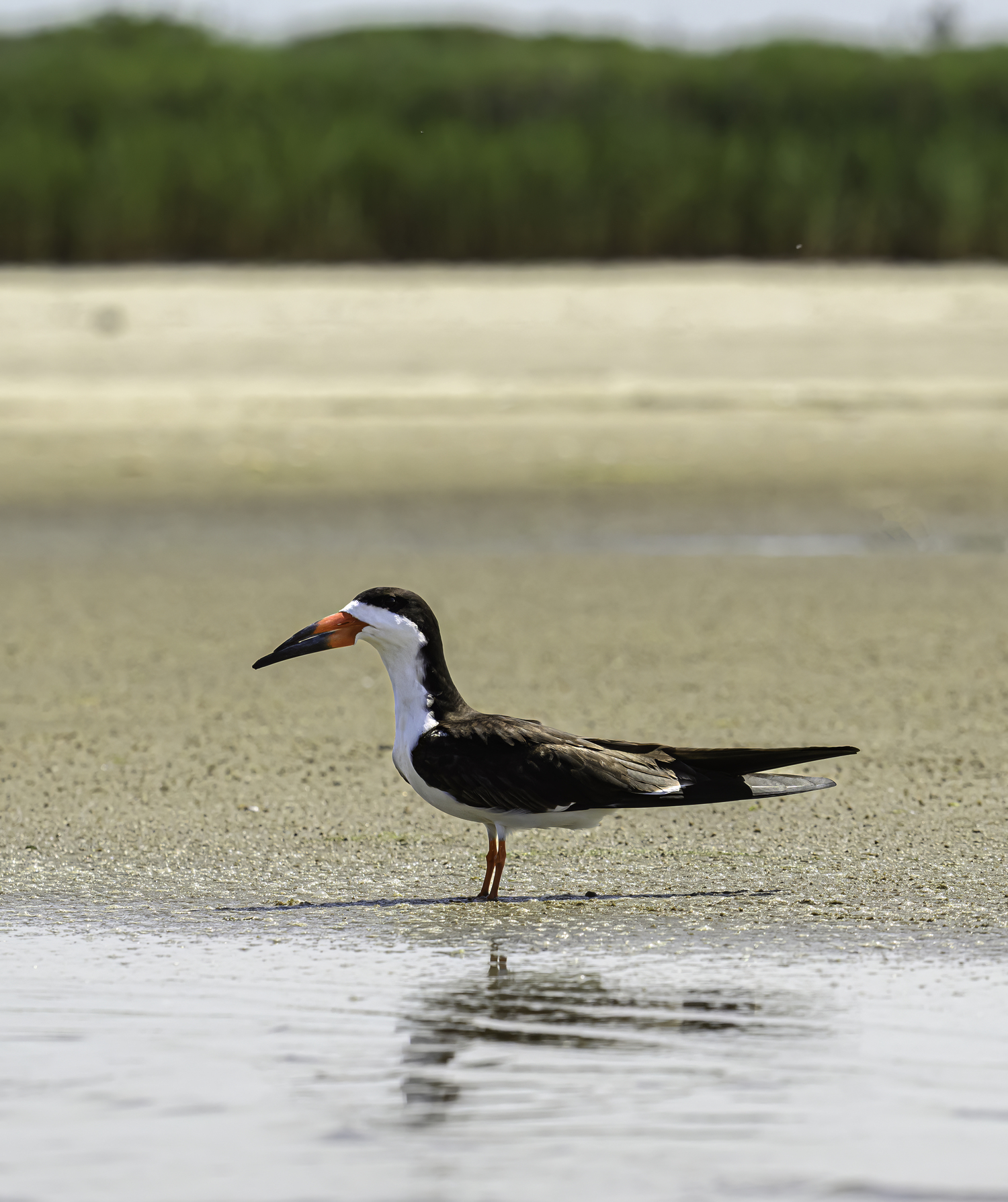
A black skimmer at Sagaponack Pond. MARIANNE BARNETT
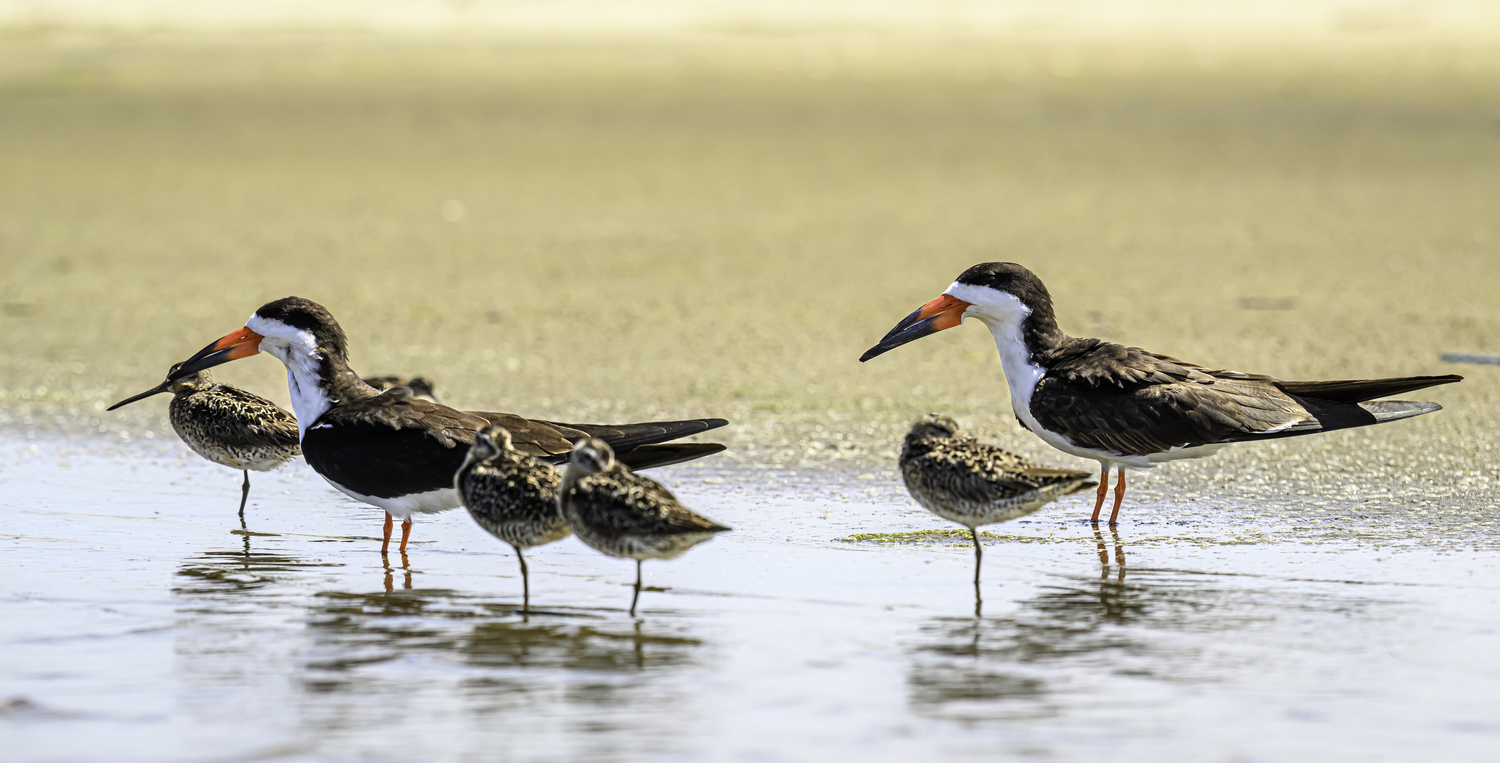
A pair of black skimmers hanging out with short-billed dowitchers. MARIANNE BARNETT
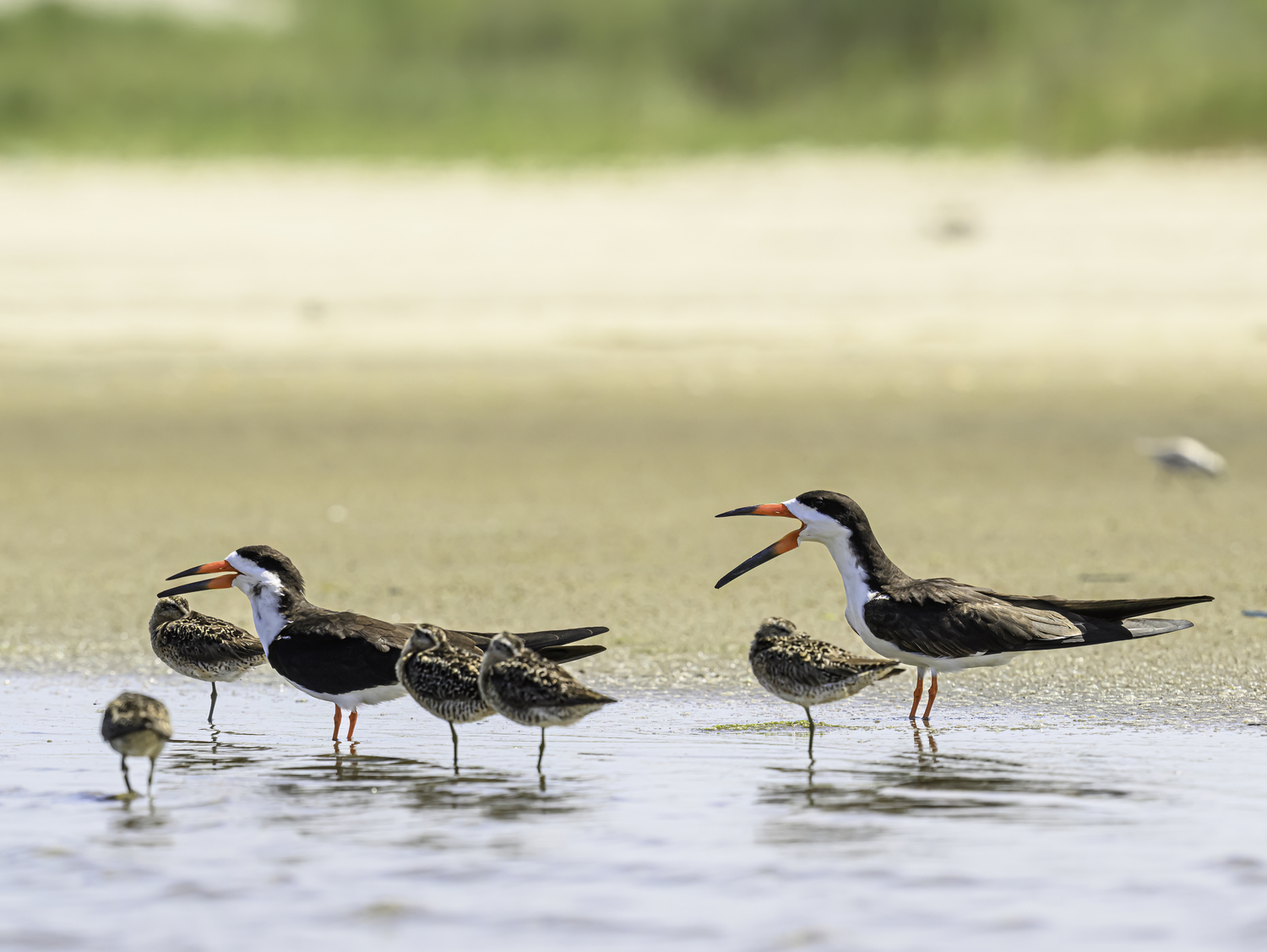
Black skimmers making their barking-type call. MARIANNE BARNETT
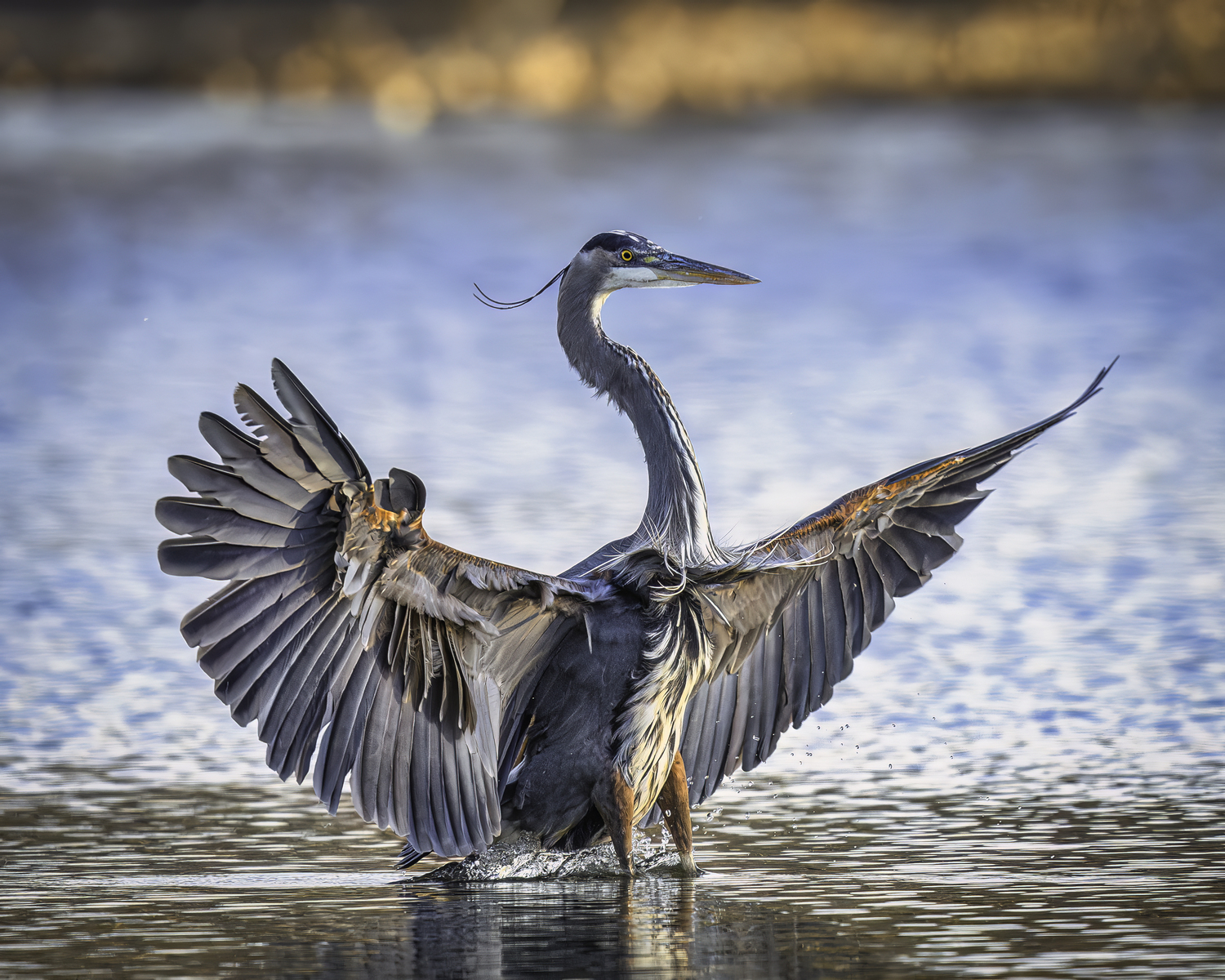
A blue heron landing showing off its plumage that was used for ladies hats in the early part of the century. MARIANNE BARNETT
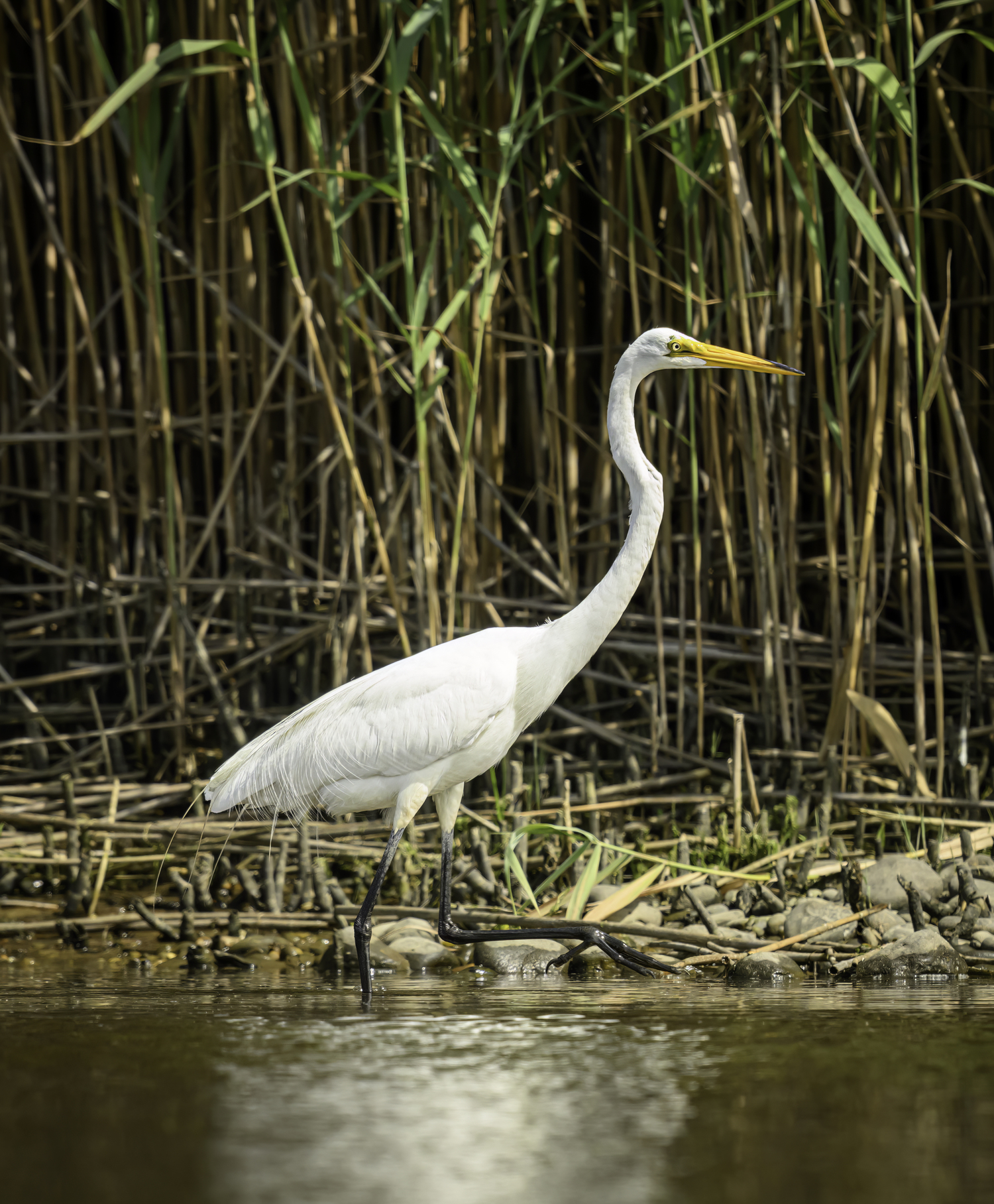
Great egrets on Sagaponack Pond were hunted widely for their plumage in the early part of the century for decoration of ladies hats. MARIANNE BARNETT
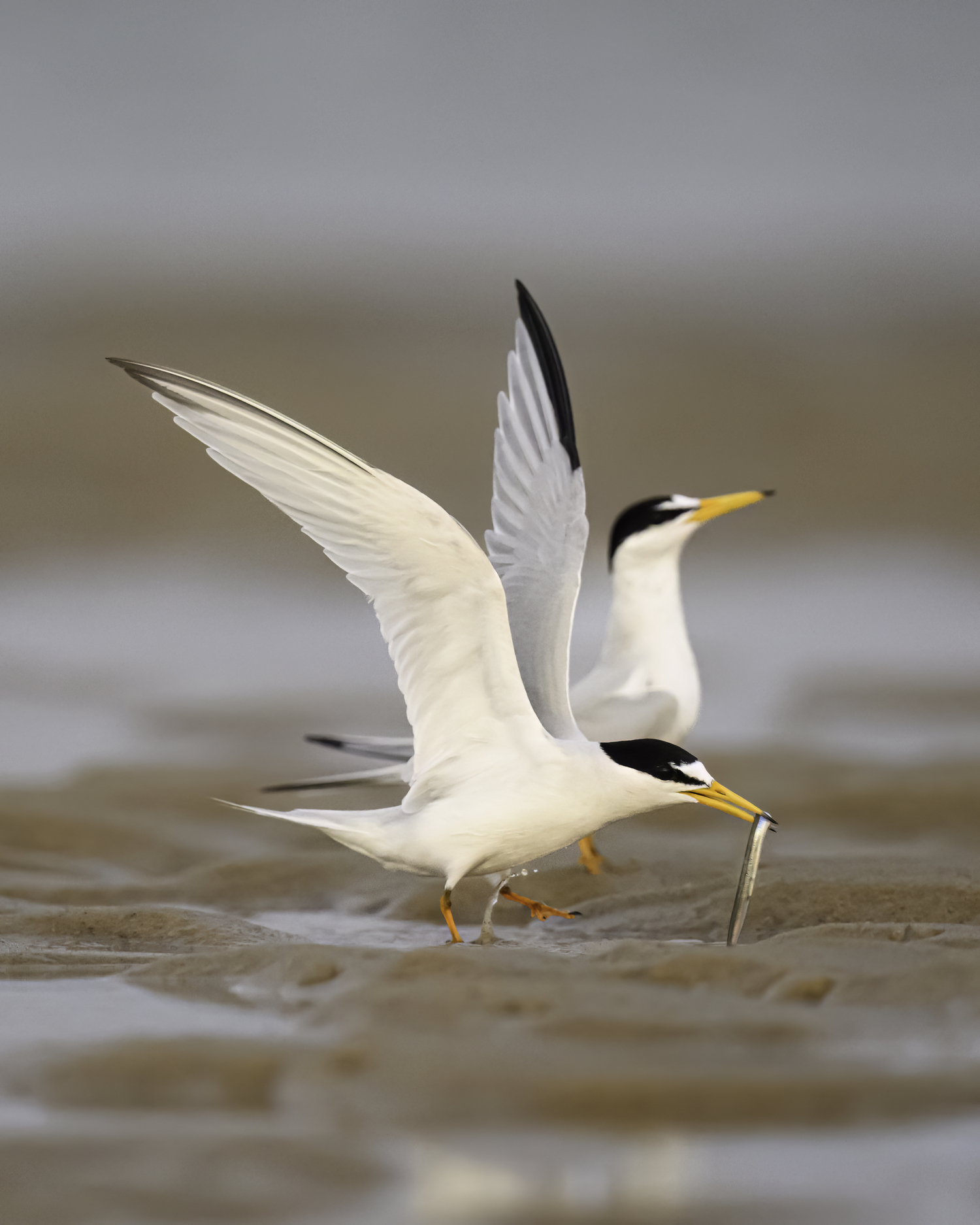
A mated pair of least terns at Mecox Inlet in July. MARIANNE BARNETT
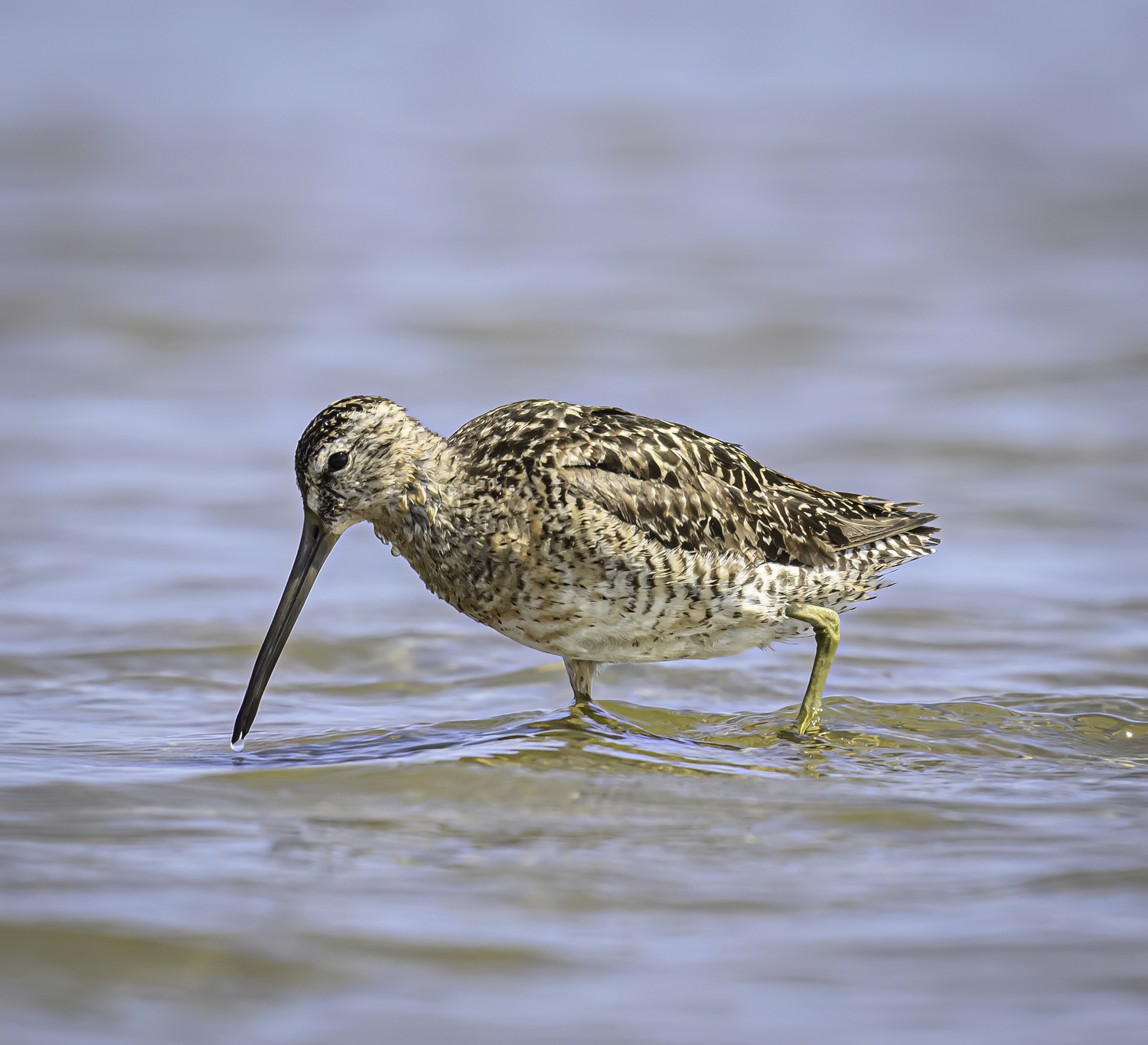
A short-billed dowitcher eating invertebrates in Sagaponack Pond. MARIANNE BARNETT

By now, we all know the fate of the annual Montauk fireworks show that was scheduled for the Fourth of July.
According to Kim Shaw, East Hampton Town environmental planning director, the piping plovers hadn’t been seen for some time in Montauk. However, a nesting plover was discovered the day of the fireworks show, near the fireworks launch site. Due to mandated compliance with the federal and New York State endangered status of the plovers, they really didn’t have a choice — the show must not go on. Much to the disappointment of all the people who had plans to attend.
Could this possibly have been an act of revenge for what mankind has done to the plovers?
In the late 19th and early 20th century, these plucky little shorebirds were hunted to near extinction, all for fashion. Yes, ladies hats with plover feathers were highly fashionable.
Plovers were not the only birds that were hunted for their feathers. Great egrets, snowy egrets, blue herons and white ibis were sought out for their plumes to satisfy ladies of high society and their hats.
Thanks to the Migratory Bird Treaty Act of 1918, hunting, selling or possession of these birds was outlawed. Several of the species included in this act are often seen on our local shores and ponds when seasonally migrating. Our Long Island beaches and wetlands are a popular stopover site for migrating shorebirds.
After the act passed, the plover population began to recover for the next decade. That was, until increased man-made shoreline development occurred, resulting in habitat loss.
Today, challenges to their habitat have only increased.
Shoreline development, recreational beach activities, predation, shoreline erosion and rising temperatures are now the leading causes challenging the plovers’ existence. All of these reasons are primarily caused by humans, except for predation. Predators, such as raccoons, rats and foxes, are known to plunder the plovers and their nests. But these predators don’t like fireworks, either!
So we, the humans, own the plovers’ possible revenge for the canceled fireworks display.
Plovers aren’t the only local shorebirds whose habitats are declining. The least tern and the black skimmers have documented population declines and could be listed by federal and/or state agencies as endangered if the trend continues. We may be looking at more protections for these avian visitors as time goes on, if habitat loss continues.
On a few recent photography excursions to both Mecox Inlet and Sagaponack Pond, I was fortunate to see a few piping plovers, their chicks, a pair of least terns and a mated pair of black skimmers, among many other species of shorebirds. I toured Sagaponack Pond by kayak and was able to get fairly close to the black skimmers without disturbing their rest on the sandbar.
Black skimmers are listed in New York as a species of special concern, according to the New York State Department of Environmental Conservation. There are, on average, only 490 known pairs. Plovers and black skimmers are surveyed annually by the Long Island Colonial Waterbird and Piping Plover survey.
The DEC signage and cordoned-off areas indicate known nesting areas on our beaches. They are on just about every populated beach in the Hamptons area.
When you see these areas, whether or not you witness any birds, you should give them space. I often see dogs off leash, and adults and children running through these areas — and am saddened to see it. The survival of these birds is important to our marine life ecosystem.
Shorebirds are important for maintaining the balance of coastal environments. These birds feast on invertebrates and fertilize the mudflats and the ocean with their droppings. They play an important role in nourishing phytoplankton, which is the foundation of the ocean’s food chain.
They also can stop fireworks shows.
So the next time you see a tiny little fuzzball plover chick, pay your respects. Maybe in the future, we can celebrate the Fourth of July.
More Posts from Marianne Barnett


