



 7 Photos
Potential designs for the new town buildings. ARCADIS DESIGN

Potential designs for the new town buildings. ARCADIS DESIGN

Potential designs for the new town buildings. ARCADIS DESIGN
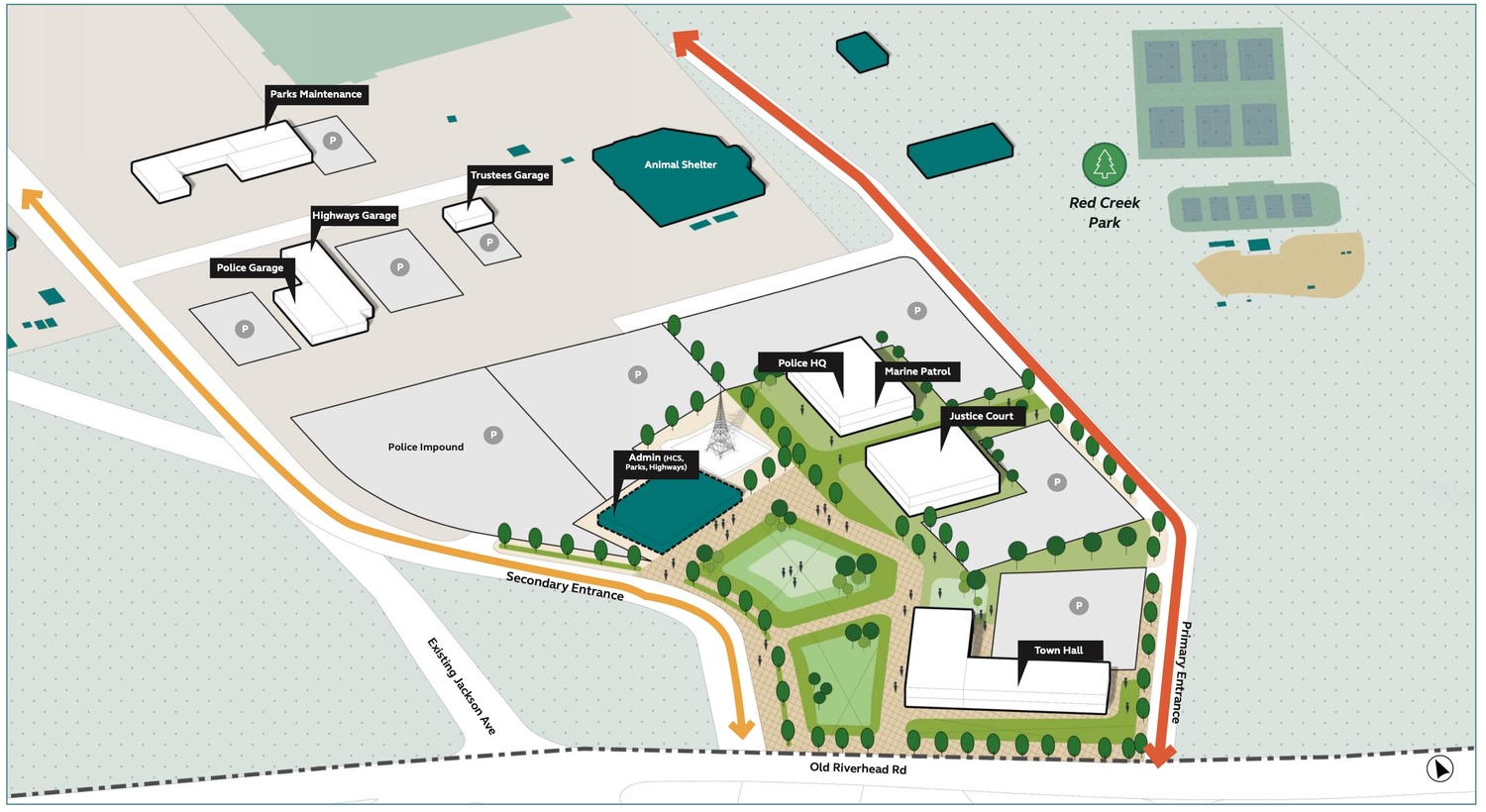
The proposed layout options for the new town administrative campus in Hampton Bays would be accessed from Old Riverhead Road instead of Jackson Avenue, like it is now. ARCADIS DESIGN
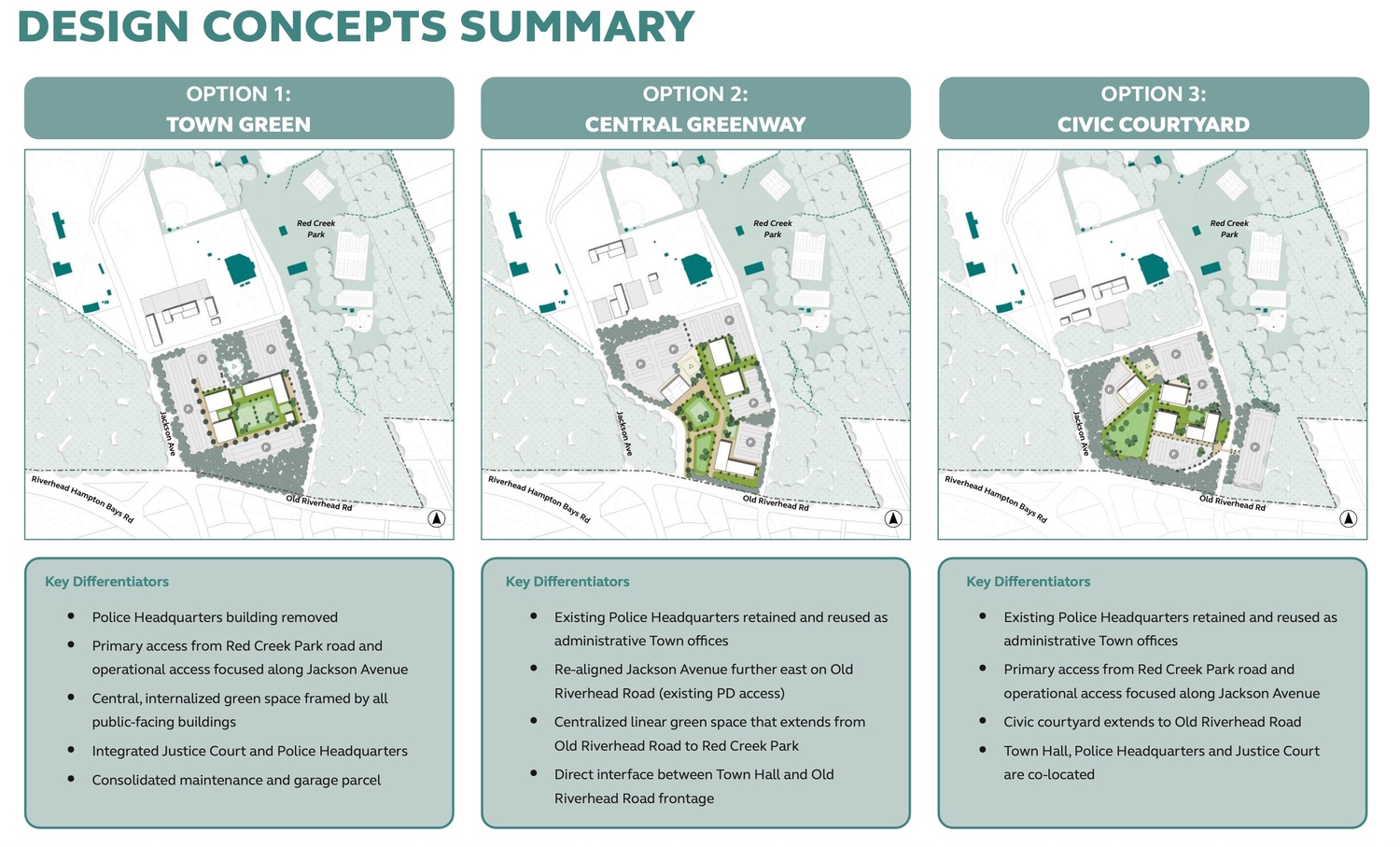
All five Town Board members said they preferred option B from among the possible layouts that architects presented for the new town administrative campus. ARCADIS DESIGN
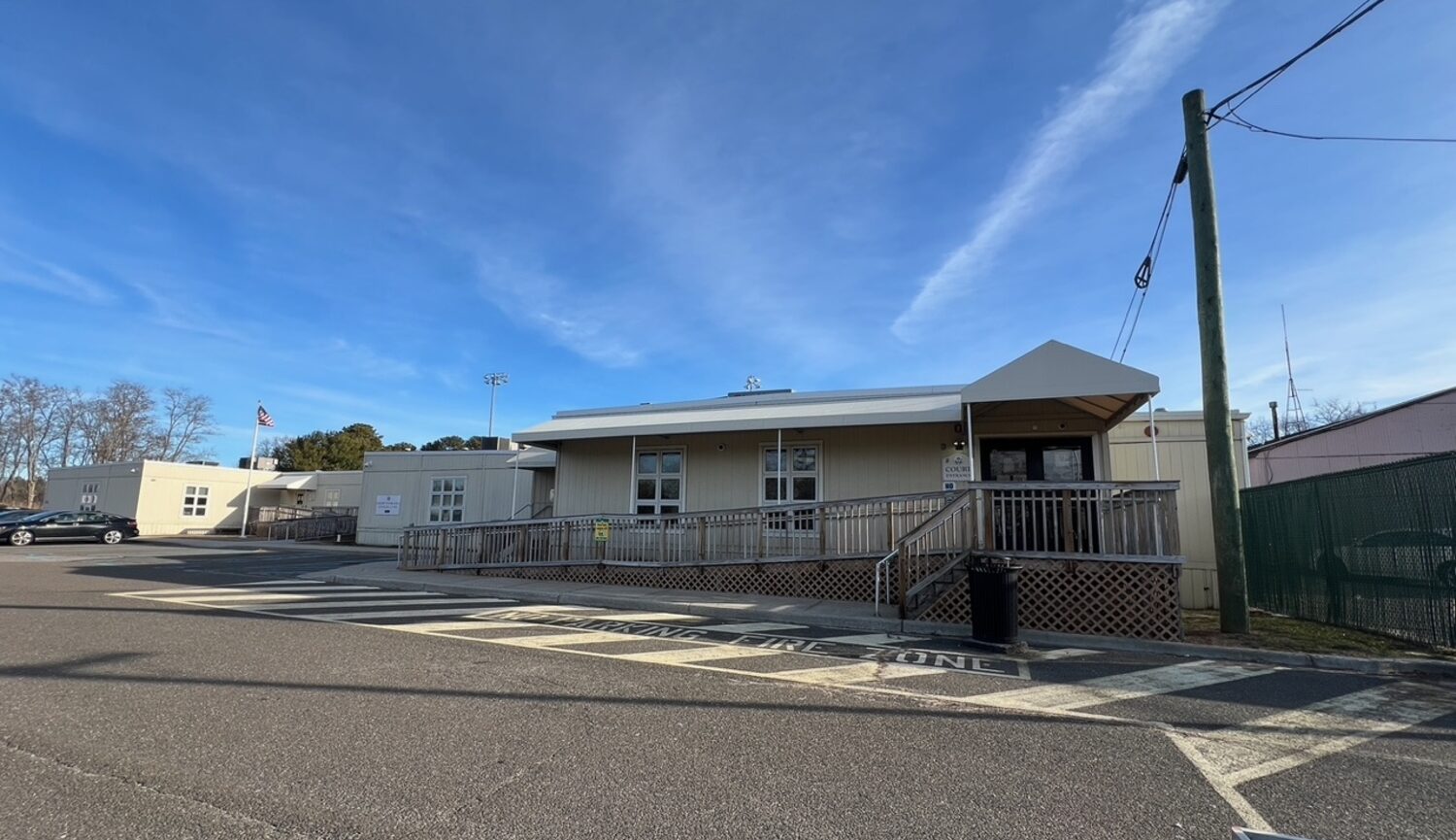
The Justice Court buildings, which are mobile-home style trailers, were intended to only be temporary when the court moved there in 2010. DANA SHAW
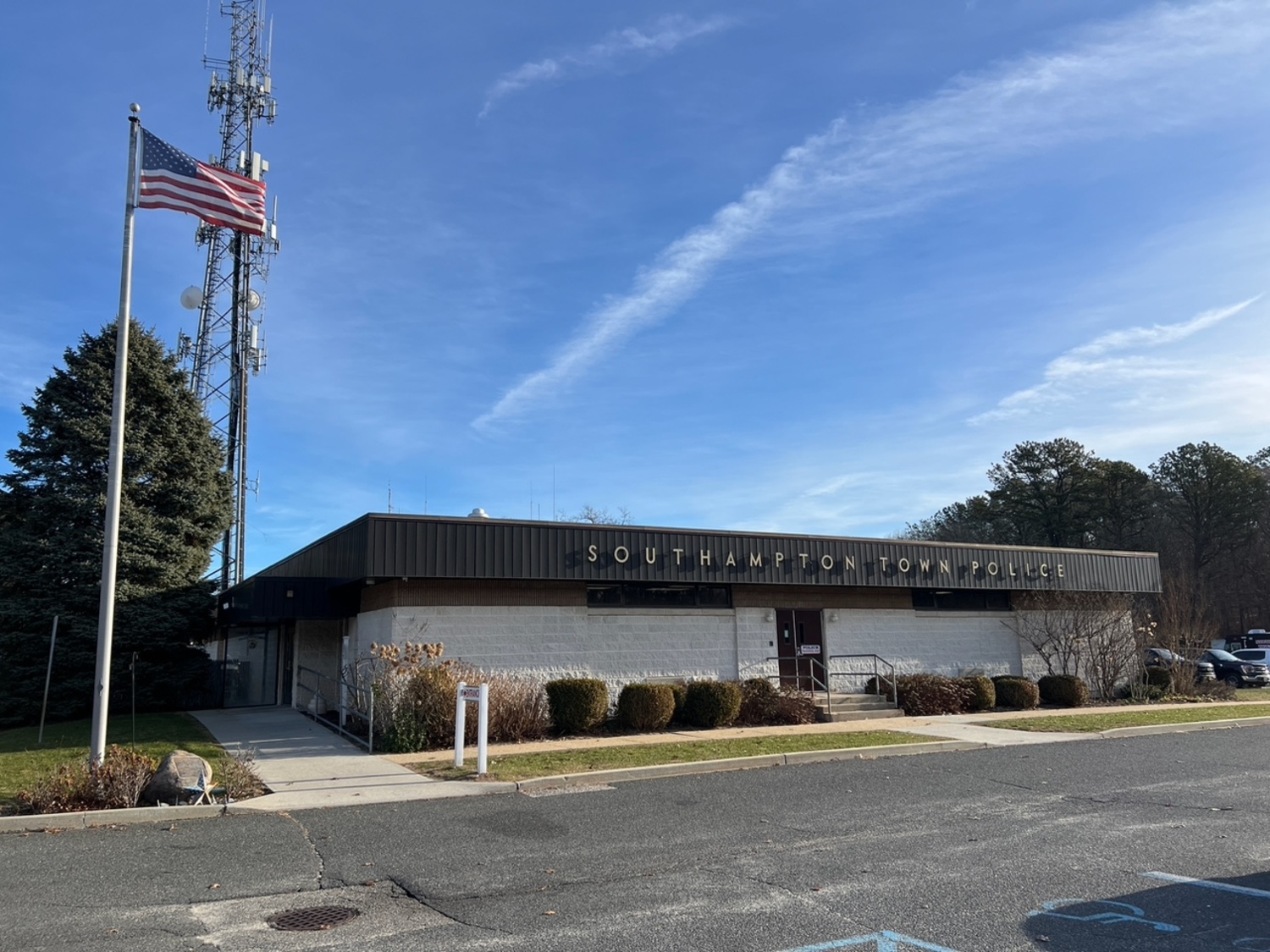
Engineers have suggested merging a new Southampton Town Police Department's headquarters and a new Justice Court into a "Justice Center" as the cornerstone of a sweeping redesign of the town's Jackson Avenue complex that could someday be the nexus of all town administrative offices. DANA SHAW
With an urgent need to replace the crumbling Southampton Town Justice Court buildings, engineering consultants have begun drafting a long-term master plan for upgrading other town facilities on Jackson Avenue in Hampton Bays and, eventually, moving most town offices there.
The town has talked for decades about moving the bulk of its administration to Hampton Bays, but has never advanced the ball because of the daunting costs and logistics of decamping from the current Town Hall building in Southampton Village.
But as it plans how to relocate the court — which has been housed for more than 15 years in what were supposed to be temporary trailer buildings — and the headquarters for the Southampton Town Police Department, the town has the opportunity to reimagine the Jackson Avenue complex in a way that would allow it to use the new court building and police station as the jumping-off point to start consolidating town departments there and lay the groundwork for a gradual shift of facilities.
“There’s a lot of property there, it does not seem to be well laid out, and we all know the justice court needs to be replaced, the police department needs to be replaced, so why not take a look at the whole property and see what we can do?” Supervisor Maria Moore said.
Town engineers and the design consultants the town has hired to draft the master plan, Arcadis, said that envisioning everything the town may someday want to do at the property is an important first step before deciding where and how to refresh the court and police headquarters.
“We don’t want to back ourselves into a corner,” Town Engineer Tom Houghton told Town Board members during a discussion on December 4. “We need to decide if we want to build a new [police headquarters] or not, and that will guide us to the best placement of the justice court.”
“We’re trying to make sure we don’t step on our own shoes when we build the first building,” added Nick Jimenez, the town’s capital projects manager.
The town already owns over 100 acres of land north of Old Riverhead Road, including Red Creek Park, and is negotiating for the purchase of 30 more to the west of Jackson Avenue, where it plans to build a sewage treatment plant for downtown Hampton Bays. The master plan for the administrative campus focuses on the southern portion of the 38-acre parcel that currently contains the justice court, police headquarters and highway department.
The engineers said the approach that seemed to make the most sense would be to build a new “Justice Center” for the court and police headquarters, either in a single building or separate buildings next to each other. The existing police headquarters building then could be renovated to house the town’s highway, parks and housing department offices, all of which are currently in separate buildings at three separate sites in Hampton Bays.
The master plan would designate space for the addition of future buildings that could be built one at a time, over several years, to expand the campus as the town saw fit.
The architects presented the Town Board with a variety of layouts of the property, based on their analysis of the town’s existing staffing and office spaces and anticipated future growth. Each would extensively reconfigure how the town complex was arranged, with public access coming from Old Riverhead Road, rather than Jackson Avenue. They also presented a wide range of architectural possibilities — from glass-walled modern structures to stone-and-brick federal-style buildings to a rambling village of shingled cottages.
Regardless of the architecture, Arcadis principal Phil Colleran said, they envision that the new “Town Hall could be a cluster of buildings, which would help with the phasing of moving services to the new campus. This could be done over a period of a decade or more. You wouldn’t have to build an entirely new facility and then move everyone in, you can do it in phases.”
Houghton said that kind of all-at-once approach was what had sunk the initial push to move the town’s offices west in the early 2000s.
In the long term, the engineer said, centralizing the bulk of the town’s departments on the same campus still makes the most sense, as it would improve efficiency and communication among town offices and one-stop-shopping convenience for town residents. But he suggested doing it “one small bite at a time” by planning and building new facilities for specific departments or collections of departments and moving them, before moving on to planning the next phase.
Building the new court and police facilities at the same time or in close succession was the necessary first step, which would allow other related departments working out of disjointed locations, like the town’s bay constables and code enforcement officers, to consolidate into those spaces.
As the satellite buildings the town currently occupies, mostly around Hampton Bays, are vacated, they could then be sold to help fund construction of new facilities at the campus, Houghton suggested.
Councilwoman Cyndi McNamara — a Southampton native who lives in East Quogue — said the board resolving to move all of the town’s offices to the west would seem to be “abandoning” the eastern half of town.
But Councilman Bill Pell said he saw it more likely the town would keep a presence in the Southampton Village area.
“I don’t think we’d abandon the eastern half. We have sub-offices now in Hampton Bays … so we’d just switch that. Maybe we’d sell this building and get something small on this side of town.”


 Michael Wright on Dec 8, 2025