



 7 Photos
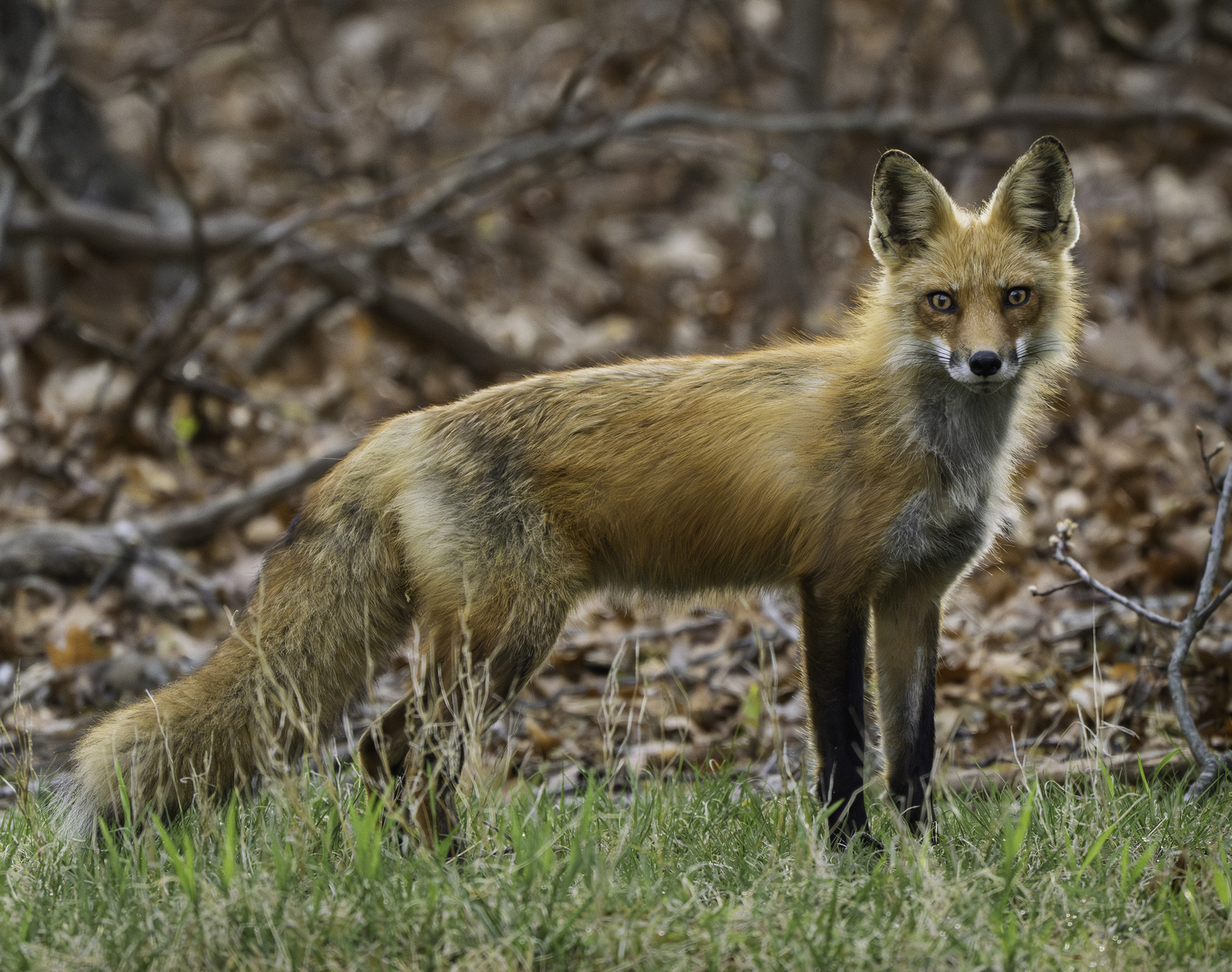
A red fox pausing for a quick photo. MARIANNE BARNETT
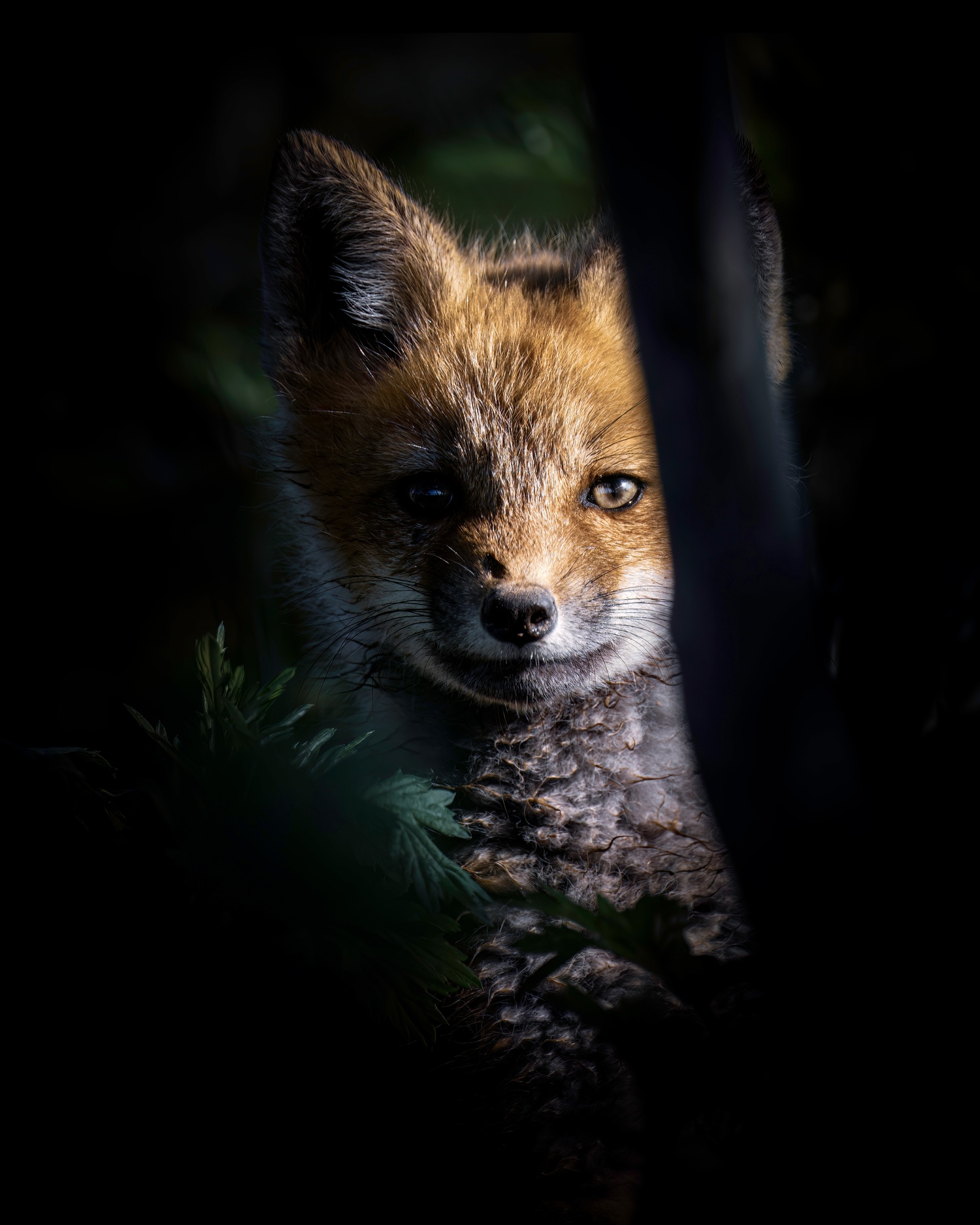
A fox kit peeking through the shrub. MARIANNE BARNETT

Fox kits a few months old. MARIANNE BARNETT

A fox kit in its environment near the den. MARIANNE BARNETT

A red fox. MARIANNE BARNETT

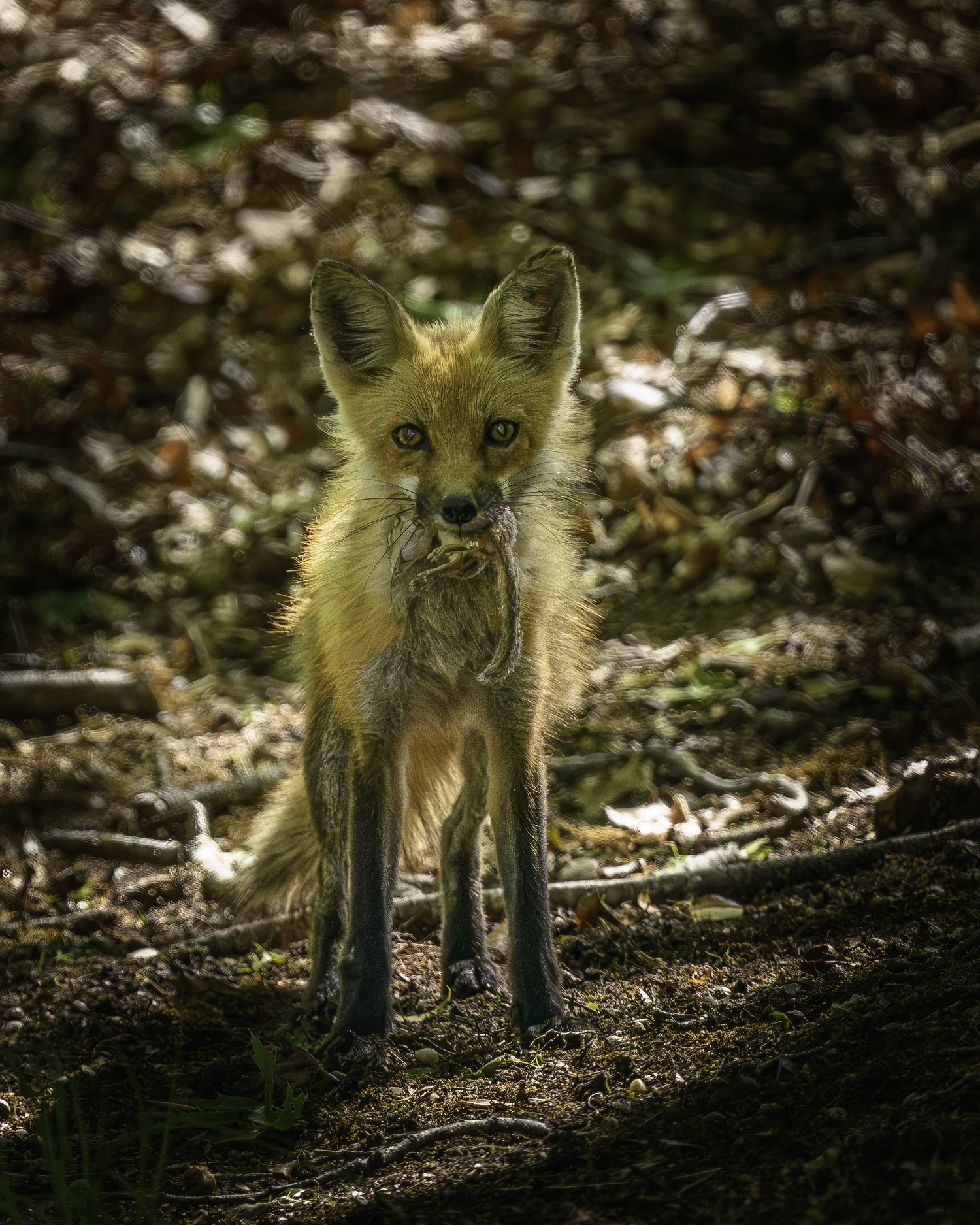
A red fox with a chipmunk in its mouth. MARIANNE BARNETT

I’m amazed at how many red foxes I’ve seen around our parts in the past few years.
Despite our never-ending building frenzy in the Hamptons, these foxes are finding their way back. I’ve had sightings of them from Montauk to Southampton.
In 2012, I moved back here from Colorado to live year round. From that time until 2020, I saw only one red fox. I’ve seen at least 20 in the past two years and have had three fox sightings on my property alone in the last few months.
It’s not just me seeing them, either: Other photographers and friends on Long Island are witnessing and documenting the rise of the red fox, which are native to Long Island, and their populations ebb and flow like nearly all wildlife. Unfortunately, mange wiped out a great deal of these foxes for many years, but they are recently surging and appear to be very healthy. They do not have any natural predators as of now, but the coyotes are on their way and have already been sighted in our area by trail cams.
Red foxes usually mate for life. The mother usually stays in the den with the kits, while the father will hunt and bring back food for mom and the kits.
When the kits are about 4 to 5 weeks old, they leave the den and begin to explore nearby. Both parents will continue to feed them, and the kits learn how to hunt by watching their parents. At about 3 to 4 months of age, the kits will disperse and make their way into the world.
Red foxes are very clever and know how to avoid us human species, so seeing one long enough for a photo or two is a real treat. Although the kits I’ve seen out here have been playful and not too skittish, they mostly hunt at night and are skillful hunters. You may not know they are near you unless they leave their scat, or poop, for you.
Red foxes eat just about anything. The one in my yard just a few weeks ago caught a chipmunk in the nearby woods and was holding it in its mouth. Their diet includes mice, squirrels, rabbits, and ground-nesting birds and their eggs.
Red foxes can hear a mouse from over 100 feet away and have a very keen sense of smell. They will stalk quietly and then pounce on their prey in a surprise attack.
Seatuck Environmental and South Fork Natural History Museum have teamed up to conduct an ongoing Long Island Mammal Survey and foxes are one of the species included. These groups rely on citizen scientists like us to collaborate by documenting red fox sightings by using a free app called INaturalist.
I’ve documented some of my sightings on this app and have uploaded photos of several of these foxes. I hope you will consider doing the same as this is really the only way to measure the red fox comeback on the East End.
More Posts from Marianne Barnett


