


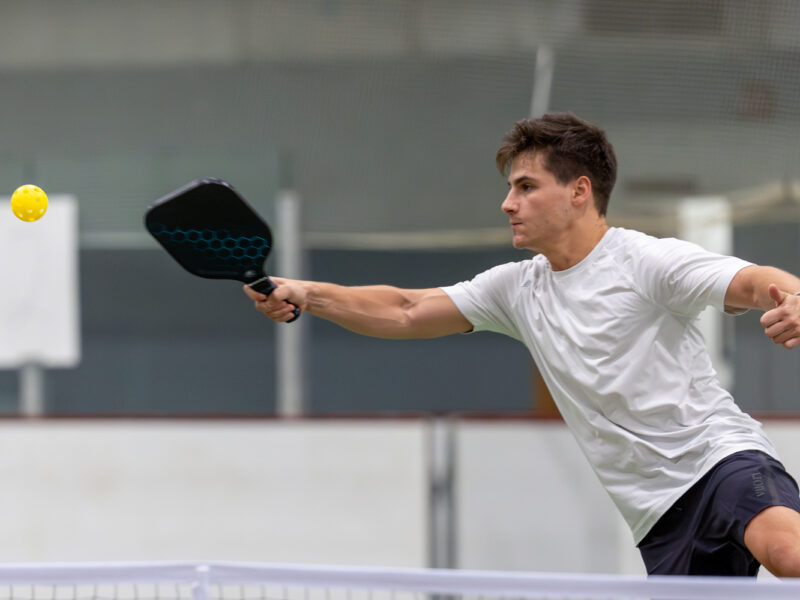
 2 Photos
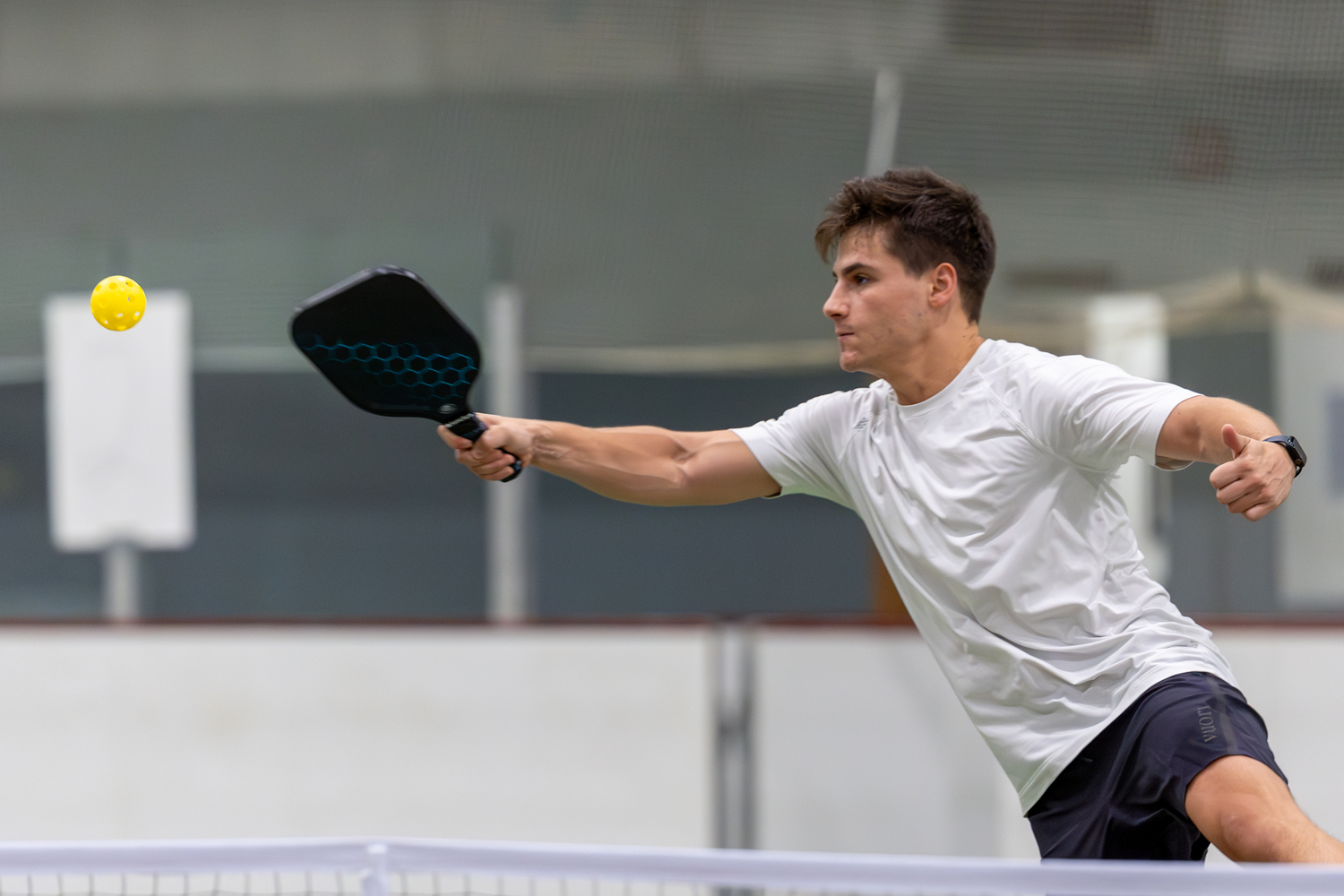
Preparing for a tournament, such as the annual Heart of the Hamptons tournament at SYS, is key to having success. RON ESPOSITO
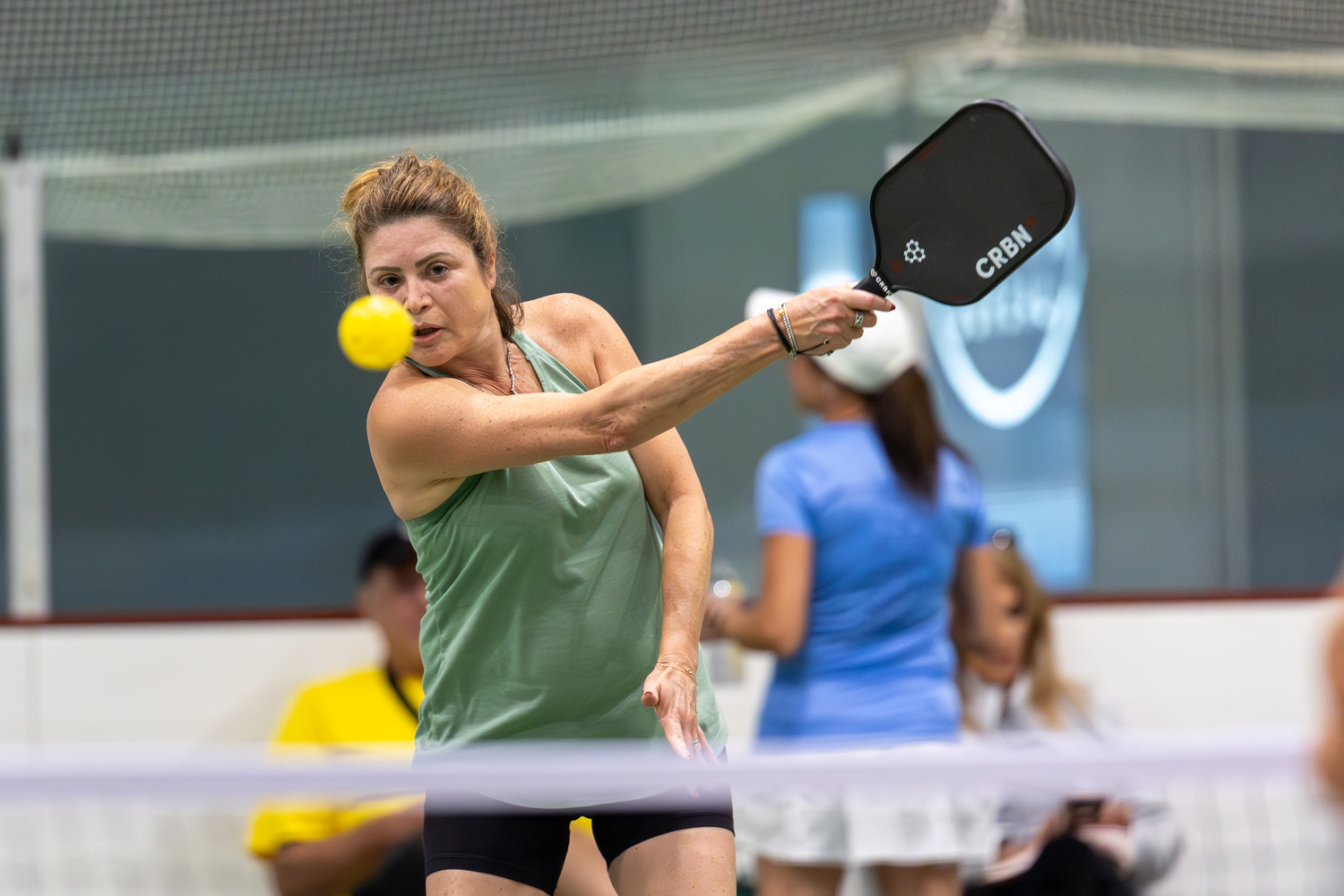
Preparing for a tournament, such as the annual Heart of the Hamptons tournament at SYS, is key to having success. RON ESPOSITO

Whether it’s your first tournament or you’re an experienced tournament player, these pro tips should help you perform at your best.
The truth is, many of us love competition. Although many players enjoy the relaxed and friendly atmosphere that “rec play” offers, competition play is becoming very popular. Even if you book a court with your friends and the competitive juices flow, it still doesn’t match the exhilarating feeling you get when competing for a medal at a tournament.
For some, the thought of preparing for a tournament can be intimidating and overwhelming. How do you know if you’ve prepared properly?
There are so many little things you need to address before you show up to play. These tips are focused primarily on doubles matches, but many apply to those competing in singles as well.
Most important is to have fun. Everyone wants to win a medal, but there’s a lot of satisfaction in playing your best and hardest in every match, leaving with a sense that you’ve played the game you love and had the opportunity to show your stuff.
• Tip 1: Prepare yourself physically and mentally.
You will be nervous, and your body will dehydrate quickly, especially if it’s a long tournament and the weather is warmer than usual. You need to begin your hydration a few days before the event by drinking lots of water and sport drinks.
Lately, athletes in all sports have been drinking pickle juice (yep, the green stuff) to prevent cramps and maintain optimal hydration. Complex carbohydrates loading a few days before is also recommended to provide the needed energy for a long day of matches. Total body stretching is a must to prevent those nasty pulls and tears that can occur when you tax your body beyond your normal activity levels.
• Tip 2: Find a partner whom you communicate with on the court easily.
You’ll need an honest assessment of your skill level and your partner’s skill level before entering. If it’s your first tournament, go to the USPA website (usapickleball.org) and evaluate yourself and your partner. Experienced players may have a DUPR rating, so it’ll be easy for them.
Once you have determined which level you’d like to compete in, you need to practice “dancing with your partner” drills so you can cover most of the court efficiently and force your opponents to take risky, lower-percentage shots. Verbal signals are very important when playing in a tournament so you can maintain optimal positioning and decide who should take the next shot.
• Tip 3: Do your research.
Be sure to know how the tournament is run (round robin, single elimination, double elimination, etc.) and how the matches are structured (timing, scoring, etc.). If possible, go to the tournament site ahead of time and see the court layout (inside or outside), surface of the court, and the brand of balls which will be used in tournament play. It would be ideal to practice with the same conditions that will be used on tournament day.
If you’re playing in warm weather, bring plenty of extra clothes, especially socks and shirts. An extra paddle is always a good idea.
Regarding tips on strategy, I’ve found that most tournament winners make the fewest amount of unforced errors. Consistency is the most important part of the winner’s performance. “Survive the first five” is a great mantra to live by. Don’t go for the big, booming serve, which may sail out of bounds, if you can get the serve deep or move your opponent sideways. That is a more consistent and effective beginning to your offensive rally. Try to keep the rally going for at least five volleys — unless your opponent makes a mistake — to get yourself in the rhythm.
Do your best to avoid overly risky kill shots, which may end your rally if you don’t execute. Trying to hit the perfect shot every time may result in more unforced errors than points.
I’ve personally found myself nervous in the beginning of tournaments and too many times tried to make that perfect third shot drop. Instead, just hit a safe drive or drop, and be ready for the next shot to reset.
If you expect every ball your team hits to be returned, you will always be ready. In rec play, if you think your shot’s a winner, it’s common to mentally relax and move on. In tournament play, every point can be the difference between a win or loss. Keep your paddle up, your eyes focused on the path of the ball, and anticipate your opponent’s next shot.
Finally, when in a dinking volley, try to use the middle of the court when you’re under pressure. The net is 2 inches lower in the middle, and your opponents don’t have the angles to attack anymore.
Tournaments are intended to be enjoyable and provide picklers the opportunity to get their competitive juices flowing. Enjoy the experience and have fun!
More Posts from Vinny Mangano


