


 2 Photos
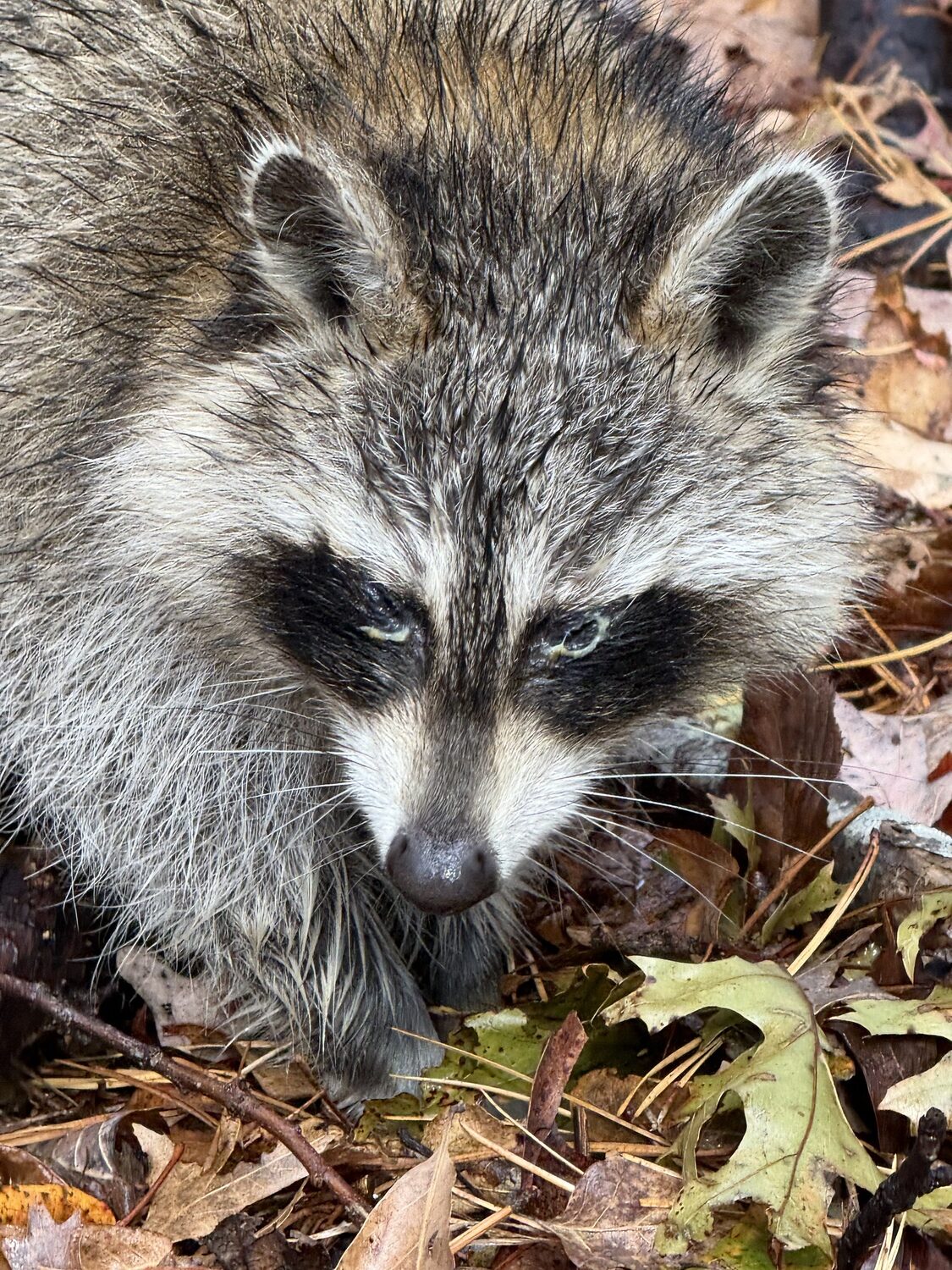
A raccoon infected with distemper will often have a heavy mucous discharge from its nose and eyes. COURTESY EVELYN ALEXANDER WILDLIFE RESCUE CENTER
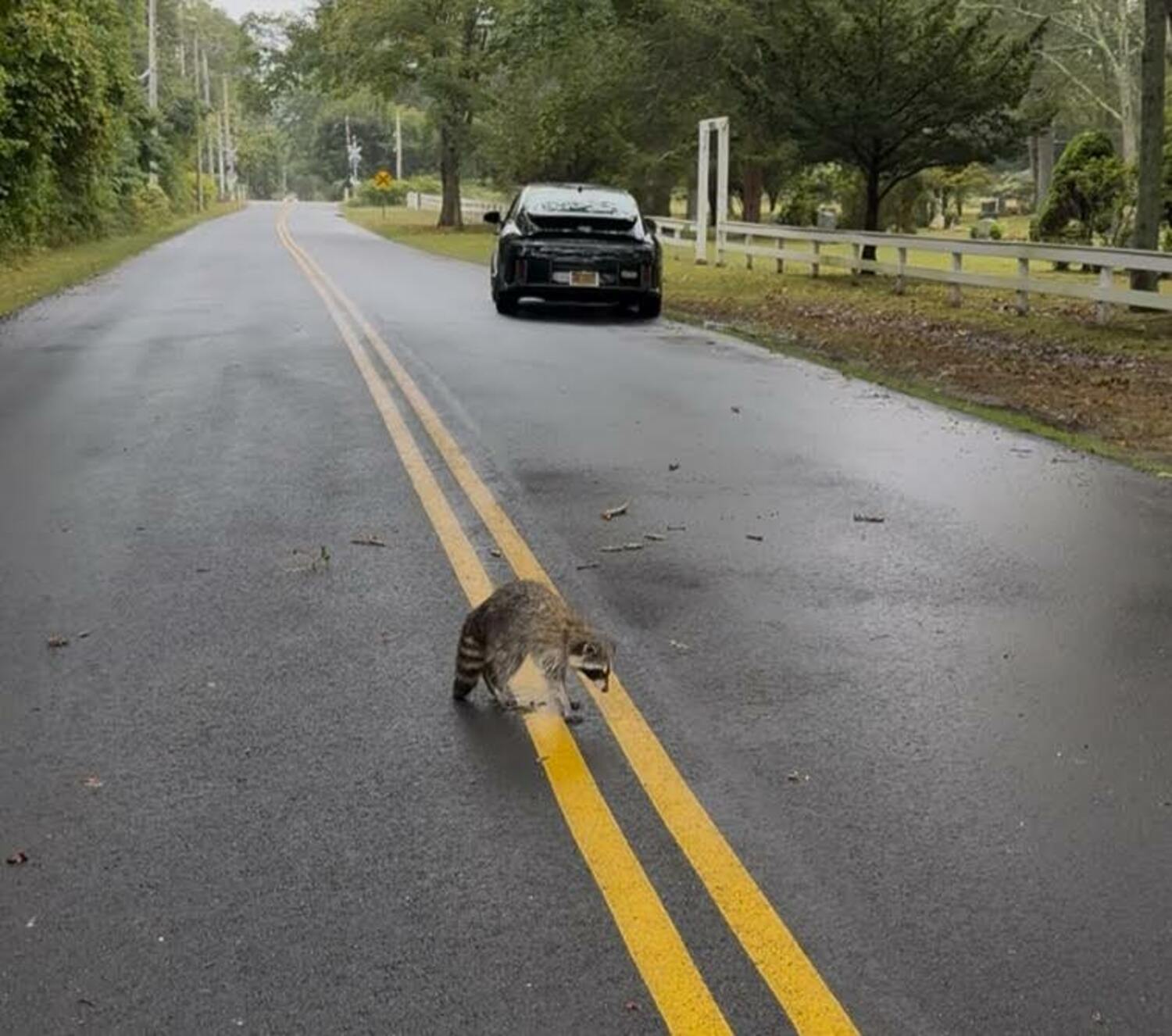
A raccoon infected with distemper in the middle of the road. COURTESY EVELYN ALEXANDER WILDLIFE RESCUE CENTER
The Evelyn Alexander Wildlife Rescue Center in Hampton Bays gets called for all sorts of animal emergencies — from deer that have been struck by cars, to owls that have been sickened after eating poisoned rodents.
But this year, the number of raccoons the center is seeing with canine distemper, a fatal viral disease, has spiked.
Through November 1, of the 431 raccoons that had been brought to the center, 347 had to be euthanized, with almost all of them suffering from the effects of canine distemper, according to the center’s executive director, Kathleen Mulcahy.
The total number of raccoons brought in has jumped by 55 percent from the 191 that were brought in during all of last year, she added. Of those, 120 were euthanized.
For comparison, in 2023, the center admitted a total of 134 raccoons, with 68 having to be put down.
Mulcahy said the disease has made its way rapidly east through Suffolk County. “We saw it start late last year and it continued all through the winter and all through the summer,” she said. “It started in Brookhaven, and has moved as far east as Amagansett.”
Raccoons are nocturnal animals; those with distemper will often be seen during the daytime. Among the classic symptoms, said Christine Saar, a center volunteer who works with raccoons, is for the animal to be oozing mucus from the eyes and nose. Sicker animals will exhibit head tics, body tremors and even seizures.
She said last weekend, she had been called out to pick up four raccoons with distemper. “I’d call it an epidemic,” she said. “It’s pretty bad.”
Distemper is highly contagious to other raccoons, and while people cannot catch it, dogs, whose vaccines are not up to date, can catch it.
It also should not be confused with rabies, a far more dangerous disease that can spread to humans.
“People mistake distemper for rabies all the time,” Mulcahy said. “It’s an understandable mistake. But, fortunately, we haven’t seen rabies this far out in Suffolk County.” However, she added that there are cases of rabies elsewhere on Long Island, which is cause for alarm.
Jessica Chiarello, the wildlife center’s hospital supervisor, said there are differences in how a raccoon will respond when it has distemper versus rabies.
With distemper, “they look lethargic,” she said. ”They’ll be walking around aimlessly with a lack of awareness of what is going on around them.” Those with rabies tend to be more aggressive “like they want to attack,” she said.
A grant from the Southampton Bath & Tennis Club and the assistance of White’s Pharmacy in Sag Harbor allowed the wildlife center to have five staff members and volunteers given rabies vaccinations to safeguard them in the event they do encounter a rabid raccoon.
“We cannot send a volunteer out for a raccoon unless they are vaccinated, trained and licensed by the State Department of Environmental Conservation,” Mulcahy said.
The center’s staff say people trying to be good to animals may be unintentionally helping to spread the disease.
Mulcahy said a common practice among village shopkeepers and restaurateurs is to leave bowls of water out for thirsty dogs. But raccoons come out at night and also drink that water. If they have distemper, they are sure to spread the disease, she said, adding that a volunteer recently found a dying raccoon near a bowl of water outside a Sag Harbor restaurant.
Mulcahy said people should bring those bowls in every night and wash them with a strong bleach and detergent solution. She also urged people to bring a pet’s bedding indoors and keep compost and garbage cans securely sealed.
Chiarello said she was concerned that people who feed feral cats may be contributing to the spread of distemper as well, because raccoons “are opportunistic feeders” who will help themselves to cat food that has been left out for feral cats.
Even if a raccoon does not have rabies, someone bitten by one is required to report it to the County Health Department and be subjected to a series of anti-rabies shots, Mulcahy said.
She said people should not try to catch or otherwise help raccoons that appear to have distemper. She suggested they call their local animal control office or notify the Evelyn Alexander Wildlife Center at 631-728-WILD (9453), which can collect the animal and humanely euthanize it if it tests positive for distemper.


 Stephen J. Kotz on Nov 11, 2025