


 3 Photos
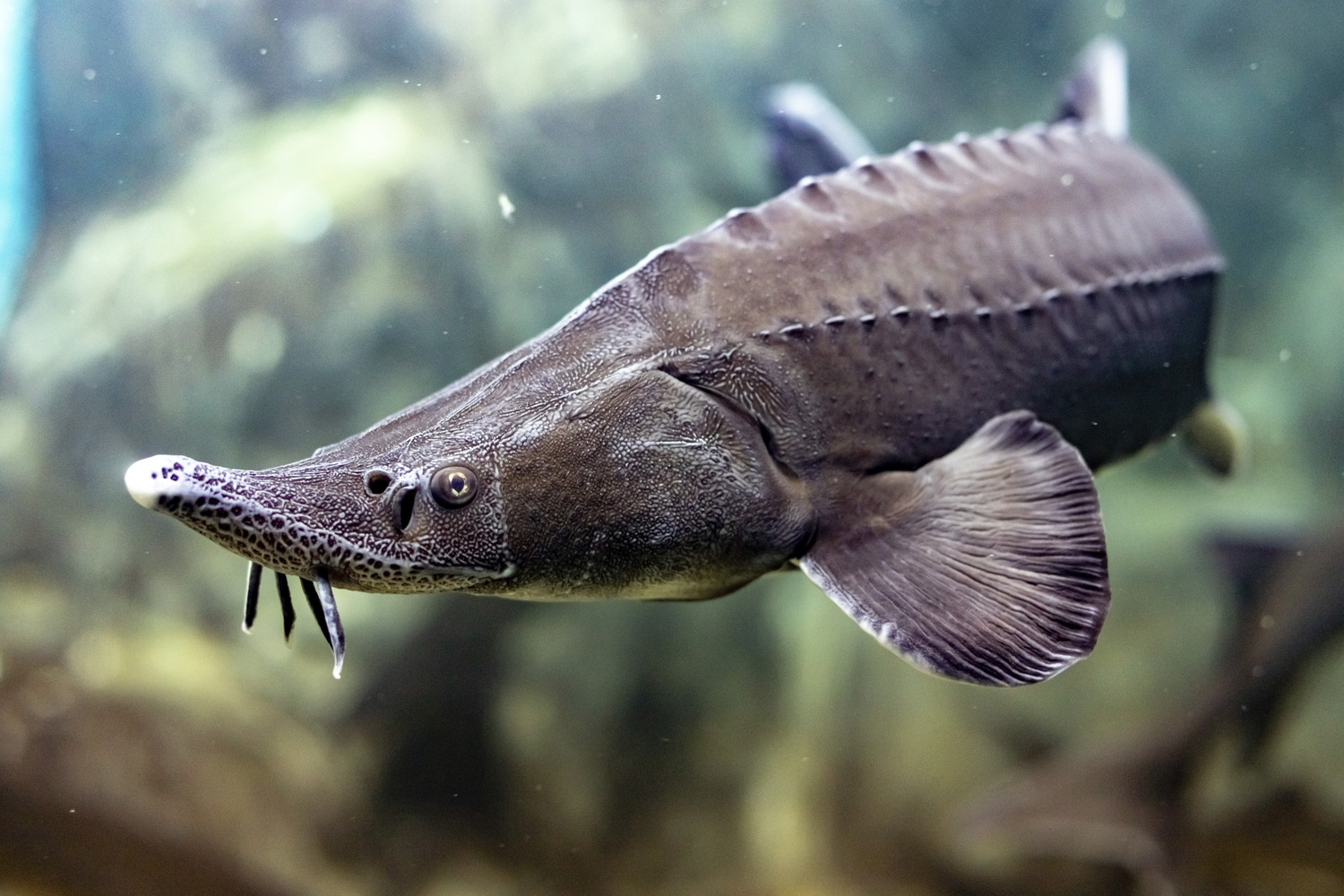
New York's list of endangered and threatened species now includes the Atlantic sturgeon.
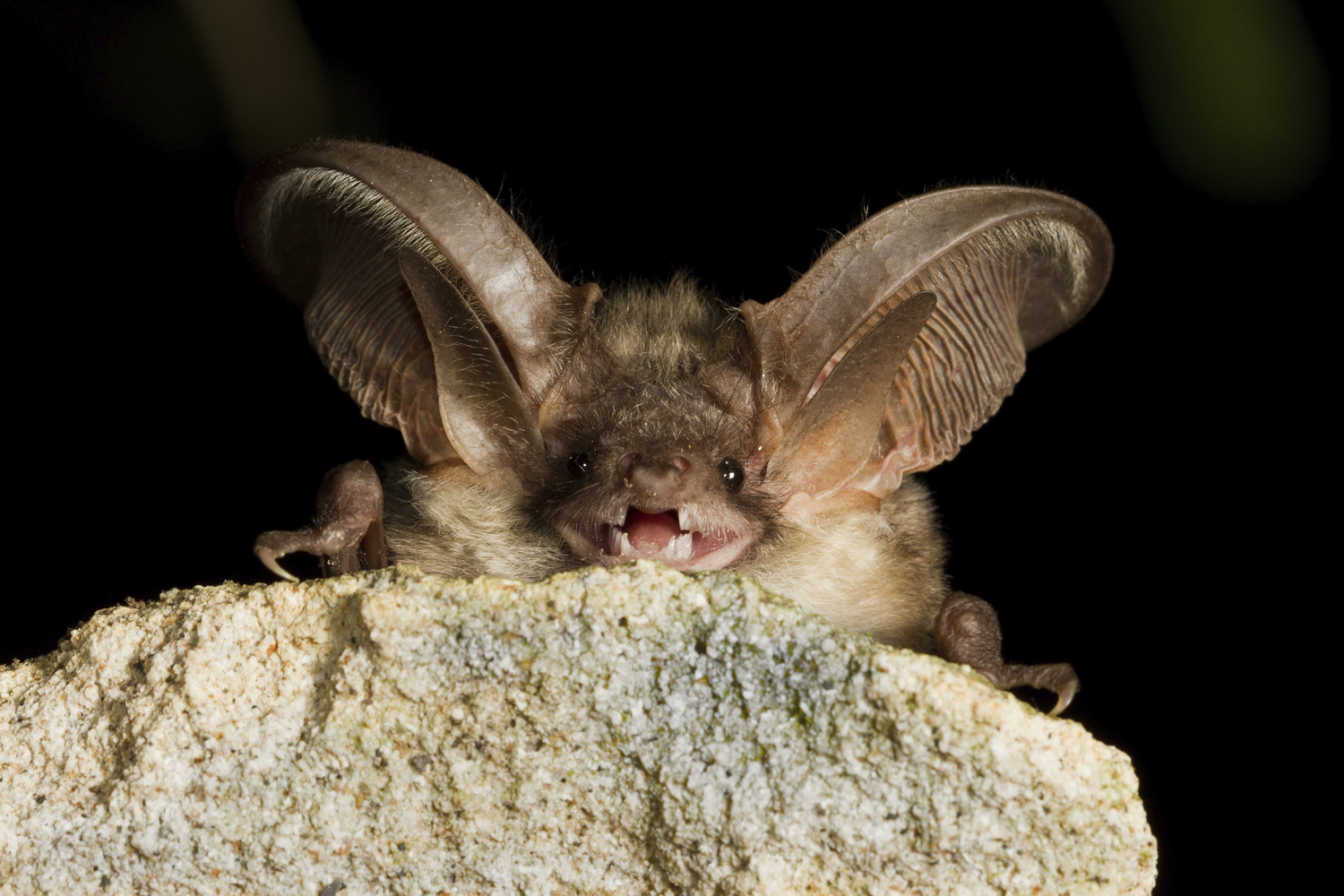
New York's list of endangered and threatened species now includes the northern long-eared bat.
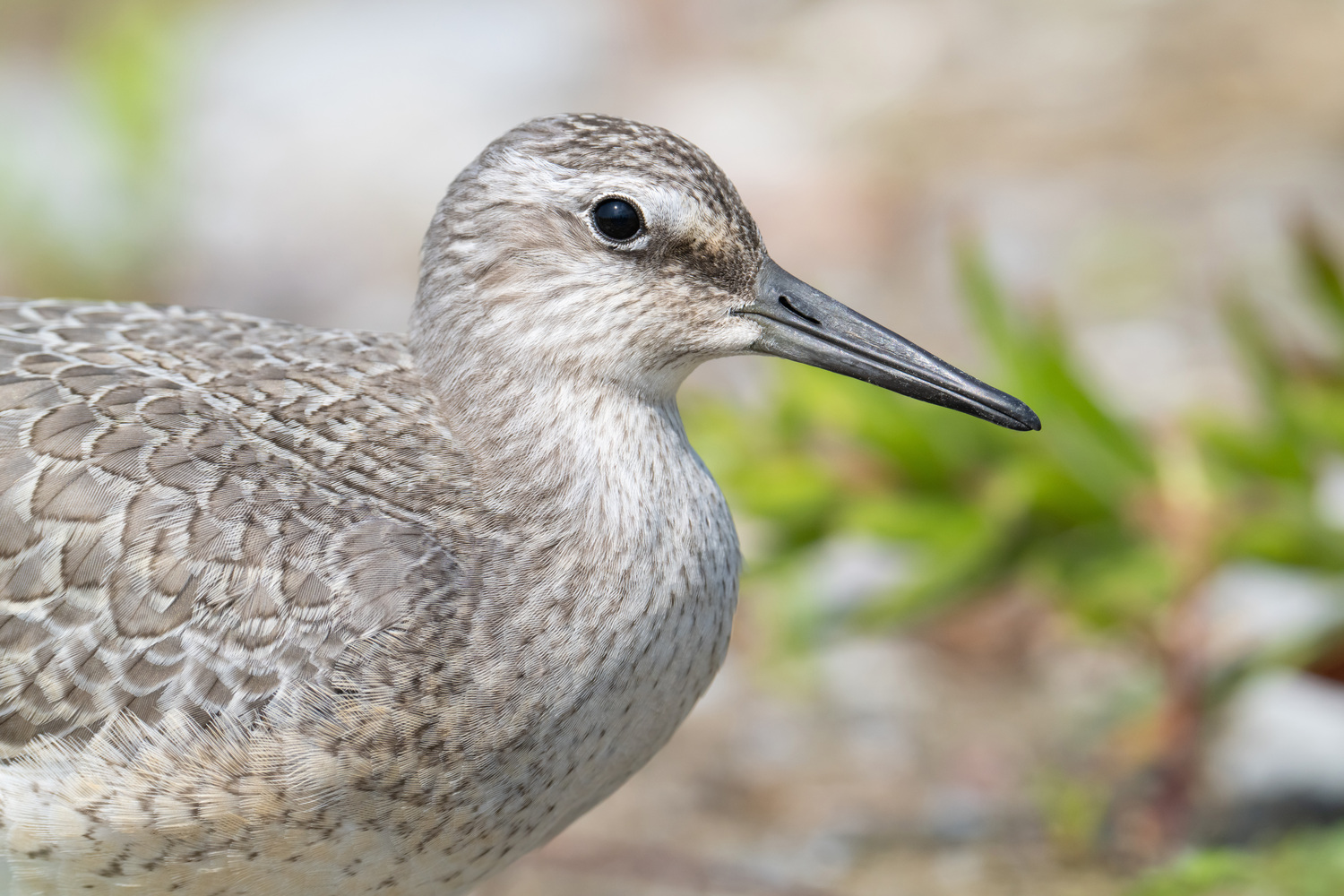
New York's list of endangered and threatened species now includes the rufa red knot.
On the surface, the northern long-eared bat, the Atlantic sturgeon and the rufa red knot do not have much in common.
Upon closer inspection, they all have a presence on Long Island — or, at the very least, pass through — but in recent years, it’s in consistently diminishing numbers.
As of last month, the bat, prehistoric fish and migratory shore bird landed on New York’s list of endangered and threatened species, updated for the first time since 1999. The process began last year and will continue, incrementally, by species group. Next up are amphibians and reptiles.
The new state protection comes at a critical time, as the Trump administration proposed new guidelines that could weaken the federal Endangered Species Act earlier this year.
“You have a bird, you have a mammal, and you have a fish,” Group for the East End President Bob DeLuca said on Monday, June 9, of the newly added species. “I think what it tells us is that virtually at every level of the ecosystem, there are species that are in trouble, and these designations, while they don’t magically fix populations, they do a couple of things.”
First, the designations offer long-term analysis of population trends, he explained, as well as provide management strategies to get these species back on track. Endangered and threatened species are protected from not only hunting, or removing them from the wild, but also any activity or damage to the habitat that would interfere with feeding, sheltering, breeding, or migration, allowing the Department of Environmental Conservation to deny building permits in sensitive areas.
“And I think, in some ways, they present as a harbinger of what we need to be concerned about going forward,” DeLuca said. “If this continues to happen, and it is continuing to happen, we could lose species — and it’s interesting, in this case, something like this Atlantic sturgeon, which has been around for millions of years. It’s a shame that this happens, but it should be a wake-up call.”
Growing up to 16 feet long and weighing as much as 800 pounds, the Atlantic sturgeon was first harvested by Indigenous tribes 4,000 years ago, but fossil records suggest the species dates back at least 70 million years. While they were once found in great abundance, their populations have steadily declined due to overfishing and habitat loss, according to the National Marine Fisheries Service, and are now endangered.
The northern long-eared bat, which is also endangered, is feeling the effects of a different type of habitat loss — they are primarily forest-dependent insectivores — but more acutely, they are suffering from white-nose syndrome, a disease caused by an invasive fungus that attacks them during hibernation.
“Here, we have them in the summertime,” DeLuca said. “Their hibernacula are usually caves and places like that, but they can use hollow trees. Essentially, they need forested ecosystems. They need forested habitats in order to thrive, especially when their numbers are getting obliterated by this fungus. It’s a reminder again when considering, how do we develop? Do we have to cut down every single tree? What are we doing?”
In the case of the rufa red knot, which is a threatened species, they stop along the South Shore beaches during their incredible 9,300-mile migration from Tierra del Fuego to the Canadian Arctic. But lately, it has been harder for them to find their food source — horseshoe crab eggs — which is contributing to their decline.
“The reality is, the water is coming up. We’ve hardened too many shorelines. We haven’t managed our marshes properly, and we’ve taken too many horseshoe crabs,” DeLuca said. “And all of that collectively puts this bird in danger.”
Without a healthy natural environment for all of these animals, they do not have the clean water and air they need, the habitat for cover, and food to eat, DeLuca explained. It’s a circulatory system, he said, and the loss or near-extinction of species is often in conjunction with the ecosystem they depend upon.
“There are upsides to this program in terms of research and attention and population monitoring,” he said of the endangered species list. “The downside is, of course, that once you get to the level of endangerment that gets you on the list, you’re on the brink.”
In the 26 years since the list was last updated, four freshwater fish — the gravel chub, lake chubsucker, mud sunfish and spoonhead sculpin — have gone extinct in New York. Three new species native to Long Island — the black bullhead, eastern pirate perch and American eel — joined the list of special concern, or those species whose risk of endangerment has been documented in the state and “warrant attention and consideration,” according to the DEC.
“Overall, it’s good that we acknowledge species when they’re in trouble,” DeLuca said. “I think we should do at least as much to those species that are on the border of getting in trouble, and think about how important it is to try to protect those habitats before we end up in a crisis, which is more time intensive and probably has a lower likelihood of success.”
He sighed. “These moments always remind me of that — that it’s so tough to see a species that’s that close to the end, knowing that if you did something on the habitat side, you might not have to be here at all.”


 Michelle Trauring on Jun 20, 2025