


 1 Photo
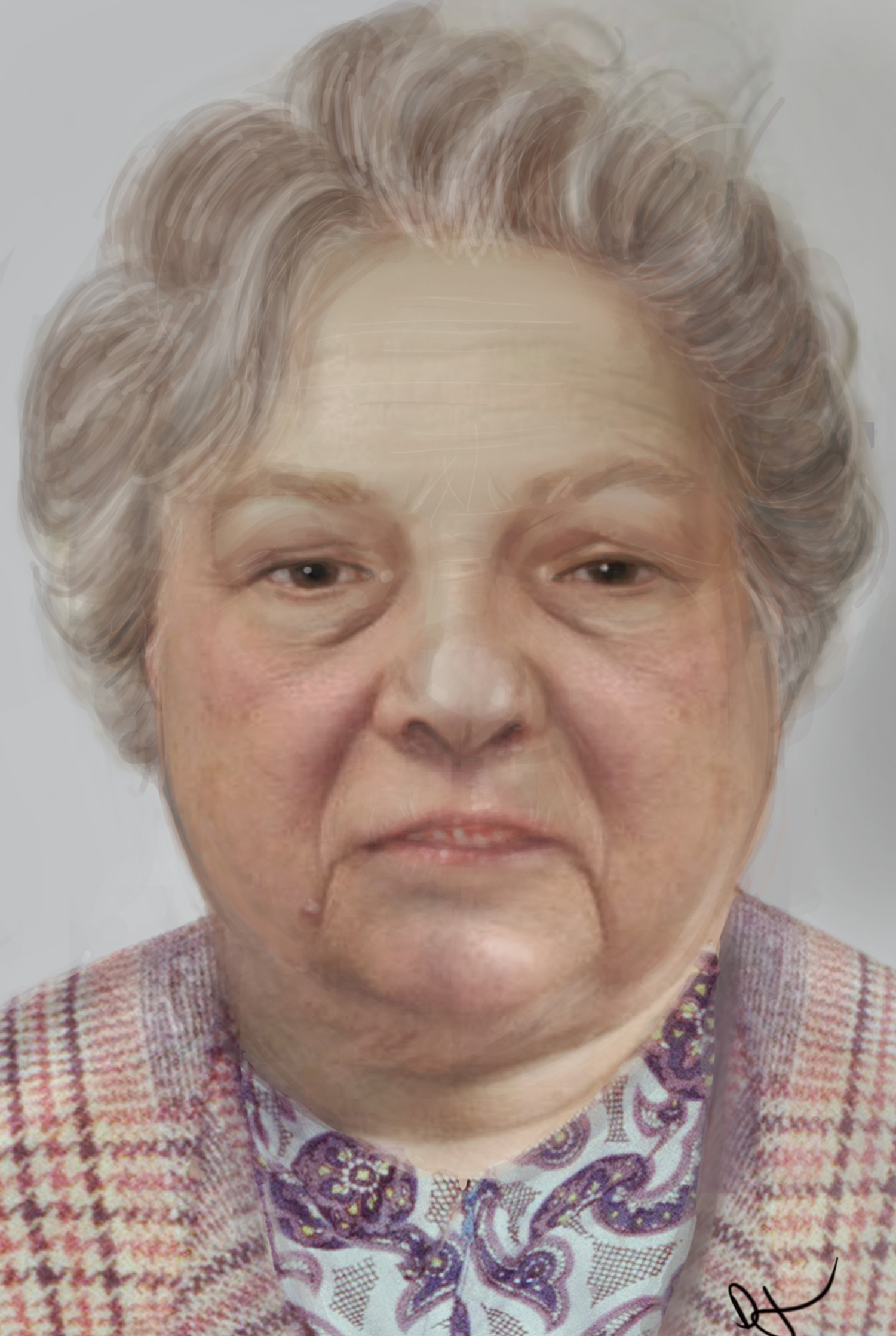
A newly created artists sketch of what the woman whose body was found near the overlook on Montauk Highway more than 50 years ago is believed to have looked like. The case of "Montauk Mary" as the woman was dubbed at the time, was recently spotlighted by Suffolk County District Attorney Ray Tierney's office as one of three cases it hopes to revive the investigation into.
Suffolk County District Attorney Ray Tierney’s office this week released a newly created sketch of the woman whose body was found in Montauk in 1978, part of an effort to put the spotlight on cold cases that have lingered for decades.
The case of “Montauk Mary,” as the still unidentified woman was dubbed locally at the time, was highlighted on the county’s cold case website this week, suffolkcountyda.org/cold-cases, which offers a $2,000 reward to anyone with information that leads to the identification of unidentified human remains.
The woman, estimated to be in her 60s, was found dead at the head of a trail leading into the woods from the State Parks Department’s overlook on Montauk Highway east of downtown Montauk early in the afternoon of March 22, 1978.
She had been shot four times, once in the chest and three times in the legs, and had only been dead for a matter of hours when the body was found, according to information shared by the DA’s office this week.
She is described as about 5 feet tall, about 200 pounds, with short gray hair and hazel eyes. She was dressed in a plaid tweed coat, a multicolored house dress and orange slippers.
She was never identified, and police have never charged anyone with the crime.
As part of the effort to revive the investigation, the DA’s Cold Case Task Force had a Suffolk County Police Department forensic artist, Danielle Gruttadaurio, create a sketch of what the woman likely looked like at the time of her death, including what the dress and coat she was wearing looked like.
When he took office, Tierney created the dedicated Cold Case Task Force, made up of investigators, analysts and forensic experts to work with Suffolk County Police Department Homicide Squad to bring modern investigation tools — most effectively, genetic genealogy data — to bear on long-dormant investigations.
Along with the Montauk Mary case, the DA’s office this week added two other cases to its cold case website, that of two unidentified men whose bodies were found in Suffolk County, one in Brentwood in 1998 and the other in Melville in 1990.
“Each cold case represents a person who matters deeply to someone,” Tierney said in a statement from his office. “Adding their cases to our website not only honors the victims’ memory but also provides new pathways for the public to contribute meaningfully to long-standing investigations.”


 Michael Wright on Sep 17, 2025