


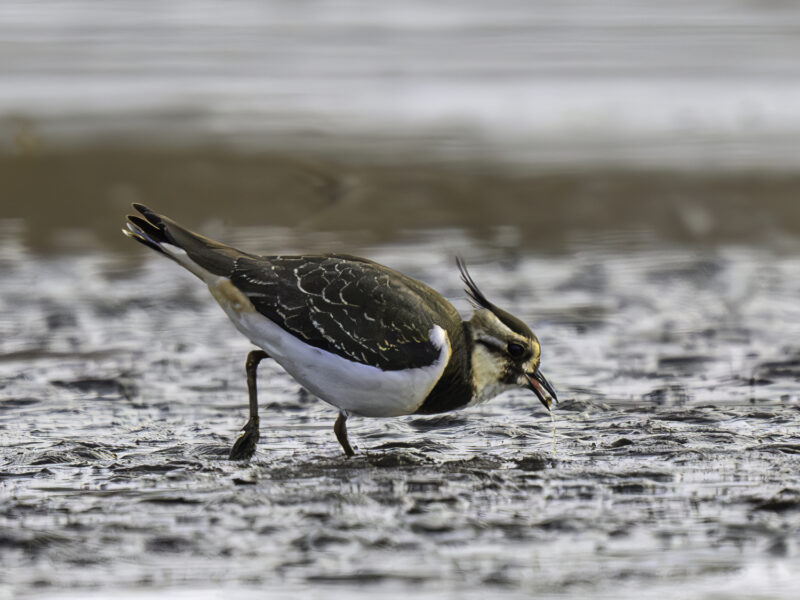
 7 Photos
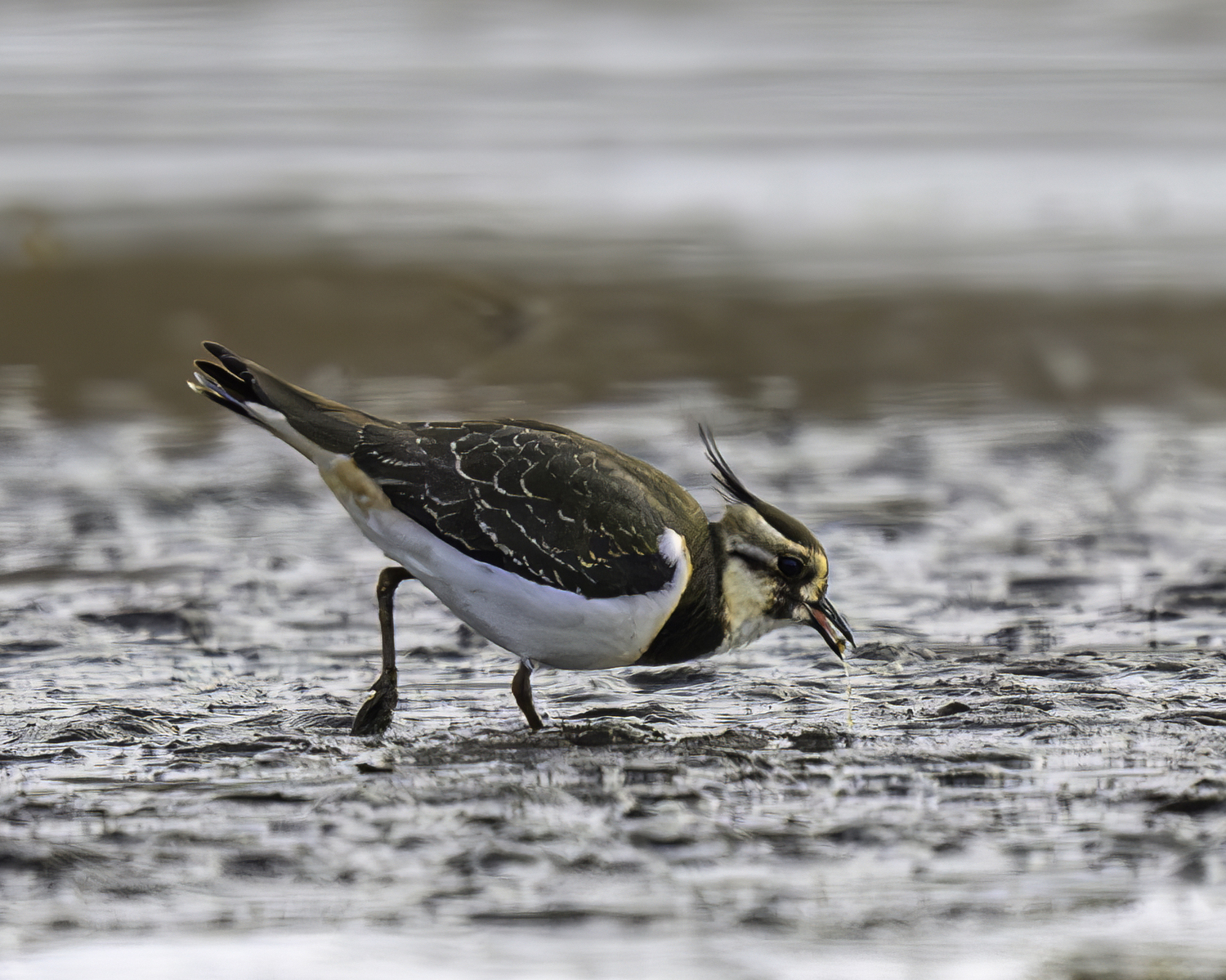
A Northern lapwing eating small invertebrate at Sagaponack Pond. MARIANNE BARNETT
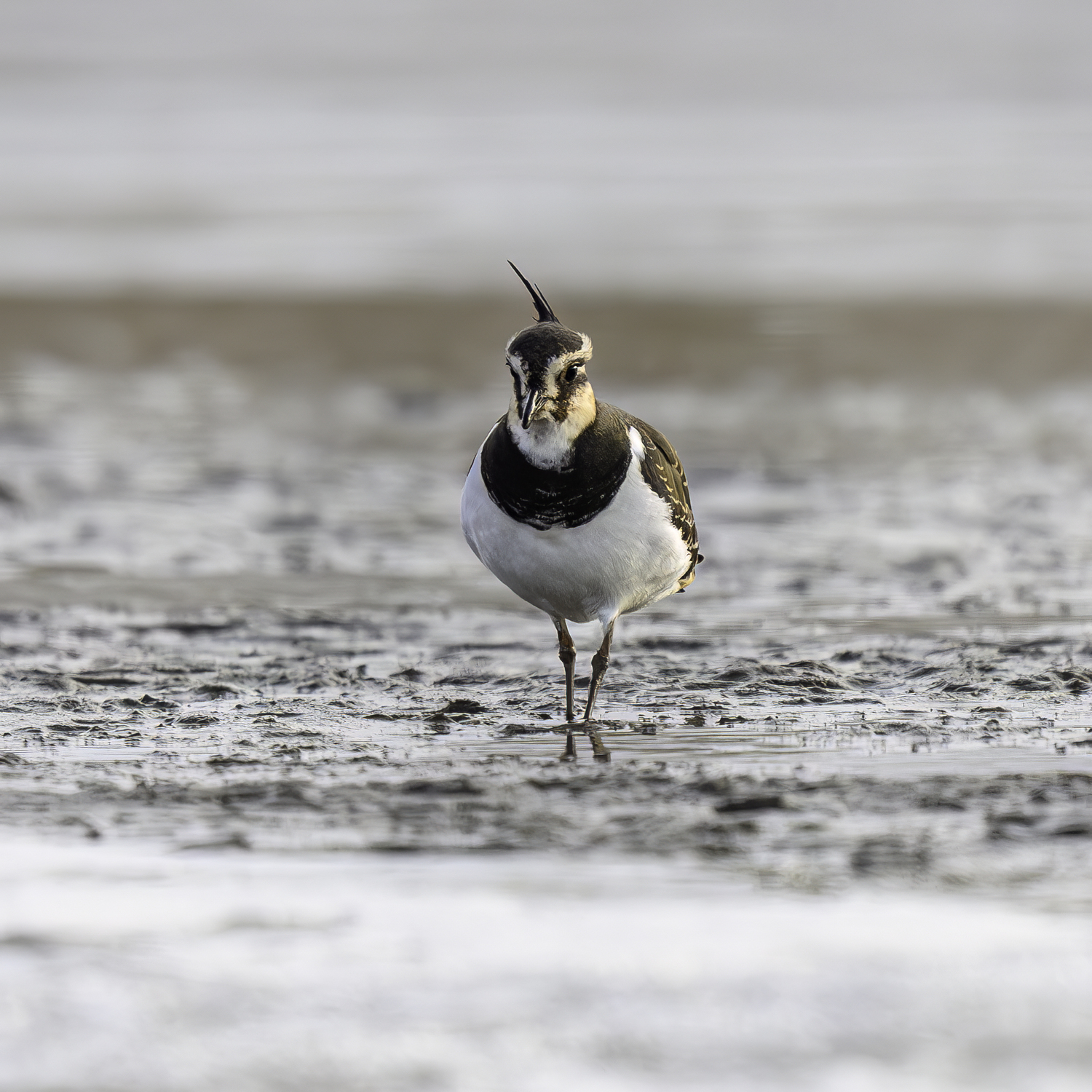
A Northern lapwing at Sagaponack Pond. MARIANNE BARNETT
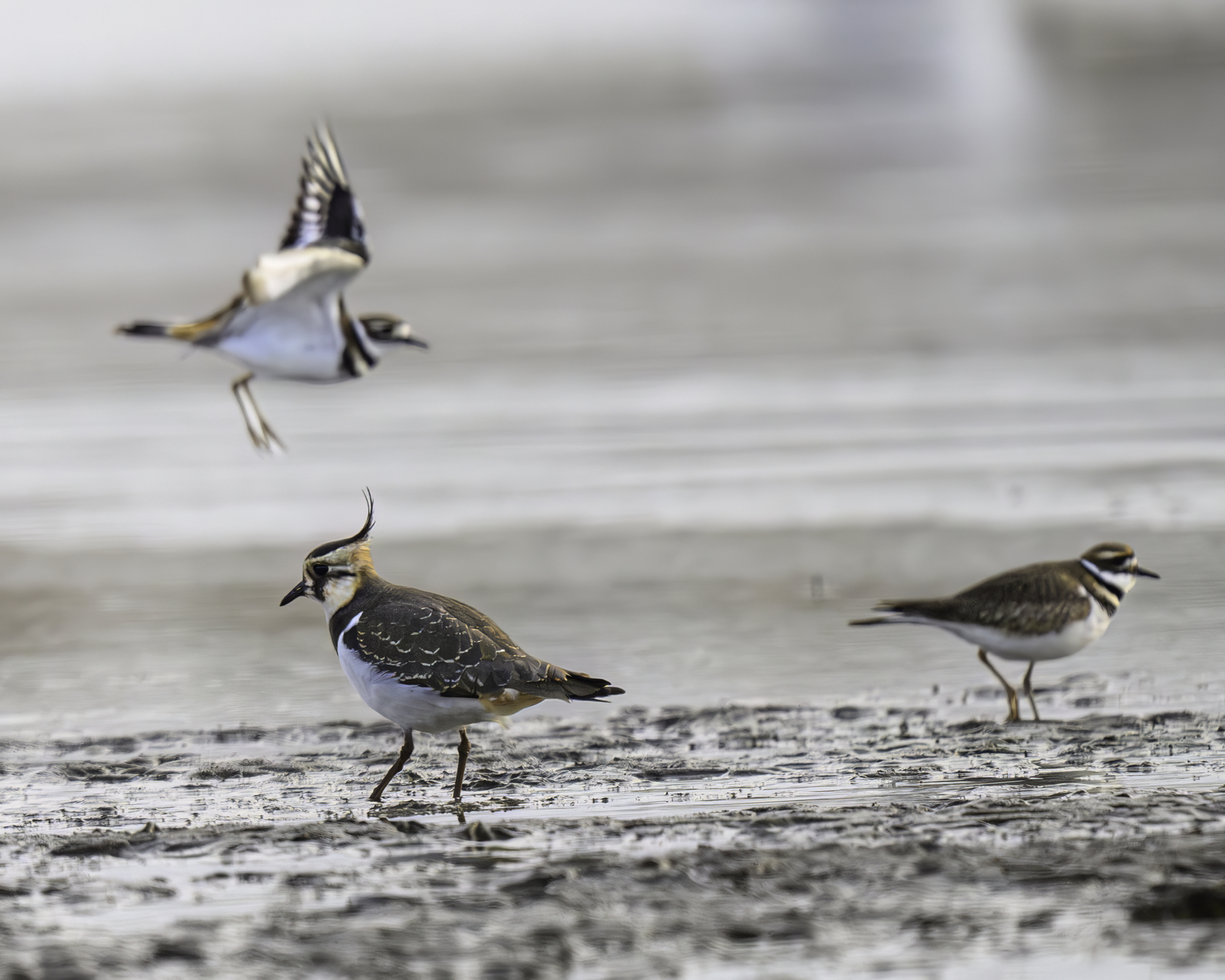
A Northern lapwing with a similar-looking killdeer at Sagaponack Pond. MARIANNE BARNETT
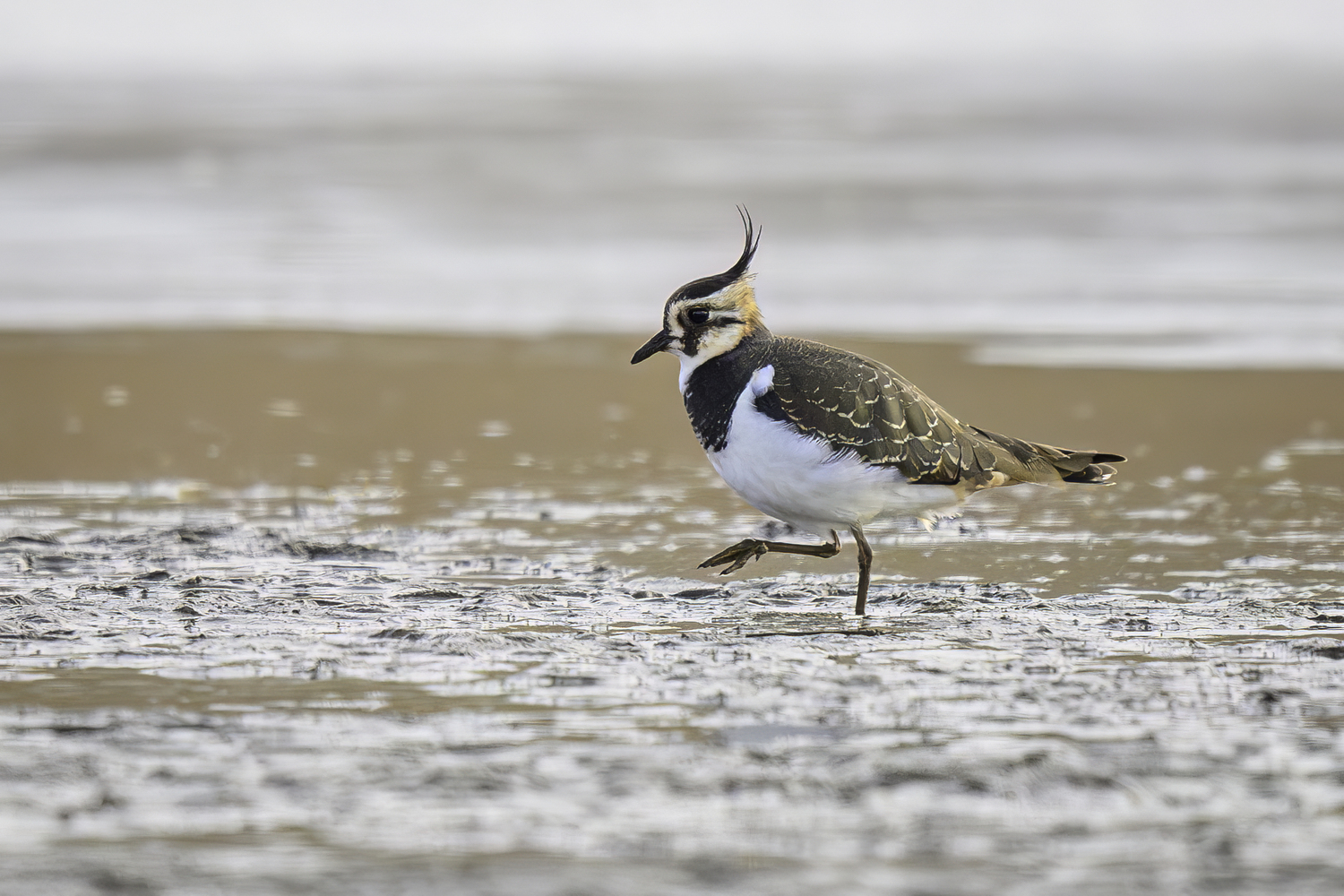
A Northern lapwing on the move at Sagaponack Pond. MARIANNE BARNETT
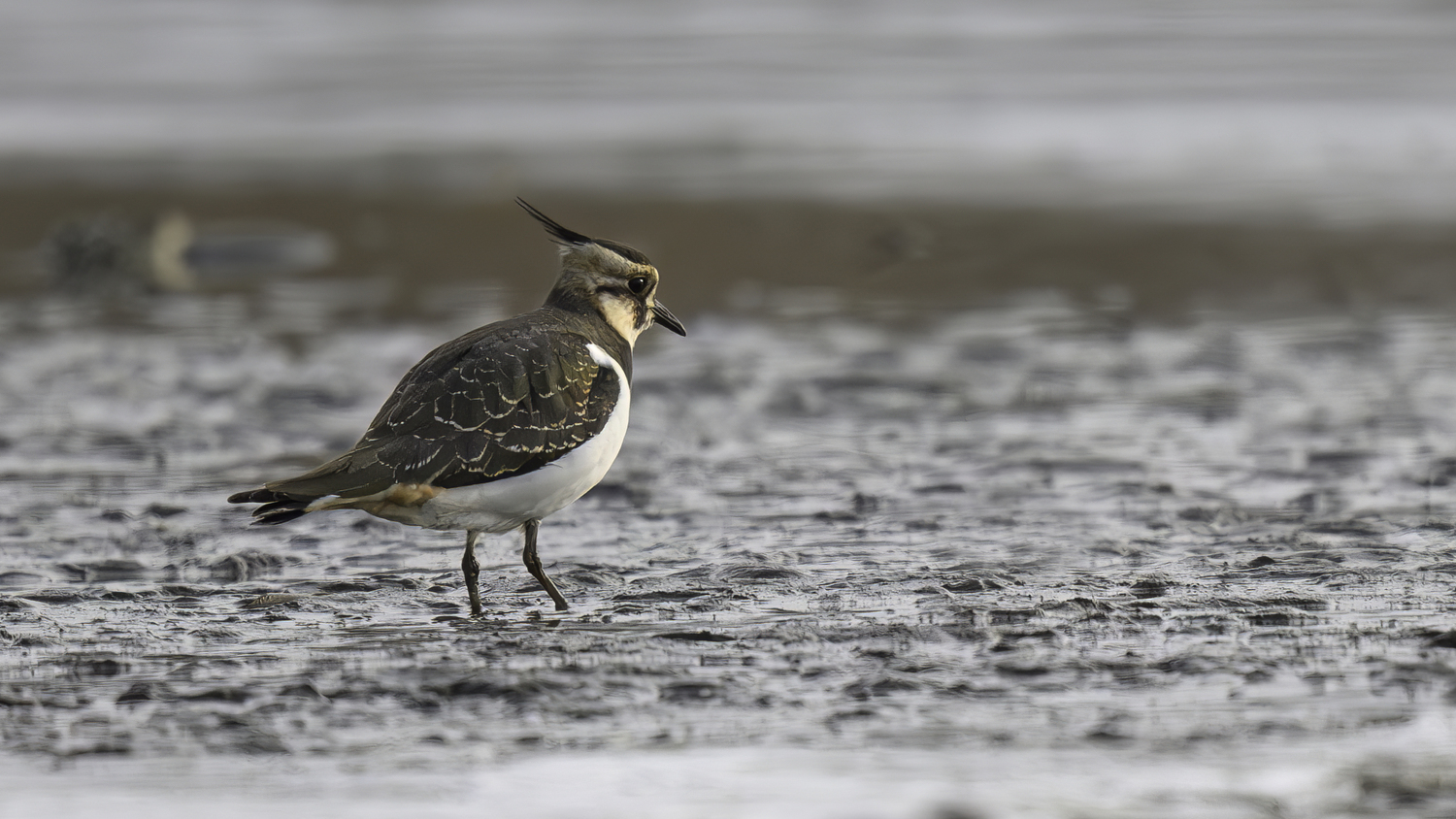
A Northern lapwing searching for food in the mudflat at Sagaponack Pond. MARIANNE BARNETT
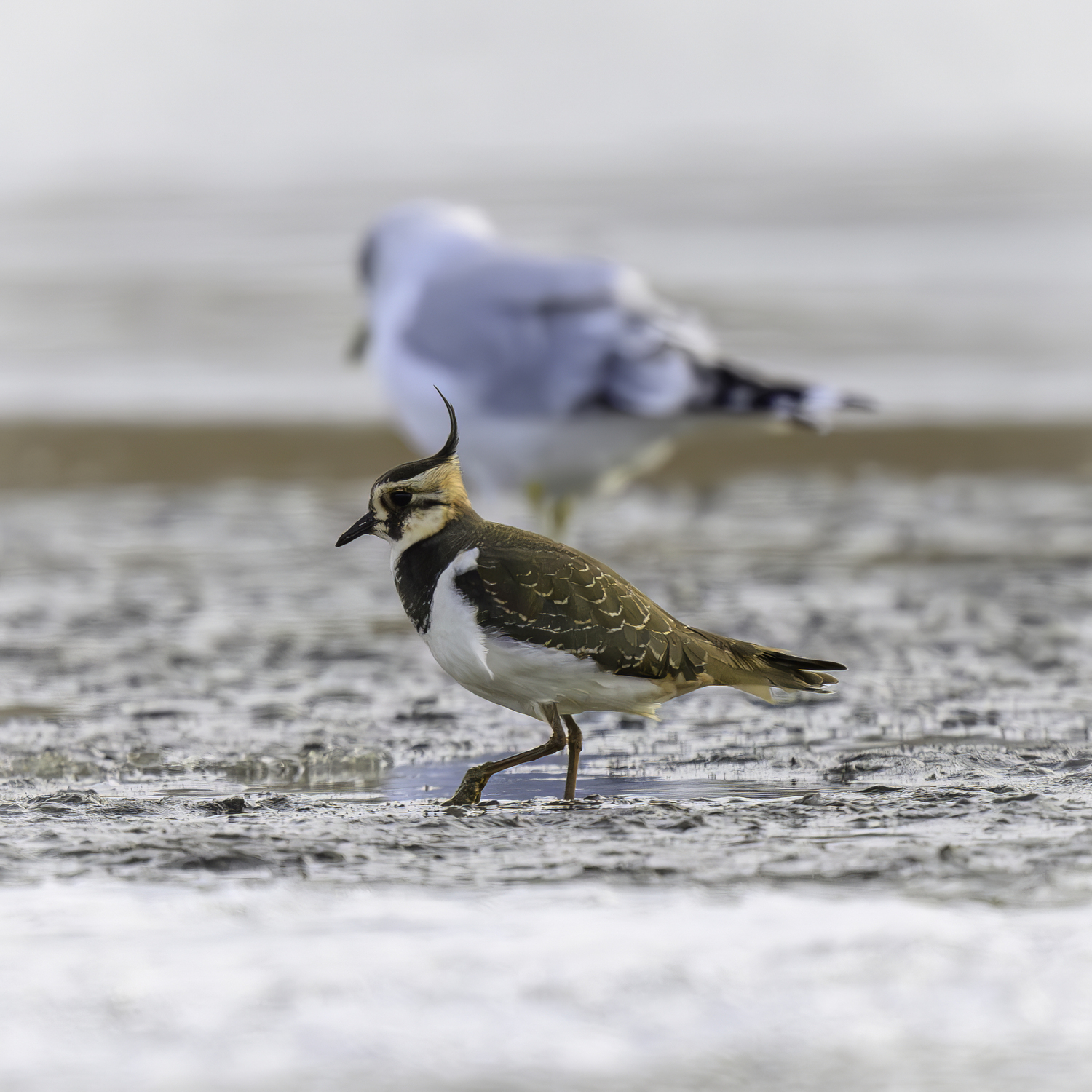
A Northern lapwing walking in front of a seagull at Sagaponack Pond. MARIANNE BARNETT
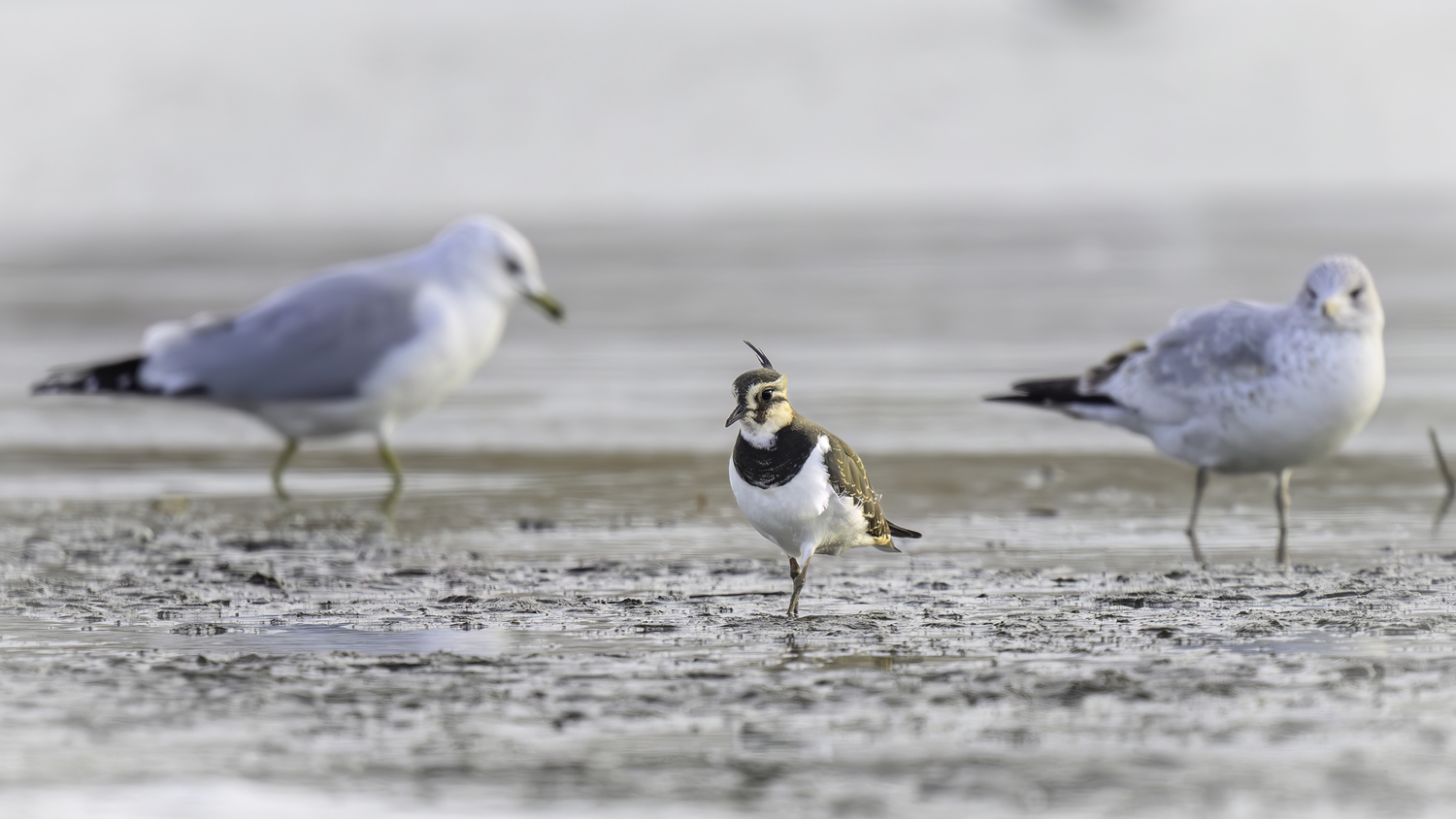
A seagull asking the Northern lapwing, who are you and why are you here? MARIANNE BARNETT

When the Republic of Ireland’s national bird, the Northern lapwing, mysteriously appeared, discovered in the tidal mudflats of Sagaponack Pond, word spread fast among birders. Fortunately, I was nearby at another favorite bird-viewing spot when a friend drove by, recognized me and excitedly told me of the foreign visitor’s arrival.
I jumped in my car and proceeded to Sagaponack Pond to see about 20 other birders with cameras and scopes set up in the parking lot of Sagg Main. For whatever seasonal reason, wind or low tide, Sagaponack Pond was essentially a large mudflat with sections of water still frozen from recent cold weather.
If you haven’t been there, it’s a fairly large pond area with thousands of birds of all types — swans, seagulls, Canada geese, mergansers — and many other types of birds are seen here. I thought to myself, how the heck am I going to find this lone Northern lapwing when I don’t even know what I’m looking for, since I’d never even heard of this bird before?
I began slogging through the mudflat, sinking and skating while doing my best not to flush any birds or ducks.
My friend told me he had last seen it among the killdeer, a medium-sized plover type of bird with two black bands around its neck, a white belly and brownish wings. He said it was larger than a killdeer but similar in behavior and looks. He showed me a photo of the bird’s appearance on his camera.
So, off I went with my rubber boots, camera and long lens.
After about 20 minutes of searching, miraculously, I found the killdeer and, lo and behold, the Northern lapwing was among them. The bird was actively poking its beak in the mudflat to find its food. I was able to take photos for about an hour and observe its delightful perky behavior.
The lone Northern lapwing nonchalantly moved and fed among the killdeer, the gulls, mergansers, and other ducks and birds, appearing to feel right at home. It took several dips in the shallow water, grooming itself and pluckily moving around.
I went back for a few days to make sure it was still there, and, sure enough, word had spread far and wide. A few Irish folks who live nearby came with their binoculars to see their beloved national bird. There were also many people from New York City, New Jersey, Nassau County and even as far away as Maine. I met a few schoolteachers from New York City on a school holiday for the Lunar New Year who came out with their scopes, just to get a glimpse of the bird.
As of this writing, however, the pond has since filled in, the mudflats are gone and, sadly, so is the Northern lapwing. The last sighting of the bird was the morning of Wednesday, January 29. A lone harrier hawk was diving for the rare bird but fortunately moved along after a few unsuccessful attempts at the plucky lapwing.
As I did some research on this unusual bird visitor, I learned why everyone in the bird community was so intent on seeing this anomaly of a bird.
In the past 20 years, only a handful of these birds have ever been seen and documented. The Northern lapwing’s usual winter habitat includes Ireland, Great Britain, Southern Europe, Africa, China, Korea and Japan. Hence, nowhere near us!
The last time the Northern lapwing appeared, it stayed for a few months, moving around the area. So, for all you Irish folks and birders alike, keep your eyes open for the Northern lapwing! And let me know if you find it!
More Posts from Marianne Barnett


