


 11 Photos
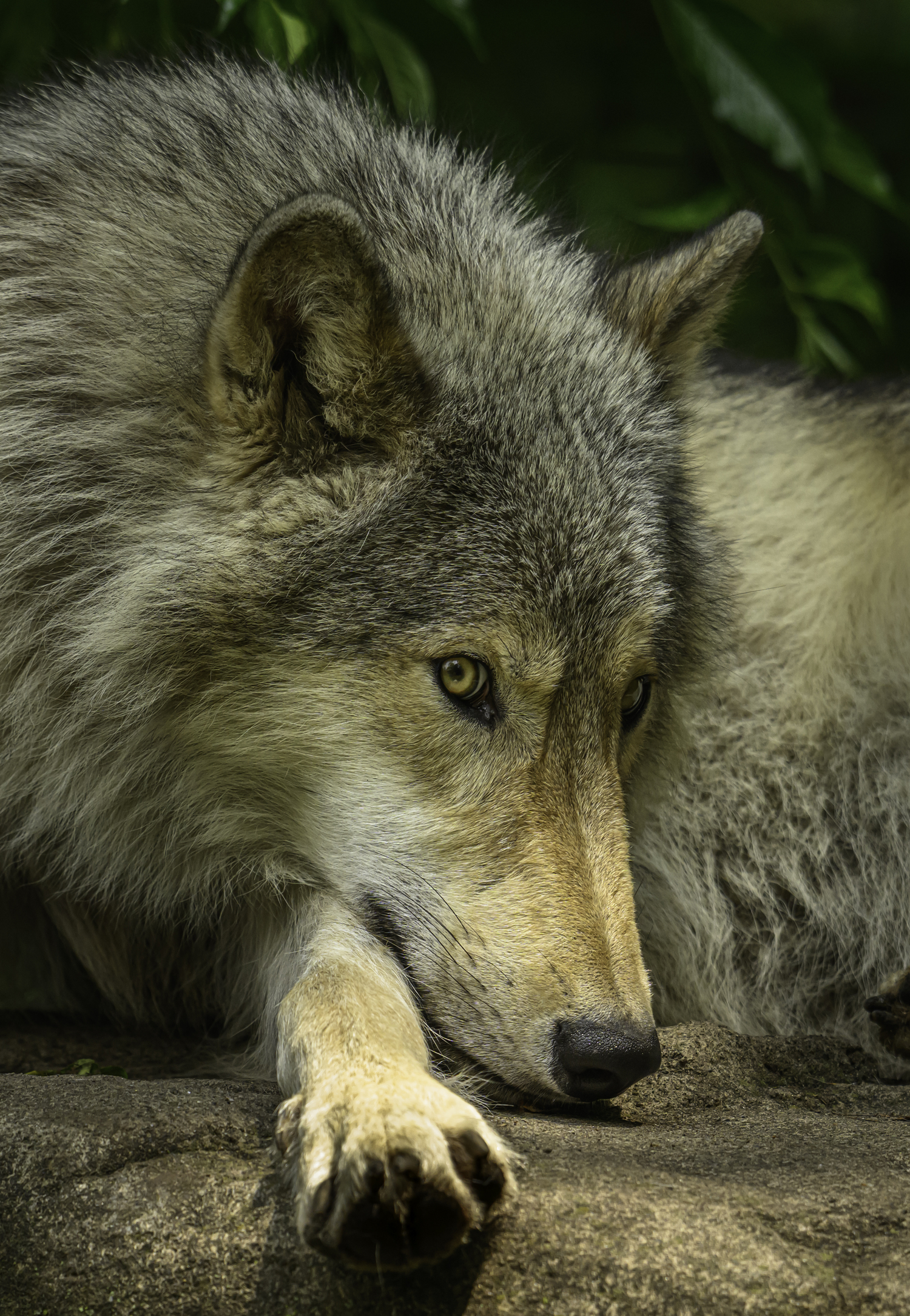
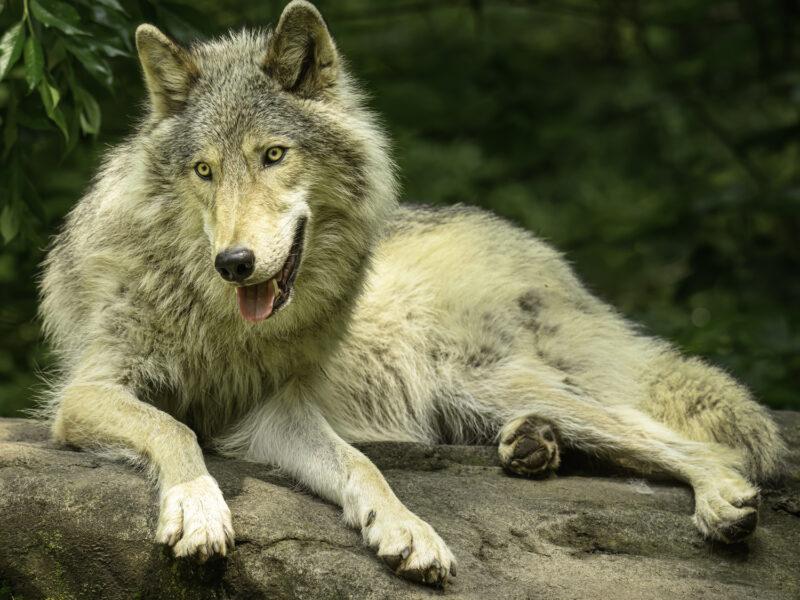
Silas at the Wolf Conservation Center. MARIANNE BARNETT
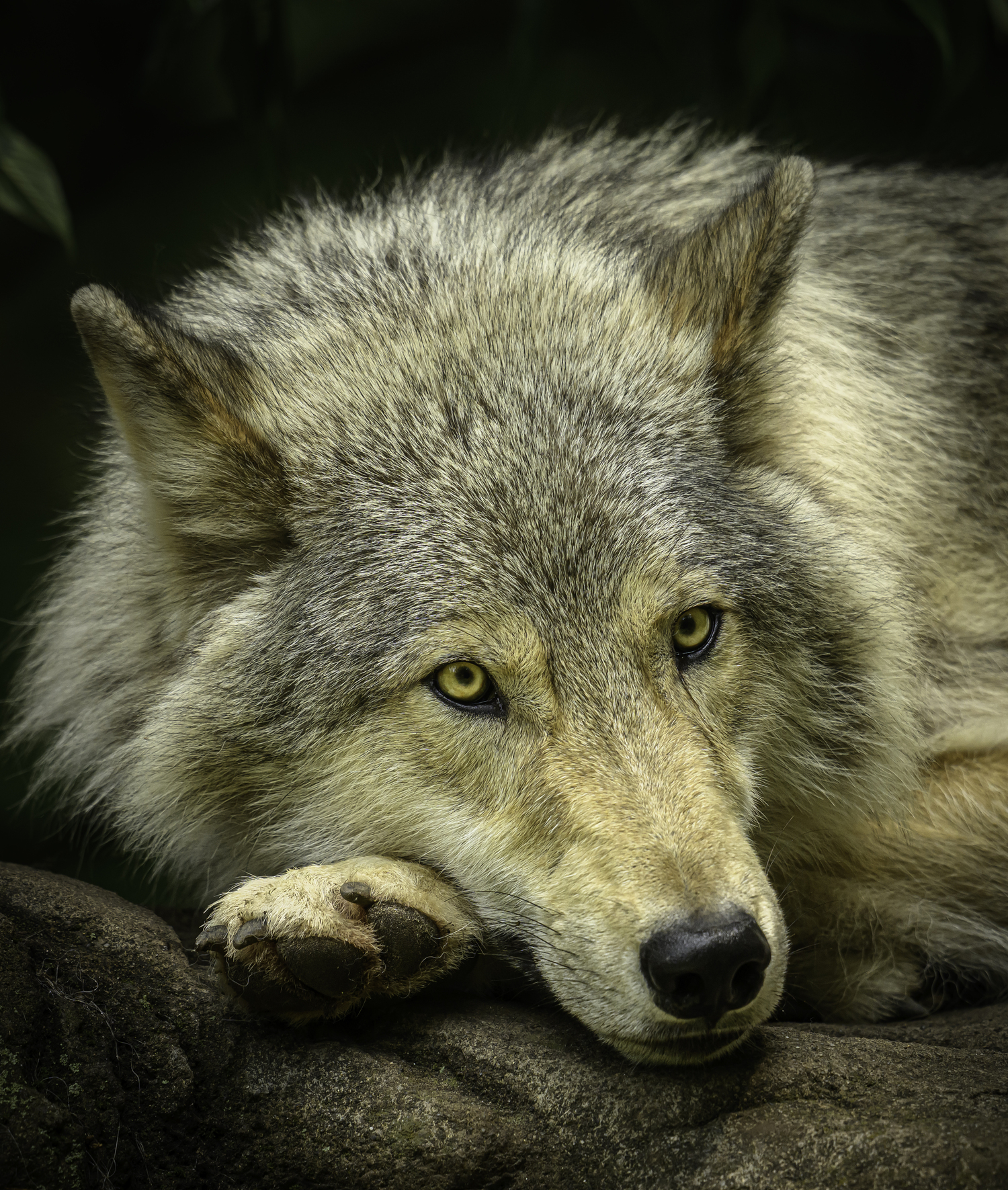
Silas at the Wolf Conservation Center. MARIANNE BARNETT
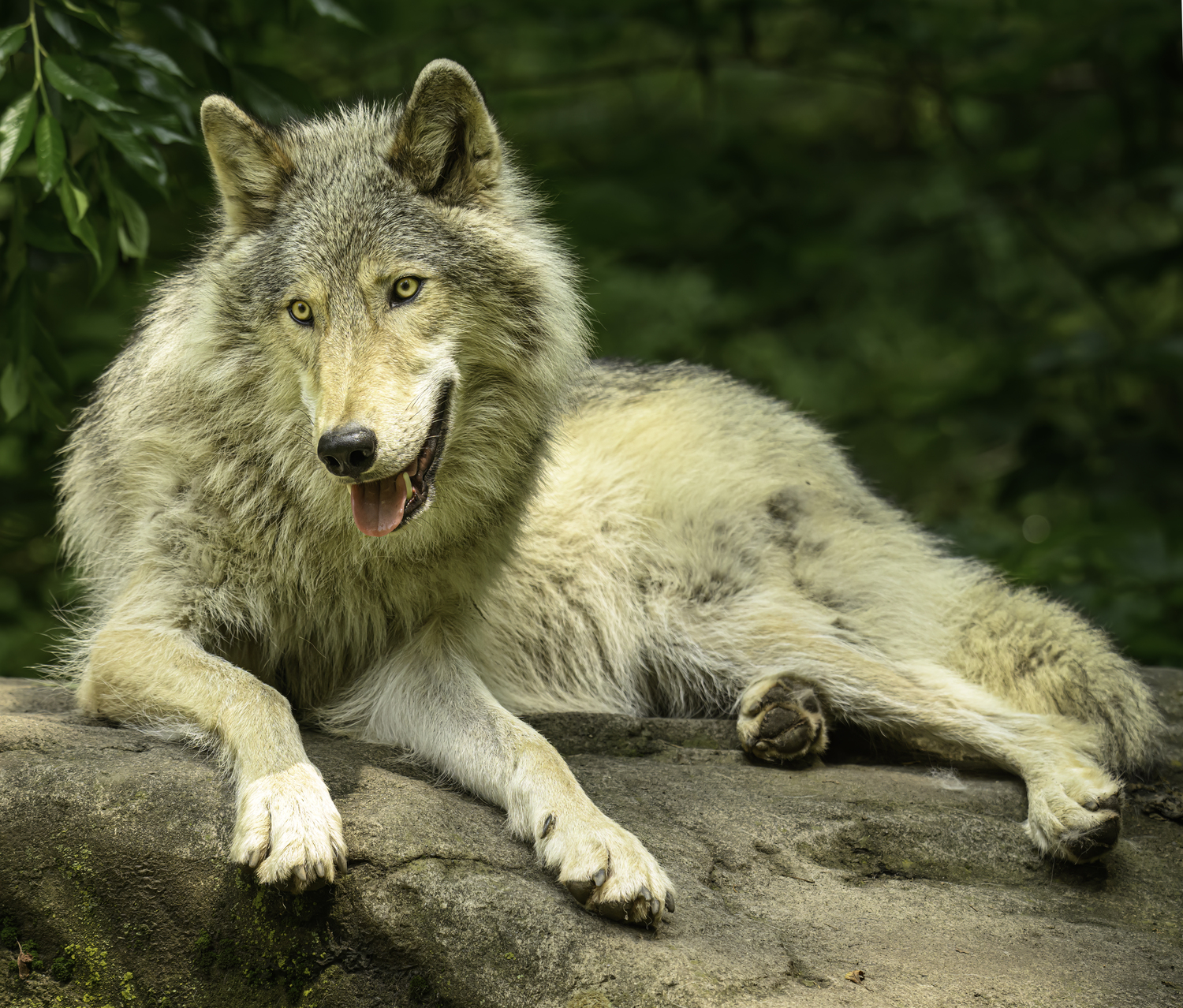
Now 2-year-old Silas relaxing on top of a den-like structure. MARIANNE BARNETT
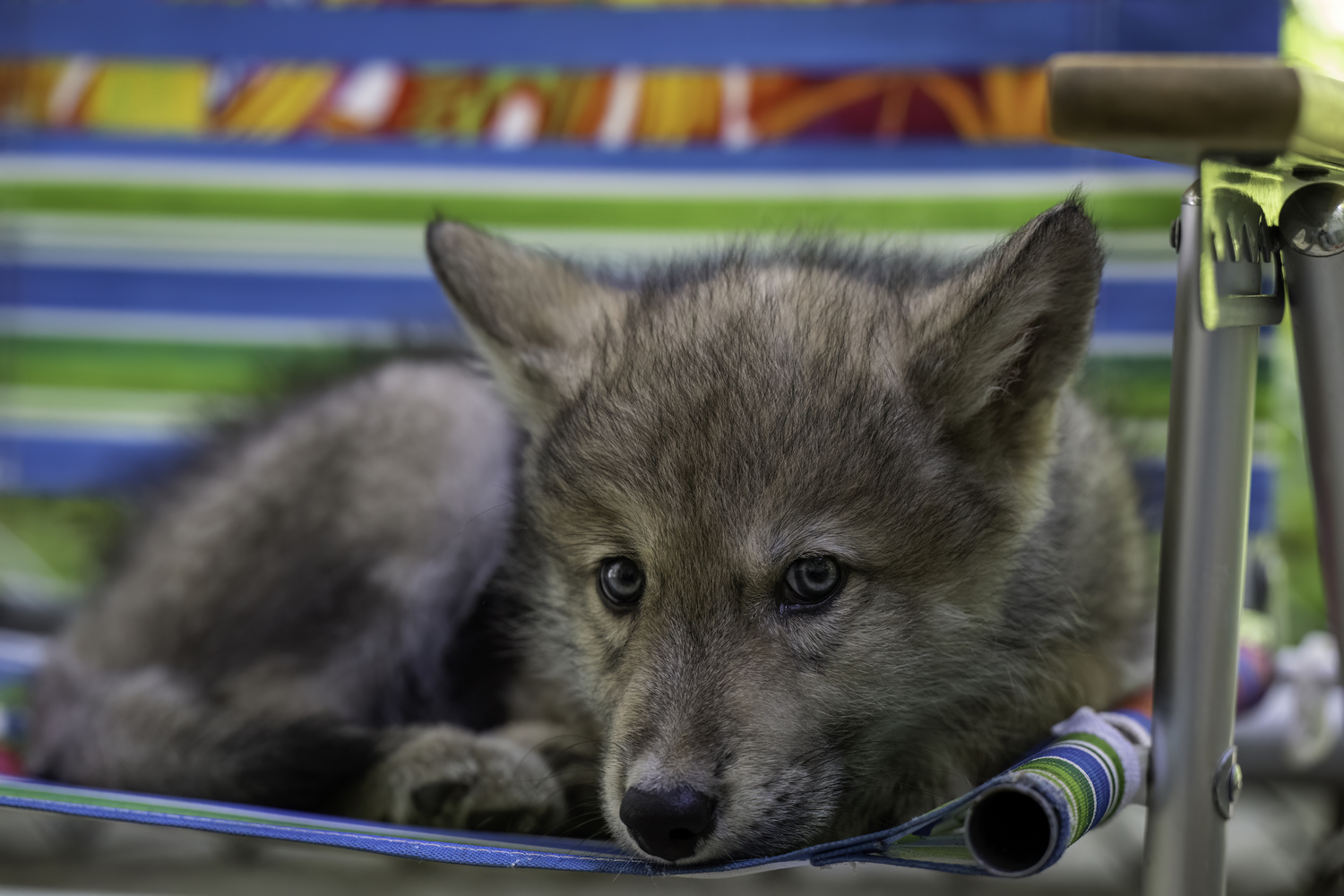
Silas, another ambassador wolf, as a pup. MARIANNE BARNETT
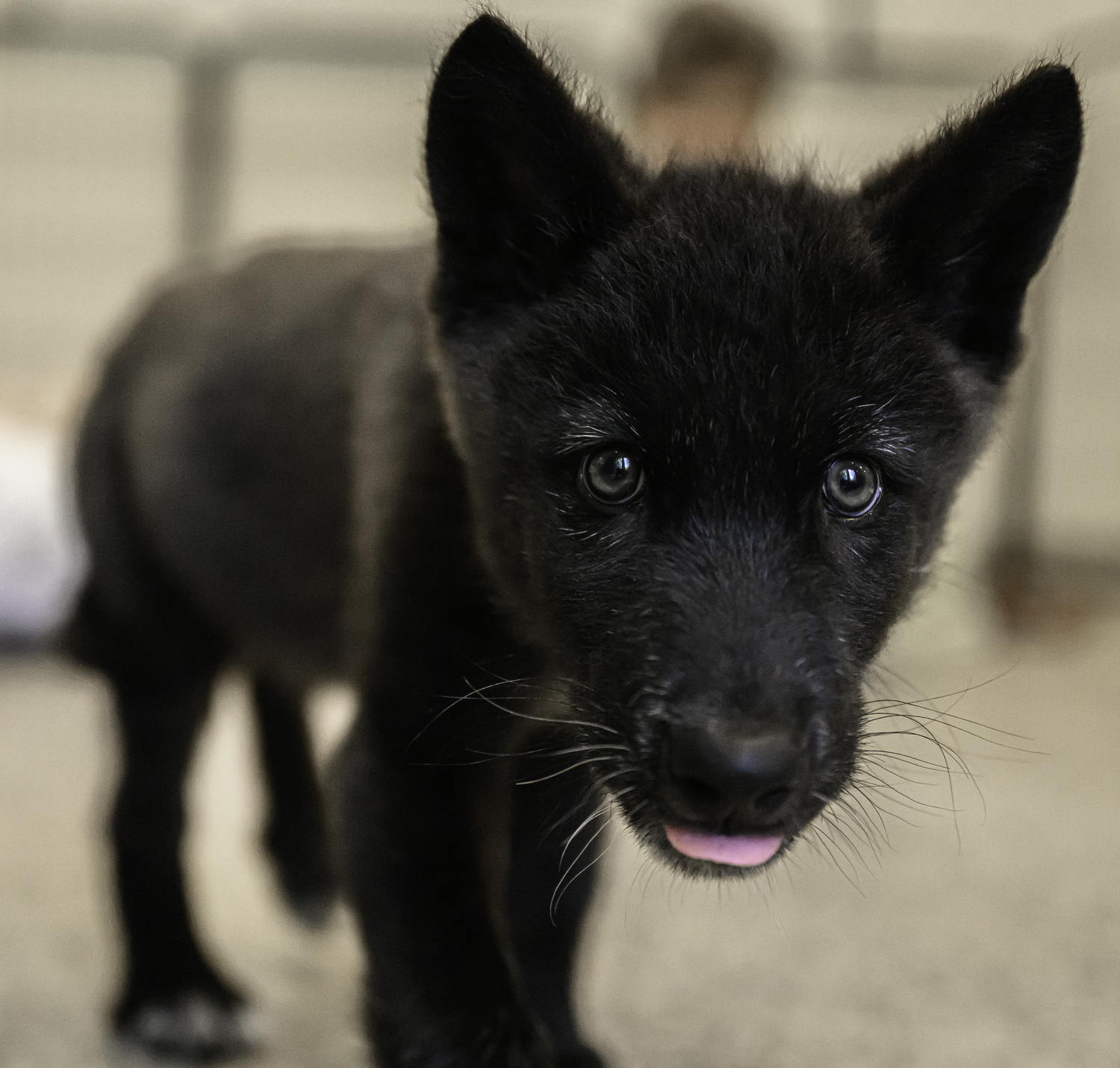
An inquisitive female pup. MARIANNE BARNETT
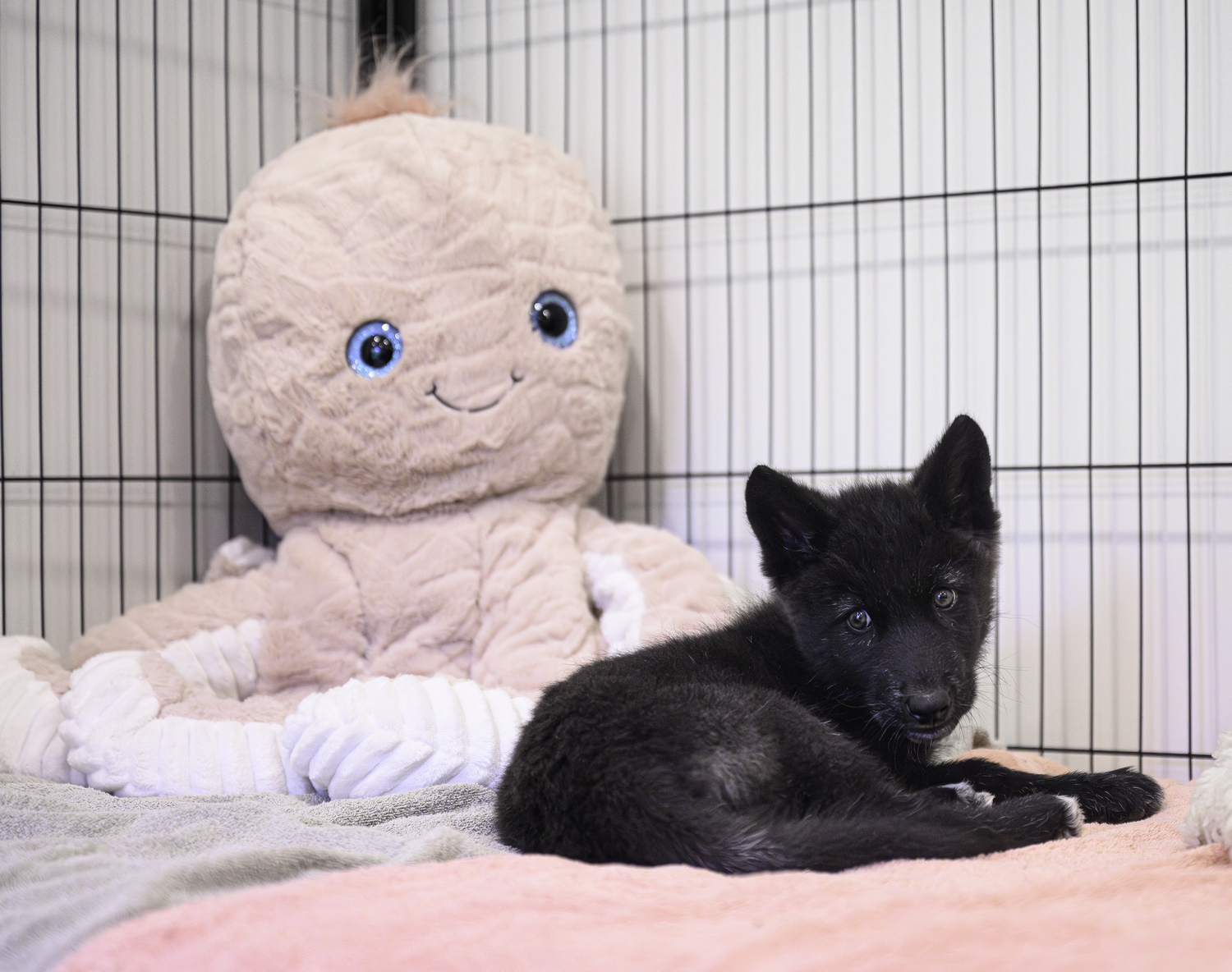
Stuffed animal octopus and the newest ambassador, a young female wolf pup. MARIANNE BARNETT
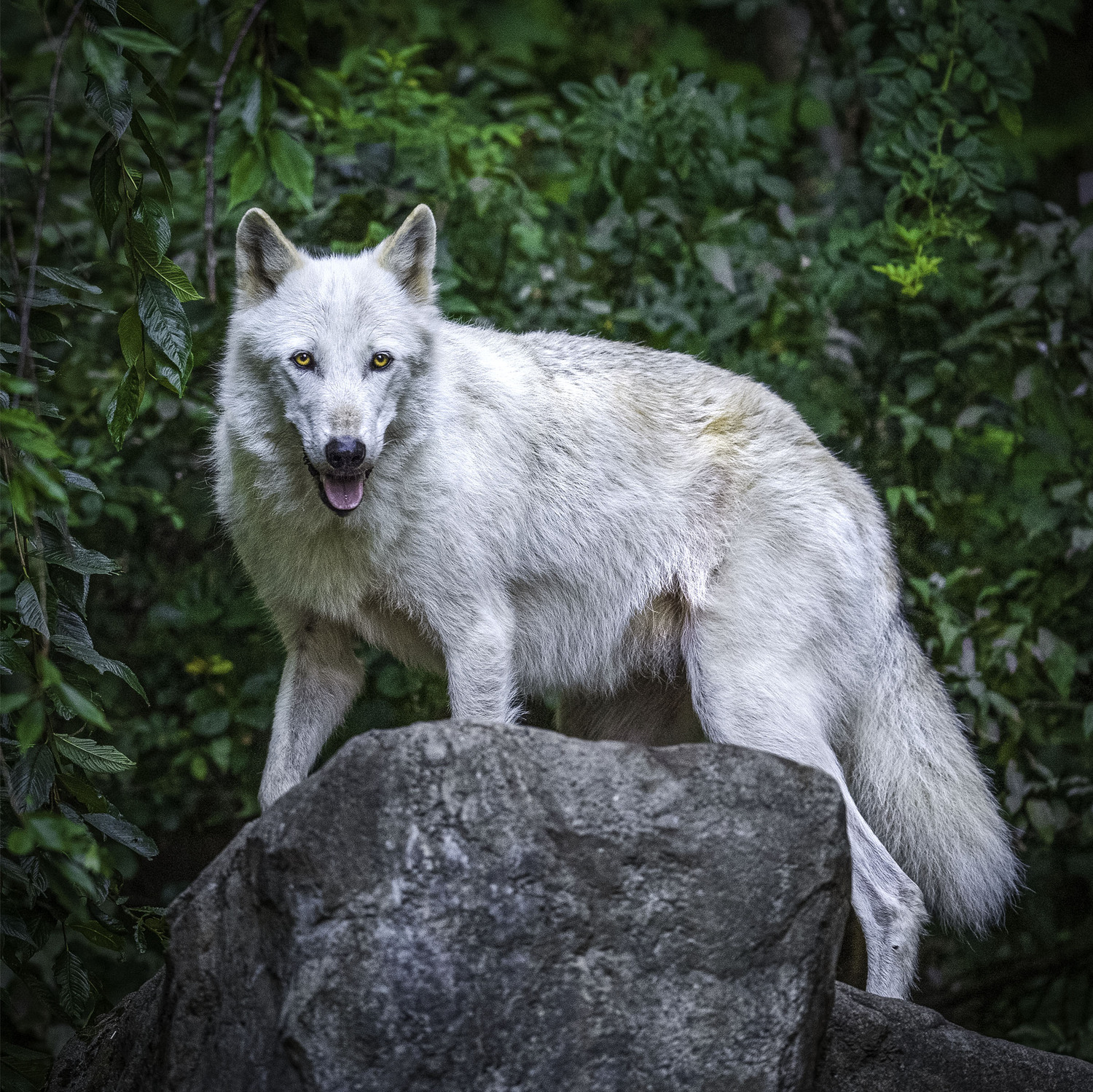
Alawa, an ambassador wolf at the WCC, on a rock. MARIANNE BARNETT
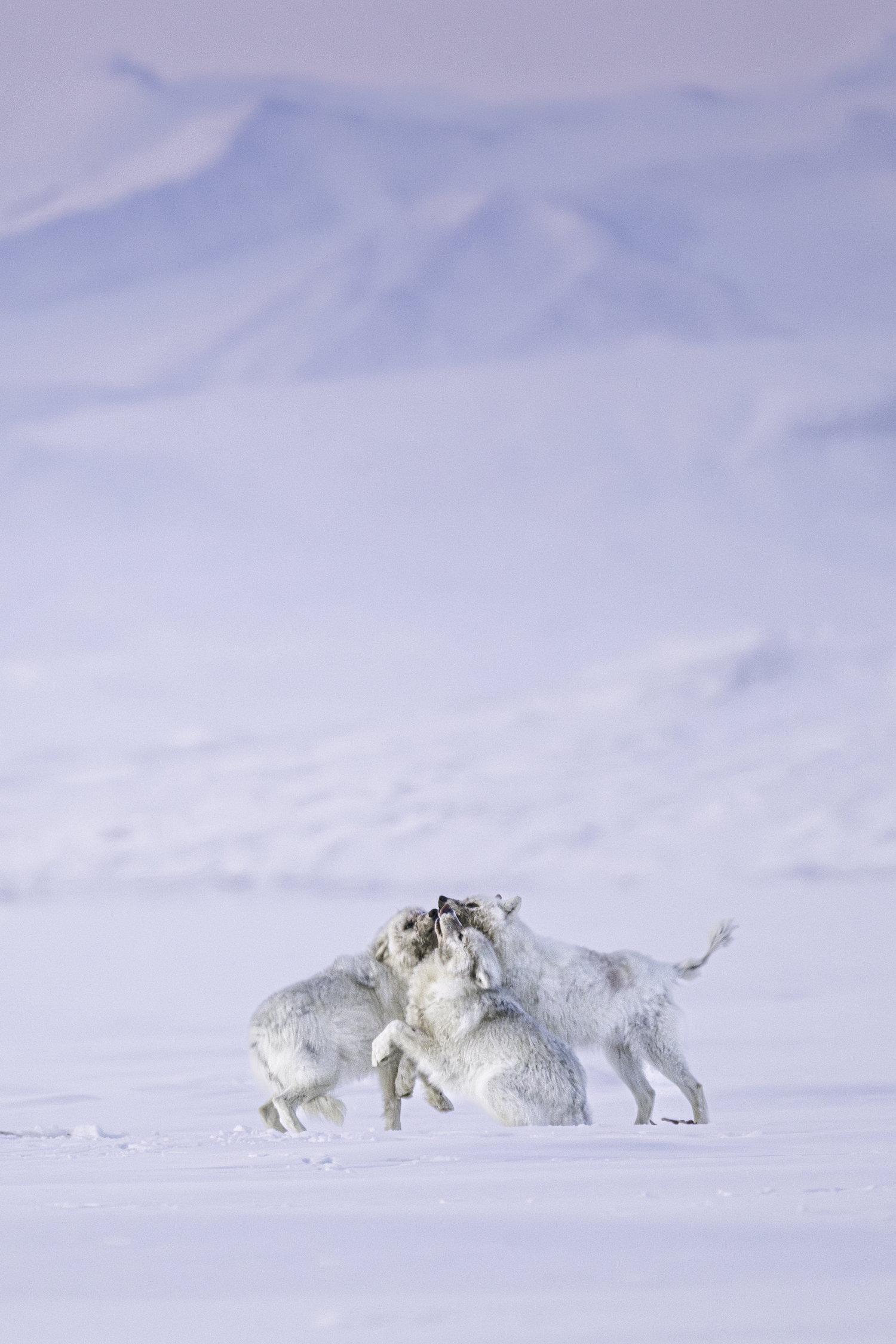
A pack of Ellesmere Island wolves enjoying family pack life. MARIANNE BARNETT
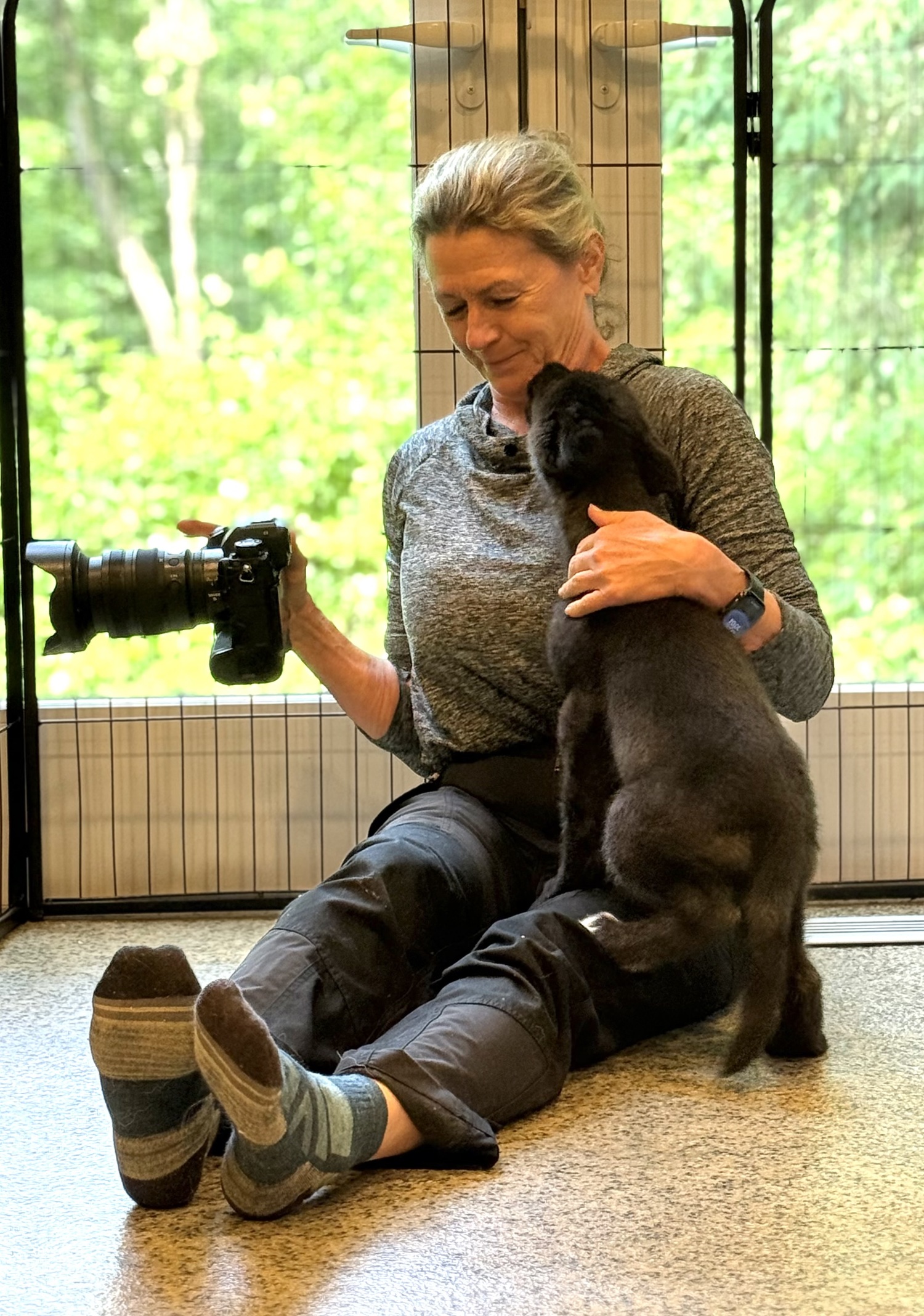
A screenshot taken from a video of me with the young female pup. MARIANNE BARNETT
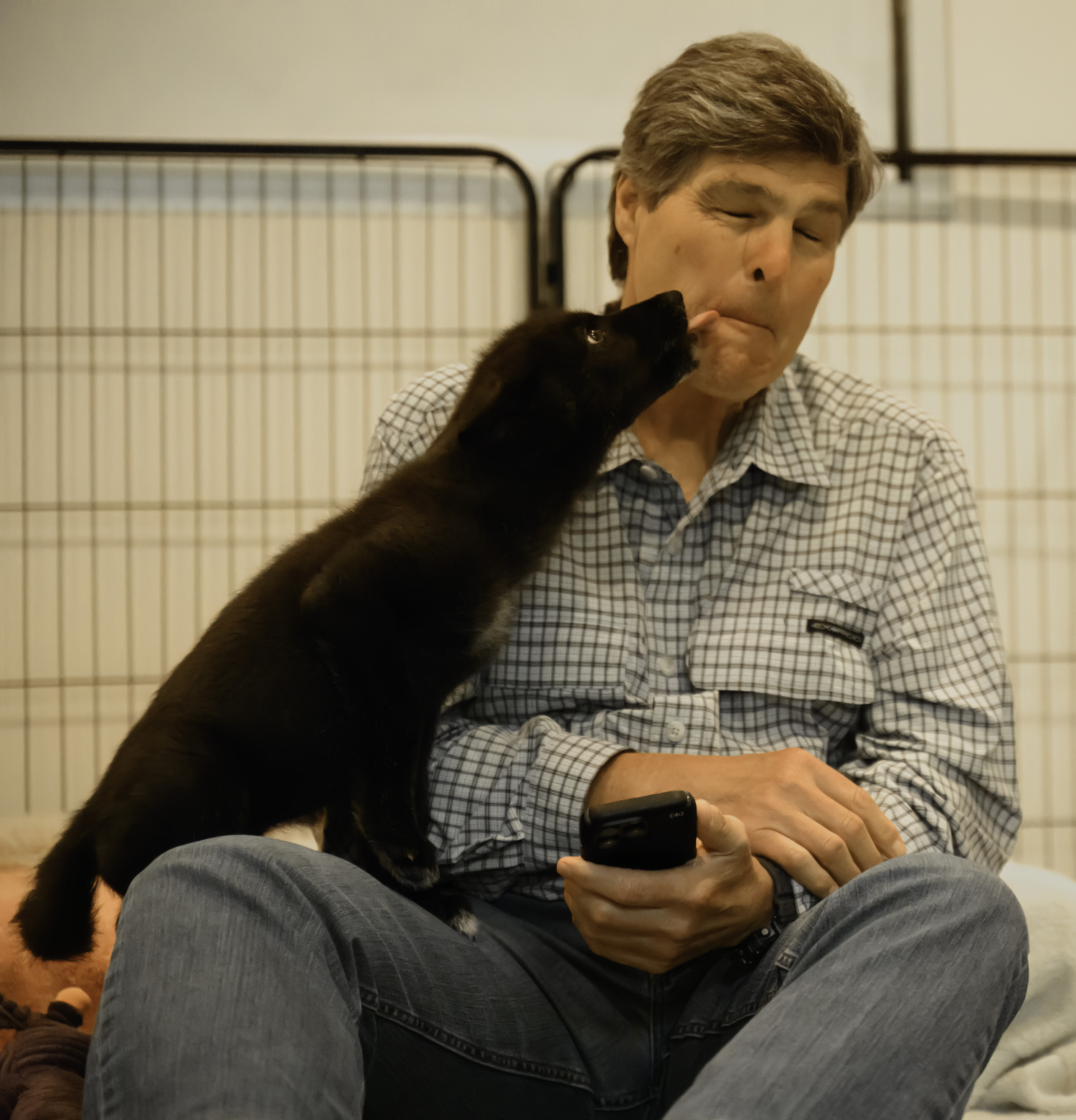
The young pup kisses my husband Michael. MARIANNE BARNETT
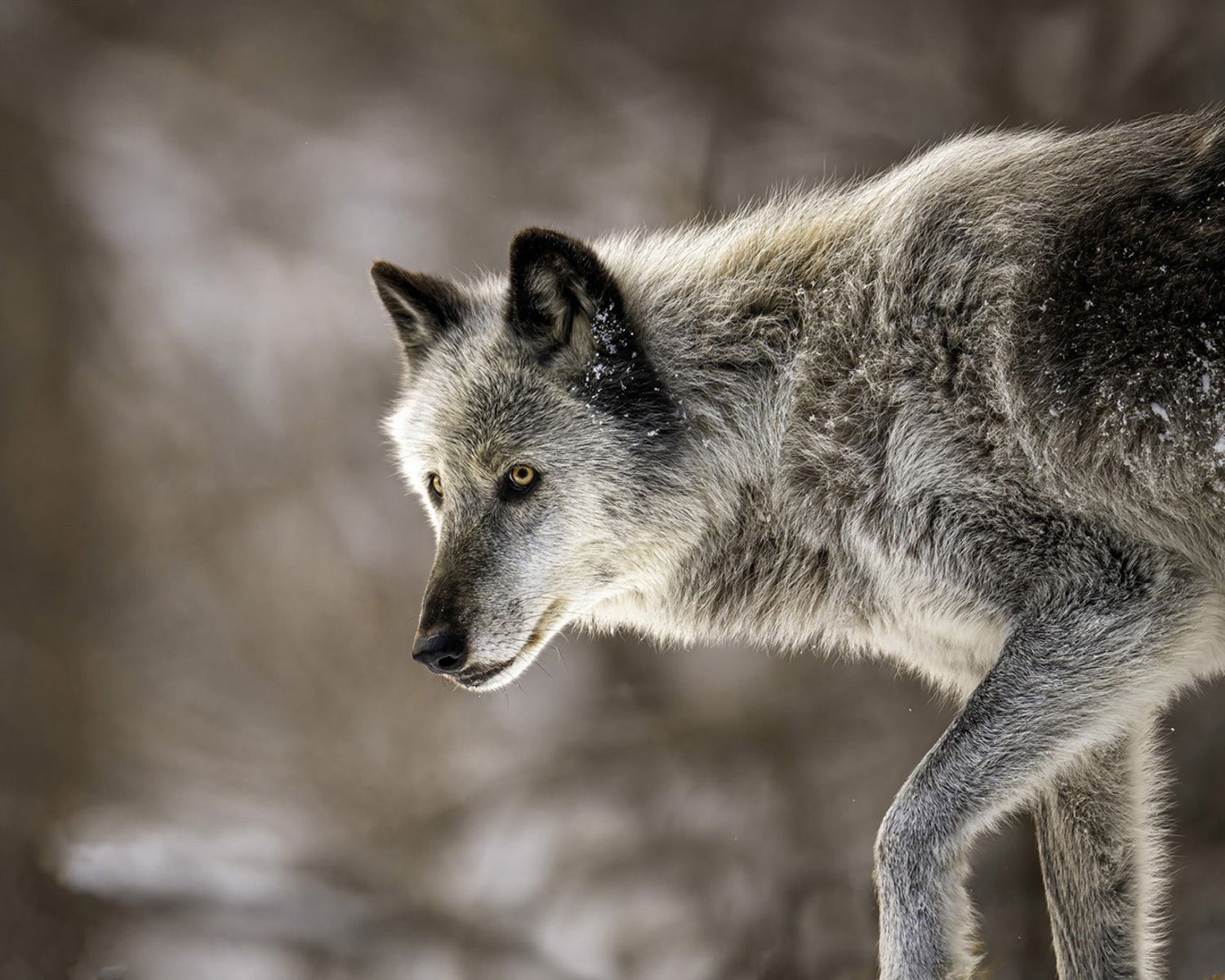
Zephyr, a grey wolf and "ambassador" at the Wolf Conservation Center. MARIANNE BARNETT

Having just returned from the high Arctic on Ellesmere Island, where man has not interfered with the wildlife ecosystem as it relates to wolves, it hearkens me to reflect on how my generation was subjected to negative bias about them.
We all read “The Three Little Pigs,” where the Big, Bad Wolf would blow their house down. Another common saying used was: “A wolf in sheep’s clothing.” And: “Throw someone to the wolves.” And there are many more sayings that erroneously demonize the perception of the wolf.
Nothing could have been further from the reality of what I witnessed from these Arctic wolves on Ellesmere Island, which had only seen a few humans in their lifetime: trusting, social and curious wolves living in family packs. Playing, sleeping, hunting and grooming each member of the pack was a common occurrence we witnessed. They licked each other’s wounds and cleaned each other’s faces after feeding as a family. They approached us with curiosity, and never did I feel they would harm us.
Native Americans held wolves in high esteem. They admired wolves and viewed them as spiritual guides and symbols of loyalty and leadership. Many tribes viewed them as sacred.
So, what happened?
I certainly can’t list all the reasons we eradicated wolves from our country, but it was mostly driven by fear of predation on domesticated livestock, and just plain fear of the wolf. It’s still true today in many communities out West, where gray wolves have been reintroduced as a keystone species.
I know of many dedicated groups trying to reverse this paradigm as we speak. The Wolf Conservation Center in South Salem, New York, is one of them and has been actively advocating on behalf of the wolves in many ways. They currently have three ambassador wolves. Two of them are able to be viewed and visited in regular programs that they offer. Their names are Nikai, meaning “little saint” or “one who wanders,” and Silas, meaning “of the forest” in Latin. These wolves are there primarily to introduce people of all ages to the stewardship and responsibility we should play in the role of wolves today.
There is a new wolf pup there as of a few weeks ago. Silas and Nikai were named by supporters of the WCC, and this new 8-week-old female also will be named by one of their many suggested names. They currently have 1,700 proposed names from people who support wolves at WCC, as of this writing!
My husband, Michael, and I were fortunate to be the first public people to meet and spend an hour with the new unnamed pup. She is currently being nannied by humans to better prepare her for her ambassador role. She soon will be introduced to her new pack mates and live with them, serving her important role of teaching more people to advocate on the wolves’ behalf.
The little female was friendly, curious and very active, pulling on my zippers and socks. She licked us and let us rub her belly, which she thoroughly enjoyed. She played with her toys, cuddled with her favorite stuffed animal (an octopus), and, of course, had a wicked case of the “zoomies.”
My observations and understanding of wolves has been shaped by many visits to the WCC; now having experienced wolves in the wild untouched by man. I hope you will take a moment to go onto their website, nywolf.org, and see how you too can better understand the wolf’s rightful place among us.
In the words of the person who studied the wolves for decades, David Mech, “The wolf is neither man’s competitor nor his enemy. He is a fellow creature with whom the Earth must be shared.”
More Posts from Marianne Barnett


