


 5 Photos
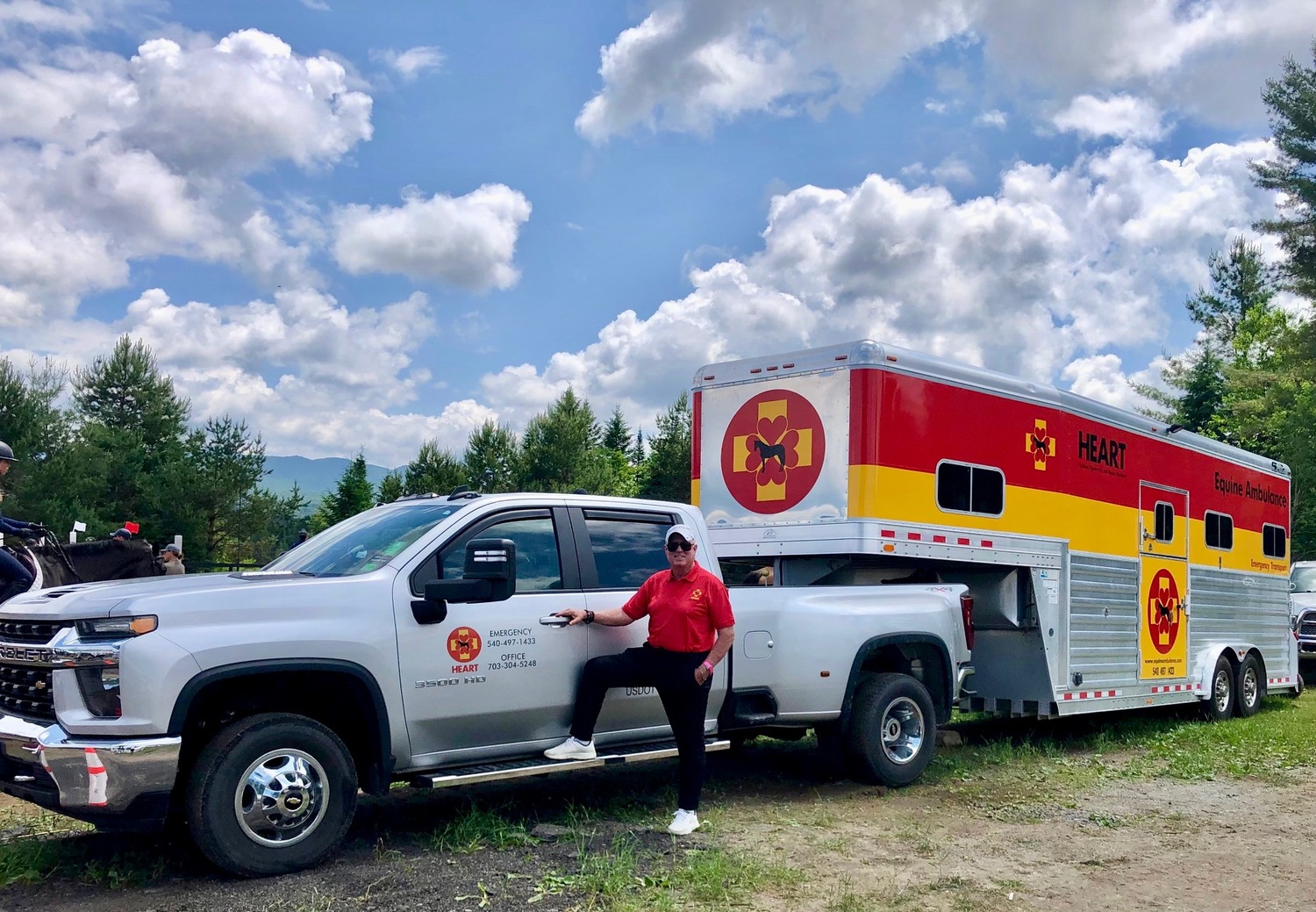
The HEART equine ambulance is on-call at horse shows like the Hampton Classic to provide rapid transport for equine athletes to hospitals in the event of an injury or serious illness. COURTESY HEART
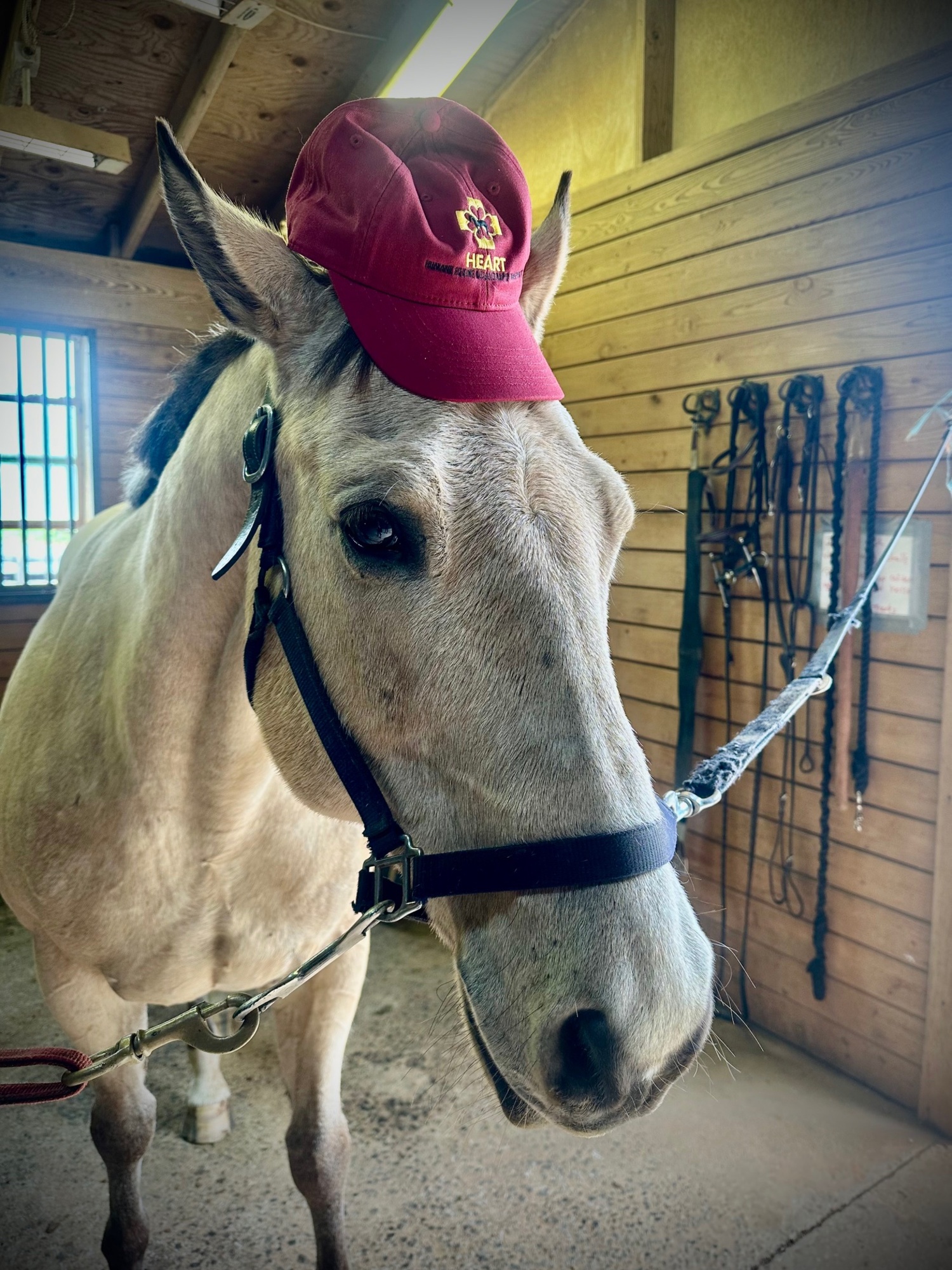
The HEART equine ambulance is on-call at horse shows like the Hampton Classic to provide rapid transport for equine athletes to hospitals in the event of an injury or serious illness. COURTESY HEART
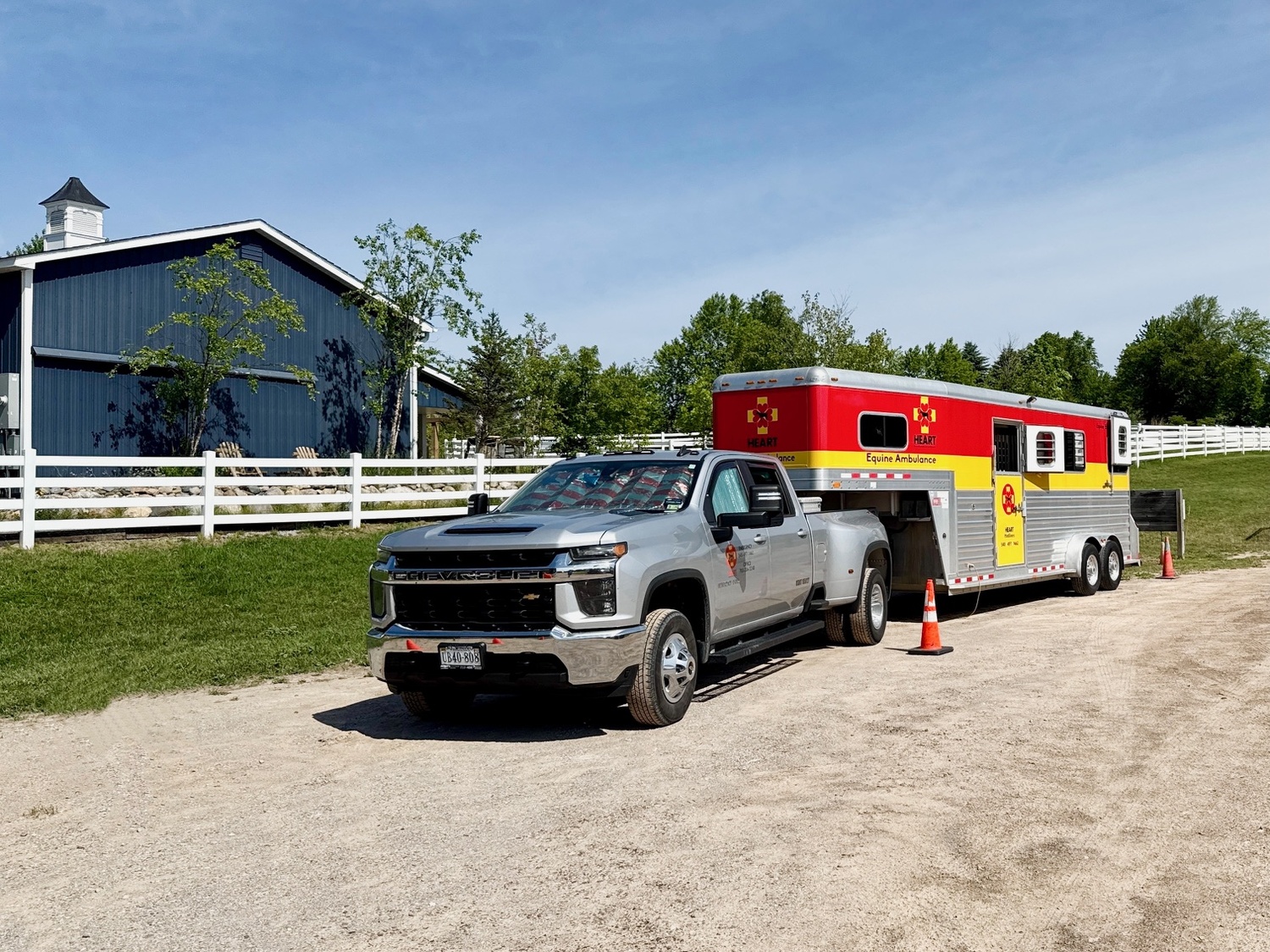
The HEART equine ambulance is on-call at horse shows like the Hampton Classic to provide rapid transport for equine athletes to hospitals in the event of an injury or serious illness. COURTESY HEART
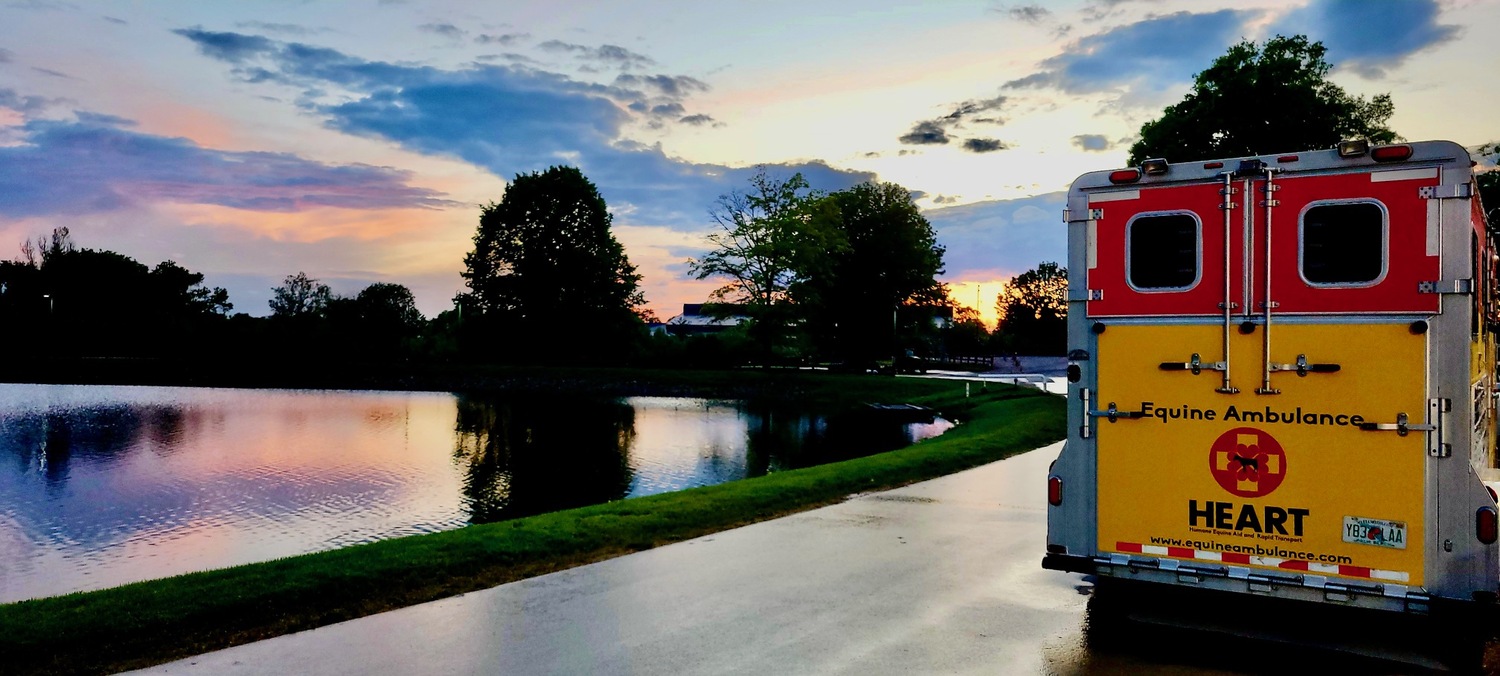
The HEART equine ambulance is on-call at horse shows like the Hampton Classic to provide rapid transport for equine athletes to hospitals in the event of an injury or serious illness. COURTESY HEART
The HEART equine ambulance is on-call at horse shows like the Hampton Classic to provide rapid transport for equine athletes to hospitals in the event of an injury or serious illness. COURTESY HEART
Most people, even those who don’t know much about horses, can appreciate that horseback riding can be a dangerous pursuit. It’s why seeing an ambulance at an equestrian competition — especially one like the Hampton Classic, where hundreds of riders are piloting their horses over huge jumps, often at high speed — is not an uncommon sight. It’s not a question of whether riders will fall off and sustain injuries, but simply how many, when, and how severe.
But the four-legged athletes are susceptible to injury while competing too, and ensuring they have proper and humane care, especially in emergency situations, hasn’t always been easy.
That’s how HEART was born.
HEART — which stands for Humane Equine Aid and Rapid Transport — is a nonprofit organization created in 1997 by Meri Straz and Jill Parsons, with a mission to provide state-of-the-art emergency transportation services for injured or ill horses. The HEART equine ambulance is a large horse trailer rig that remains connected to a truck and can be found on site at many big horse shows throughout the country, up and down the East Coast and as far west as Nebraska. The HEART equine ambulance has been a regular fixture at the Hampton Classic Horse Show for many years, typically parked behind the grandstand area on the showgrounds, recognizable by its bright yellow and red markings on the trailer — with trained staff on call all day, ready to respond in case of an emergency.
HEART ambulance attendants are not veterinarians but are trained and certified in large animal rescue by Technical Large Animal Emergency Rescue Inc., which offers nationwide training for emergency response services.
Erick Nagy is one of those attendants. He’s been working for HEART since 2007.
A career in the horse industry wasn’t intentionally set out to pursue. When he was just 15 years old and in search of some kind of summer job, he started working with thoroughbred racehorses at Delaware Park Racetrack in Delaware, not far from his home. Despite having no experience with horses, Nagy and his friend were hired and started off “walking hots,” which means hand-walking horses to help them cool down after strenuous exercise.
“Some guy hired me and taught me horsemanship, and that’s where it all started,” Nagy said last month, while stationed with the HEART ambulance at a horse show in Traverse City, Michigan. “I just fell in love with horses.”
Eventually, Nagy moved away from the thoroughbred racing industry and started working in the horse show business. He was a groom, managed a farm and also had his own horse transport business, before joining the HEART team. He found his way to that job through his acquaintance with Robin Sweely, the owner of Acorn Hill Farms, a show barn and training operation in Virginia. Sweely, an accomplished Grand Prix rider, is the president and director of operations for HEART and has been with the organization since 2000.
Several members of the Hampton Classic staff and Hampton Classic Board of Directors also serve on the board of HEART, including Hampton Classic Executive Director Shanette Barth-Cohen, HEART’s vice president, as well as Tony Hitchcock, Reyna Archer and more.
Nagy explained why having an equine ambulance on site at horse shows is so crucial, and how it can literally be a matter of life and death for horses who suffer injuries or fall ill.
“Horses can put themselves in the craziest positions and get themselves in very precarious positions,” he said.
During the training process for becoming an equine ambulance attendant, Nagy said he and other attendants learned how to rescue horses from water and mud, from an overturned trailer, and other emergency situations. In some of those training sessions, they worked with a horse dummy, but they also had the opportunity to work with live, well-trained horses, as well as a llama, which he said was great because it created a more realistic simulation of what they’d encounter in a real emergency situation.
“You learn what to do and also what not to do to put yourself in a bad situation,” he said. “Because when horses are in those scenarios, they’re freaking out, and the whole flight instinct is activated.”
The main benefit of the equine ambulance is that it provides the most valuable commodity a horse and its owner need in a crisis situation — time.
“If a horse gets hurt during competition, we can get the horse out of the ring and to the clinic ASAP,” Nagy said. “We can get out there and get screens up fast so the public doesn’t see what’s going on or try to record it.”
“It’s just a horse trailer,” he said. “The only thing that sets it apart a bit is that, if the horse isn’t able to walk on its own, we have a sled we can use to get the horse, and we have a winch to pull the sled onto the trailer.”
Because the equine ambulance is on site, always connected to the truck, and near the competition ring, with a team of attendants trained at putting the horse on the trailer, an injured horse can be transported to a veterinary facility fast. At most horse shows, the horse trailers used to transport the horses to the show are disconnected from the truck and parked far away from the competition area. The time it would take for someone to get to their truck, drive to the trailer, hitch it up, and drive it over to the scene of the emergency could be a matter of life or death for a horse, especially when dealing with colic, a digestive system emergency that can come on very quickly and be fatal for horses.
“When you’re dealing with colic, time is critical,” Nagy said.
Horses who require emergency transport if they suffer an injury or illness at the Hampton Classic are taken to Cornell Ruffian Equine Specialists, an equine hospital in Elmont, near the Belmont racetrack. It can be a long drive, especially in summer traffic. The HEART attendants don’t administer care to the horses on the ambulance; their job is simply to get them loaded and transport them for care as quickly and safely as possible. But if they need care during the journey, a veterinarian can ride on board. With colic, sometimes the ride on the ambulance is enough to jolt the horse’s digestive system back to normal, Nagy said. He remembered a time when that happened during a transport from the Hampton Classic.
“We were driving on Noyack Road, and all of a sudden I heard one of the attendants hooting and hollering from the back, screaming ‘he s---! He s---!’” Nagy said with a laugh. “I’ve never heard somebody so excited about a horse going to the bathroom.”
That’s a story that gets a laugh, but Nagy’s favorite story from his years with HEART is more sentimental than that.
“We were at a horse show in Kentucky, and a horse was in the schooling area, preparing for competition,” he said. “I’m not sure what happened, but the horse fell over a jump. The rider broke her collarbone or shoulder, and the horse broke its elbow. We had a hard time getting this mare in for transport, but we got her to the clinic. They took x-rays there, and they didn’t feel that they could save her. So the owner asked us to take her to another clinic for a second opinion. We got there and dropped [the horse] off and they ended up doing surgery. That was several years ago, and that mare has four foals on the ground now. She never made it back as a competitor, but she’s living a great life out in Texas and had four babies. Had we not had the time to take her to another clinic, she would have been euthanized.”
For more information on HEART, visit equineambulance.com.


 Cailin Riley on Aug 20, 2025