


 3 Photos
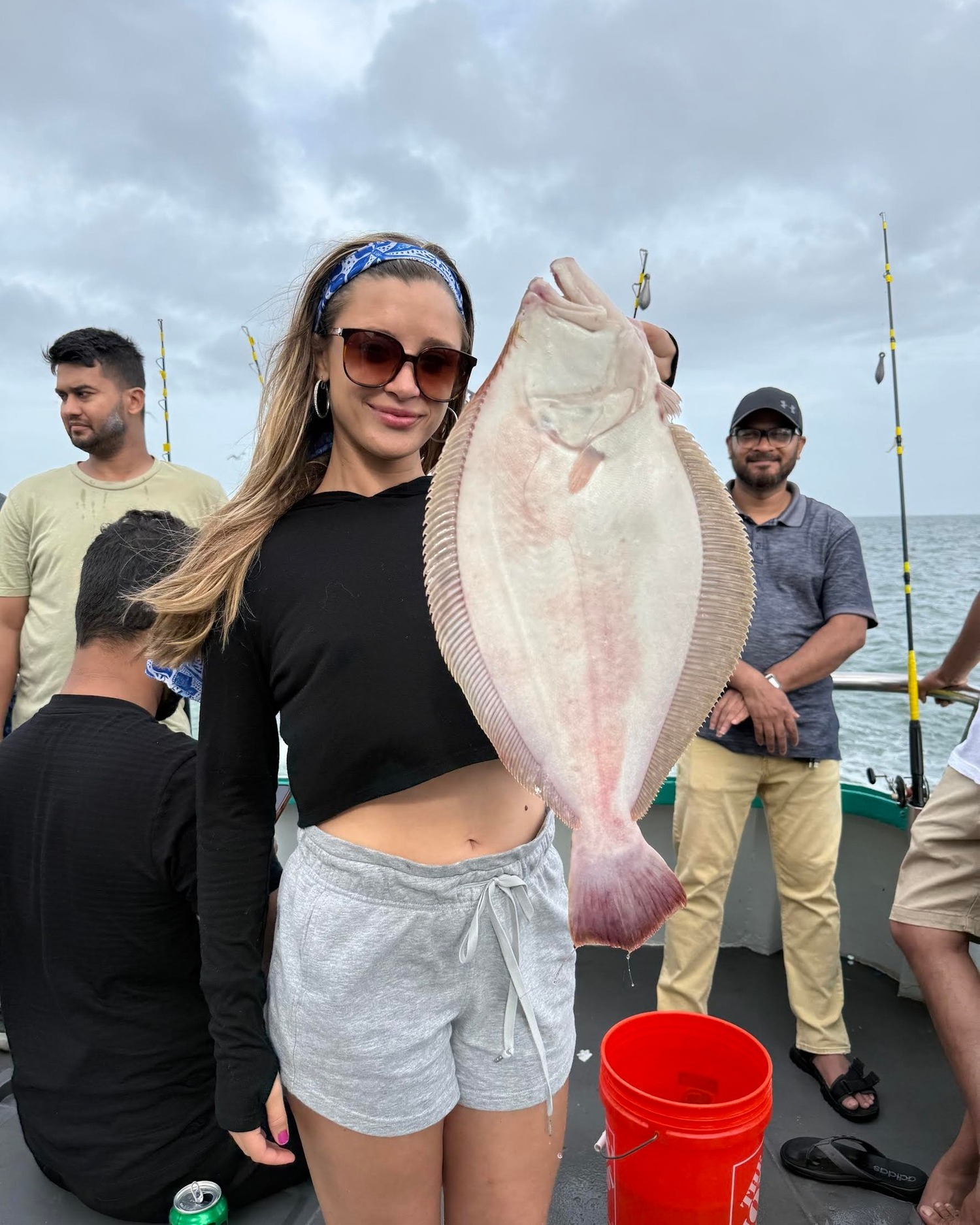
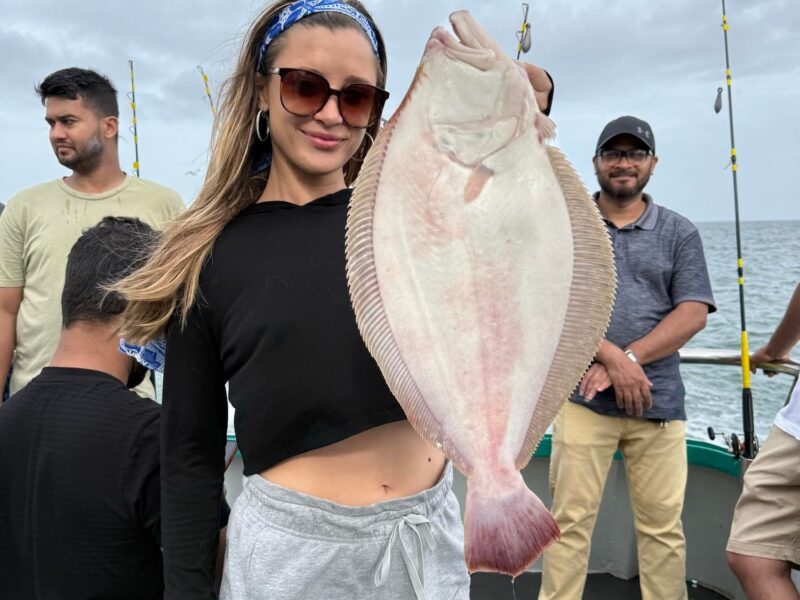
Fluke fishing off Montauk is gradually ramping up again after the Hurricane Erin swell died down. COURTESY OF THE VIKING FLEET
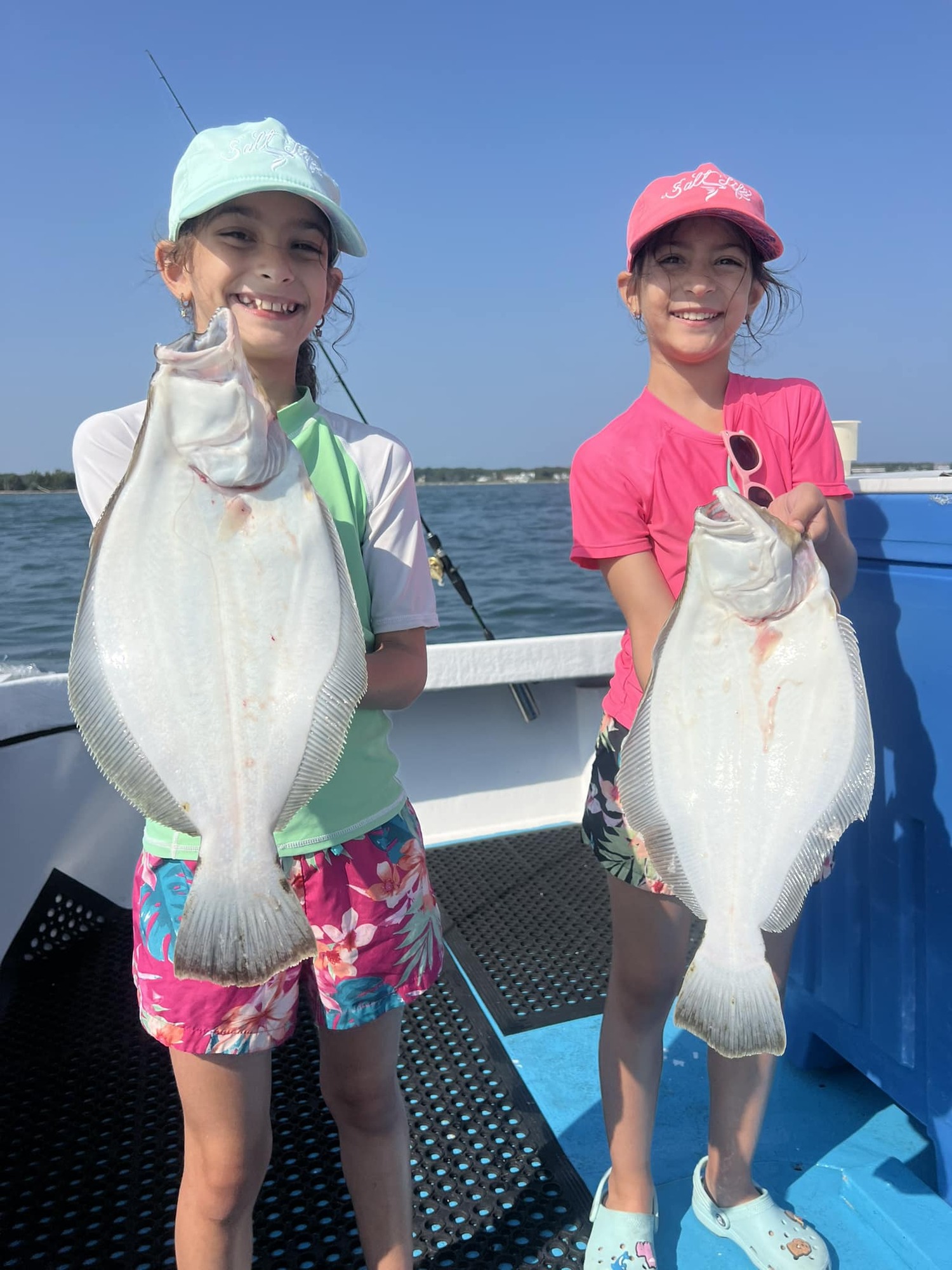
Young anglers are enjoying the last days of the summer fishing season before they head back to school. Luckily for these tykes, the fluke bite inside Shinnecock Bay stayed good while the swell from Hurricane Erin had the ocean stirred up. COURTESY HAMPTON LADY FISHING
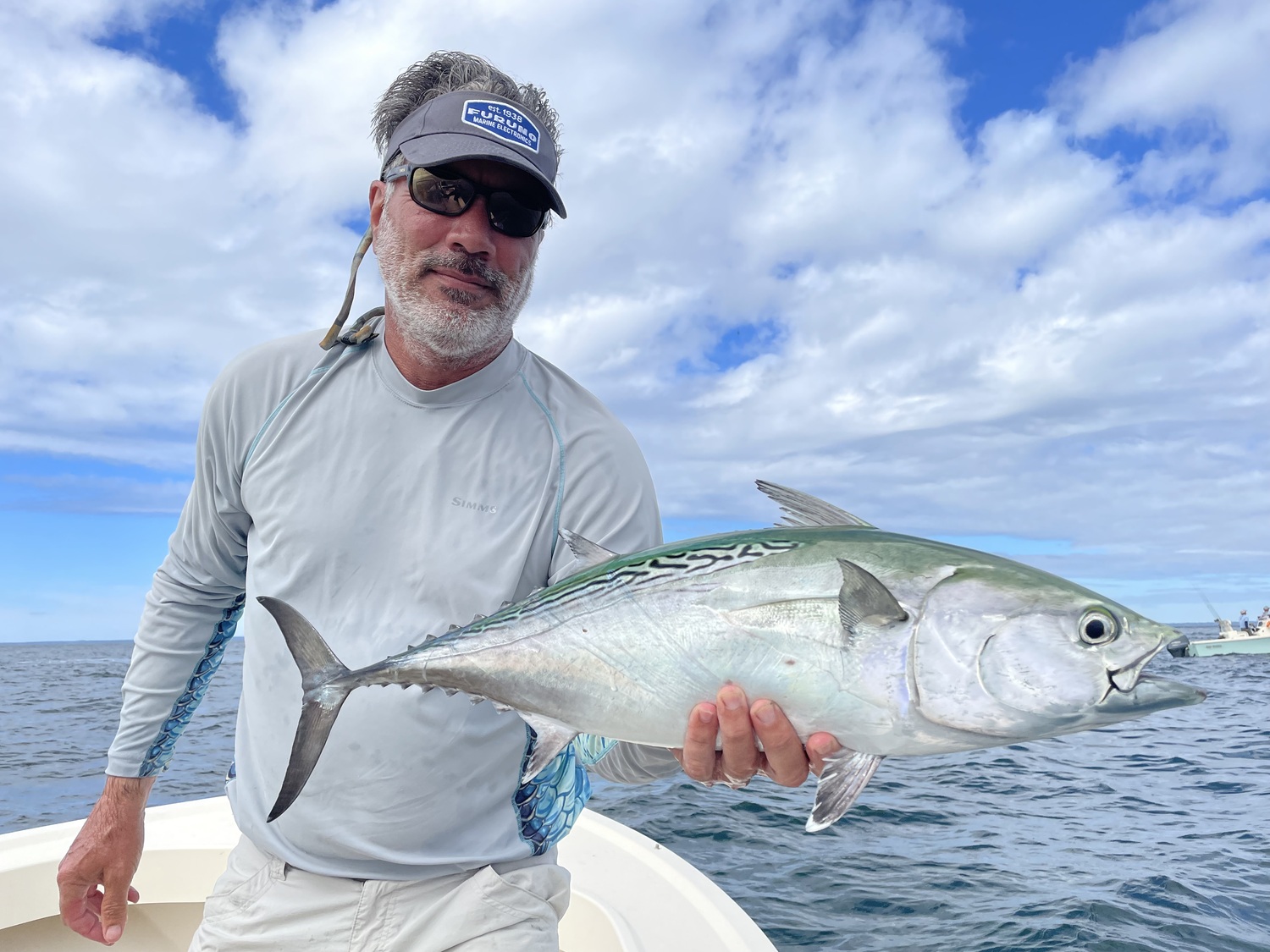
Don't get too excited. The albies aren't here yet. But light tackle anglers are waiting with bated breath to see if they put in a good showing this year.

Hurricane Erin was all the news last week as she slipped past us, with only the most glancing effects here on the South Fork, mainly in the form of the big waves that roared ashore.
But, essentially unrelated to her passing, we got our first real easterly cold front of the late summer, and it brought with it all the feels and smells of the coming fall.
It also appears to have brought the striped bass back to Montauk. When Erin’s swells subsided to a low rumble on the rocks of Montauk, and the first surfcasters and boat captains ventured back out, they found that stripers were again roaming the reefs and rocks in the shadow of the lighthouse.
Some big stripers were caught by bucktailers in the rips, and a smattering of schoolies and teens fish were once again feeding on the points.
The ocean has still not fully settled down, and we shifted back to a summer weather pattern for a few days early this week, but I suspect that when the seas go still and this week’s north winds pick up, we’ll start to see some real signs of the fall fish migration starting.
Anticipating the fall migration brings a lot of unknowns these days, and a fair amount of anxiety for the light tackle guides and charter captains who rely on the big migratory runs to strongly cap off their season.
Gone are the days when you could take it to the bank that at some point by late September there would be huge blitzes of striped bass boiling around Montauk, on an almost daily basis, for two or three months straight. We still get the blitzes here and there, but they are much more unpredictable and much fewer and further between.
Even more angst-inducing for many of us is to wonder what the false albacore will do this year. The last two years were by far the worst albie seasons since the very early 1990s, and there are a lot of folks worried about whether that will simply be an anomalous wrinkle chalked up to the foibles of Mother Nature — or something more sinister.
The problem two years ago seemed to be that a couple of big tropical systems in early September muddied up the ocean real bad and pushed the albies up into Long Island Sound, and they just never really found their way back out.
But last year was just bad, and there was almost no explanation for it. Albies were essentially nonexistent anywhere around the East End of Long Island for much of the fall, aside from literally three or four days when they popped up here or there and then vanished again. I didn’t catch my first albie last year until November 11. It was the biggest albie I’d ever caught, by a long shot, but still.
One interesting thing about last year: There were tons of albies offshore all summer long. Anyone fishing for bluefins and yellowfins at the Butterish Hole was beset with them for months — to the extent that they were a more annoying pest than bluefish used to be out there decades ago. But then they never came inshore.
This year, there have been very few offshore harassing the trollers. So maybe that’s a good sign. They aren’t out gorging on sandeels all summer and not really concerned about coming in to feed on anchovies and peanut bunker inshore.
Here’s to hoping.
Since the swell, the fluke bite in the ocean has been more or less shut off and was only just starting to wake back up on Monday and Tuesday of this week.
The Shinnecock fleet was blessed with being able to fish throughout the swell inside the bay and had plenty of fluke snapping at baits — although the keeper-to-flier ratio is only about 1 in 15 or 20.
Triggerfish have moved into the rocks and wrecks, as they always do in August, and some friends had a banger trip to one of the deeper wrecks just before the storm and stuffed their coolers with ling.
Looks like we are going to get a period of very nice weather over the next couple of weeks — and no tropical systems to disturb it — so everyone should be keeping an eye out for the early arrivals. It may still be summer on the calendar, but the fish know the fall season is here.
Catch ’em up. See you out there.
More Posts from Michael Wright


