


 4 Photos
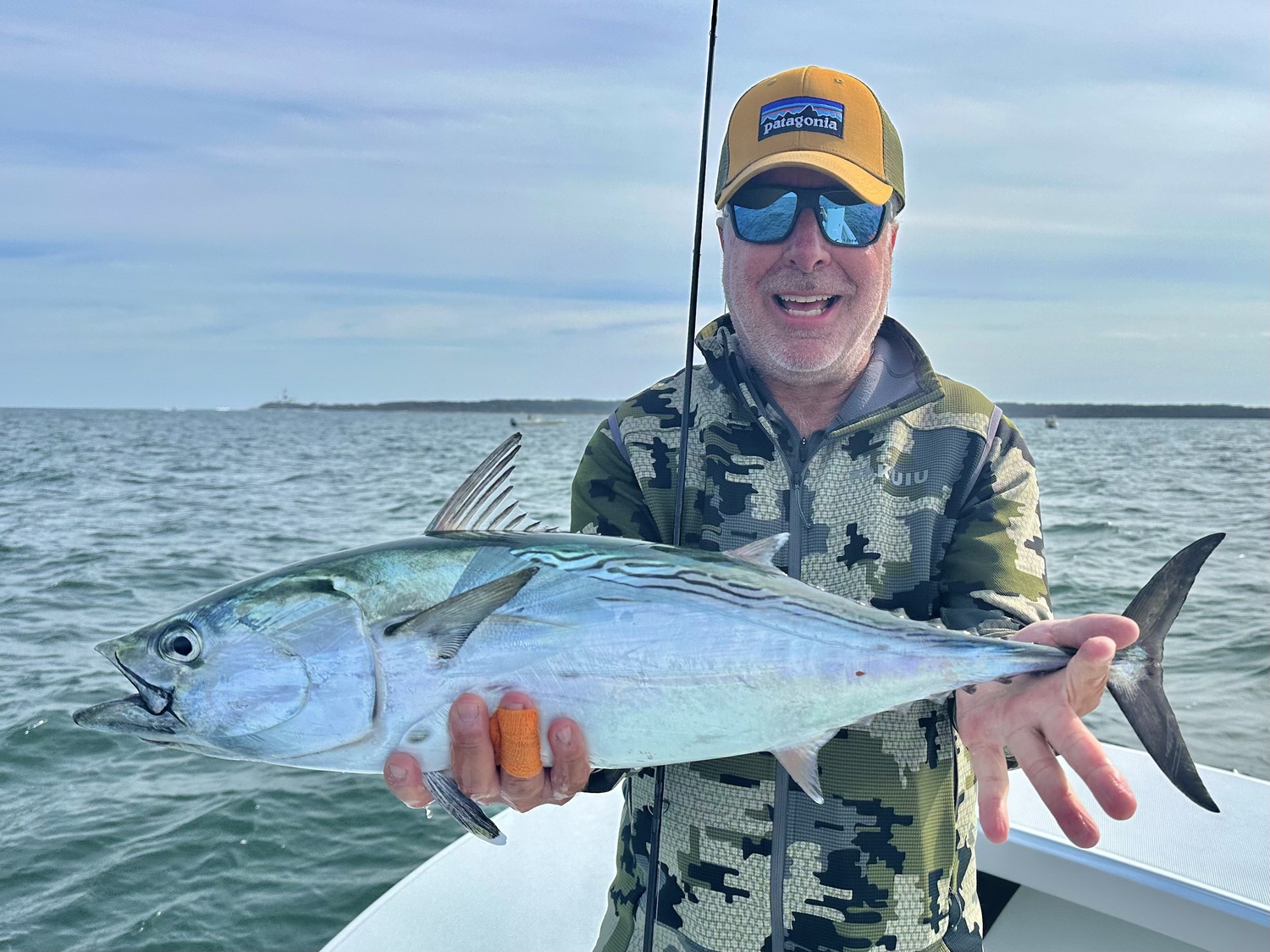
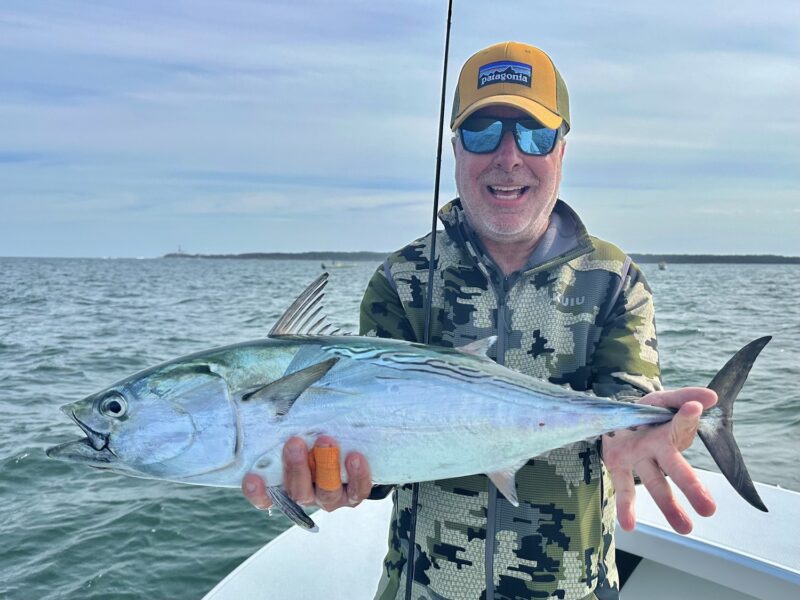
The false albacore fishing had been very good up until last week's big storm. Ted Pearlman caught this nice one fishing with Capt. Merritt White off Montauk. CAPT. MERRITT WHITE
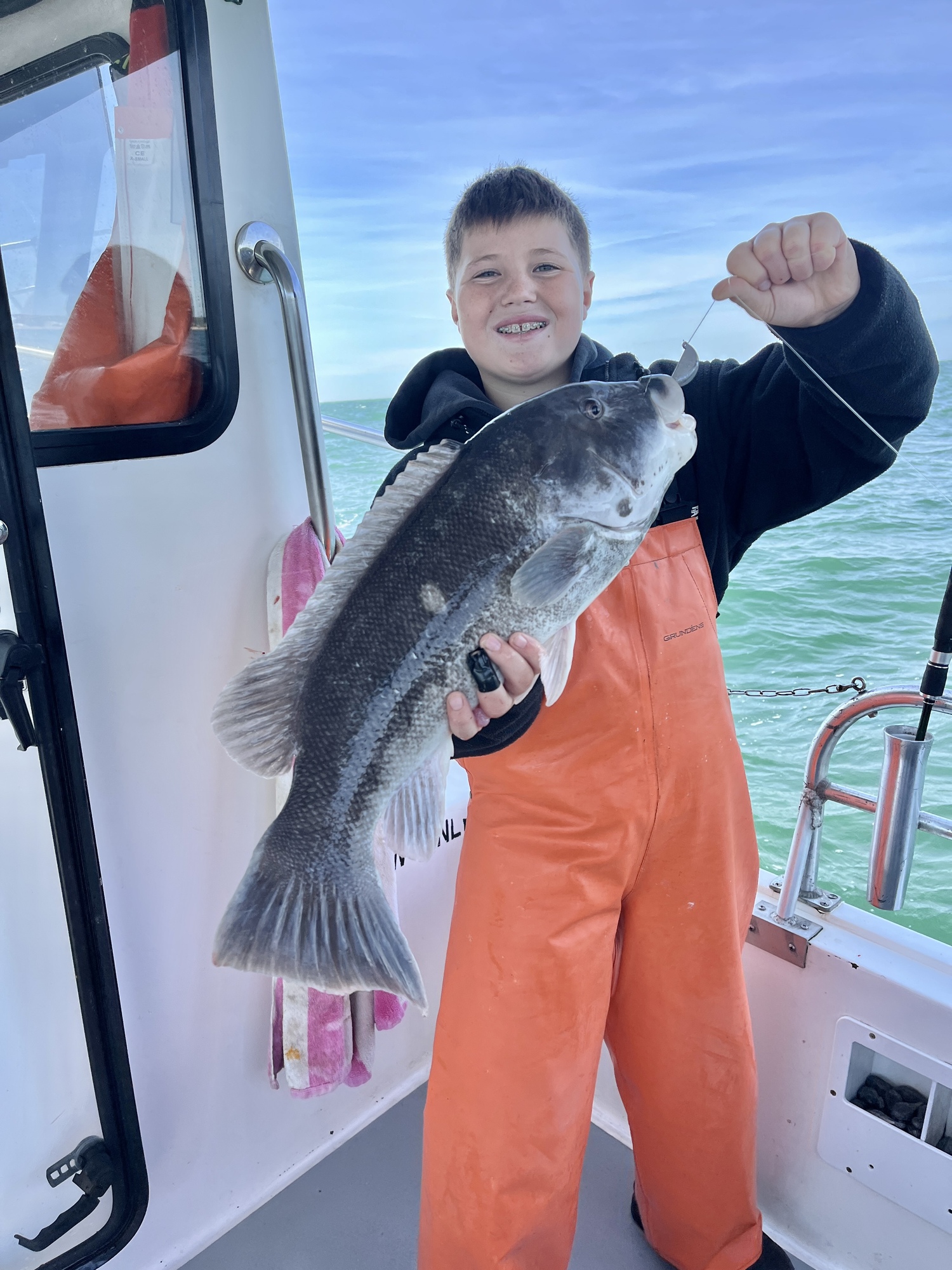
The blackfish season has opened and the tog are chewing. Adam Giunta put on a tog jiggin' clinic aboard the Montauk charter boat Double D this week. CAPT. DAN GIUNTA
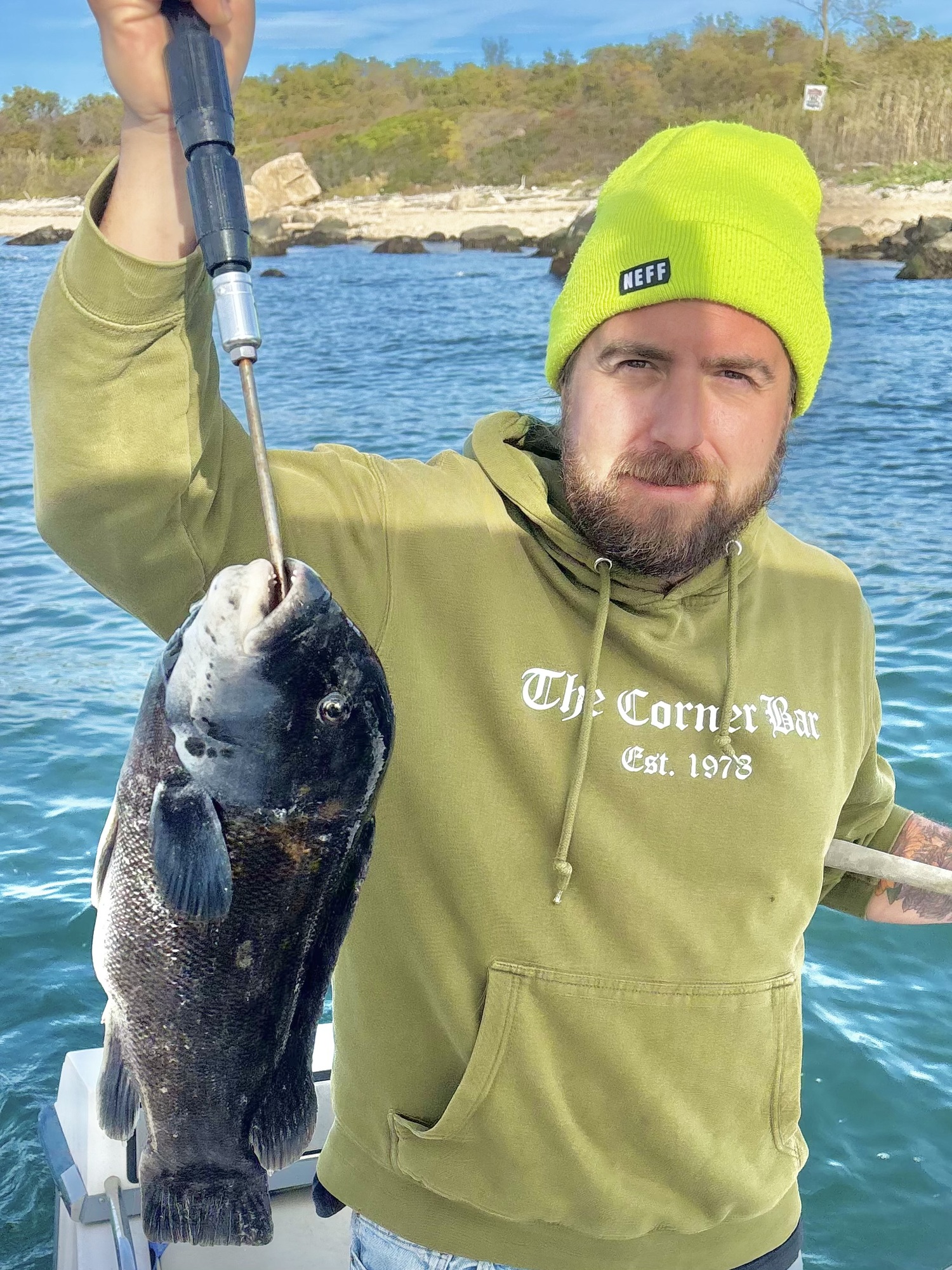
The blackfish season opened this past weekend and the tog were chewing already. Matt Brophy of Sag Harbor got this nice one fishing off the North Fork.
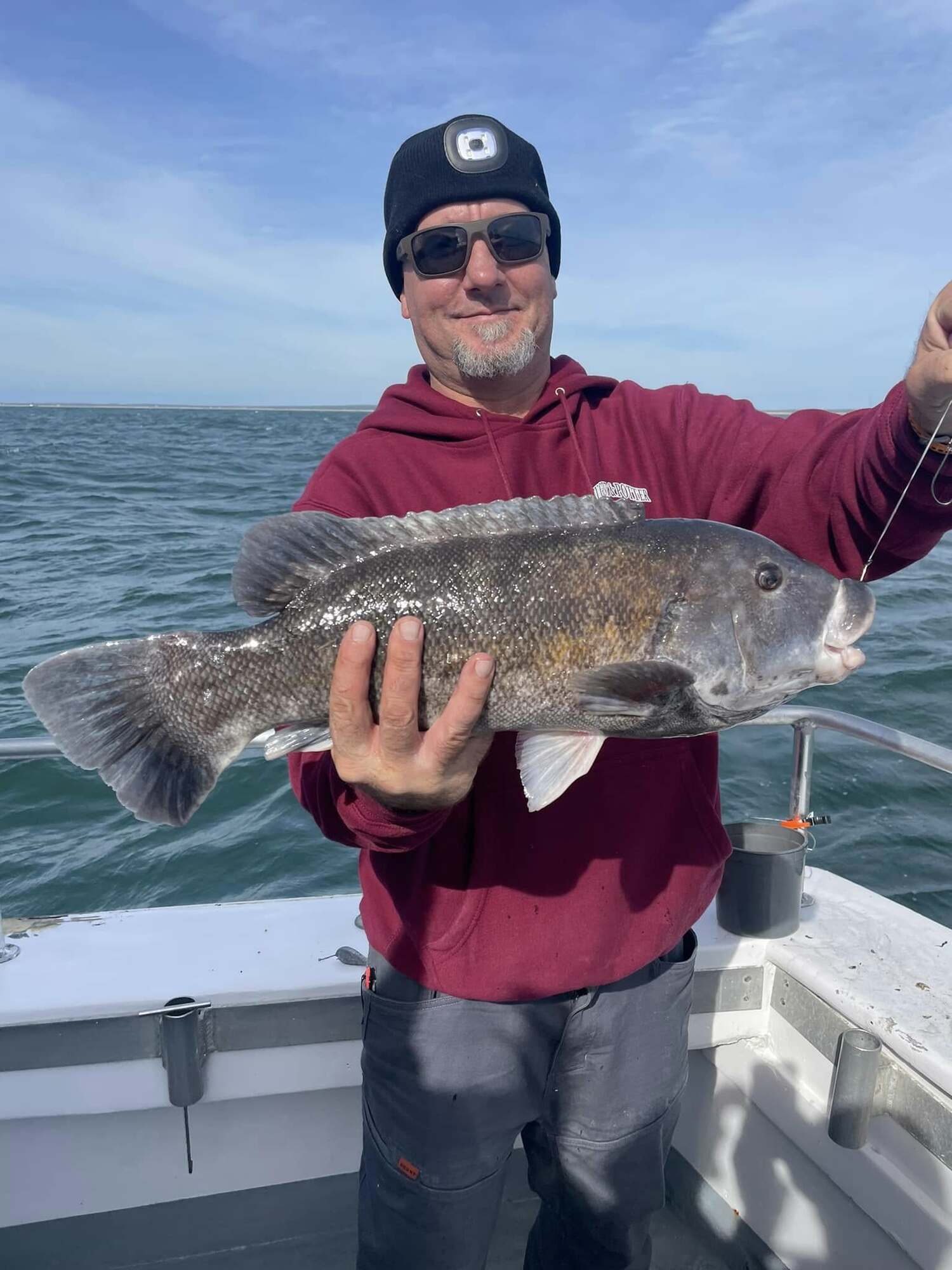
Blackfish are on the menu aboard the Hampton Lady party boat, which is sailing from Hampton Bays daily on all-day tog trips this month. COURTESY HAMPTON LADY FISHING

The blackfish season in New York opened this past weekend, and with it comes the high point of the local fishing seasons.
With the opening of blackfish, almost every angler’s favorite kind of fishing is now at least on the table. Yes, fluke season closed on the day blackfish season opened for most of us, but a well-rounded angler can now target stripers, tuna, togs, porgy, sea bass, triggerfish, weakfish, bluefish, albies and bonito — and have at least a reasonable chance at catching their target species.
Throw in scallops in a couple weeks — not to mention grassing duck blinds and painting broadbill decoys — and I always count late October and early November as the greatest time of the year to be an outdoorsman on the East End.
But blackfish — togs, as most of us call them, short for their ancient Native American name, tautog — are the star of the show right now, perhaps because they are one of the precious few bright spots in our fishing world these days.
Blackfishing is perhaps our only local inshore fishery that seems to be as robustly healthy as anyone can remember it being, has reasonable regulatory limits in place, and supports a passionate community of anglers who look forward to the season with great anticipation.
Of course, that may well be precisely because it is a relatively “limited entry” fishery, as fisheries regulators would call it. What they mean is that there just ain’t that many people in the grand scheme of things who partake in blackfishing, which makes managing them and keeping a stock healthy a lot easier.
There really are not very many places where blackfish can be targeted from shore — though I did see some guys having success at one of them on Sunday morning — so it is primarily a boating activity. The fishing season is in the mid-to-late fall, so it is not the sort of T-shirts-and-sunscreen kind of boating that many, if not most, boaters prefer. Blackfish fishing takes a fair amount of work and preparation, between stockpiling and storing healthy live crabs for bait and organizing an anchoring system.
And blackfish have their real fans at dinnertime but are not quite as popular as table fare as fluke, black sea bass and striped bass. (A lot of my friends will scoff at this and say blackfish are far superior to striped bass. My family disagrees, but we can appreciate the sentiment.)
What makes such obsessives out of a lot of blackfish anglers is the process itself. It’s not just that blackfish are skilled bait-stealers, that their snatching of your crab off the bottom can come suddenly, out of nowhere, or cloaked amid dozens of tiny pecks from porgies and bergalls.
It’s that catching the big ones rather than little ones is sometimes not just a matter of dumb luck that the fish picks up your crab, but that it may pick it up after others have mangled and muckled it, or pick it up instantly and then cast it aside for others. And to know when the right set of buck-toothed, rubber-lipped jaws are mouthing your crab, and to set the hook, can feel like both a shot in the dark and Jedi Knight extra-sensory perception all at once.
So, sharpen your jig hooks, get your crab buses in the water, re-bait those crab traps — it’s tog time for the next seven weeks, and there’s no better time to be on the water on the South Fork.
If tog ain’t your bag, the striper fishing had been fairly good around the region before this week’s west winds. It seems like most of the largest bass, the 40-pounders and up, have already gone by us and are in the New York Bight. But there are plenty of fish in the 20s and 30s still in our waters — or there were as of this writing. The fish are eating sandeels mostly, so the old tube jig dragged on the bottom has been the key — not the most thrilling way to catch striped bass but reliable enough.
There are still tuna offshore, and black sea bass season is just getting ramped up, too, with the limits finally up to a level that makes them worth targeting. Porgies are an easy way to fill out a cooler if meat is your thing, and if you just want to hear your drag sing, the fall North Fork albie fishing should be getting ramped up on the next north wind.
Whatever your game, catch ’em up. See you out there.
More Posts from Michael Wright


