


 12 Photos
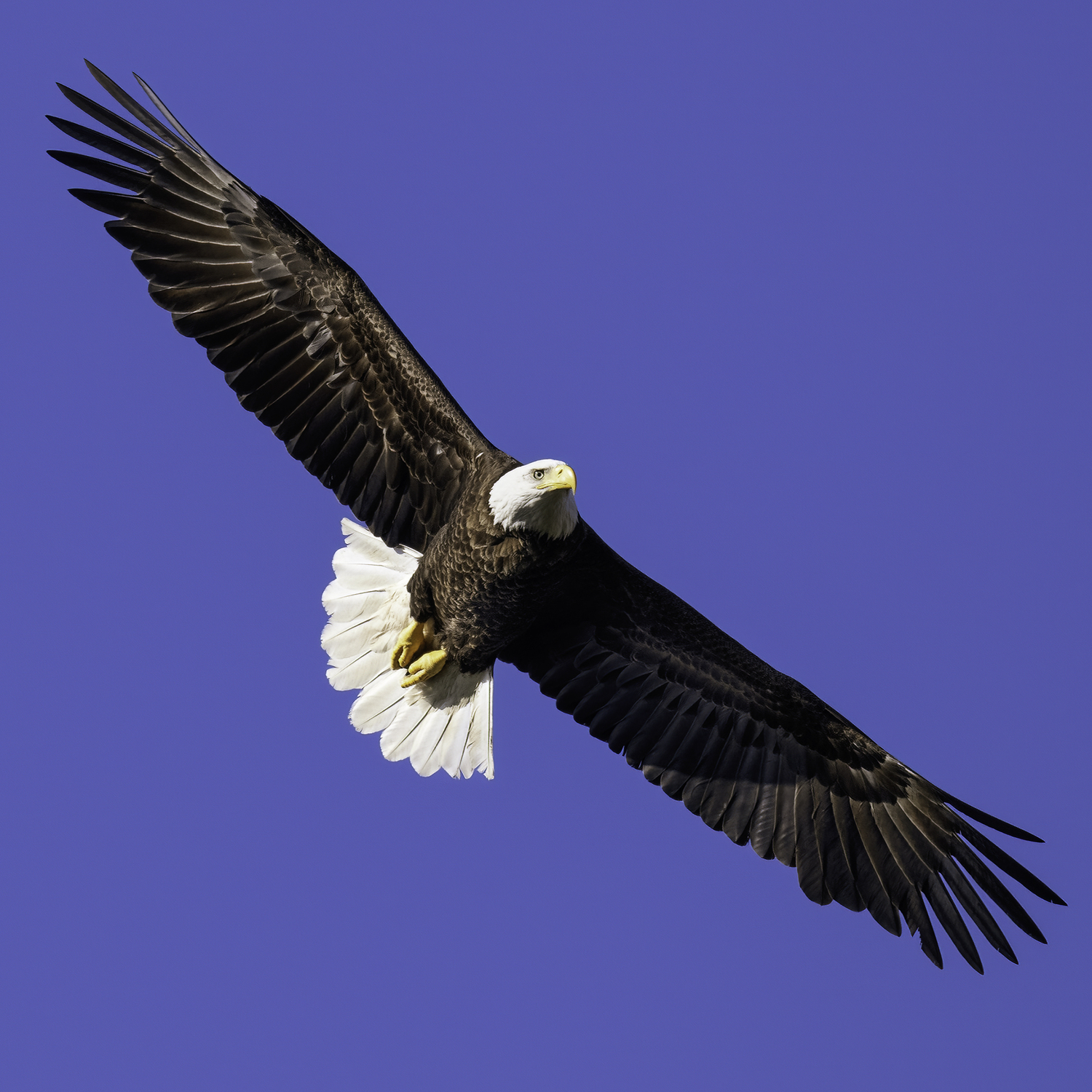
A female bald eagle in Sag Harbor. MARIANNE BARNETT
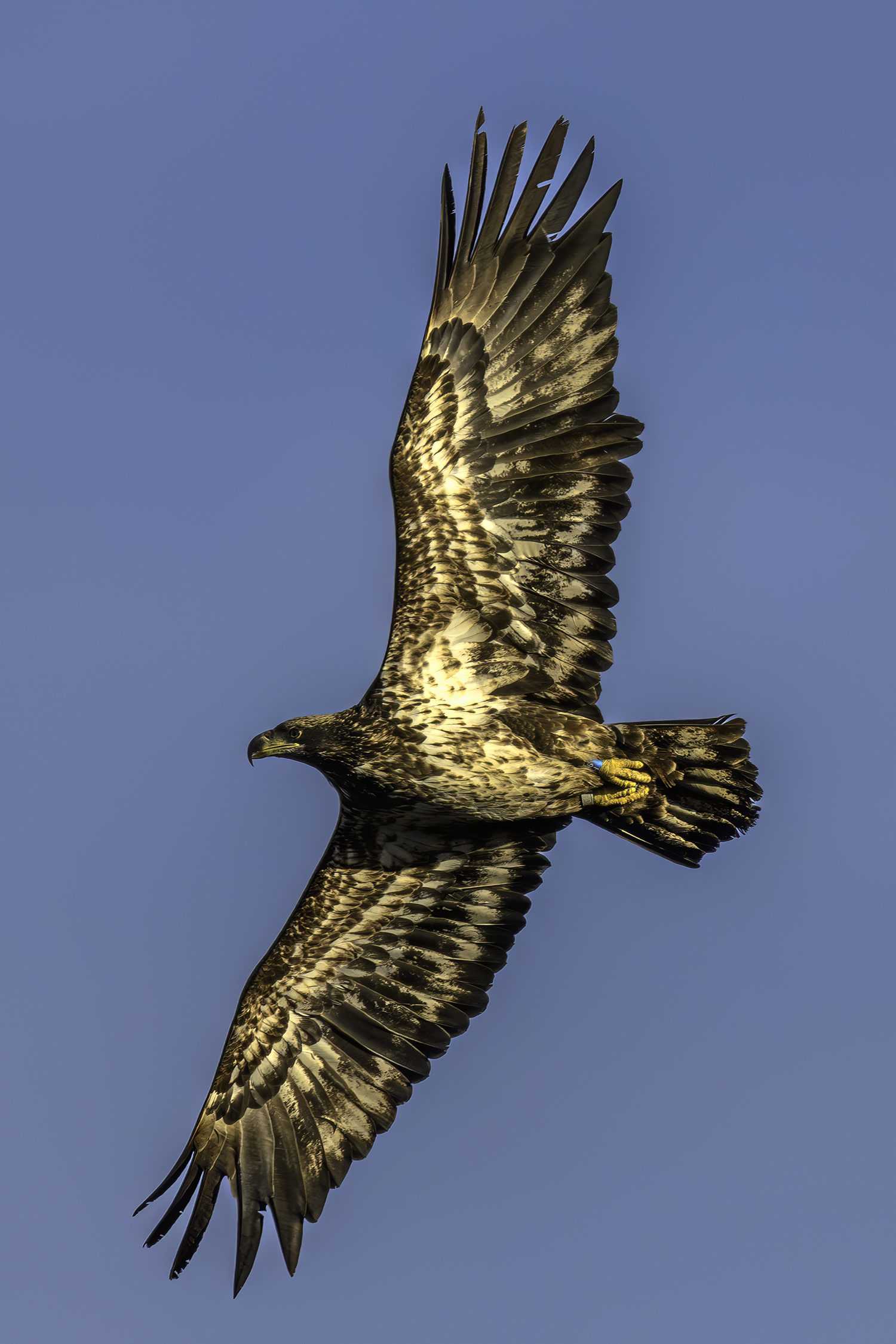
A banded subadult bald eagle that had been rescued and rehabilitated at the Evelyn Alexander Wildlife Rescue Center in Hampton Bays. MARIANNE BARNETT
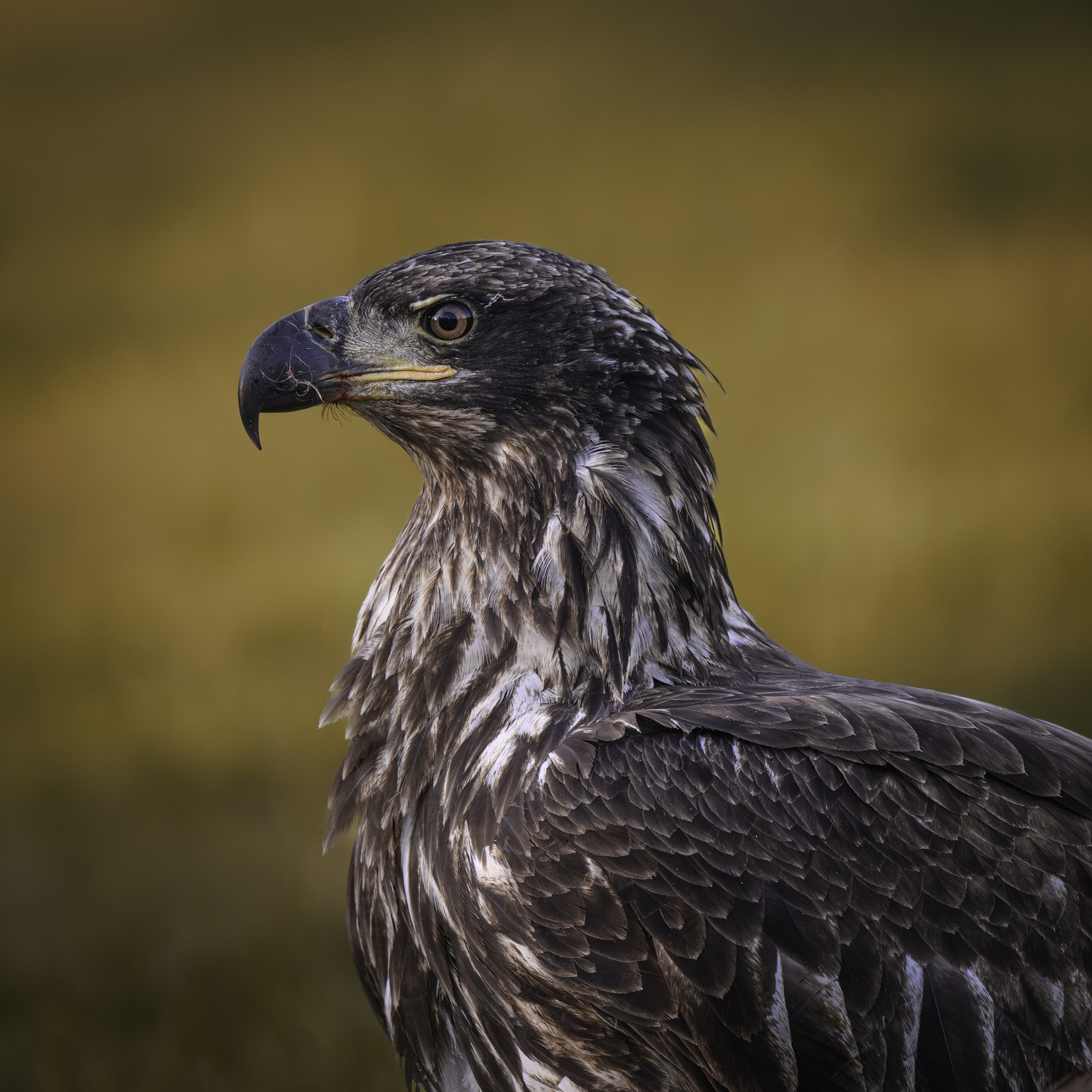
A closeup of a subadult in Southampton, 2024. MARIANNE BARNETT
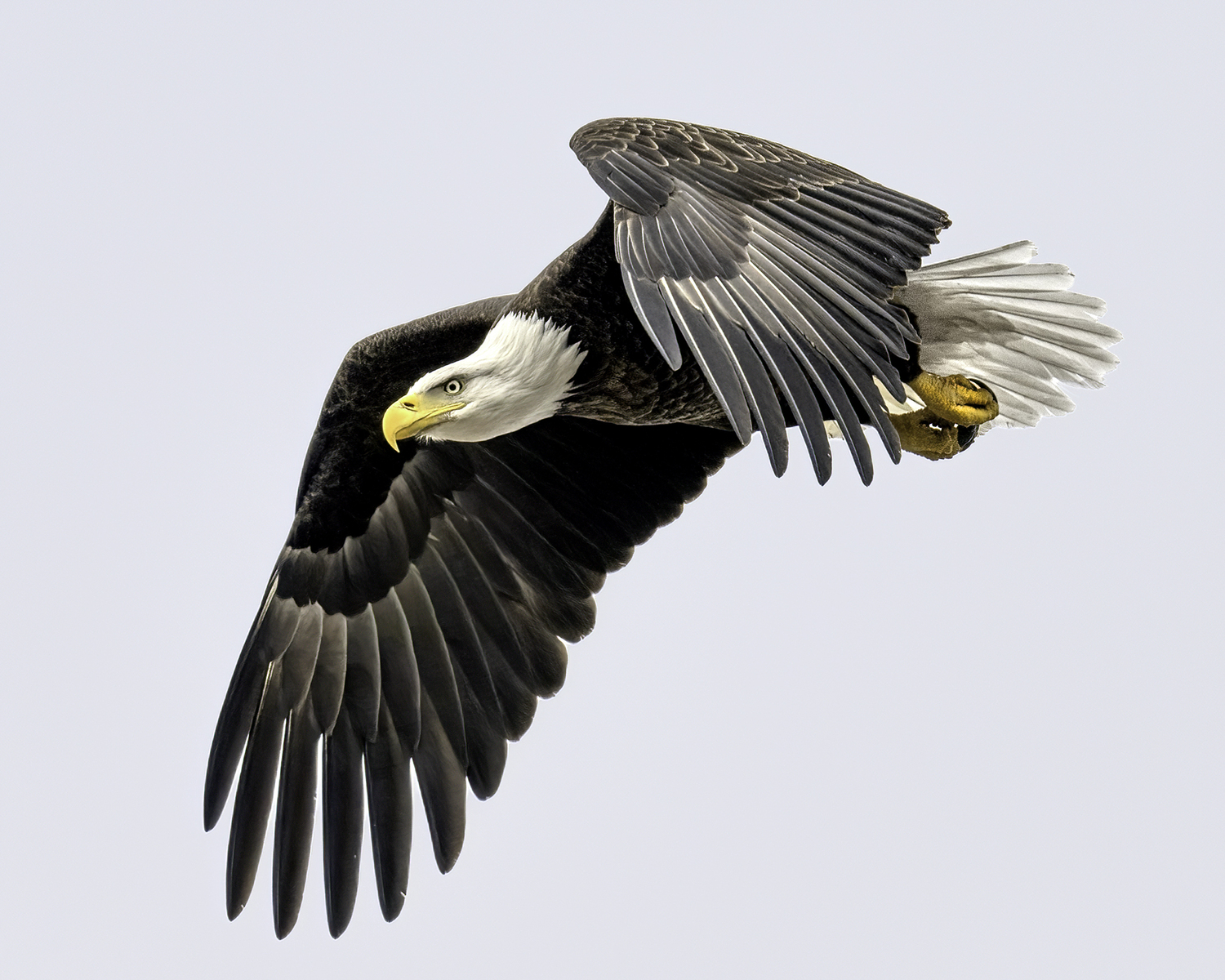
A bald eagle in flight. MARIANNE BARNETT
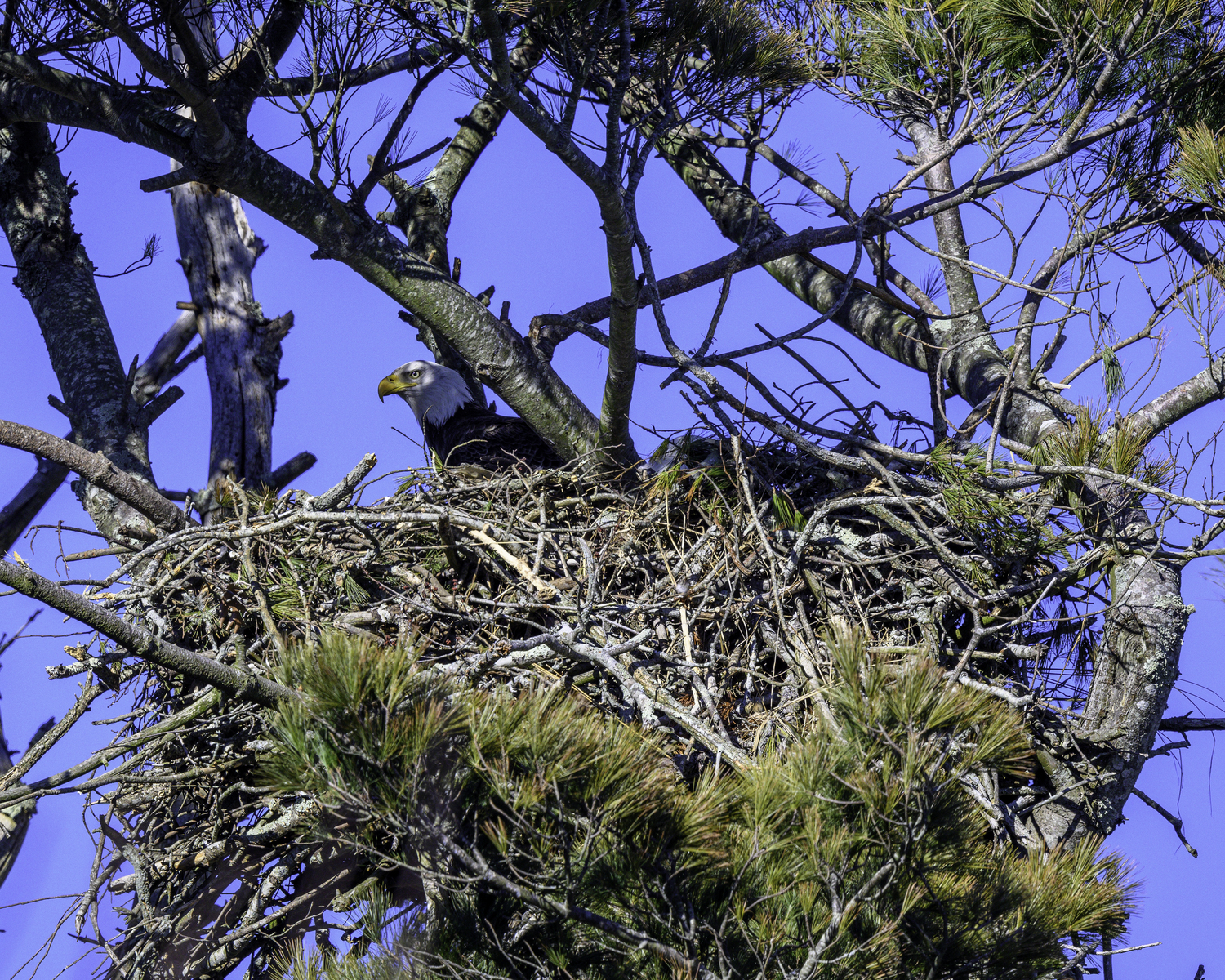
An eagle in a local nest. MARIANNE BARNETT
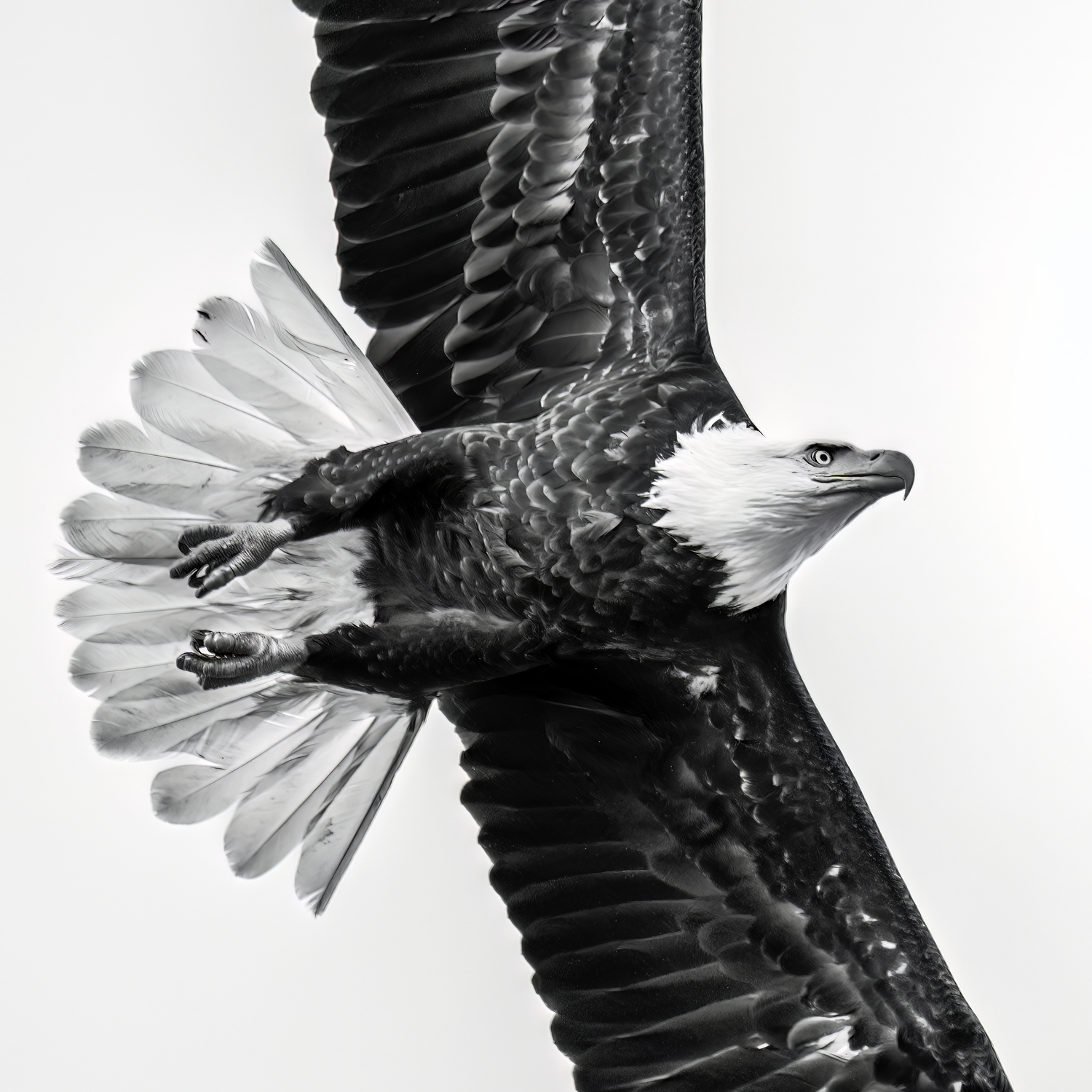
A bald eagle captured in Sag Harbor. MARIANNE BARNETT
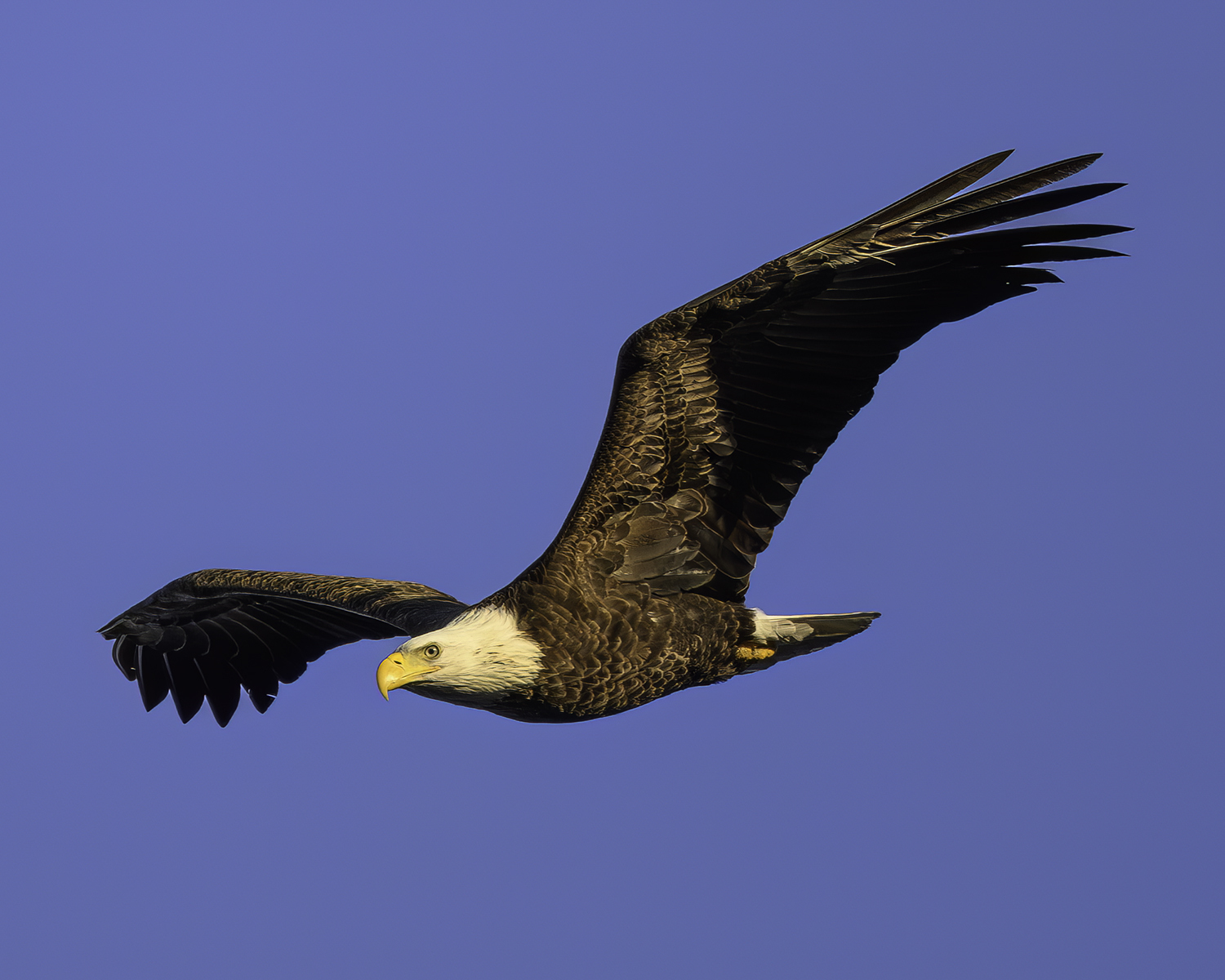
An adult bald eagle flying in the sky over Poxabogue. MARIANNE BARNETT
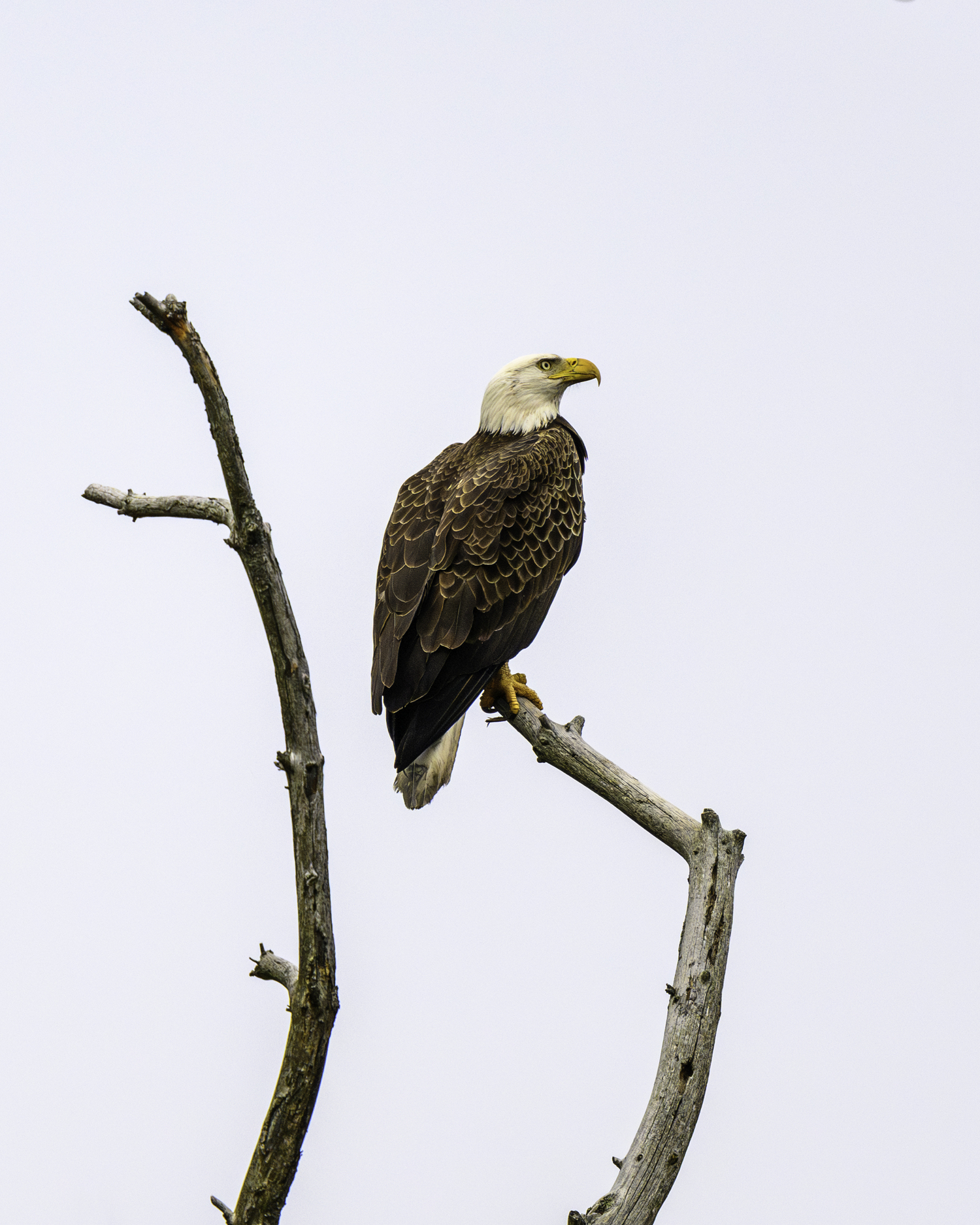
A bald eagle. MARIANNE BARNETT
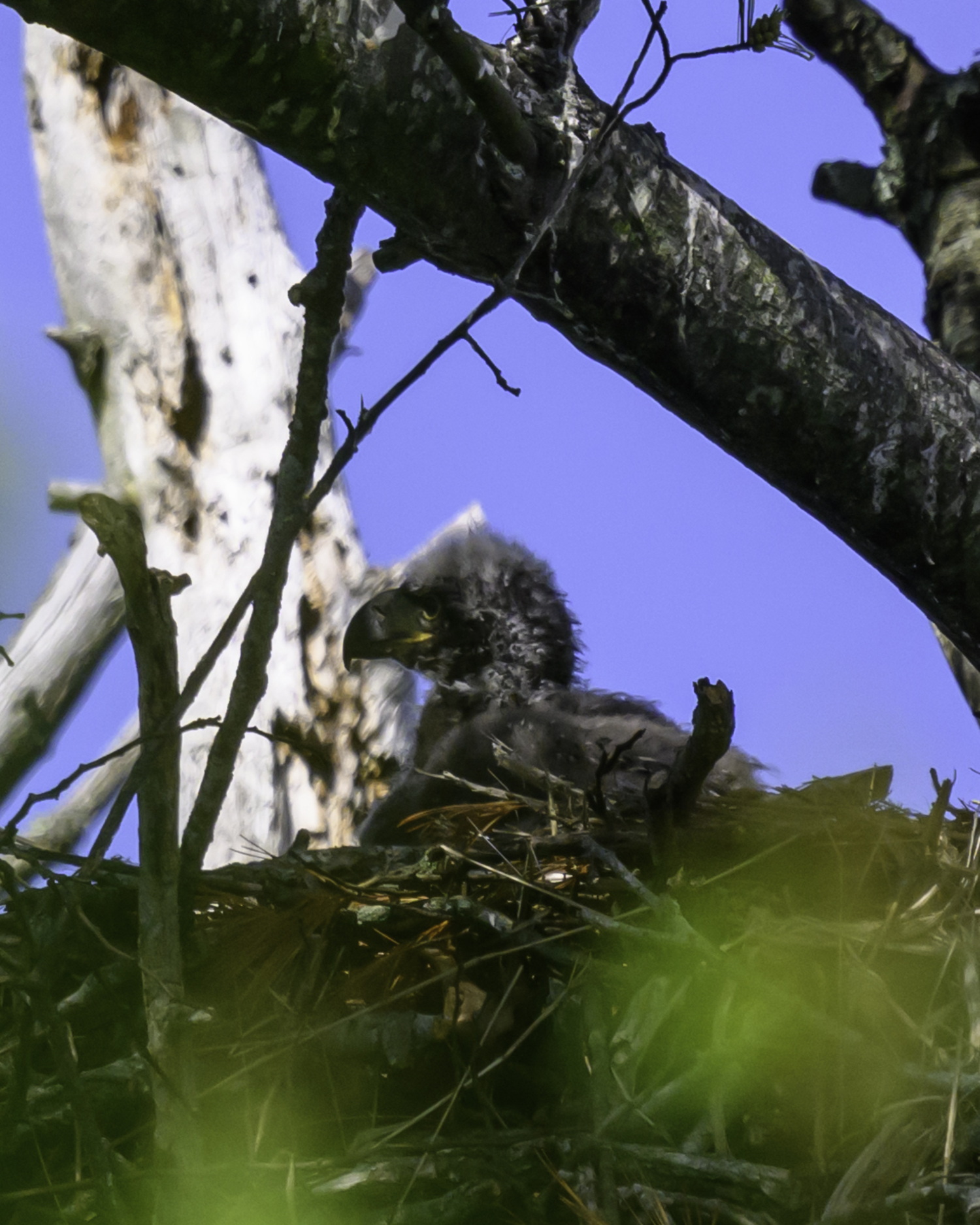
An eaglet observed on May 27, 2024, in a nest in Sag Harbor. MARIANNE BARNETT
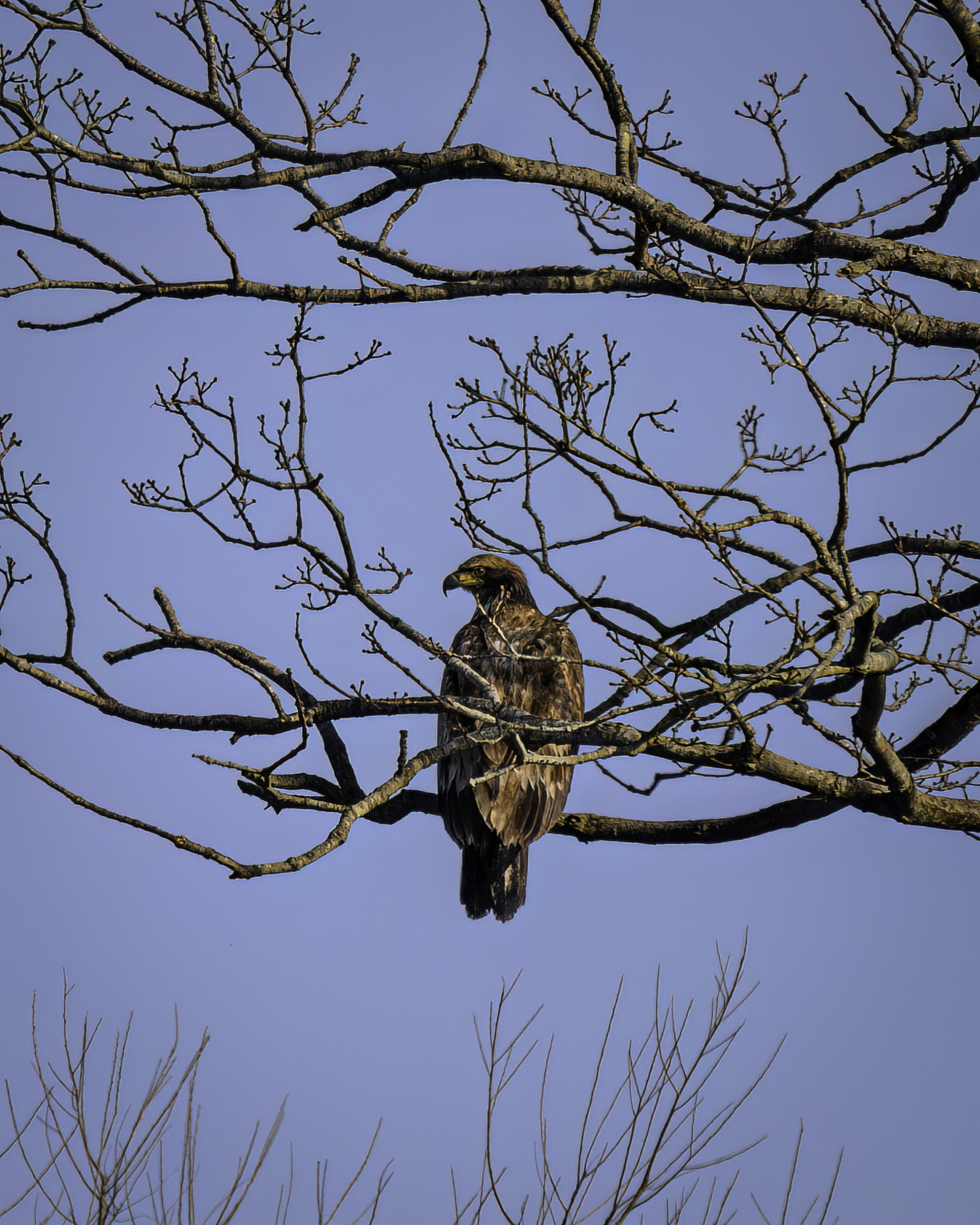
A juvenile bald eagle in Poxabogue County Park, 2024. MARIANNE BARNETT
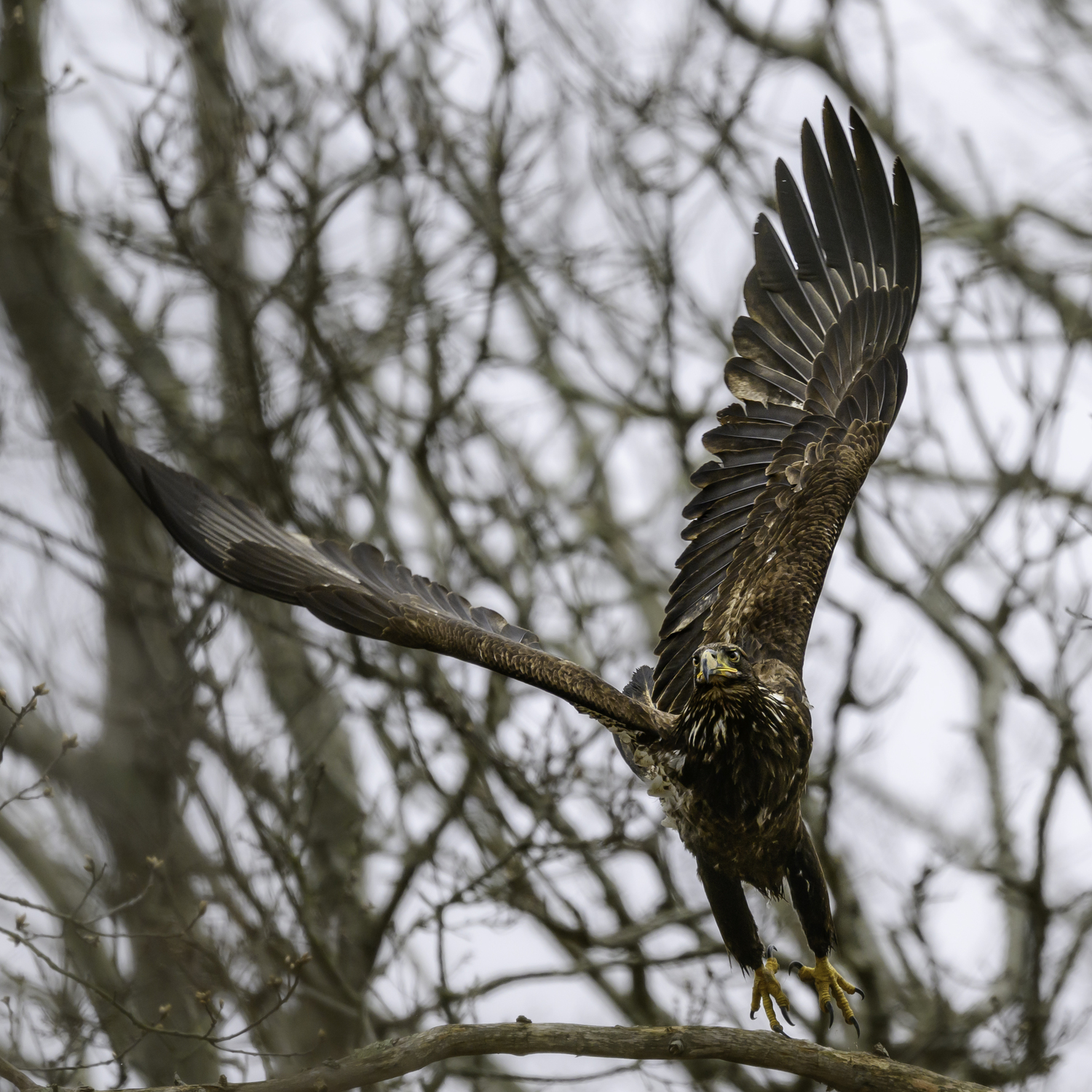
A juvenile eagle about 1 to 2-years-old in Bridgehampton, 2024. MARIANNE BARNETT
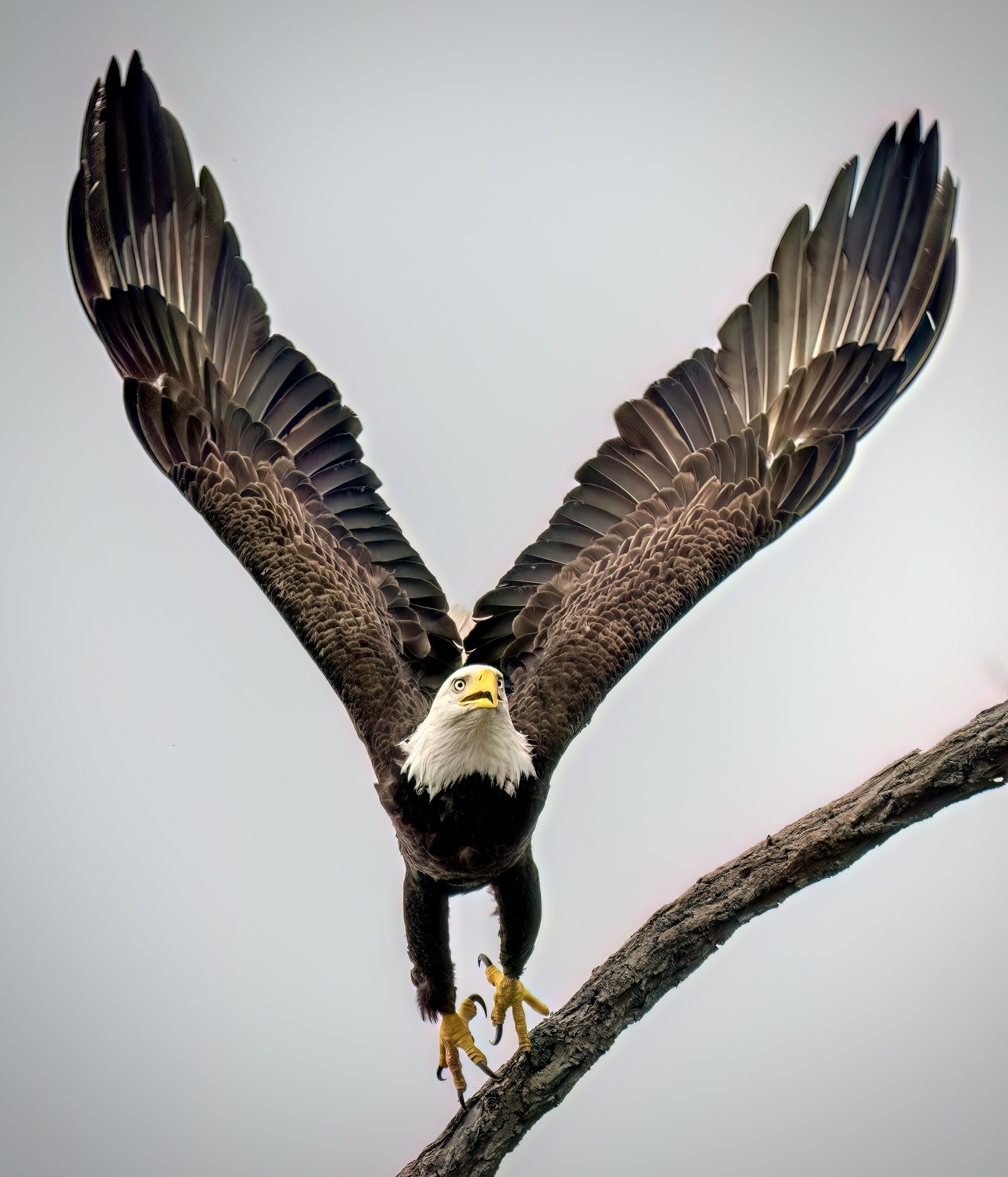
An eagle taking off from a branch in Sag Harbor. MARIANNE BARNETT

I find myself writing this story while socked in a monstrous snowstorm near the ground zero site for the reintroduction of bald eagles in 1976 after their near extinction just beyond the New York State border in Kingston, Ontario. It’s an emotional experience for me as I’ve followed the emergence of bald eagles on our beautiful East End since 2014. The first eagle I ever saw flying in our parts nearly caused me to crash my car on Route 27!
If you’ve lived long enough around our parts, you have probably noticed that bald eagles have returned to our beautiful skies. But have you ever wondered how and why this happened? It’s in large part due to the amazing feats of two remarkable women who forever changed the landscape of our national bird, the American bald eagle.
A brief review of the events leading to the near extinction of bald eagles in the United States: In the 1800s there was an estimated population of over 400,000 eagles around the country. In 1963, only about 400 nesting pairs were left in the lower 48. The reasons for their demise include the use of a chemical compound called DDT (dichloro-diphenyl-trichloroethane). In the 1940s, farmers used it en masse to minimize insect infestation in crops. The runoff went into our bodies of water, and DDT entered the eagle’s food chain through their diet of fish, one of their primary food sources.
Tragically, over time, the outcome of the eagle’s ingestion of DDT had a disastrous effect on their ability to reproduce. Mating pairs continued to lay eggs, but the eggshells were too thin and fragile to survive the nesting period. Eggs that did survive produced dead chicks. Eagles were not alone in this travesty. Peregrine falcons, ospreys and other raptors experienced the same condition with fragile eggs.
A few pioneering women — one named Rachel Carson and a vital, but lesser-known woman named Tina Morris among them — are instrumental in why we get to experience watching an eagle soar in our skies. In 1962, Carson wrote and published a controversial and groundbreaking book called “Silent Spring.” The book created widespread emotion within the United States as it documented the effects of DDT on our natural environment. As a result of Carson’s book and the outpouring of citizens’ concern, the U.S. government implemented a national ban on DDT in 1972.
In 1976, the New York State bald eagle restoration program was birthed in the Montezuma National Wildlife Refuge in Seneca Falls. After the DDT ban, eagles still could not reproduce because the DDT stayed in their system for years.
Morris, a young Cornell Laboratory of Ornithology student, was selected to manage the targeted nest site for the reintroduction of the bald eagles. She recently published a book called “Return to the Sky: The Surprising Story of How One Woman and Seven Eaglets Helped Restore the Bald Eagle.” It’s a memoir that documents her two-year personal journey camping on-site with her two dog companions and her trial-and-error attempt to mimic an age-old technique called “hacking” in raptor reintroduction. In two years’ time, Morris successfully raised and released seven bald eagles with the mating pair that had been relocated from a zoo in the Midwest. The rest is history as there are now more than 426 active eagle nest sites in New York State.
Hacking is a centuries-old process that includes hand-raising raptors to independence and releasing them into the wild. It was also used for The Peregrine Project, which successfully brought back peregrine falcons that were also decimated by the effects of DDT.
I’ll close with a beautiful story of our own eagle restoration with local heroes. In Spring 2023, a juvenile bald eagle had fallen out of its nest and was found by Jean Dodds of Long Pond Greenbelt. She notified Frank Quevedo, the executive director of the South Fork Natural History Museum and Nature Center. He contacted Broken Antler Wildlife Rescue, which picked up the juvenile bald eagle and took it to the Evelyn Alexander Wildlife Rescue Center, which rehabilitated the eagle and later released it back to its nesting area.
Before it was released, the eagle was banded H86. This all took place in 2023. Recently Frank took photos of the eagle resting on a frozen pond with the H86 banding on its legs. On February 7 I was fortunate enough to capture a photo of the same eagle soaring above Poxabogue Pond. As it flew over me I was able to get an underside photo of its banding, and upon closer inspection, confirmed it was indeed, our local eagle success story, H86. It takes a village.
More Posts from Marianne Barnett


