


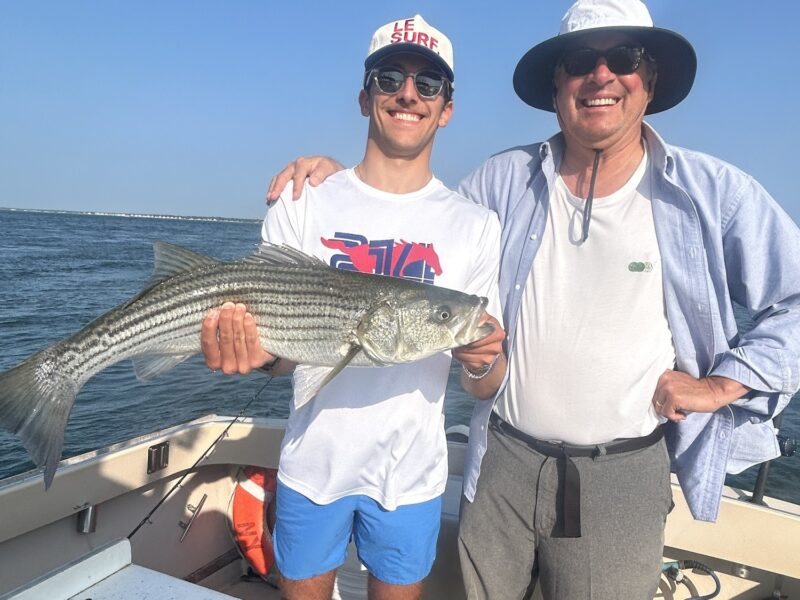
 4 Photos
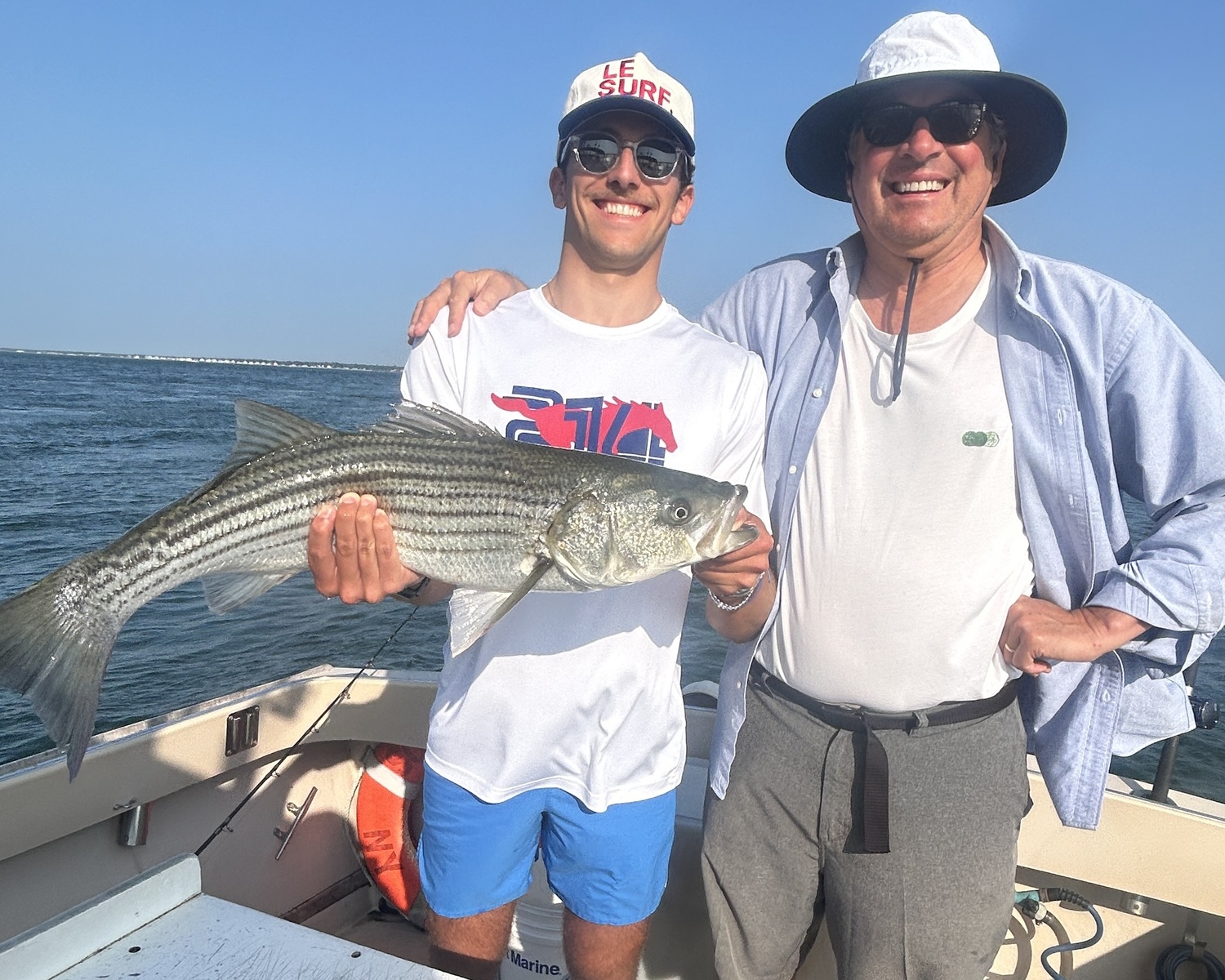
Bobby and Tom Walker caught this slot striped bass fishing with Someday Came Charters in Shinnecock Bay last month. CAPT. BRAD RIES
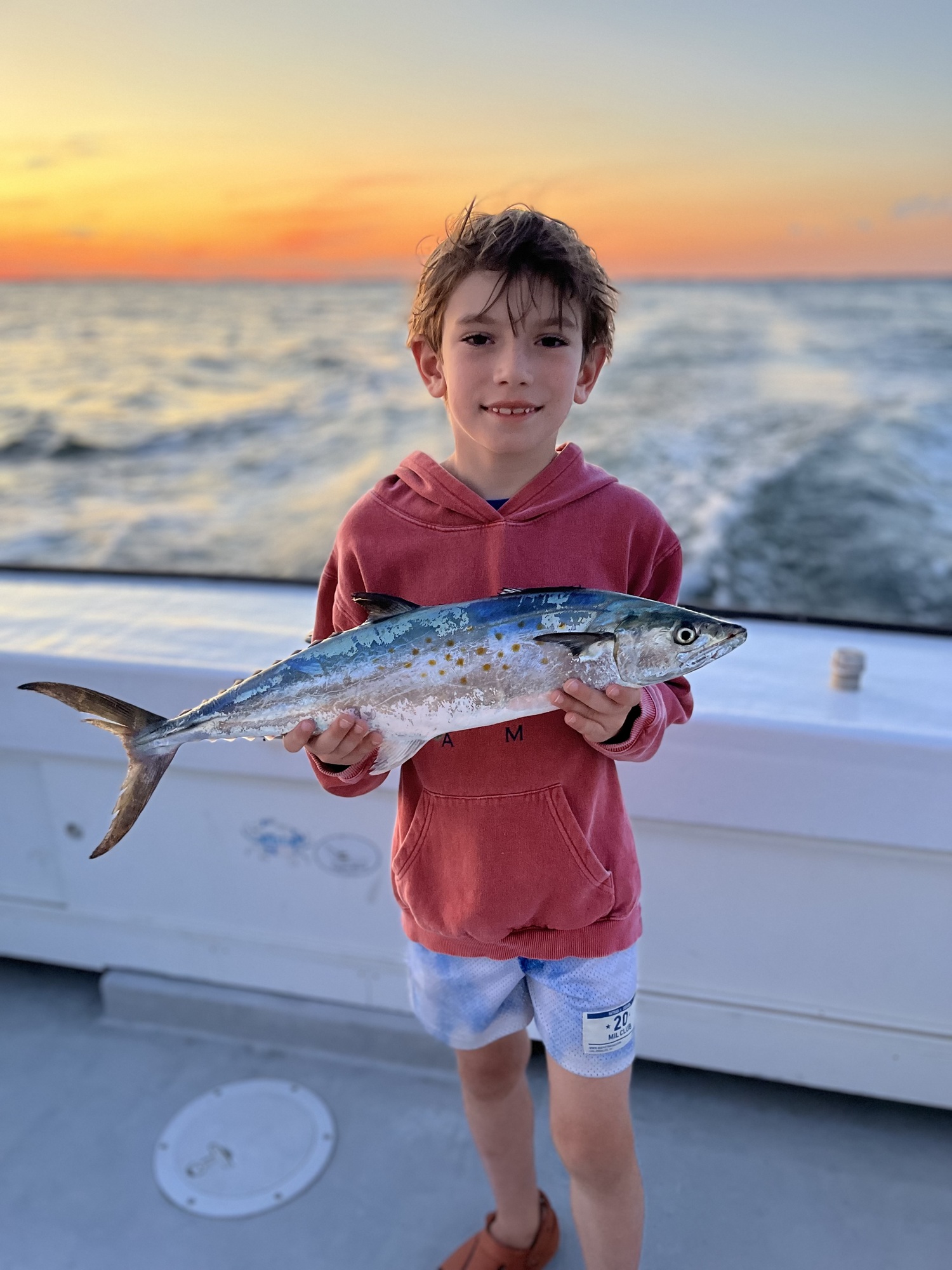
Aleksei Darvin caught this delicious Spanish mackerel while visiting the Eastern Shore of Maryland with his family. TANYA PACHECO
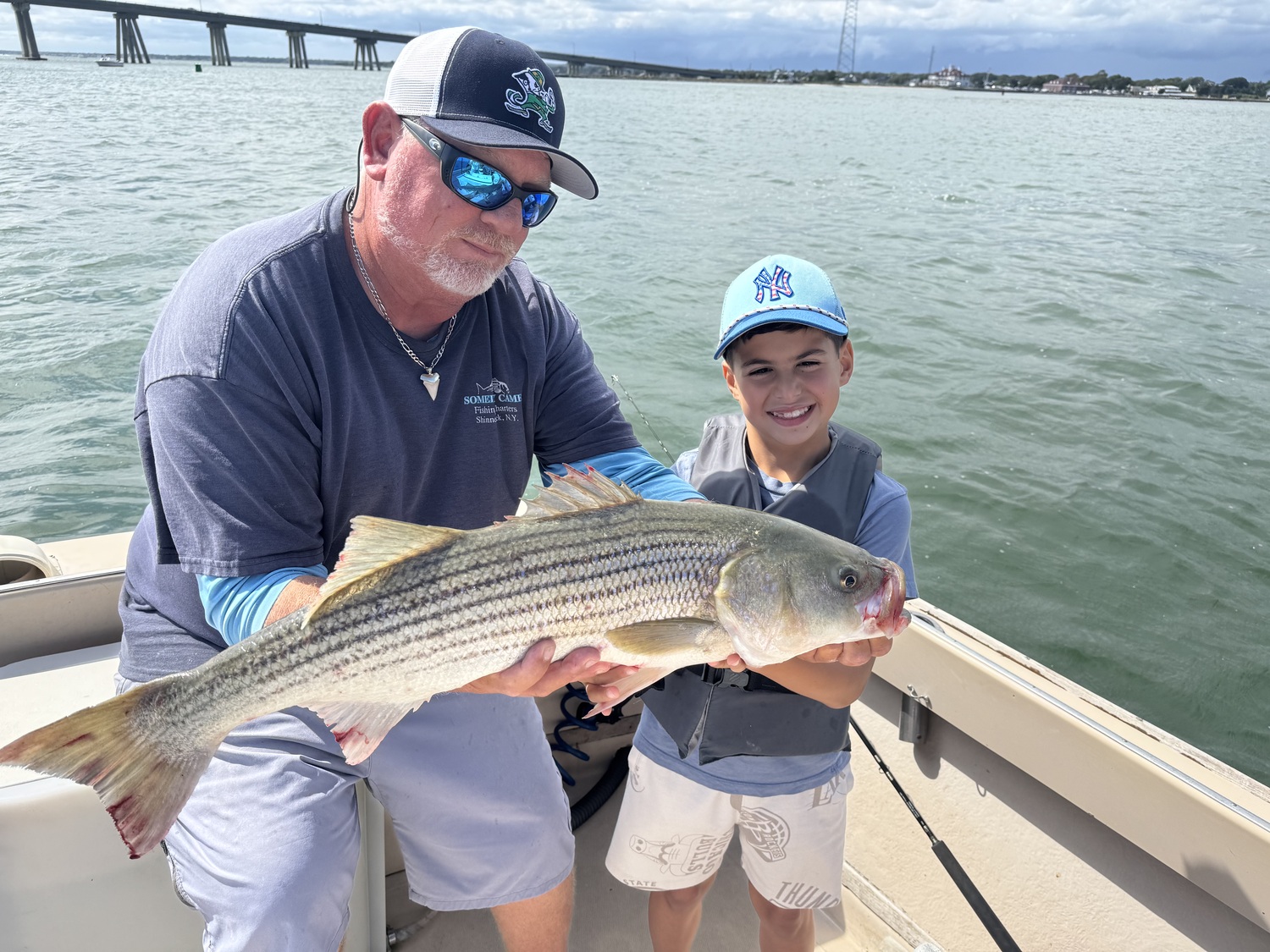
Young angler Simon Yasher got a hand from Capt. Brad Ries hefting the nice slot striper caught while fishing in Shinnecock Bay aboard Someday Came Charters recently.
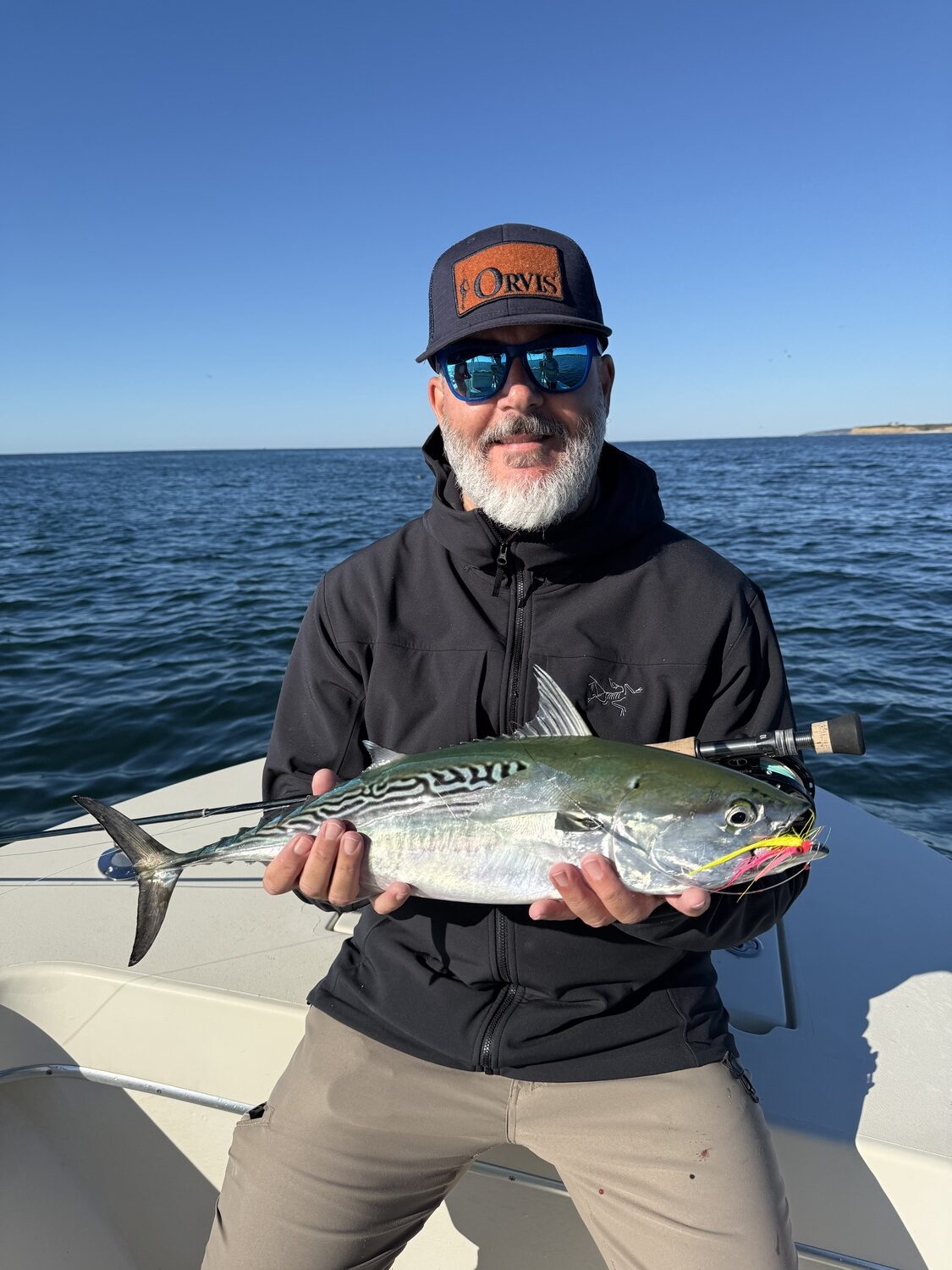
The albies are here! After an abysmal 2024 season, false albacore returned to the waters off the South Fork this past week in good numbers, to the huge relief of light tackle anglers and guides. John O'Callahan caught what was probably the first one landed locally last week with Capt. Tim O'Rourke of Montauk Point Fly Fishing.

It is once again time for anglers to step up to the mic, literally or virtually, and make their voice heard about the future of striped bass fishery management. And, this time, your very right to be able to even go fishing may be at stake.
The Atlantic States Marine Fisheries Council is preparing its latest addendum to the striped bass management plan as it continues to try to reduce mortality and help the striped bass population rebuild to a healthy level, and is holding a public comment period from now until October 3.
There will be in-person meetings — the only one on Long Island is next Monday, September 17, in Kings Park — but any fisherman can also offer his or her thoughts about the proposed rules amendments by simply emailing comment@asmfc.org, or go to ASMFC.org and fill out the very simple and easy public comment form.
Among the options being considered, and already being implemented in parts of the Chesapeake Bay fishery, are “no targeting closures.” That means that recreational anglers are not even allowed to fish for striped bass, and in areas where an enforcement officer decides that striped bass are the only available quarry, it means fishing is illegal altogether.
That is a terrifying and stomach-churning thought, especially since the facts make it clear that such an approach is more or less pointless, nearly unenforceable and would have almost no impact on striped bass mortality, and is being forced on recreational fishermen in order to protect the wildly unfair harvest share of commercial fishermen on the Chesapeake.
The addendum being crafted now by the ASMFC aims to reduce striped bass mortality at the hands of fishermen by 12 percent, and, gallingly, the options in play question whether that reduction should be placed more on the shoulders of some fishermen than others.
At its base is the question of whether the 12 percent reduction should be uniform for recreational, for-hire charter boats and commercial fishermen alike. The obvious fair answer is yes, it should be a uniform cut to all sectors of the fishery — and I would urge anyone reading this column to support that option.
There is also an option for allowing charter boats to fish with an expanded slot, from 28 inches to 33 inches, instead of the current 31 inches. This is a tough question, because it can mean limits filled more quickly and fewer “dead discards” of fish that don’t meet the slot limit but are likely to die anyway after being thrown back. But it will mean fewer fish protected from harvest, and more removed from the three year-classes that are going to be our only striped bass fishery for many years to come, thanks to the almost complete spawning failure in the Chesapeake over the last six years.
There’s also some just plain common-sense questions about how to measure striped bass — which currently varies by state but should be a single standard coastwide — and when commercially harvested striped bass should be tagged. Some states don’t require tags to be affixed to fish until they are at a wholesale market, which just invites black-market sales and must be ended.
Filling out the survey is easy and quick and should be done by every fisherman, please. Striped bass are probably the most socially and economically important fish we have in our waters, and we need to slash the numbers of them that we are killing until they get back on track with spawning.
Personally, I think it is inevitable that we are going to have a moratorium on striped bass harvesting in the very near future. And that will be a good thing. I do not think it will mean a quickly rebuilt stock, but it won’t hurt.
On the brighter side, the albies are back! After a horrendous absence of false albacore last year that caused a lot of concern on the East End, the albies have returned in force this month, bringing hope that it will be a banner run again.
There also has been a decent fluke bite and some spectacular tuna fishing for the big-game crowd. The fall season is here!
Catch ’em up. See you out there.
More Posts from Michael Wright


