


 6 Photos
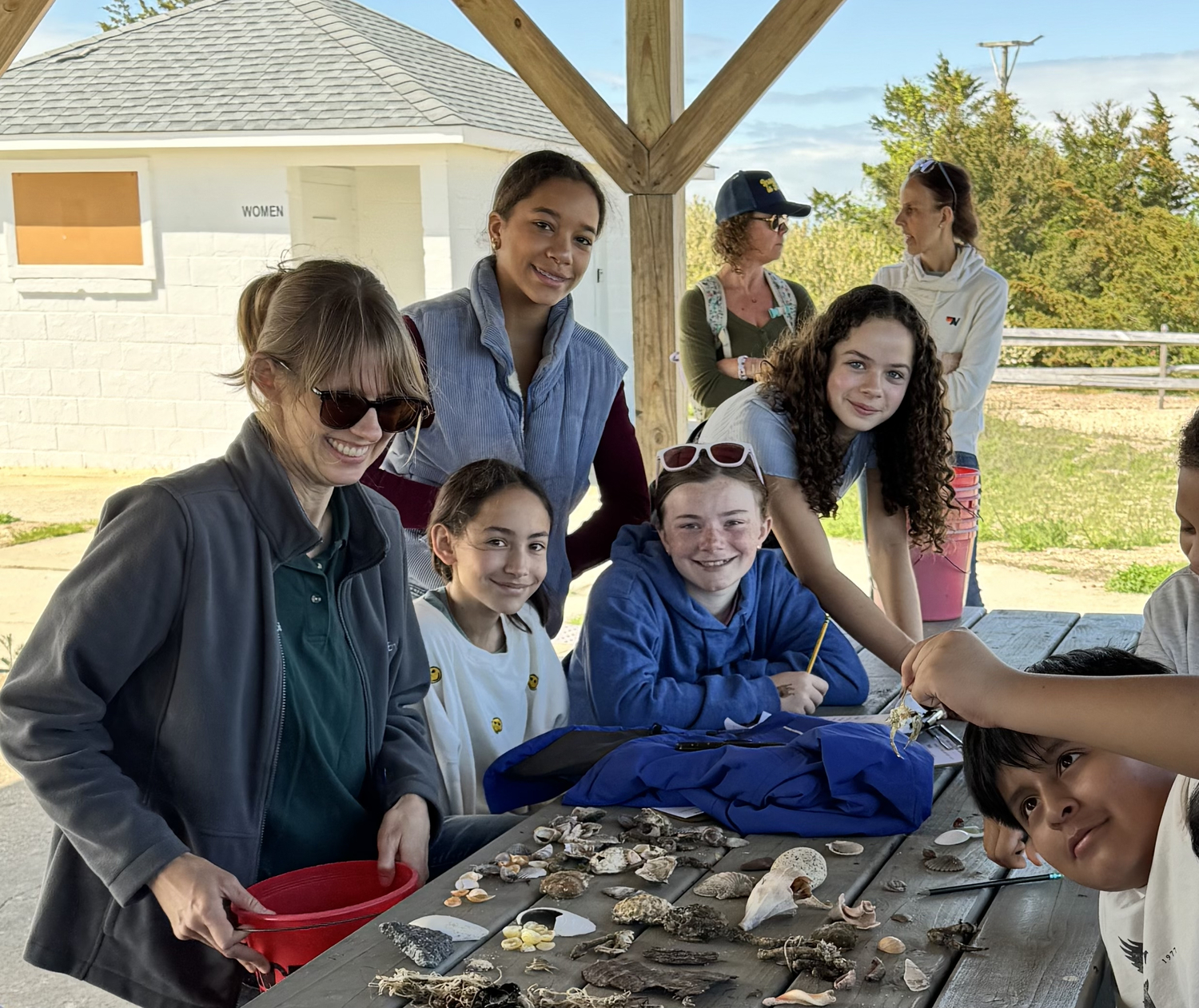
Group for the East End's Assistant Director of Environmental Education Jen Skilbred, left, with students looking at treasures they found at Maidstone Beach. COURTESY GROUP FOR THE EAST END
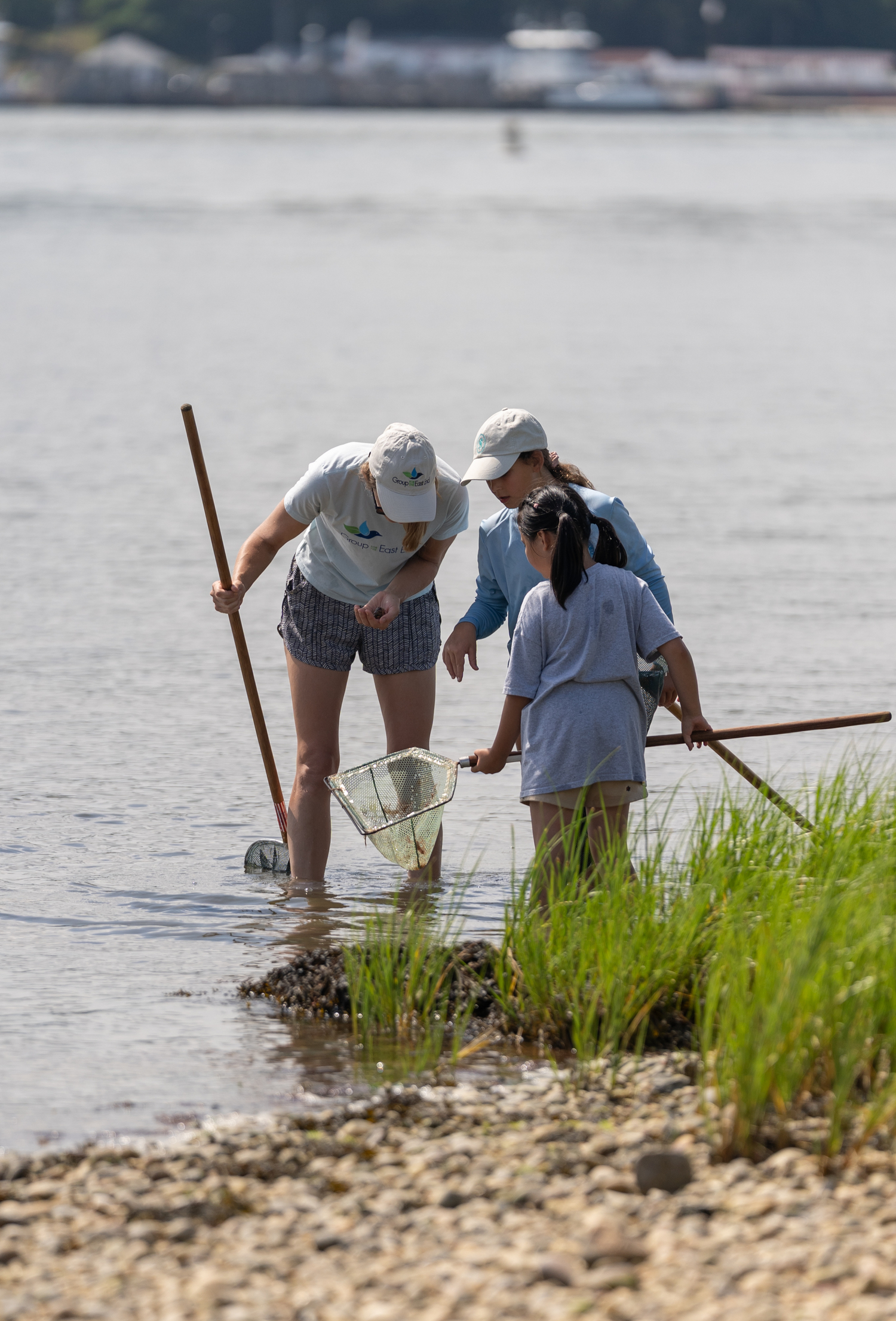
Group for the East End's Assistant Director of Environmental Education Jen Skilbred with East End Seaport Museum summer campers in July. CHRISTOPHER SCOTT
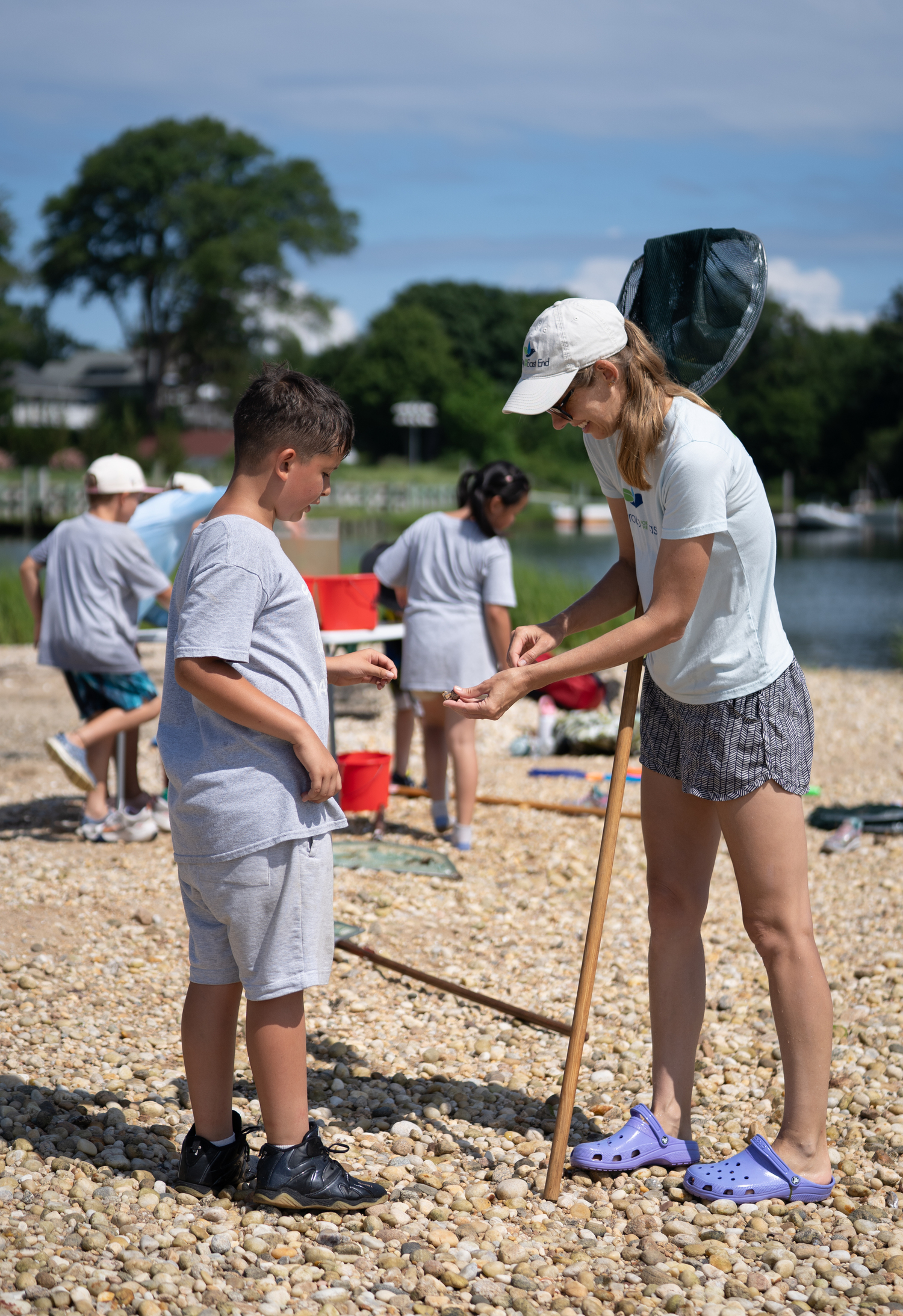
Group for the East End's Assistant Director of Environmental Education Jen Skilbred with East End Seaport Museum summer campers in July. CHRISTOPHER SCOTT
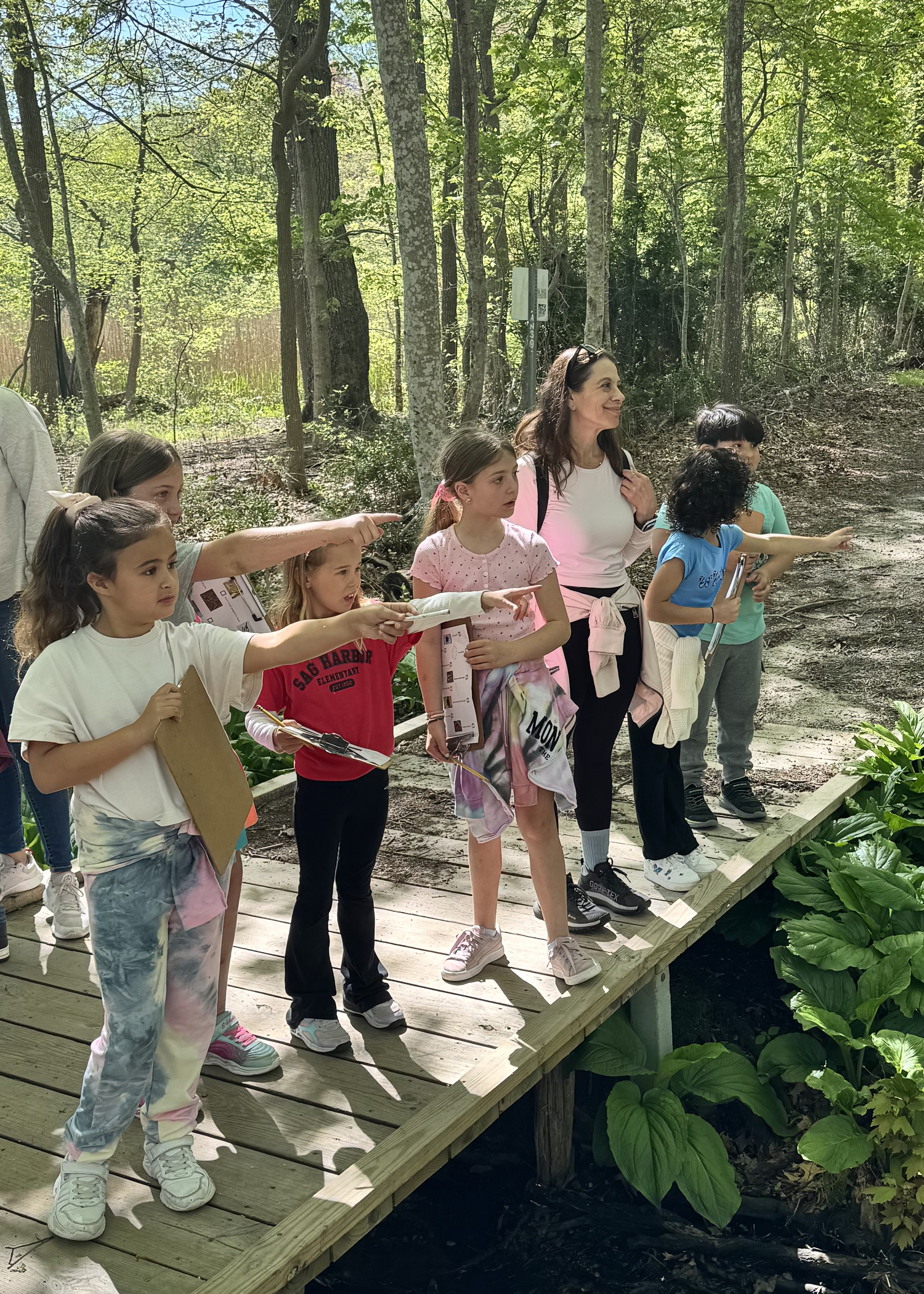
Sag Harbor second-graders at Morton Wildlife Refuge. COURTESY GROUP FOR THE EAST END
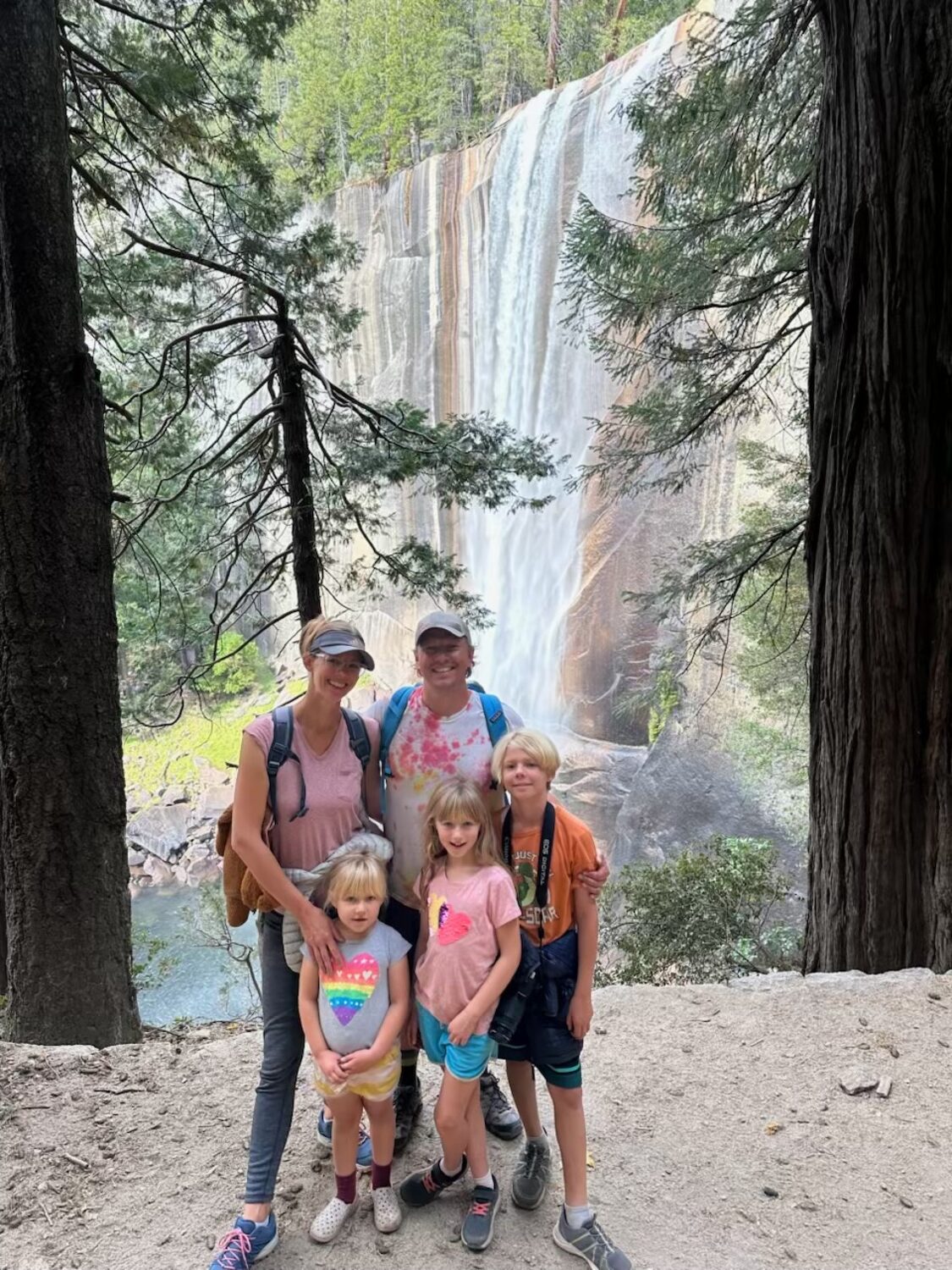
Jen Skilbred, her husband, Nate Woiwode, and their children at Yosemite National Park during their 15-month cross country trip.
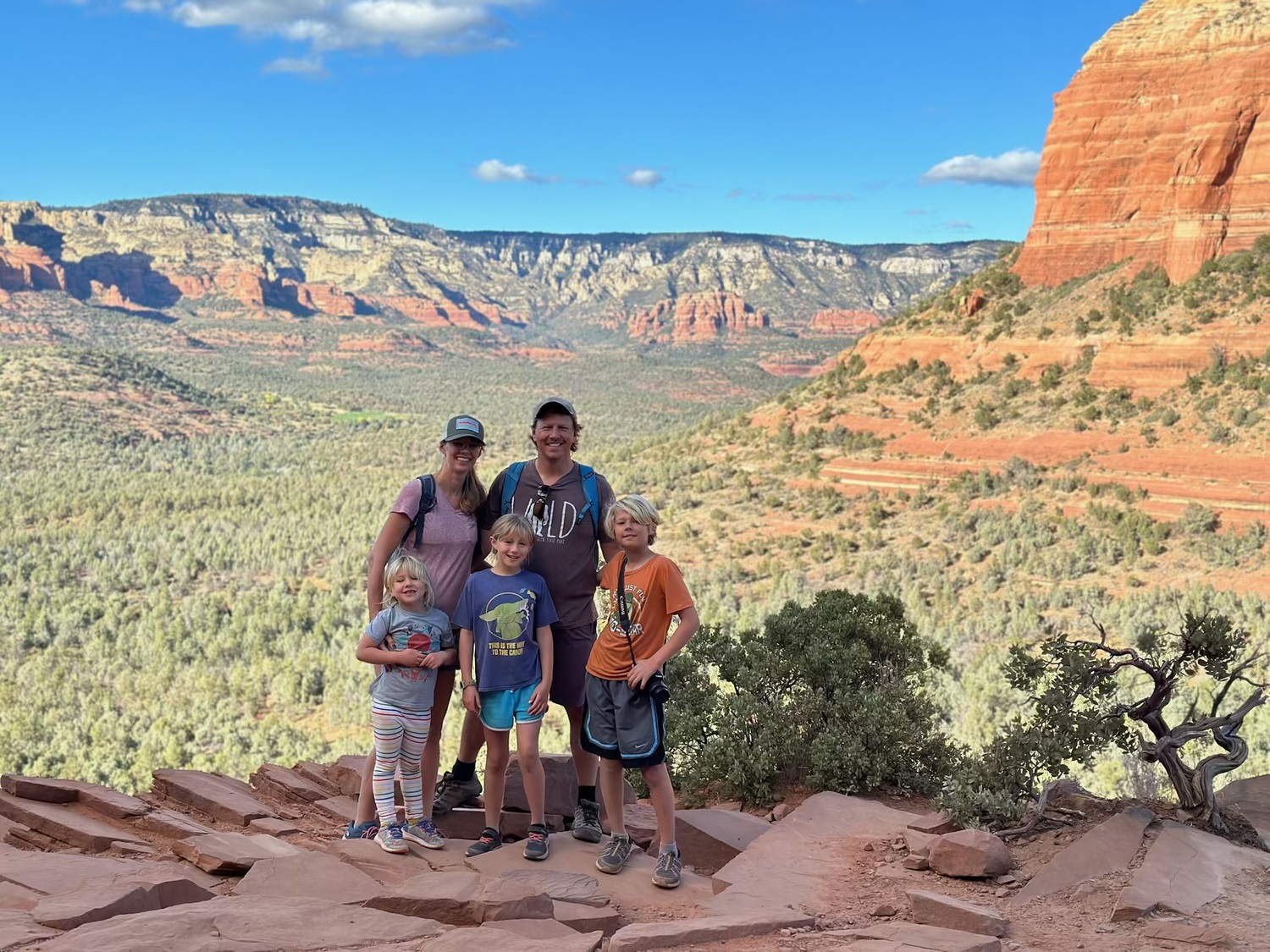
Jen Skilbred, her husband, Nate Woiwode, and their children at Coconino National Forest during their 15-month cross country trip.
Earlier this month, Jen Skilbred, the assistant director for environmental education with the Group for the East End, led a group of 12 East Hampton Middle School students on an outdoor trail hike field trip.
They came across a log lying on the ground, which Skilbred gently rolled over, to give her charges a glimpse at what might lay beneath.
They were treated to a surprise.
Nestled under the damp, dark shelter of the log was a spotted salamander.
For Skilbred, the real magic was not in the discovery of the common — but hard to spot — creature, but in what that discovery brought out in the students.
“It’s just the wonder and excitement, and the questions that come out of it,” Skilbred said in an interview earlier this week. “There’s a real curiosity that comes in that moment. You can’t replace it with watching a video. Those moments are so important.”
Facilitating those kinds of moments — of connection with nature, immersion in the natural world, and the organic kind of joy that comes from participating in it — is what animates Skilbred in her role with the Group for the East End, which, for decades, has led these kinds of field trips and excursions for students of all ages, both in public and private school, while also working with homeschool groups and even adults.
The Group’s education programs, which include more than 100 indoor and outdoor lessons, reached 2,270 students on the East End last year.
Skilbred leads many of those excursions, along with Steve Biasetti, the Group’s director for environmental education, who has been with the organization for decades.
Skilbred has been at the forefront of helping the Group expand and promote its environmental education programming in recent months, and feels that it’s a particularly opportune time to be doing this kind of work.
Earlier this year, before the start of the new school year, Governor Kathy Hochul announced a statewide ban on student cellphone use during the school day, meaning that all public school students are now restricted from accessing their devices for a long block of hours, five days a week. Skilbred said she has heard from many teachers and educators about the benefits of the ban, how it has made students more focused and engaged, made many of them seem happier and creates more opportunities for face-to-face social interaction.
“So we were thinking, let’s keep that going outside of school,” Skilbred said. “Let’s make real life more interesting than screens. We live on the East End, and there’s so many beautiful outdoor spaces.”
Skilbred enthusiastically rattles off the many benefits of outdoor learning and immersion for children — she speaks about how being outdoors demands and thus helps sharpen focus, encourages creativity, promotes problem solving. She knows these are crucial skills for children to develop, and also knows that research shows people’s connection to nature has been declining drastically for years.
She wants to change that, because she sees firsthand, all the time, how beneficial a strong connection with nature is for everyone, but especially for children.
Skilbred also practices what she preaches in her personal life. She and her husband, Nate Woiwode, embarked on a 15-month road trip more than a year ago with their three children, who are now 13, 11 and 7. They rented their Sag Harbor home, got in a camper van, and proceeded to travel the perimeter of the continental United States, with brief stops in Canada and Mexico as well.
“It was amazing,” she said of that experience. “We were outdoors so much every day. Our country has a ton of beautiful outdoors locations that are all so unique and so worth exploring.”
Some of the best, she points out, are right here, on the East End.
“There’s so many amazing trails and parks on the East End, but I often don’t see people out on them,” she said. “We probably see more animals because of that, but on the other side, there’s so much here, and the community doesn’t seem to have as much of an outdoors ethic as other places in the country. But we could, and we should.”
To foster that type of outdoors ethos and culture, Skilbred is working with the Group to encourage parents to set that example, offering not only school field trips but monthly excursions outside of school hours. The Group for the East End’s blog, Field Notes, has an entry with a list of ideas that families can choose from, for a little inspiration creating their own outdoor experiences. Suggestions include going to a park or even just the backyard with a magnifying glass, visiting the beach year round to explore what’s there, taking an outdoor hike under a full moon and more.
“With my kids, there are days where it would be so much easier to put on a TV show and just sit around,” she said, adding that there are plenty of days when the suggestion of an outing leads to a fair amount of pushback from her kids. But, she said, the extra effort to make it happen is always worth it.
Her oldest has developed a love for nature photography, Skilbred said, while another one of her children loves to write about what she sees and discovers in nature.
“Experiences in nature will naturally encourage follow up things, whether it’s wanting to read a book about something they saw, or drawing a picture,” she said. “It sticks with you in that way.”
The simple act of taking children outside has the almost magical effect of encouraging them to do the things teachers work so hard at achieving in the classroom, and is a natural extension of the bigger overarching goal that the cellphone ban is trying to achieve.
When she leads school trips, Skilbred watches as kids transform from being antsy, chatty and unfocused when they first step off the bus to being astute, engaged and curious observers of the natural world. It happened recently on a different school trip.
“We were walking down a trail, and popped out at the edge of a pond, and an adult bald eagle was right there, sitting on a branch,” she said. “Every kid was frozen in amazement. And then the questions come. And I’m not asking them — they’re asking me: How big is it compared to this bird, etc. It really just encourages deep thinking.”
For more information on the Group for the East End’s environmental education programs, excursions and field trips, or to request a school field trip, visit thegroup.org.


 Cailin Riley on Oct 26, 2025