



 1 Video & 12 Photos
Pierson Hosts Community Forum on Proposed $40 Million Facilities Improvement Project

Superintendent Jeff Nichols gave a tour of the facilities that would be upgraded and improved if the bond referendum passes in January. The robotics room and locker rooms would be upgraded, and a new gym would be built. CAILIN RILEY

Superintendent Jeff Nichols gave a tour of the facilities that would be upgraded and improved if the bond referendum passes in January. The robotics room and locker rooms would be upgraded, and a new gym would be built. CAILIN RILEY

Superintendent Jeff Nichols gave a tour of the facilities that would be upgraded and improved if the bond referendum passes in January. The robotics room and locker rooms would be upgraded, and a new gym and weight room would be built. CAILIN RILEY
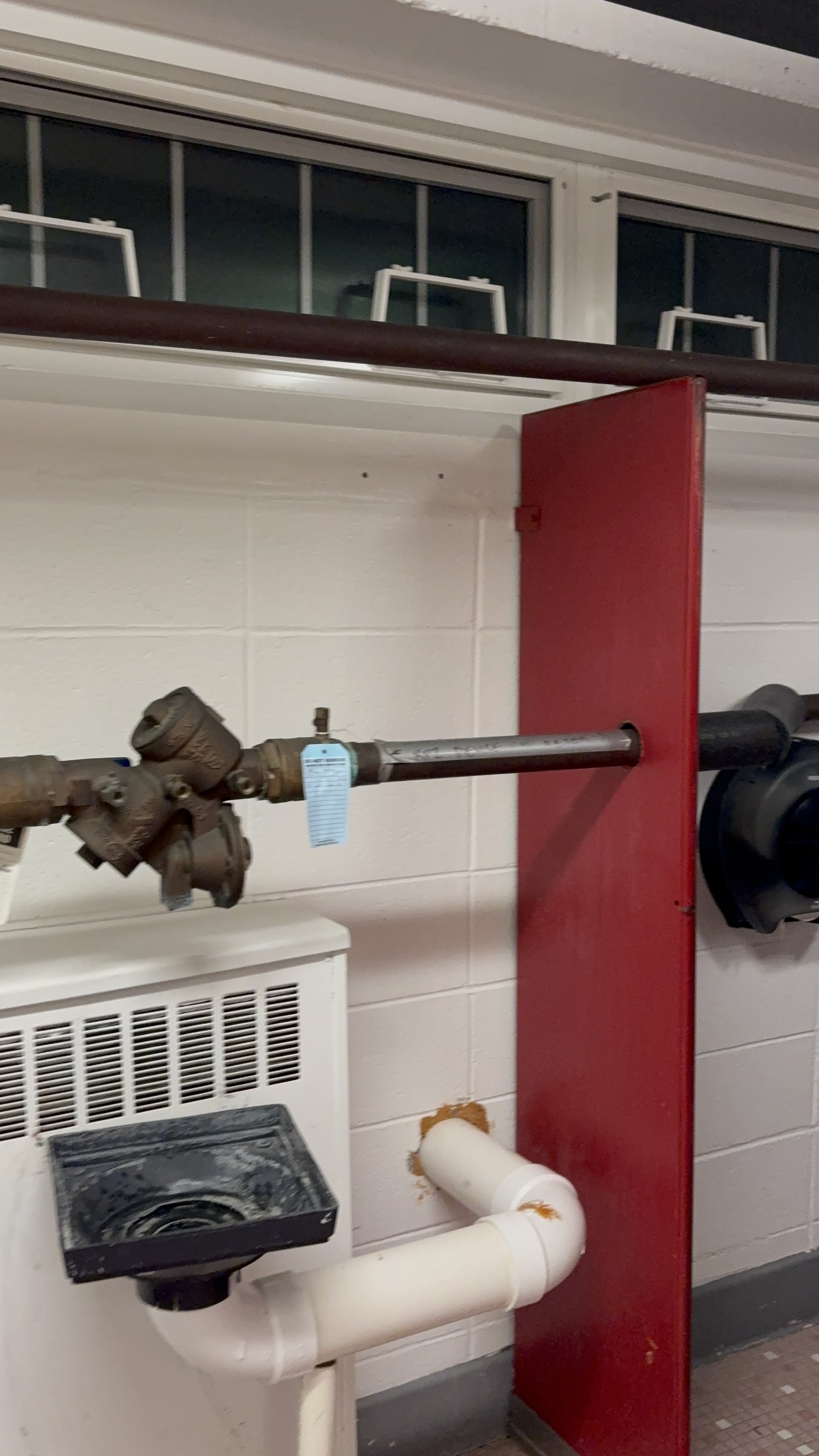
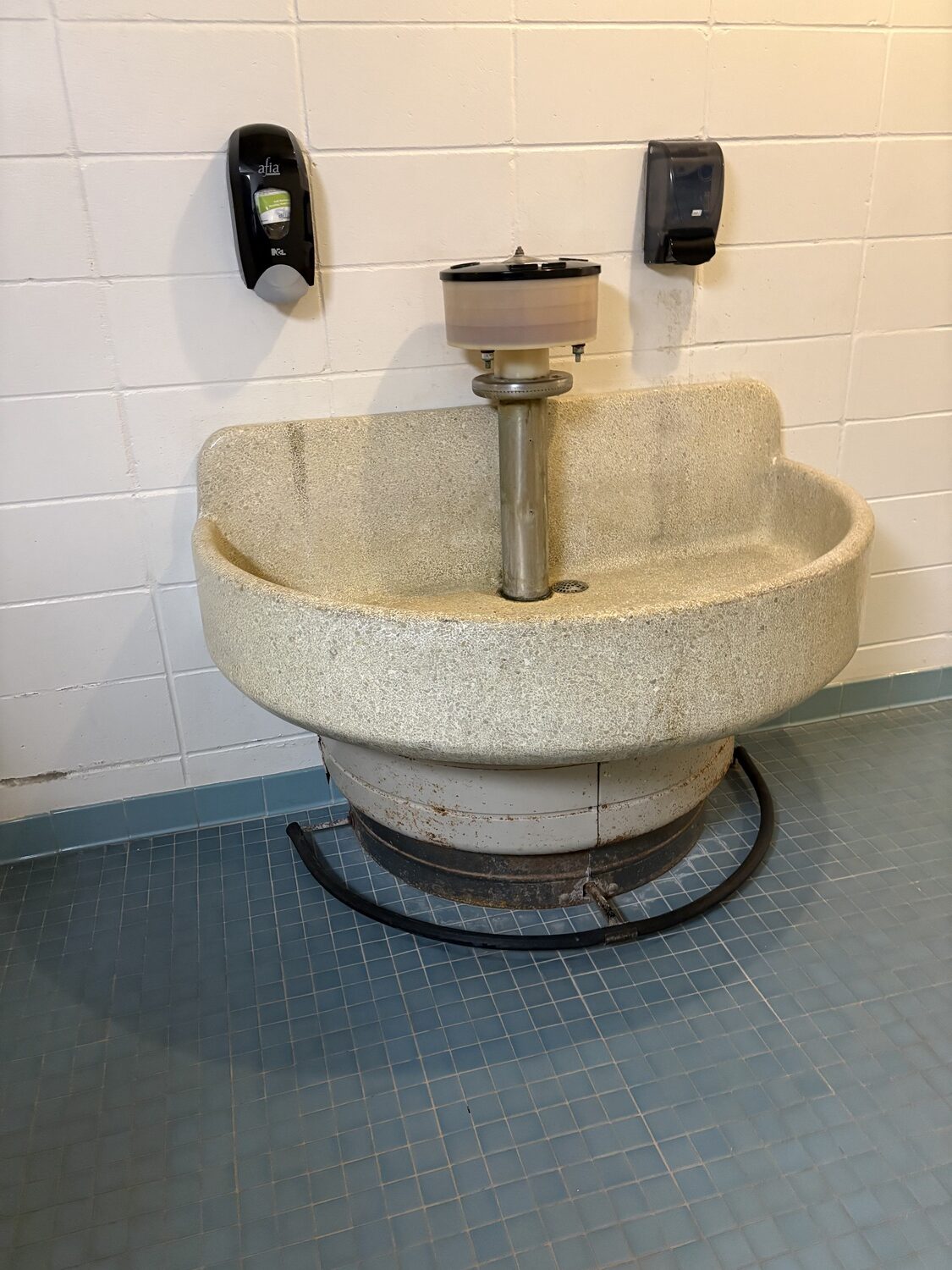
Exposed pipes exist throughout the locker rooms. CAILIN RILEY
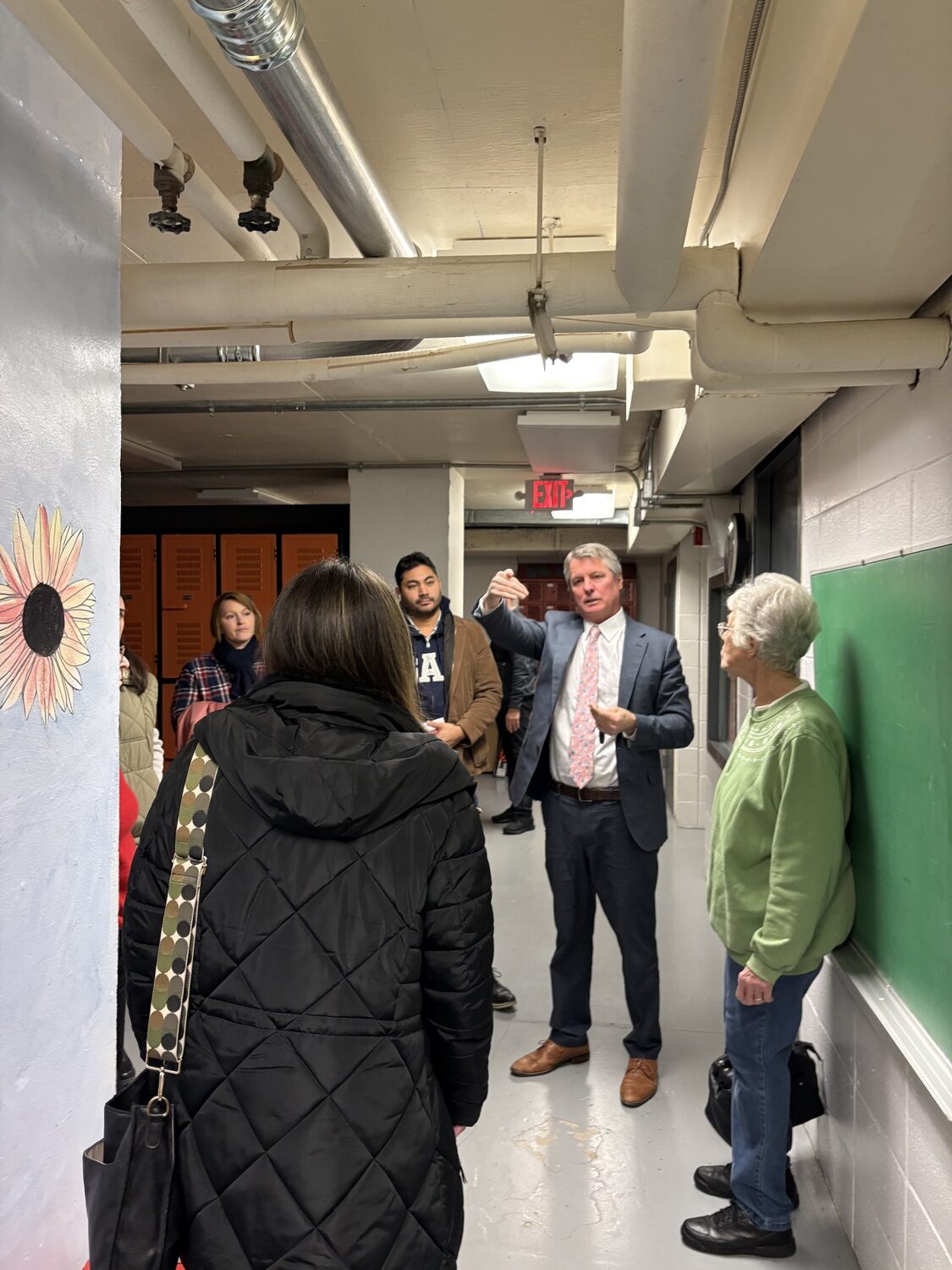
Superintendent Jeff Nichols gave a tour of the facilities that would be upgraded and improved if the bond referendum passes in January. The robotics room and locker rooms would be upgraded. CAILIN RILEY
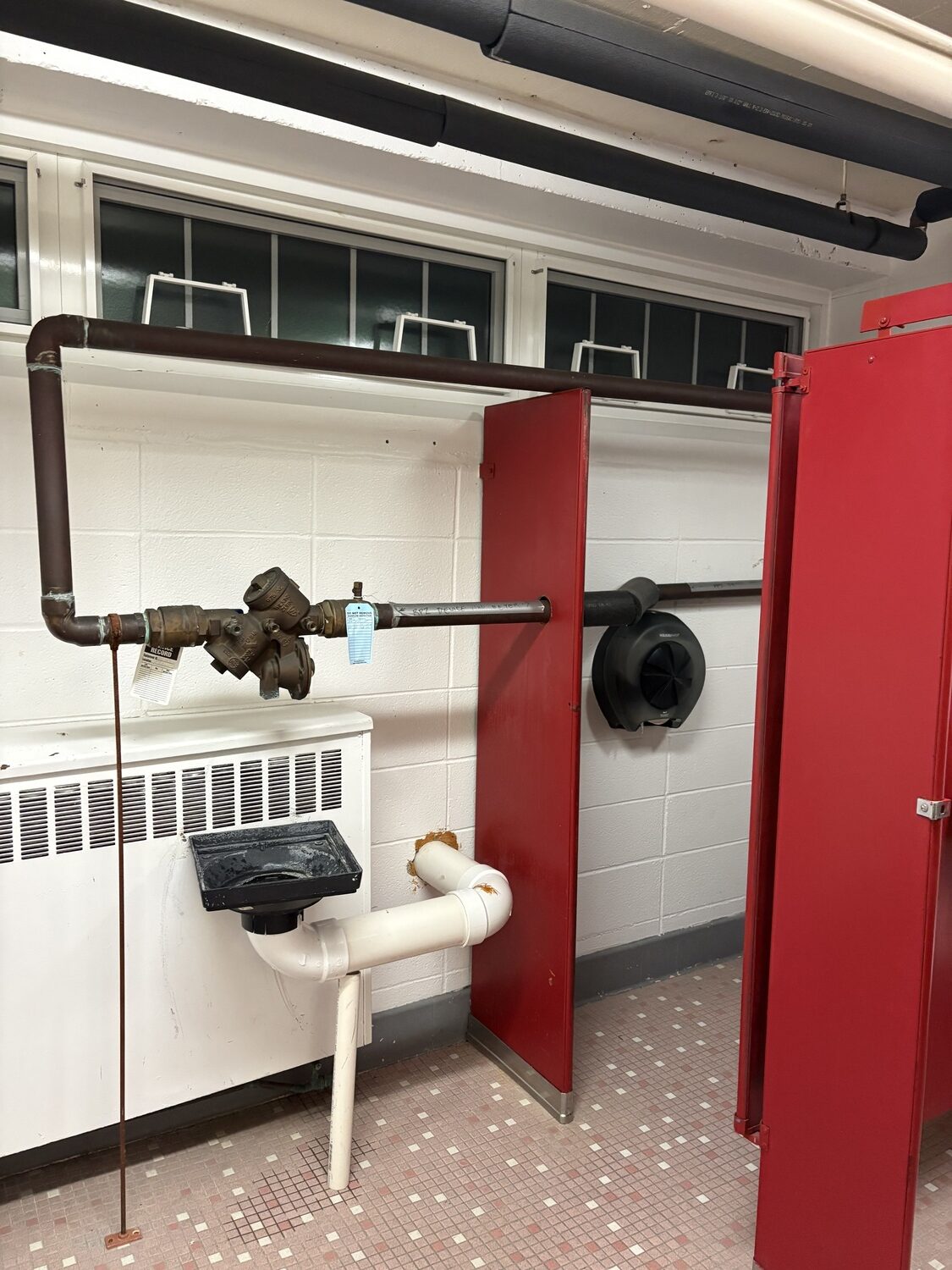
Exposed pipes exist throughout the locker rooms. CAILIN RILEY
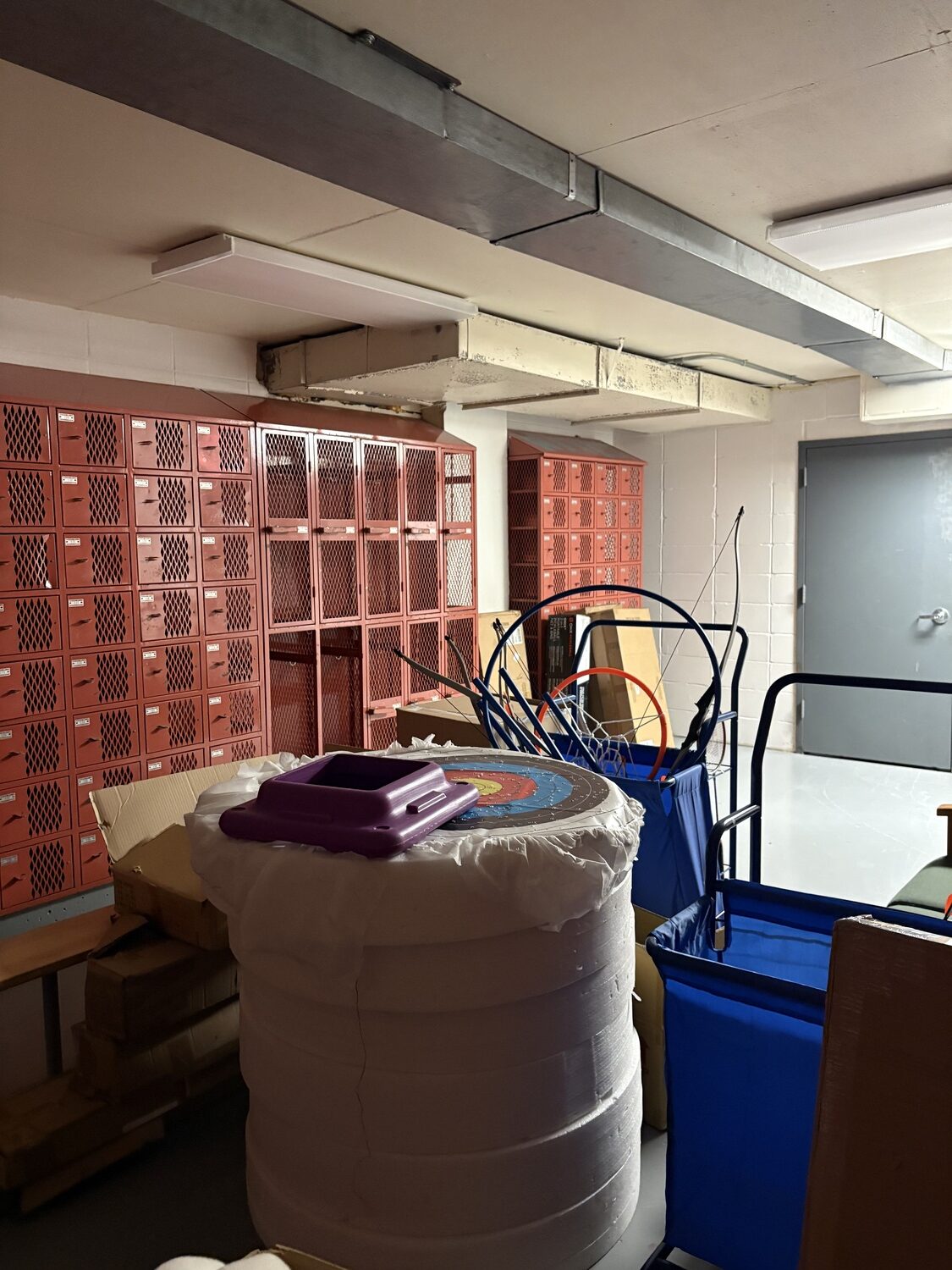
Superintendent Jeff Nichols gave a tour of the facilities that would be upgraded and improved if the bond referendum passes in January. The robotics room and locker rooms would be upgraded. CAILIN RILEY
Superintendent Jeff Nichols gave a tour of the facilities that would be upgraded and improved if the bond referendum passes in January. The robotics room and locker rooms would be upgraded. CAILIN RILEY
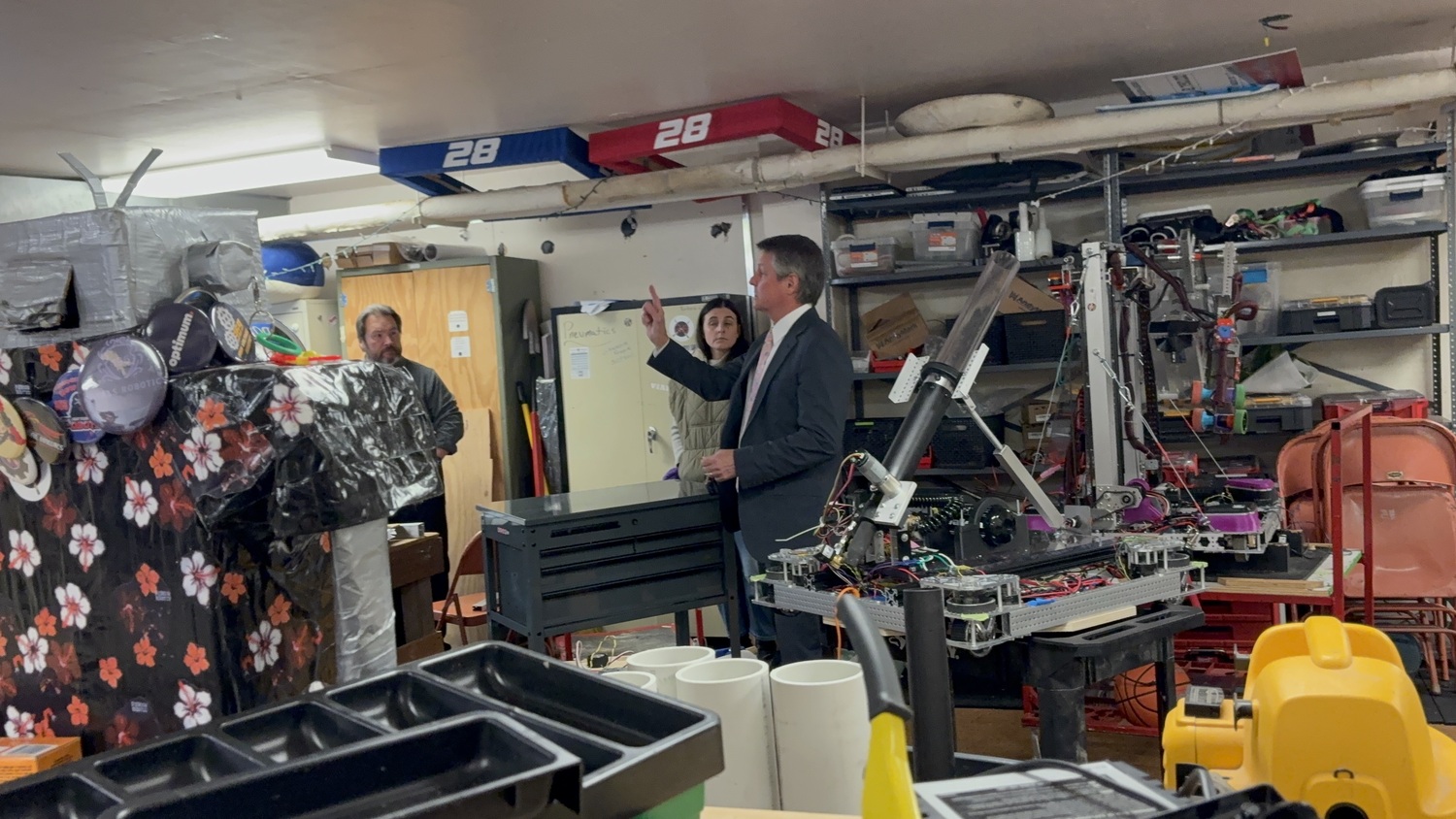
Superintendent Jeff Nichols gave a tour of the facilities that would be upgraded and improved if the bond referendum passes in January. The robotics room and locker rooms would be upgraded. CAILIN RILEY

The technology and woodshop room would be upgraded, with a new HVAC unit, that would greatly improve ventilation in a room where it is clearly important. CAILIN RILEY
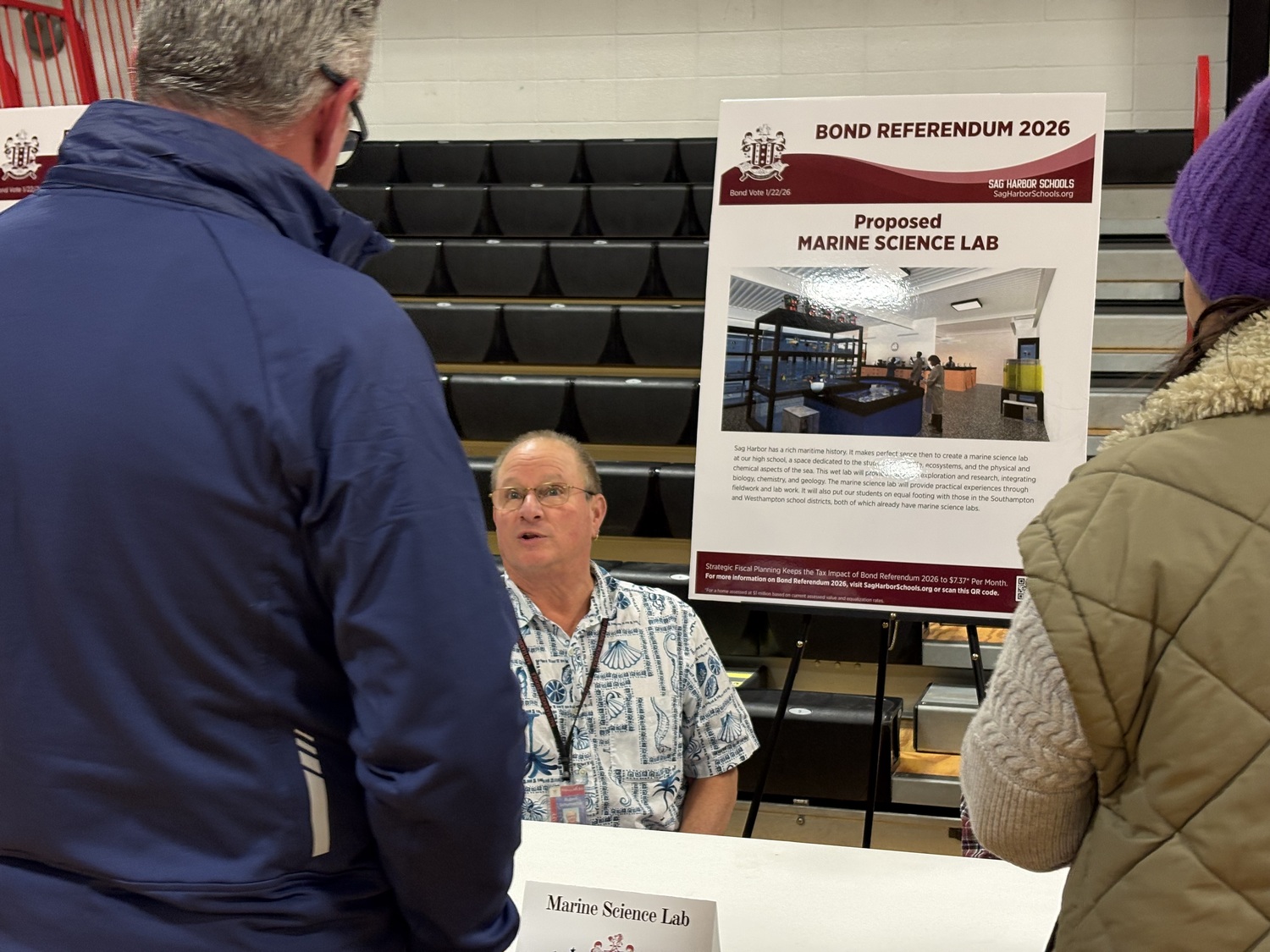
Members of Pierson faculty were on hand to answer questions about the proposed facilities upgrade and how it will impact students. CAILIN RILEY
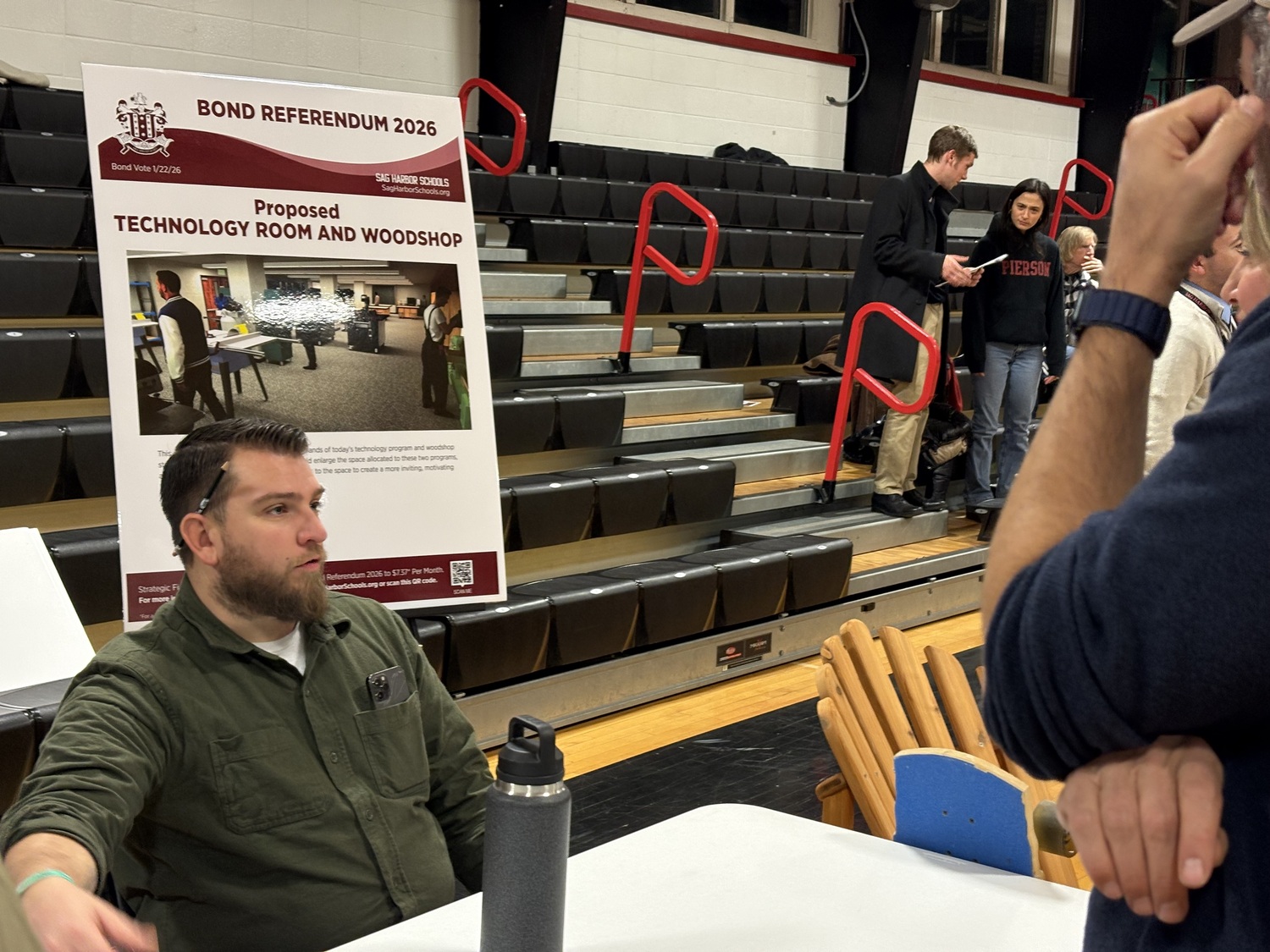
Members of Pierson faculty were on hand to answer questions about the proposed facilities upgrade and how it will impact students. CAILIN RILEY
The Pierson High School doors were opened to parents and residents on Tuesday night for a community forum meant to inform them about an upcoming vote on a bond referendum, scheduled for January 22, 2026, that would fund a large-scale $40 million facilities improvement project.
If approved, the bond will allow the district to greatly enhance multiple learning environments at the school and create new ones for students, while also presenting new opportunities for the community at large.
The projected average monthly cost to Sag Harbor homeowners is $7.37 over the life of the 30-year bond. The project would allow for the building of a new high school gymnasium, to replace the current gym, which has not been upgraded since it was built in 1967; a new and improved space for the school’s Robotics Club, which is currently housed in a windowless basement room that was formerly a closet; a brand new marine science lab, a facility that has been present for years at nearby schools like Southampton and Westhampton Beach; additional classroom space for musical instruction, which is currently lacking; an upgraded technology and woodshop room; upgraded HVAC units in the gymnasium and other areas of need; a new recording and streaming studio; and a new fitness and weight room that would be open for use by the community as well.
At the start of Tuesday night’s forum, Sag Harbor Superintendent of Schools Jeff Nichols explained why the facilities upgrades are needed, and took those in attendance on a tour of the areas that would be upgraded.
“The facility drives the academic programs,” he said. “And facility shortcomings right now are limiting academic opportunities for our kids.”
He said that earlier in the day, he noticed the school orchestra practicing in the hallway, a common occurrence because the school does not have enough instructional space for all its musical programs. He pointed above his head to the gymnasium ceiling, which leaks and also does not reach the minimum height requirement for high school gyms; it is only 22 feet high at its apex, he said, and even lower as it falls away from that point. The minimum recommended height is 25 feet. That means that, during interscholastic volleyball games, the ball is often blown dead because it hits the ceiling. There are also dead spots in the gym floor that impact physical education classes and the basketball teams, that need to be addressed. There’s also no air conditioning in the gym, which becomes a big problem during the end of the school year when students have to sit in there for hours taking important tests like the SATs, ACTs and more.
Like the robotics room, the weight room was formerly a closet, and it is rundown and a fraction of the size of most weight rooms at nearby schools. Exposed and aged piping and plumbing are a common feature of both the boys and girls locker rooms.
Nichols made all these points both during his speech to those in attendance and during the tour. He said he has been asked by many community members over the last few weeks if the project comprises mostly “wants” instead of “needs,” and if any of the proposed updates and additions are really just “luxuries.”
“From my perspective, this is just basic,” he said. “If we don’t do this, our students are at a disadvantage compared to students at other schools.”
Plans for the project were carefully thought out to mitigate disruption to the learning environment. The school would not have to give up the back athletic field; Nichols said the field would only be closed for use temporarily during the construction phase. The project will be carried out in a way that will limit disruption to indoor sports and phys ed as well. He said the school would only be without the use of its current gym for a month or two, max, because it will construct and complete the new gym before starting the work to transition the current gym into different instructional spaces.
Nichols said he also wanted to make it clear that the proposed bond and price tag of $40 million is a one-shot deal; there won’t be another ask for a second round of funding, he said, adding that the architect chosen for the project was chosen specifically because of a reputation for bringing projects in at or under budget.
If approved, the project would begin in summer 2027, with expected completion in the spring of 2029.
For more information about the project, including taxpayer impact, more details on the proposed plans, and voter registration information, visit sagharborschools.org.


 Cailin Riley on Dec 10, 2025