


 1 Video & 17 Photos
Express Sessions: The South Fork’s Bounty, on Land and at Sea
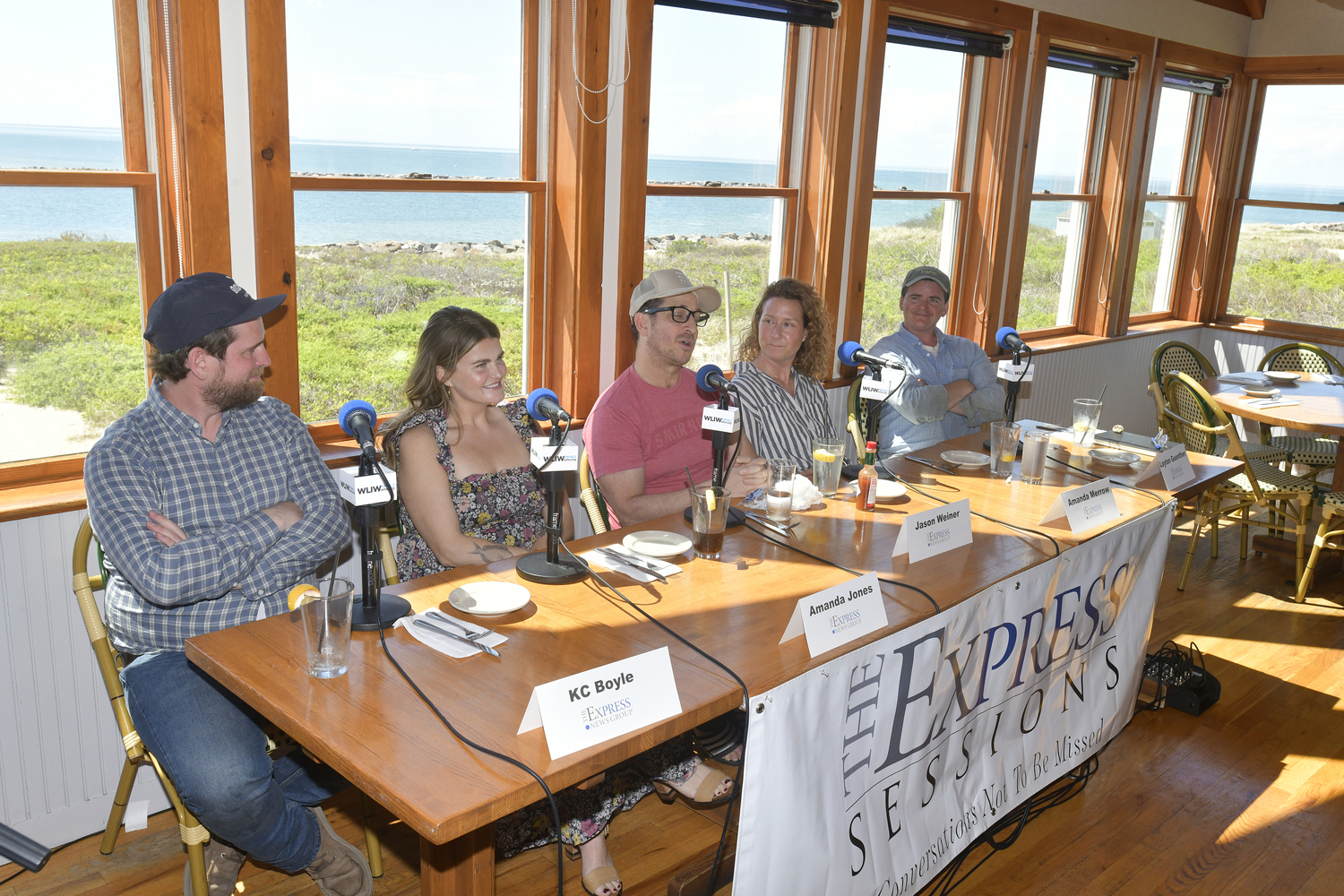
The panel at the the Express Session, "The South Fork's Bounty, on Land and at Sea," at Inlet Seafood in Montauk on May 8. DANA SHAW
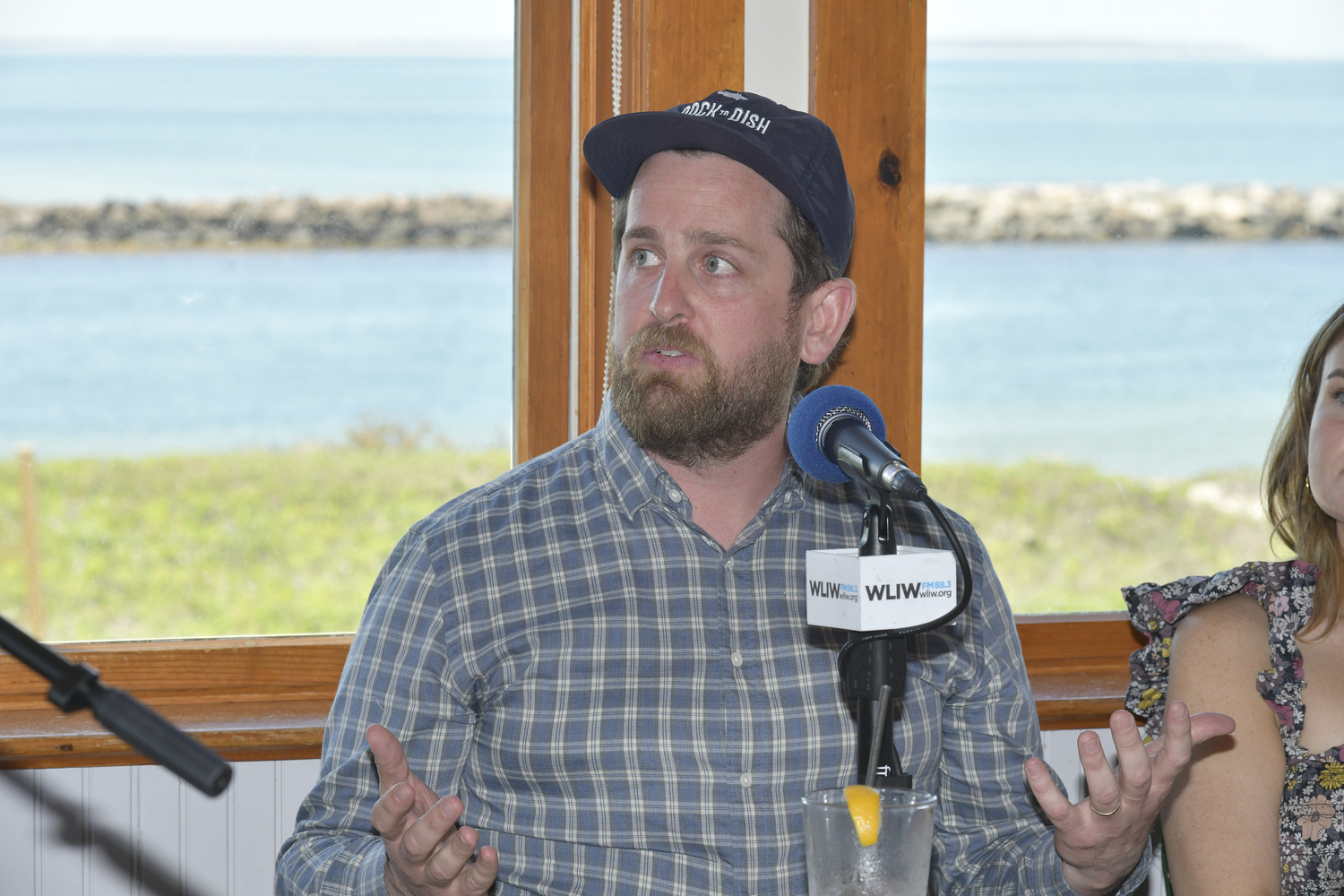
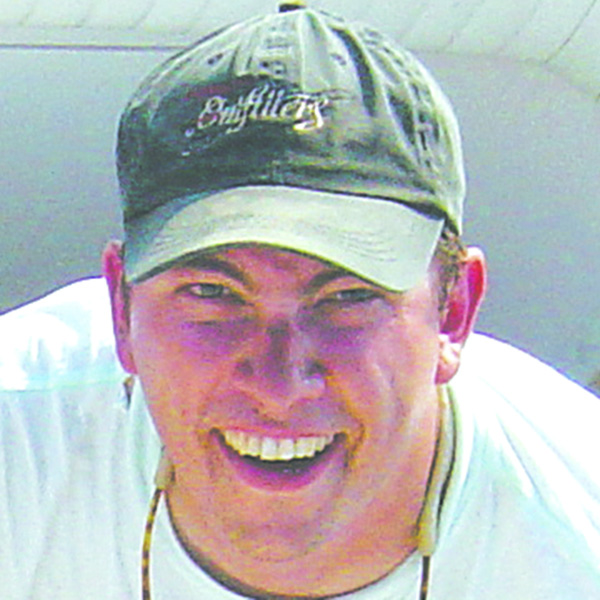
Panelist K.C. Boyle, co-owner of Dock to Dish. DANA SHAW
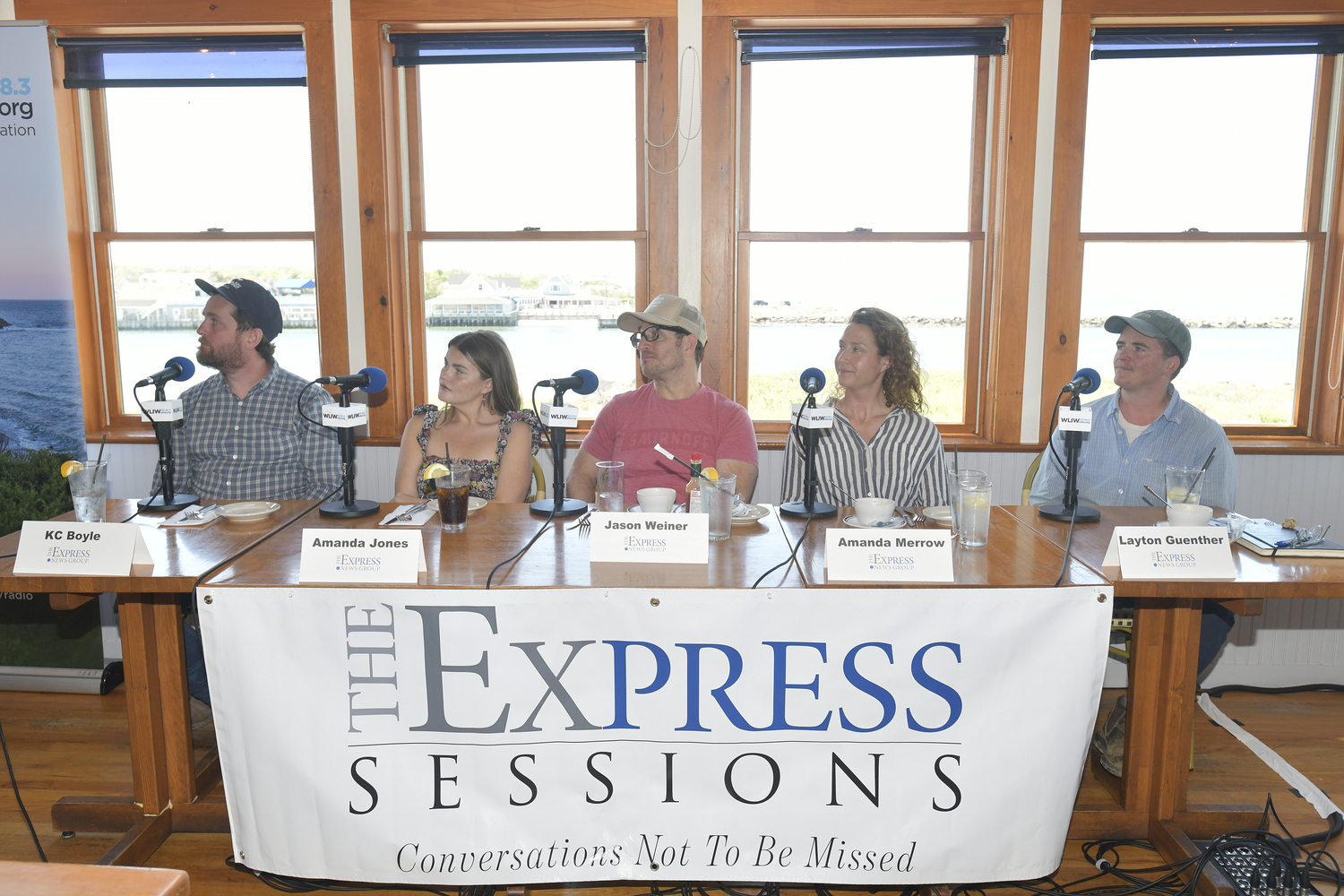
The panel at the Express Session, "The South Fork's Bounty, on Land and at Sea," at Inlet Seafood in Montauk on May 8. DANA SHAW
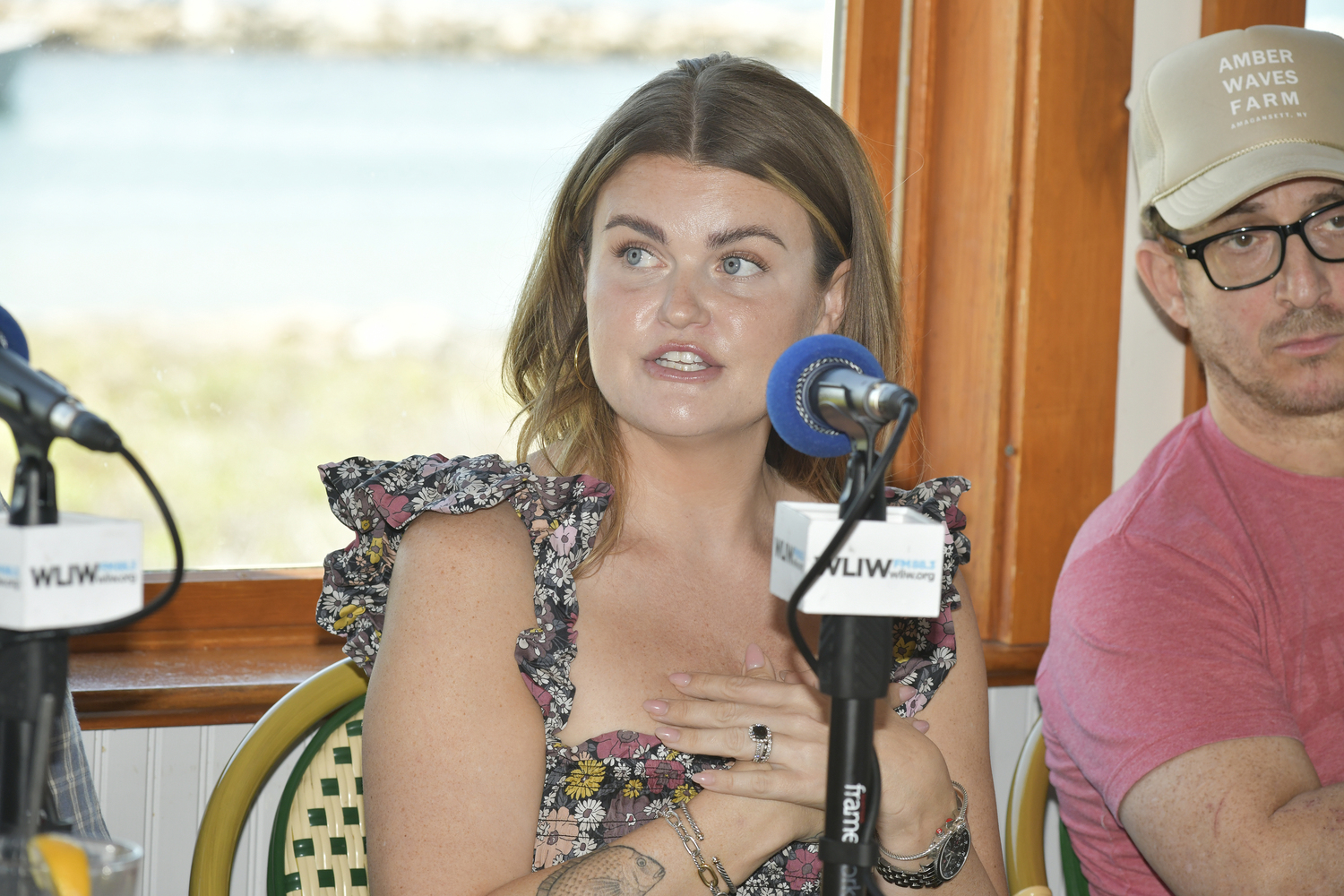
Director of Operations at Montauk Inlet Seafood, Amanda Jones. DANA SHAW
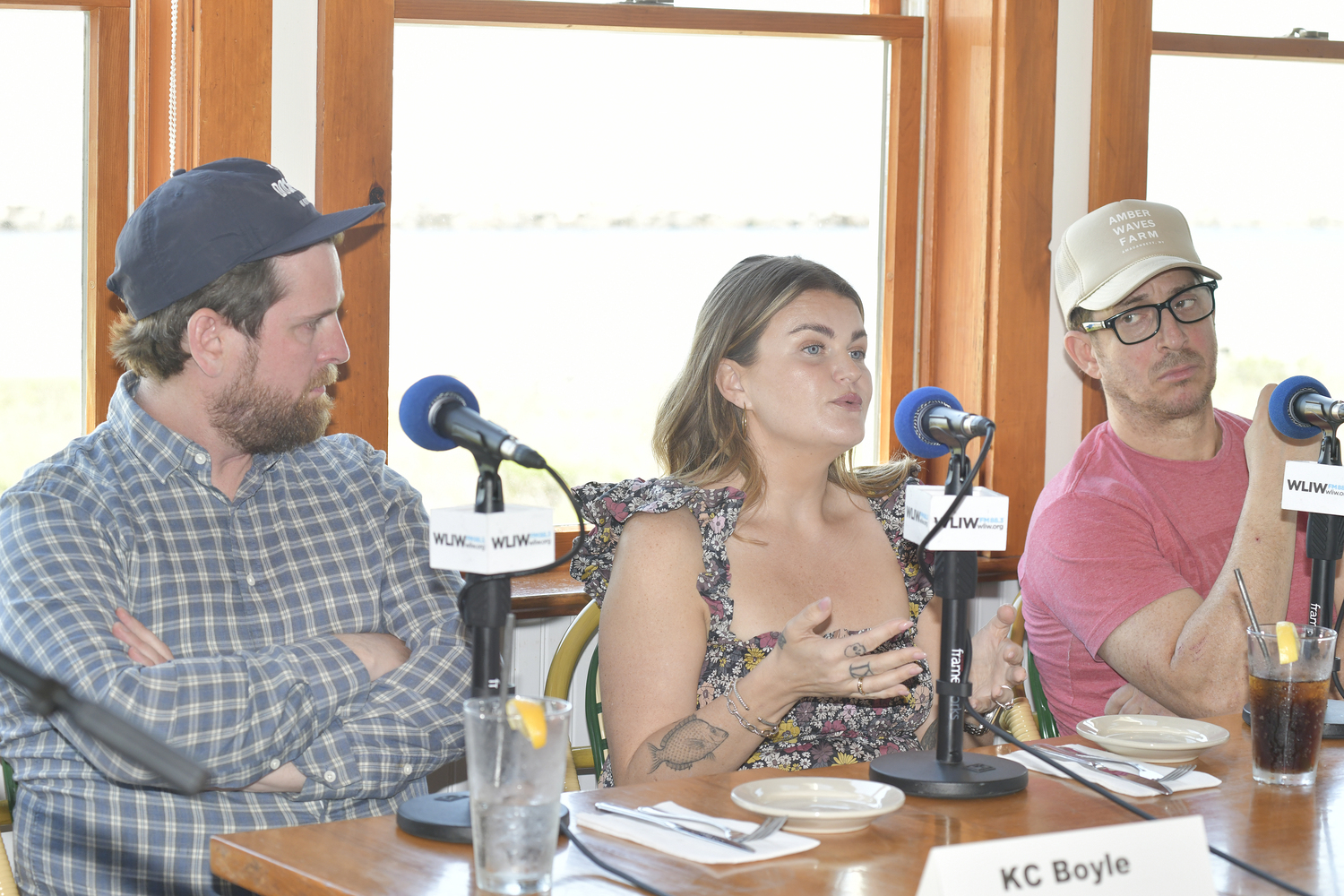
Panelists K.C. Boyle, Amada Jones and Jason Weiner. DANA SHAW

Director of Operations at Montauk Inlet Seafood, Amanda Jones. DANA SHAW
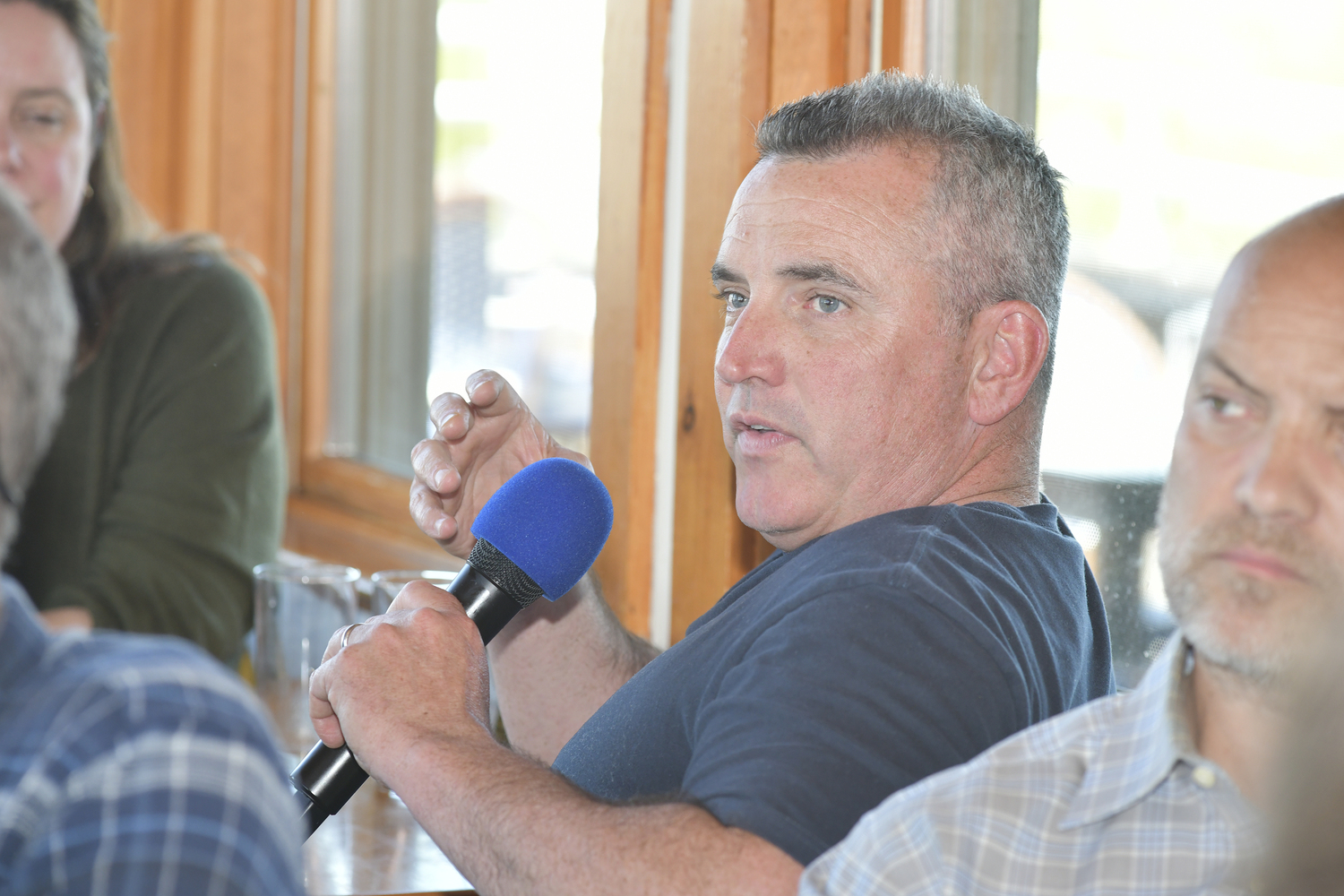
Asa Gosman makes a point at the Session. DANA SHAW
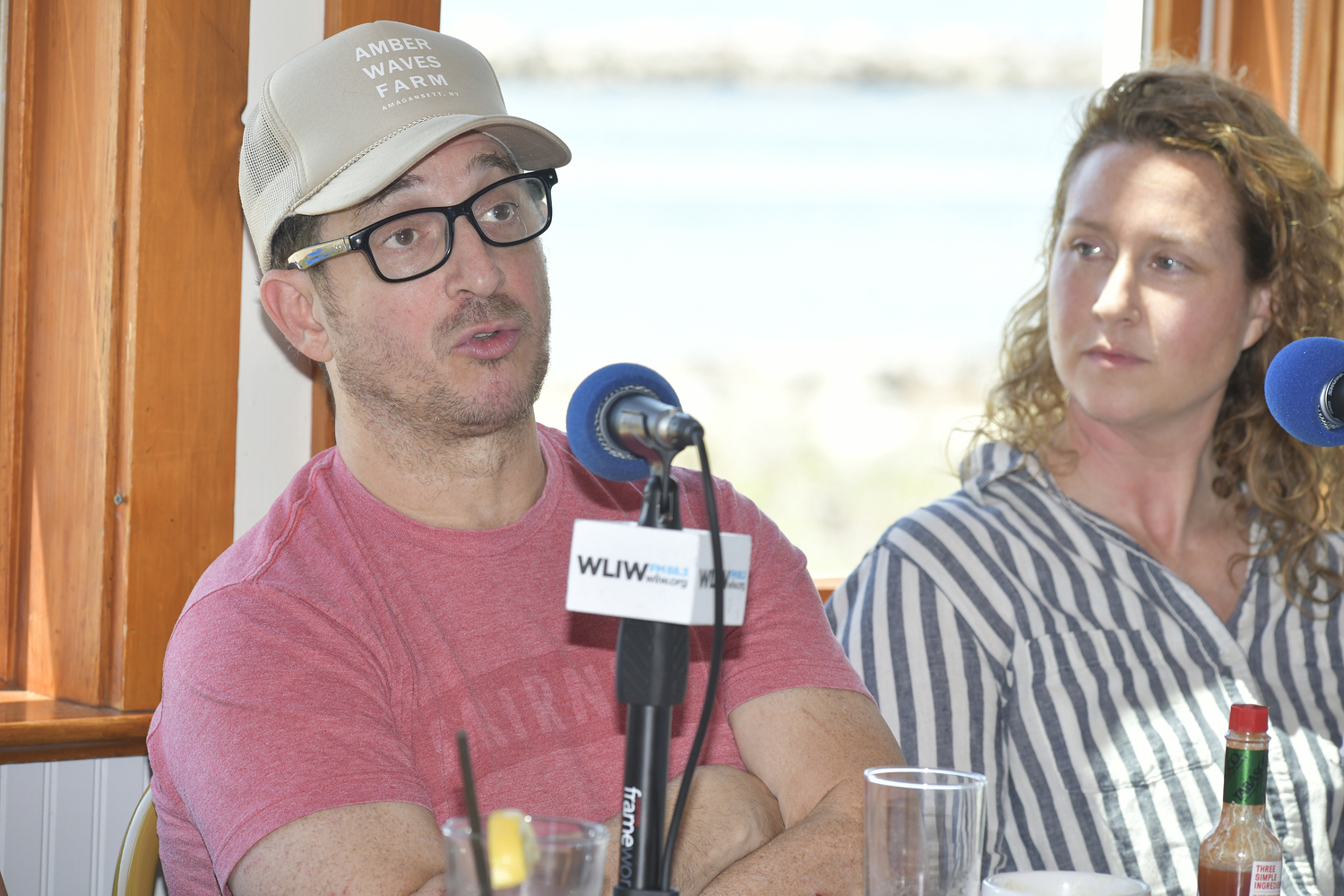
Panelists Jason Weiner and Amanda Merro. DANA SHAW
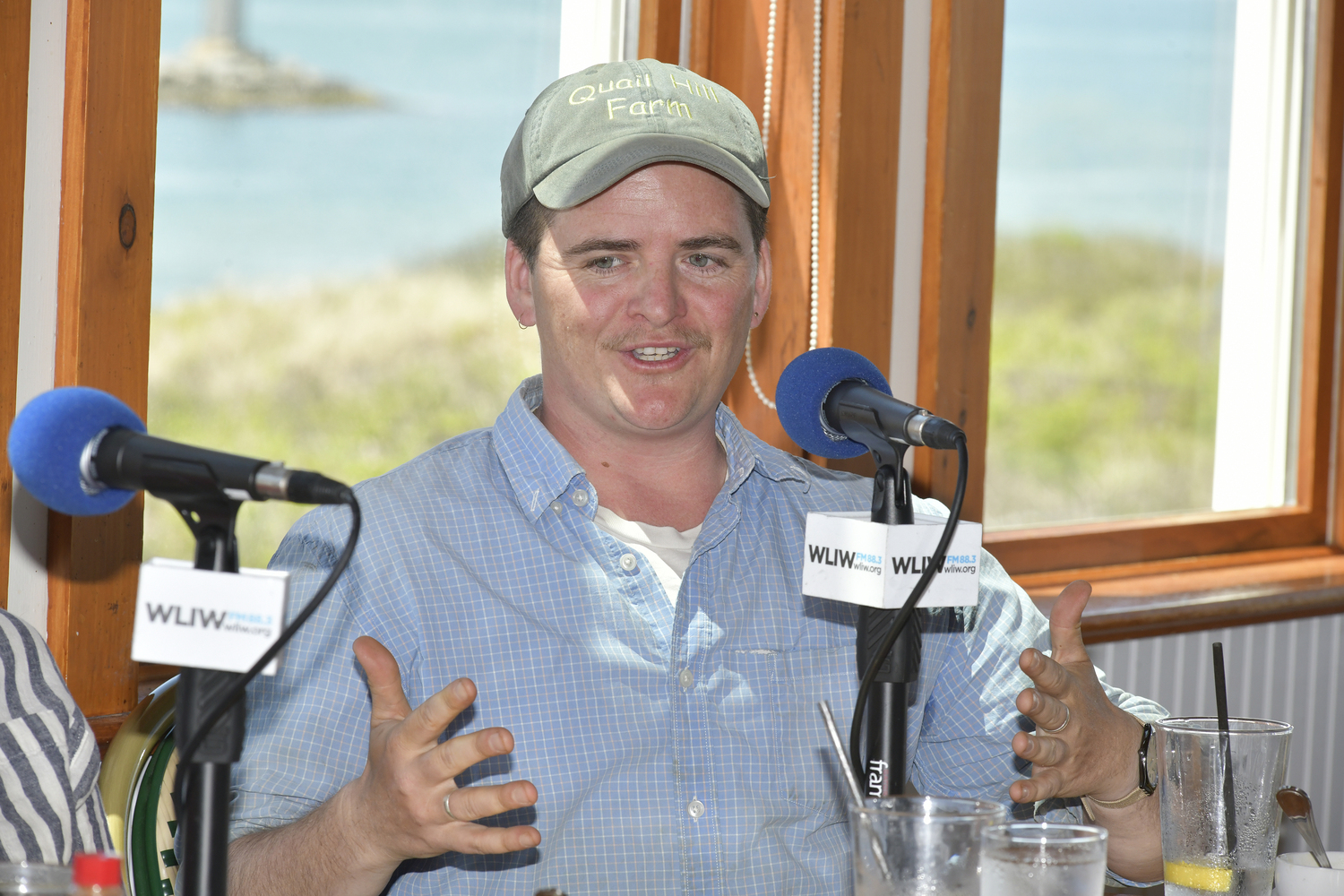
Panelist Layton Guenther, director, Quail Hill Farm. DANA SHAW
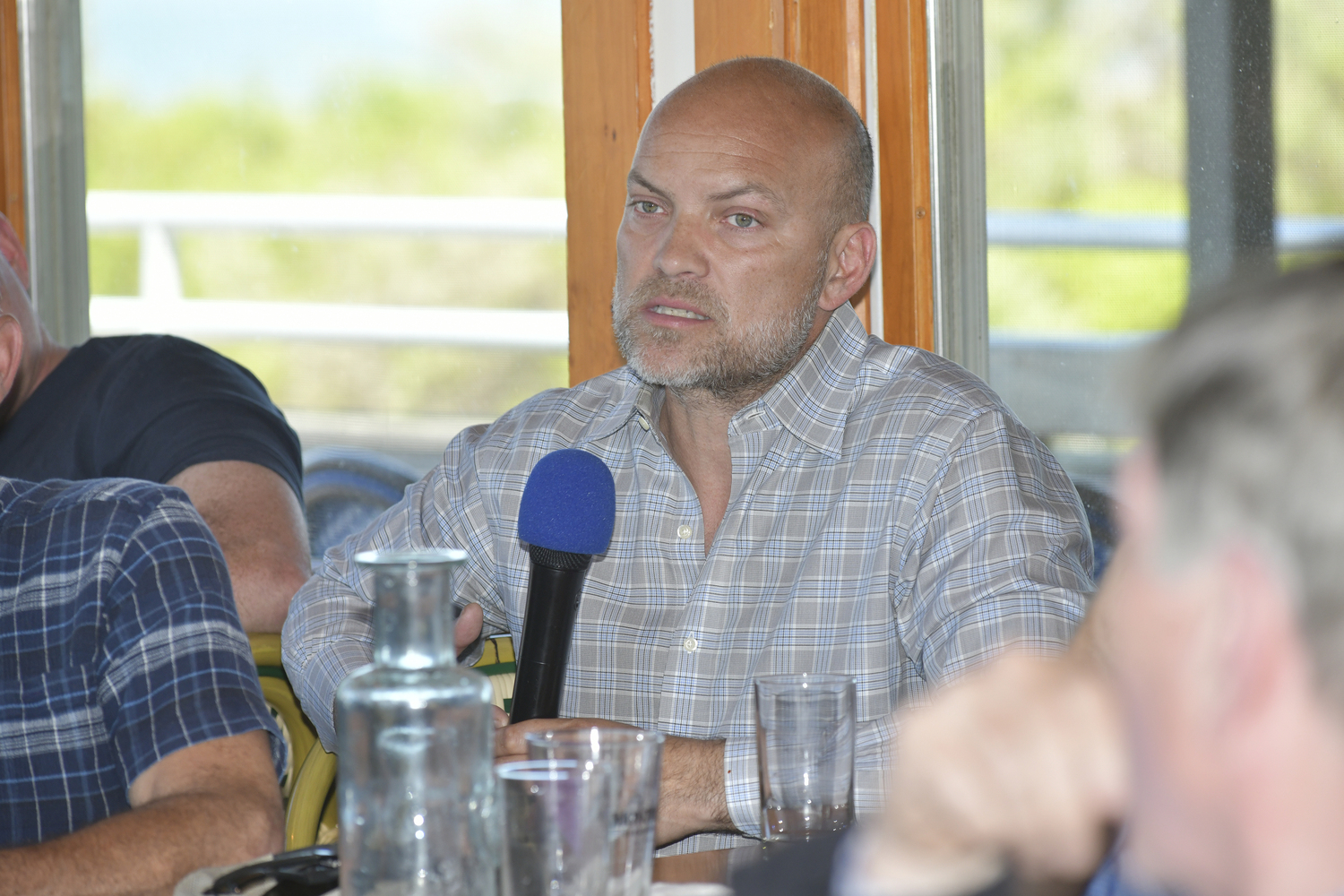
East Hampton Town Councilman David Lys fields a question. DANA SHAW
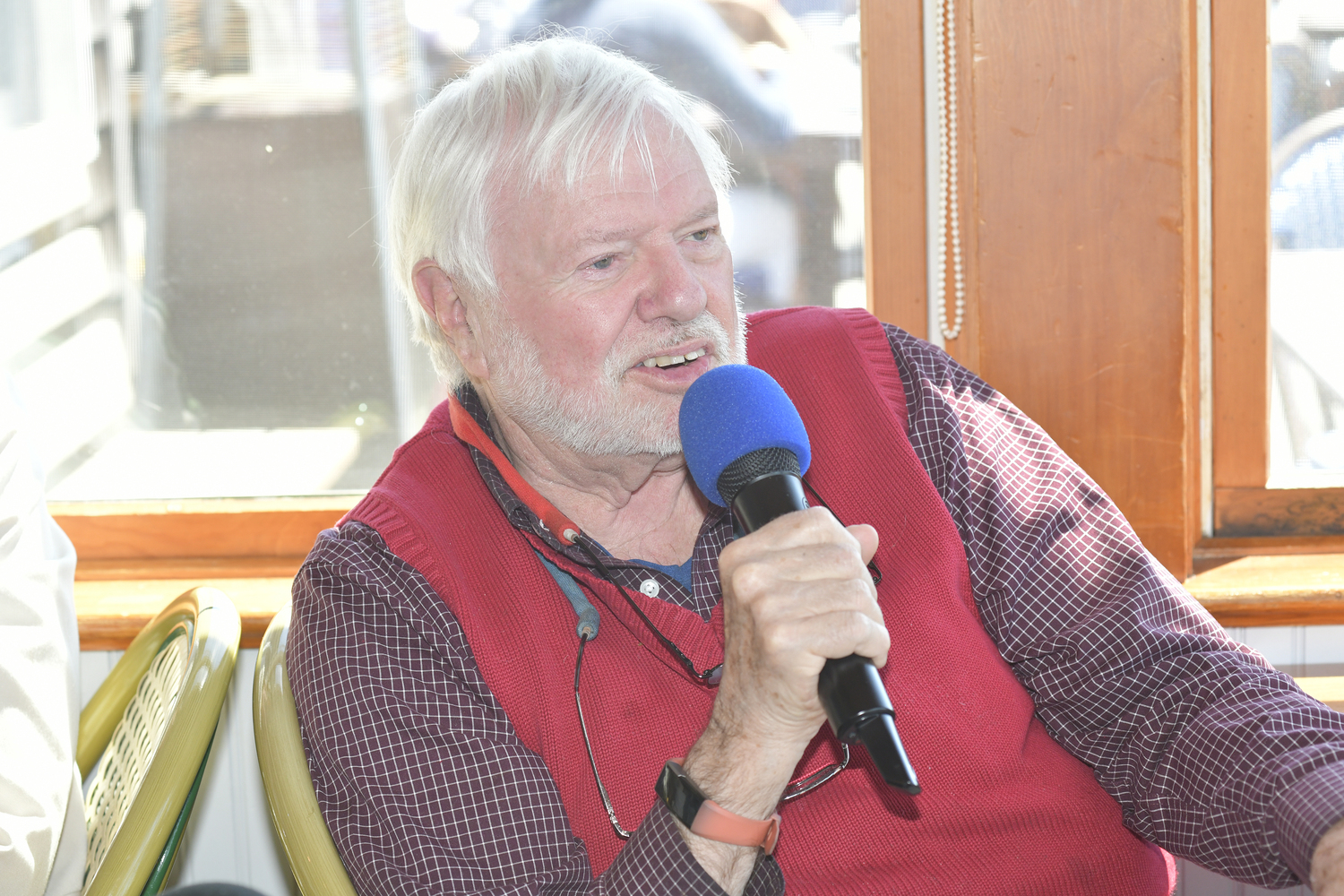
Anthony Hitchcock asks a question. DANA SHAW
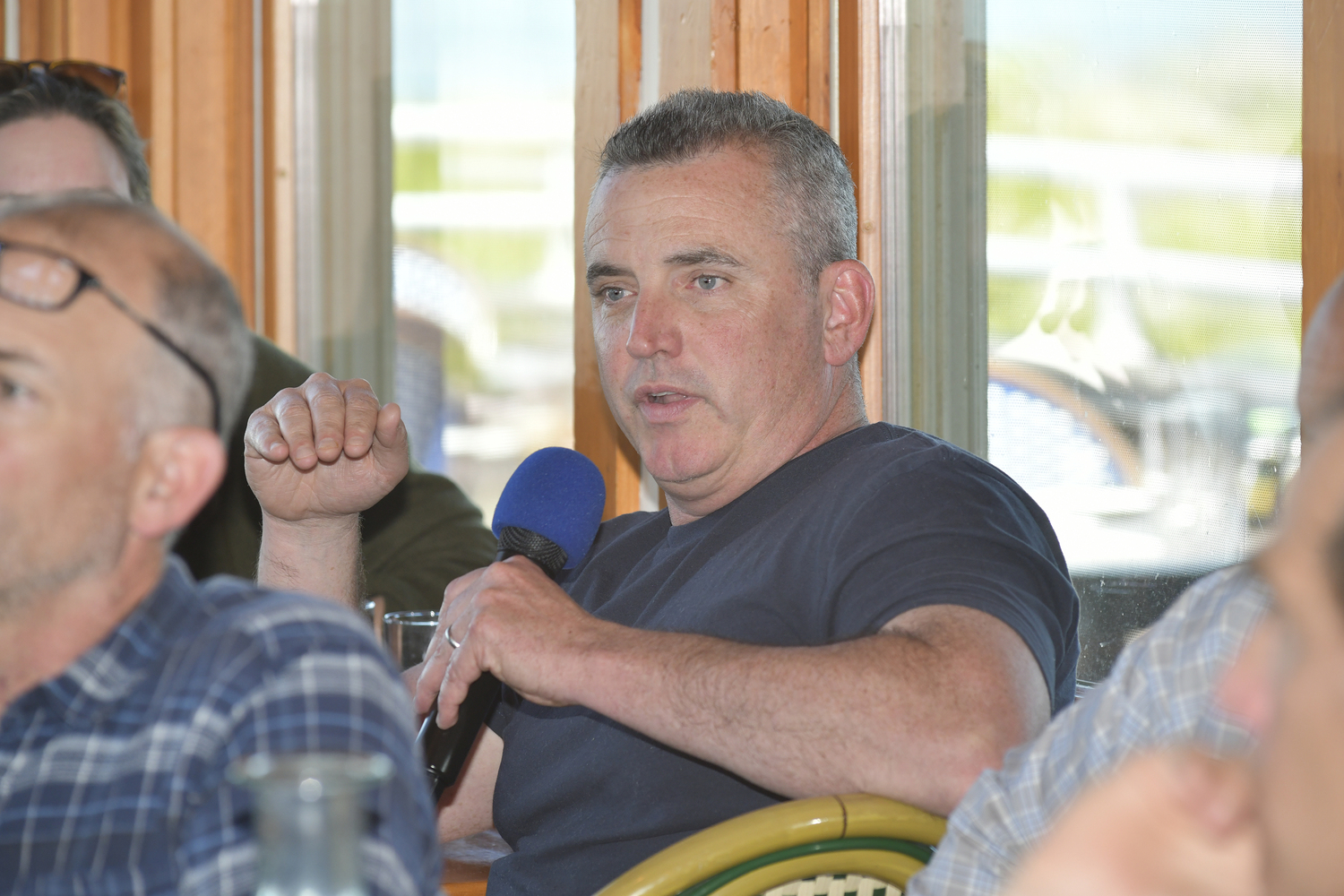
Asa Gosman makes a point at the Session. DANA SHAW
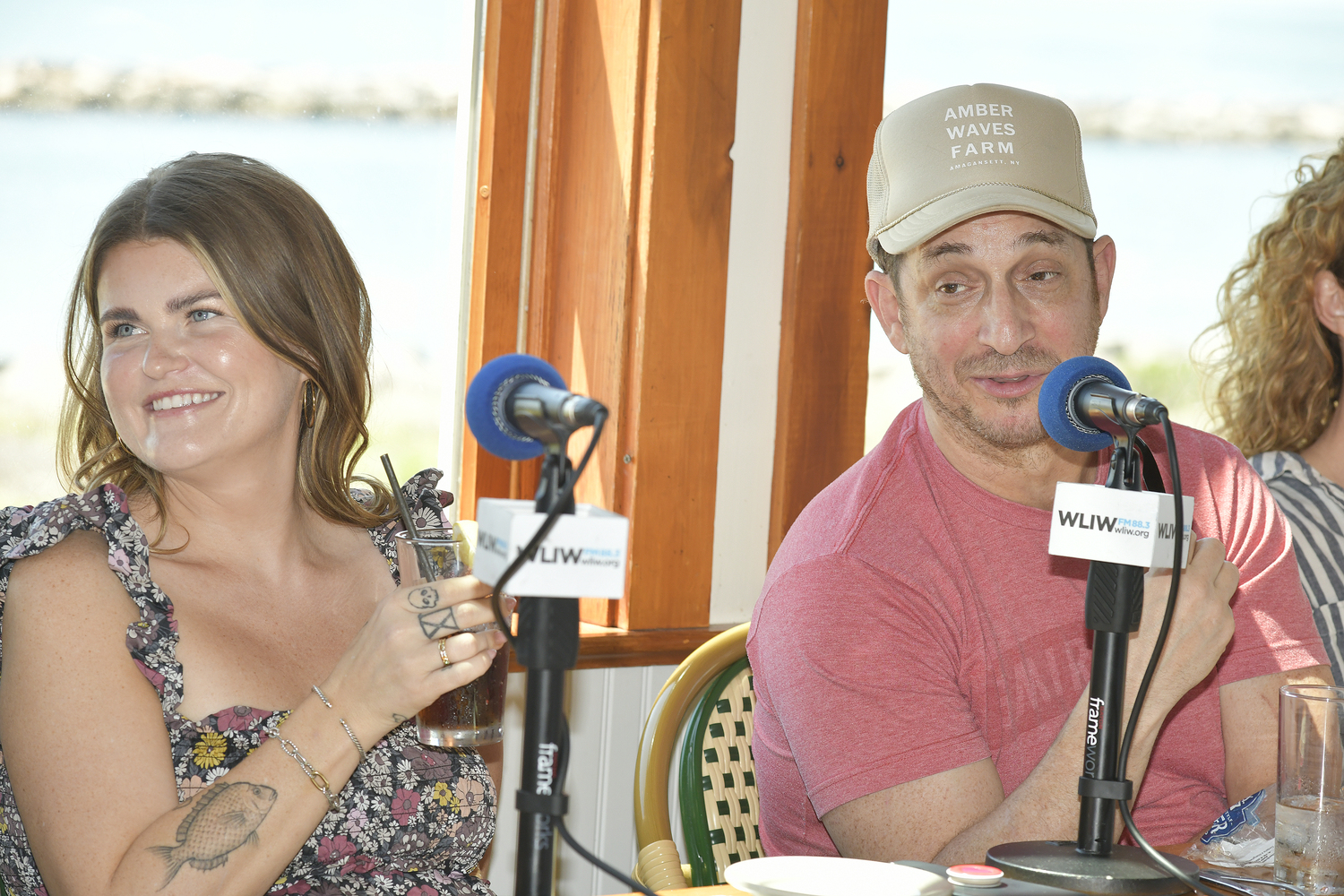
PanelistsAmanda Jones and Anthony Weiner.
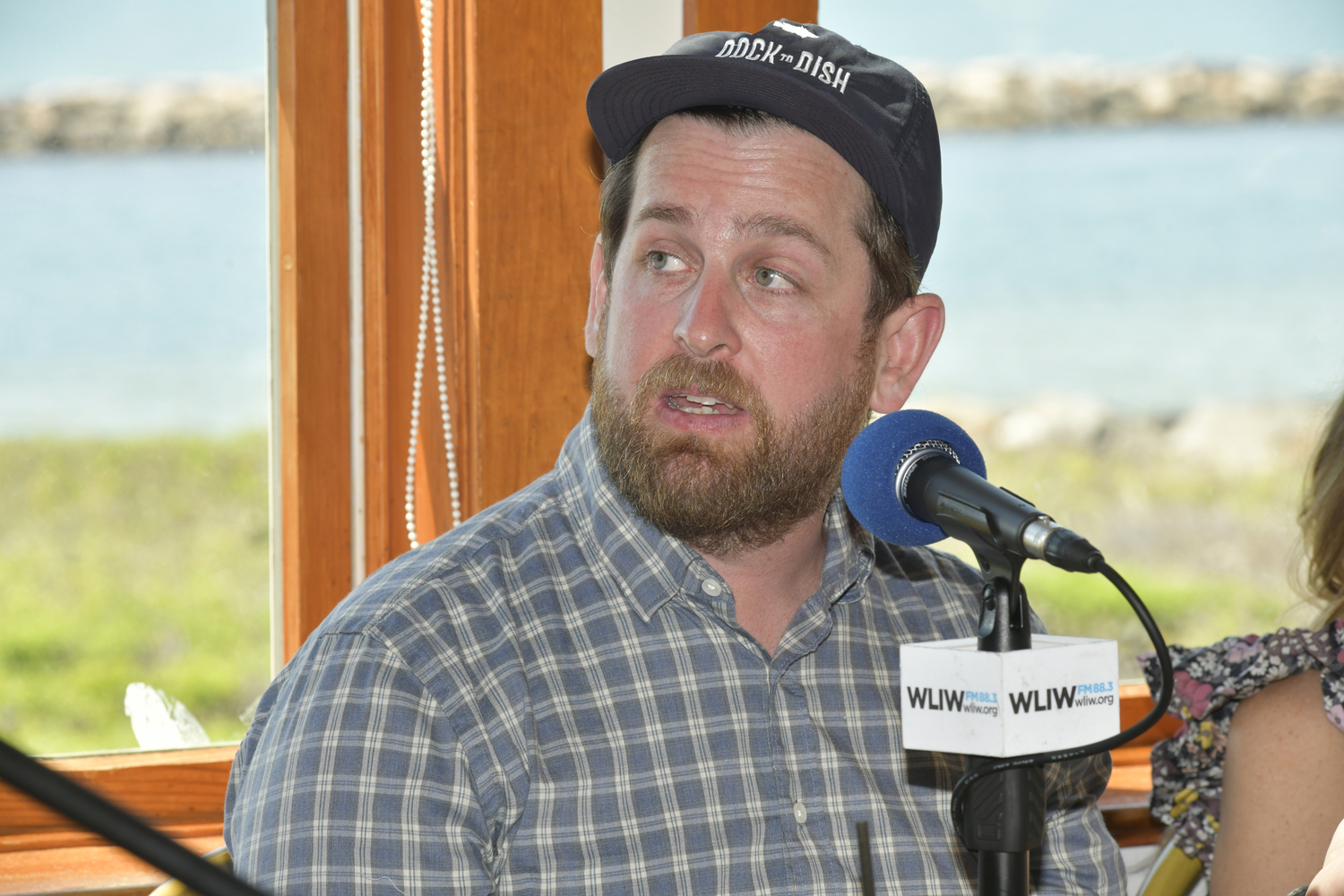
K.C. Boyle, co-owner of Dock to Dish.
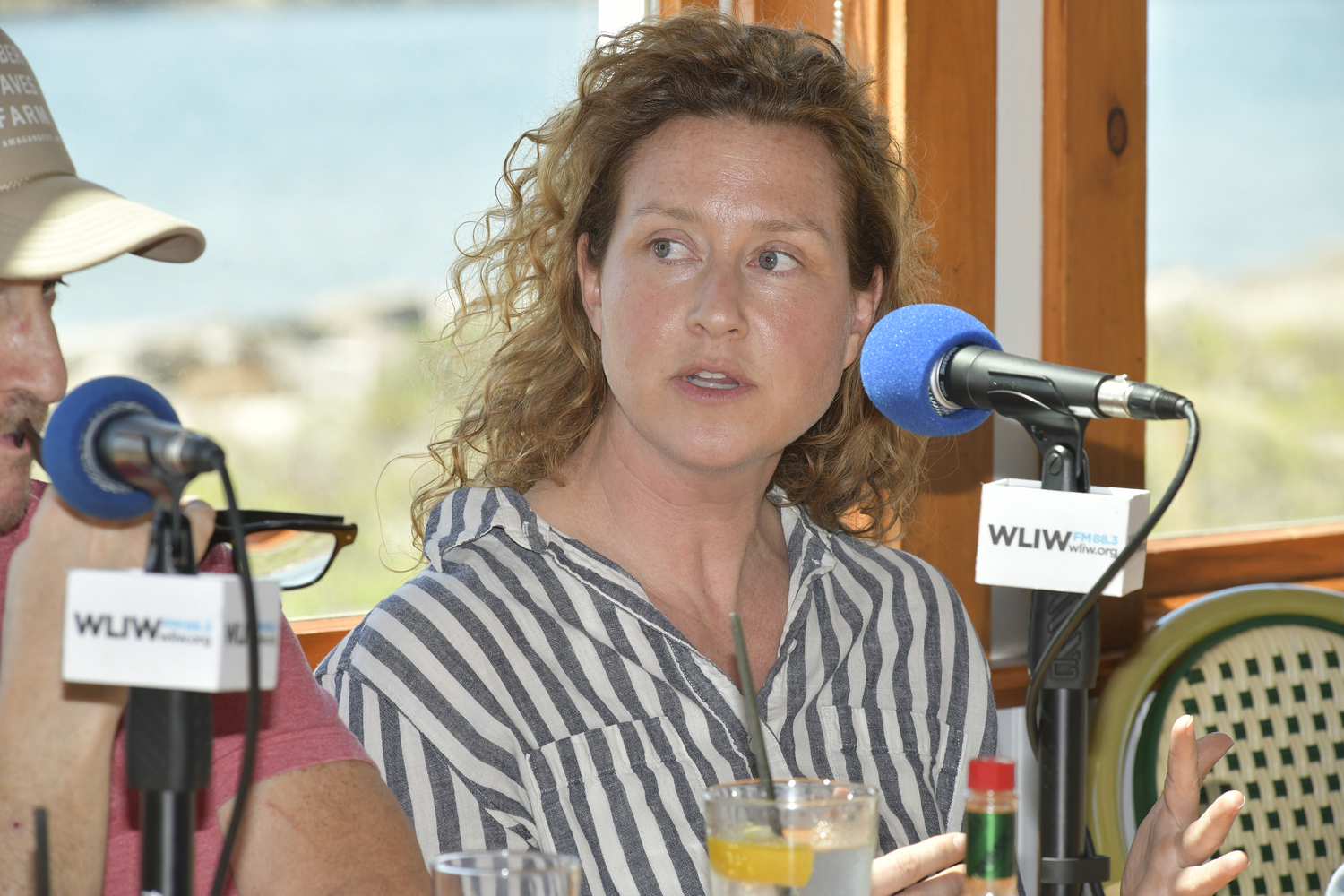
Panelist Amanda Merro, co-owner of Amber Waves Farm. DANA SHAW
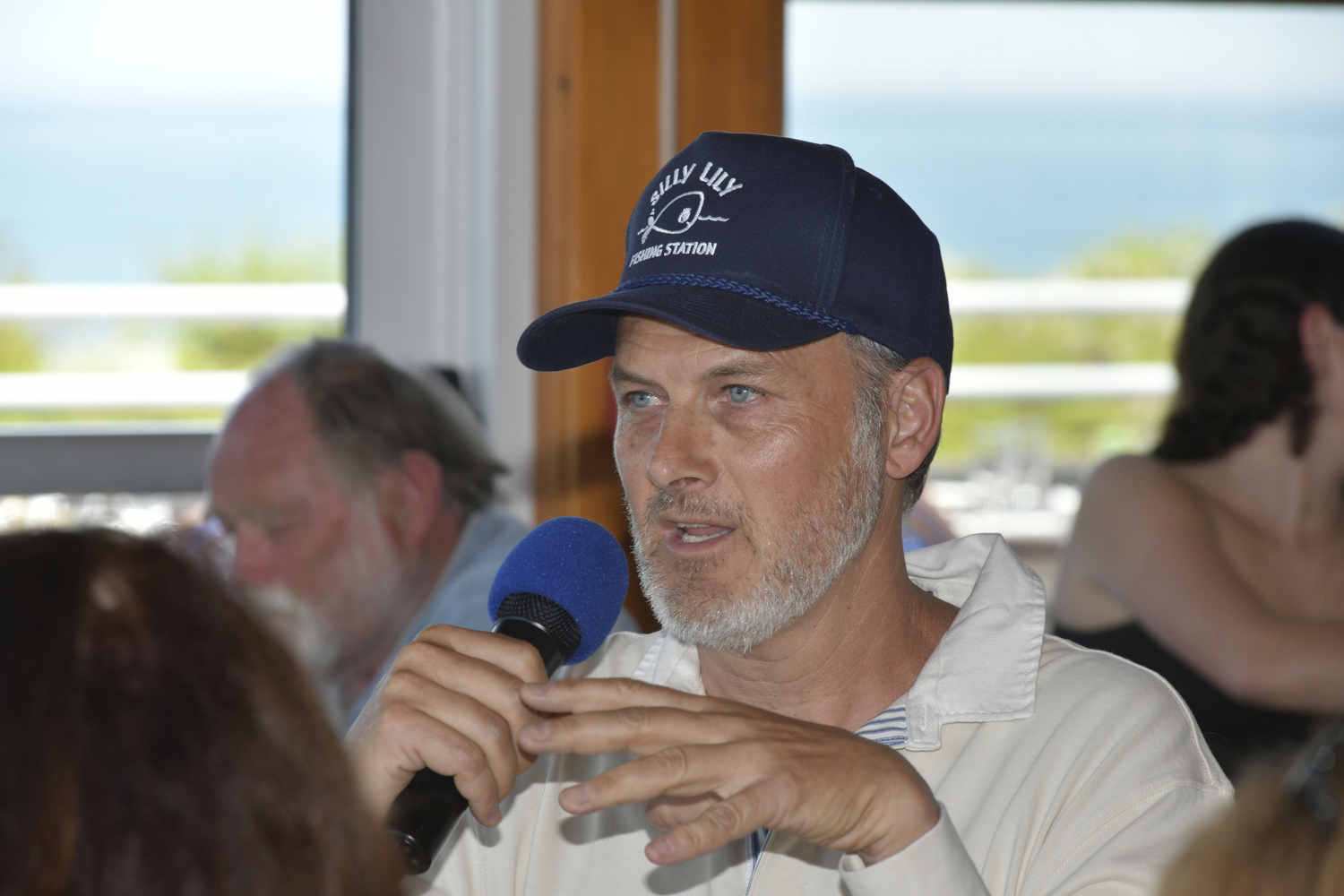
Audience member Jay Scott from Silly Lily Fishing Station asks a question. DANA SHAW
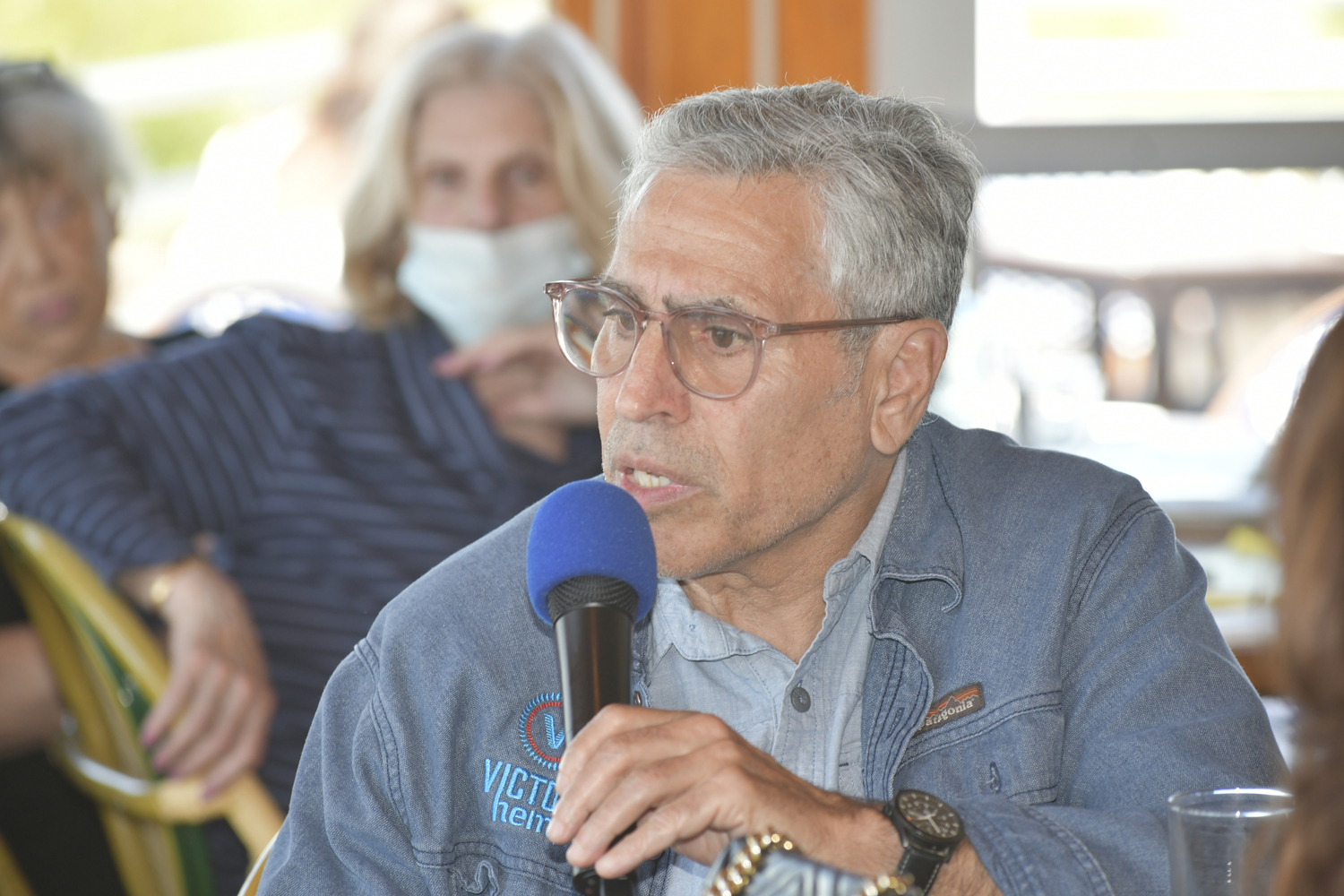
Peter Strugatz ask a question. DANA SHAW
Sitting over the waters of Montauk Harbor, champions of the local farming and fishing communities gathered at the most recent Express Sessions event explored the ways that their industries can grow demand for their products and grow profitability and sustainability into two of the cultural and economic cornerstones of the East End community.
Both industries have faced mounting headwinds in the last several decades from the suburbanization of the East End, environmental degradation and the soaring costs of living and have fought for viability. Farmers have seen the foundations of a new generation grow out of internship programs and multigenerational farming families alike, bolstered by the financial support that the Community Preservation Fund and groups like the Peconic Land Trust have built behind them.
Commercial fishing has survived and continues to be a viable industry that attracts new young boat owners and deckhands, thanks to the broad and diverse markets that have been built largely out of the capitalist spirit of small independent fishermen, but regulations, the costs of maintaining the infrastructure of fishing and the spread of low-priced international products and farmed fish pose a looming threat to the longterm health of the industry.
The farmers and fishermen who gathered at Inlet Seafood restaurant in Montauk last Thursday, May 8, said that the East End’s booming resort community of cultured, food-savvy and generally wealthy residents and visitors presents a ripe opportunity for their industries to thrive — but it required convincing individuals to choose local products, both for their overall quality as well as for the sustainability of the communities that bring them to consumers.
On the fishing side, one of the groups that has been at the fore of that outreach effort has been the seafood company Dock to Dish, which emphasizes the focus on restaurants in New York City and Long Island using fish that came off the decks of boats from Northeast ports like Montauk — the largest commercial fishing port in New York.
The company’s co-owner, K.C. Boyle, was on the Sessions panel and said that Dock to Dish is out to spread the gospel that local fish is the best fish, regardless of one’s culinary predispositions, simply by getting samples in front of savvy diners.
“It means getting local fish on local plates … and we’re going one restaurant at a time in both New York City and Long Island to shape that conversation,” he said. “We have tremendous diversity here. We have tremendous quality. We have some of the best fish in the world, that often don’t get the recognition or spotlight that they should.
“Over the last year, we’ve sourced close to 125 individual species. We’ve made it into all of the three Michelin star restaurants in New York City. The quality is there, the diversity there, and the story is there,” he said. “It’s really a matter of connecting the dots both between the restaurant community and consumers. That’s what we’re trying to do, one restaurant at a time.”
Inlet Seafood itself is owned by a six commercial fishermen and sits just feet from the inlet where Montauk’s fishing fleet trades back and forth to the sea, and the panel members and guests gathered for the Sessions event munched on fluke sandwiches and fish and chips made with porgy from the owners’ boats. Inlet Seafood Manager Amanda Jones — who runs the commercial fishing operation as well as overseeing the restaurant — said that because of its pedigree, the restaurant is particularly focused on pushing the products the owners sell but that as a fishing industry owner, she also sees that getting more restaurants to embrace that is a challenge, both conceptually and logistically.
Jason Wiener, whose restaurant, Almond, has been at the forefront of showcasing local products, said the key to expanding the public’s embrace of local products is to put it in front of them — and to do so in appealing ways that they will come to appreciate. But that requires restaurant owners, who work on tight profit margins, to make a conscious choice about how they present their menu.
“What we do at the restaurant is the menu is supply-based as opposed to demand-based,” he told the audience of guests, who were munching on fluke sandwiches and fish and chips made from local porgy, both of which are caught by local fishermen year-round. “In other words, we don’t come up with a menu with food and then go get the food. We have people like Amanda and Layton and K.C. and Asa [Gosman], who I think is here, and Pete Haskell, who tell us what is in the water, what’s growing and then we take those things and we come up with the menu.”
That is not always easy, because it can require more legwork and creativity on the part of the chef or restaurant owner. But the end product is more satisfying, he said.
“Chefs have habits and it’s often easier to go to a [big] producer and get on an internet portal and order food that way and not have to go through seven or eight text messages, which is, for me, part of the fun,” Wiener said.
But buying local fish, in season, can be less expensive and has a foundational benefit of not having been shipped or flown across the globe. Wiener said that 90 percent of the produce and fish that he sells at Almond, which opened in 2001, comes from within a 20-mile radius of its front doors — and has the name of the farmer or fishermen from whence it came attached to it on the menu. “There’s often an implication that sustainabilty is going to cost more, but … it doesn’t need to necessarily cost more.”
For farmers, the equation can be very much the same: with new produce growing in their fields that many of those who pass through the farm stands and farmers markets may well not recognize, understand the origin of or know what to do with. At Thursday’s panel, Amanda Merrow, co-owner of Amber Waves Farm in Amagansett and Layton Guenther, manager of Quail Hill Farm, a CSA operated by the Peconic Land Trust also in Amagansett, said that their jobs can be as much about educating the public that passes by their produce shelves or picks through their row crops with a basket.
“We have a CSA that is almost entirely pick-your-own,” Guenther said. “We’re trying to promote local ag, and, in my experience, a big part of that stems from a personal relationship that you have with the food on your plate; the farmer that grew your food. And that also is a way of promoting local eating, not just in the high season when it’s easy to go out and find a head of lettuce on the shelves, but really thinking about what it means to eat locally year round and trying to foster that enthusiasm for local food as well.”
For Merrow, who met her co-founder of Amber Waves, Katie Baldwin, while they were both interns at Quail Hill Farm and now run their own booming internship program at their farm, the challenge (and sometimes the fun) in farming for a retail-focused economy like on the East End, is in pressing the diversity of products and finding ways to open the eyes of customers. “Kaleini,” the made-up name for the sprouting part of the kale plant that is a newly realized delicacy, and garlic scapes, the sprout of a garlic plant that farmers break off in the spring to spur growth of the bulb below, are in their season now — but are sometimes little understood by consumers.
“We’re in this height of three to four weeks of kaleini season right now and so … we have kaleini as the roasted vegetable side that’s coming from our cafe. We’re trying to sling it to restaurants, we’re telling everyone who will listen about it, it’s in every display throughout the store,” Merrow said. “It’s this opportunity to pair the vegetable with a story.”
Boyle said the same goes for fish, and to Wiener’s point about food costs, to the economics of restaurants.
“There’s a fish and vegetable for everyone that’s local,” he said. “I mean, we could think of a few dozen species, hake, scup, monkfish, the list goes on and on. We have dozens of beautiful fish species here that can be on every corner bar’s menu as their fish and chip fish, or their catch of the day, and then yes, there are your swordfish and your tuna that could be for the fine dining crowd. But the whole spectrum is there. You have the garlic scapes and you have the porgy.”
Along with the uphill fight for convincing diners or seafood shop customers to purchase something called a porgy rather than the salmon they are used to — which is either farmed or from thousands of miles away and often both — is the struggle with mountainous, labyrinthine and often seemingly irrational regulations that often work against the effort to prop up the industry locally.
“One of the main species we catch over the winter is … fluke — permit-wise, let’s take Virginia for example, they have a quota of 10,000 pounds they’re allowed to catch in one trip; we have a quota of 400 in New York,” Jones said. “So what’s happening is, the boats are steaming up from Virginia to our waters, five miles off of Montauk, catching the 10,000 pounds of fluke, steaming it back to Virginia. It’s getting on a truck and getting sent to New York City. The same place that we’re sending our fish, and our quotas are a fraction, 2 percent of other states. From an economic standpoint and from a green standpoint, you should be able to land the fish to the closest port you’re in.”
But local harbors also suffer from an infrastructure shortage that would retard the ability to land more fish even if the rules were changed. Inlet Seafood’s owners have proposed building a fish processing facility on their property and Suffolk County has been working with commercial fishing interests on establishing a central processing facility for the East End, so that more fish could be brought through local ports and shipped to market without having to travel just to be scaled and gutted elsewhere and then brought back to local purveyors.
Jones and Boyle said that the fishing industry could use some of the sort of public financial support that the farming industry has been able to bolster itself with through the dollars spent to preserve land by the Community Preservation Fund.
“There’s tremendous amounts of money at the state level to be able to procure, to be able to help support infrastructure projects on the public, private, hybrid level, and we just need advocates to be able to do that,” Boyle said. “I think getting the processing facility, getting a backup ice house, getting the infrastructure here to be able to attract other fishermen and to support the fishermen that are here is a very tangible and concrete step.”


 Michael Wright on May 14, 2025