


 4 Photos
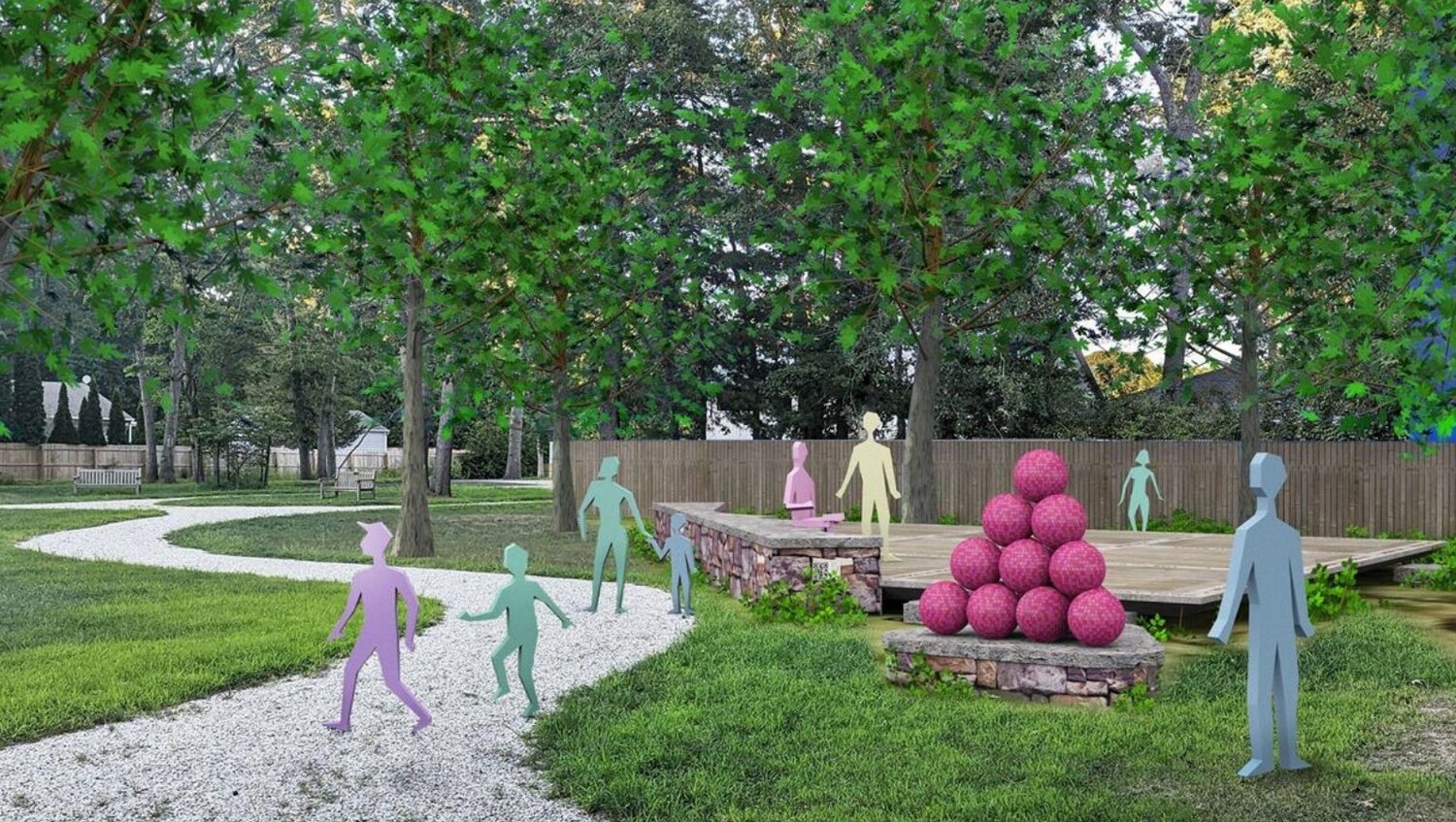
The founding goal of Hamptons Pride was to memorialize the Swamp, an LGBTQ-friendly night club in Wainscott that closed in 2001. The East Hampton Town Board is looking to move that goal a step closer to reality. COURTESY HAMPTONS PRIDE
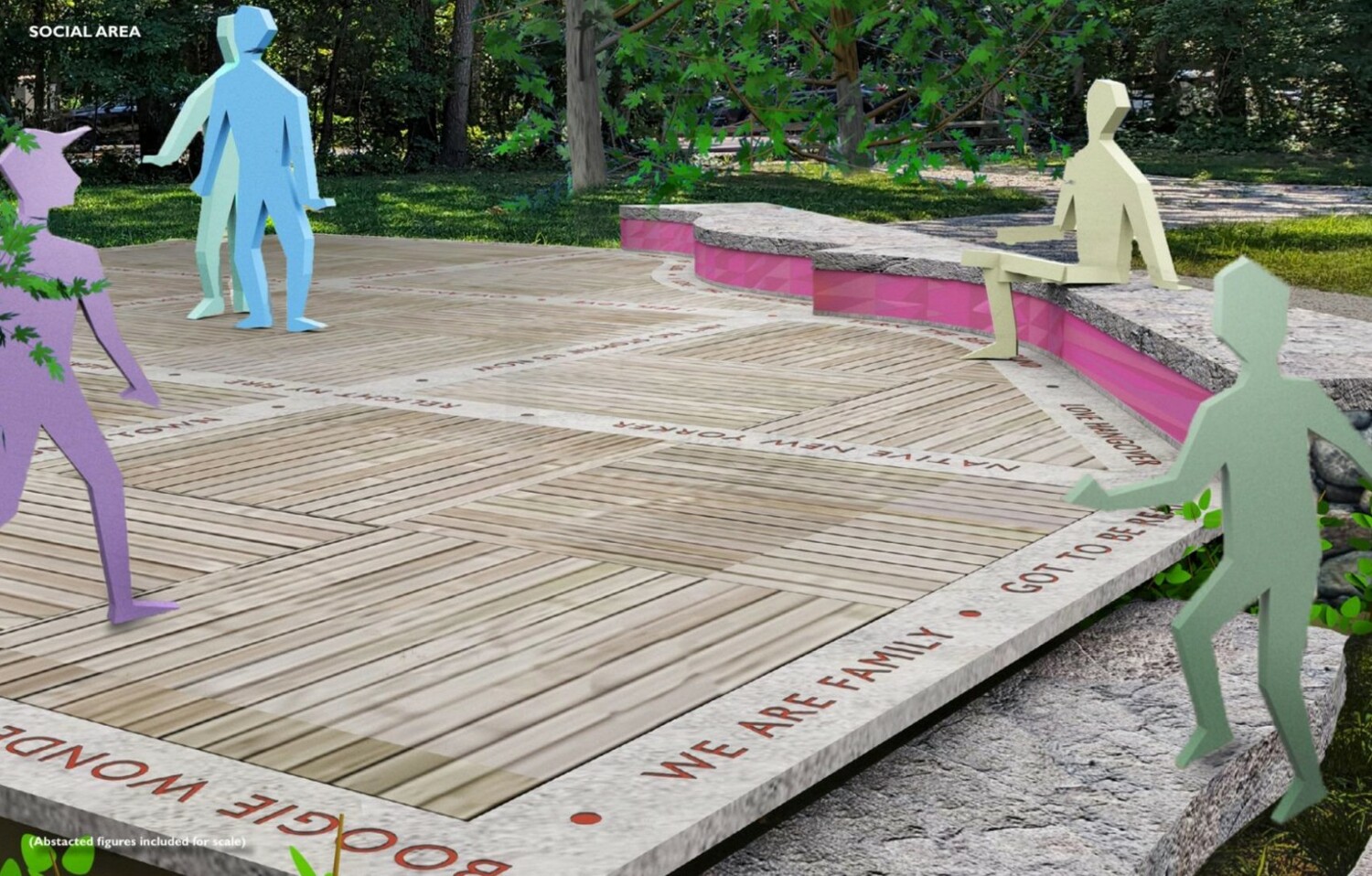
The founding goal of Hamptons Pride was to memorialize the Swamp, an LGBTQ-friendly night club in Wainscott that closed in 2001. The East Hampton Town Board is looking to move that goal a step closer to reality. COURTESY HAMPTONS PRIDE
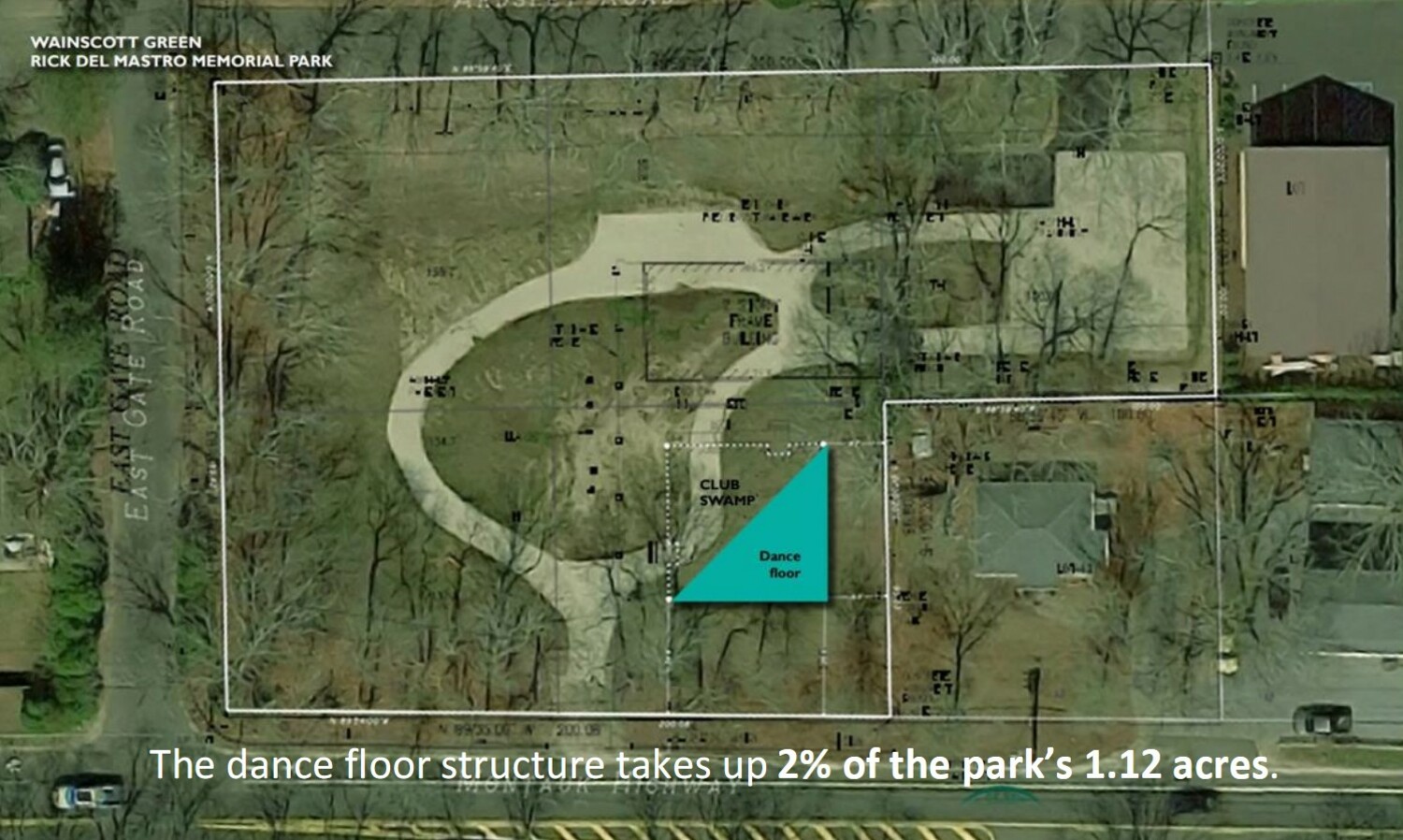
The dance floor would be situated along a walkway, taking up two percent of the area of the Wainscott Green. COURTESY HAMPTONS PRIDE
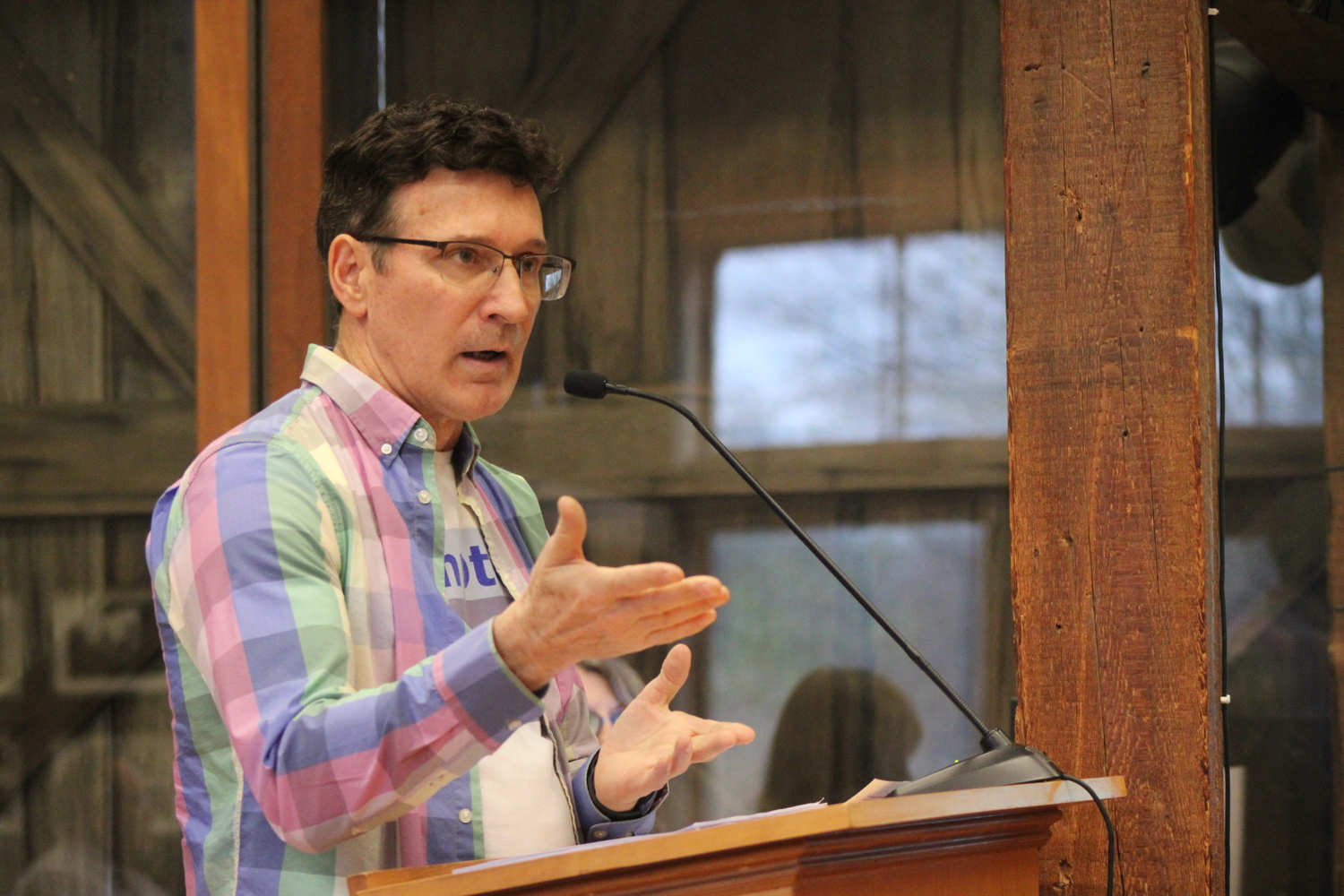
Hamptons Pride President Tom House. JACK MOTZ
Back in the limelight is Tom House’s years-old goal of building a memorial to a long-shuttered LGBTQ nightclub, The Swamp, with the East Hampton Town Board signaling support for such a move.
House, a former bartender at the Swamp, founded Hamptons Pride, now known for the annual Hamptons Pride Parade, five years ago, specifically to spearhead the creation of a memorial for The Swamp, which shuttered after a 24-year run at the site that is now the Wainscott Green — making it the last and longest-running gay club in the history of the area.
“It was the last gay club in the Hamptons, and what are the chances that there’ll be another one?” House said to the Town Board on Tuesday. “What an opportunity. Because it’s a town park, we can build something now that could be the repository of all that history.”
So, the plan, funded entirely by Hamptons Pride, would be threefold: Build a pink tetrahedron of mirror balls, construct a model dance floor inscribed with song titles harking to the disco era, and carve out a space for a memorial garden on the eastern edge. Combined, it would take up 2 percent of the park’s space.
A year after The Swamp opened, an adjoining restaurant popped up across the courtyard from the nightclub, and it was called the Annex.
“It was a courtyard that united them, and it was surrounded by tall trees and a high fence,” House said. “No mistake — because in the ’70s, it was risky to pull into that parking lot.”
But in 2001, The Swamp closed after a storied run, and two other clubs briefly occupied the space, but neither specifically catered to the LGBTQ community, and when they left, the building sat dilapidated for years.
Enter the East Hampton Town Board, which used Community Preservation Fund money to purchase the land in 2017 for $2.1 million, demolishing the deteriorating structures to make way for a park.
And more recently, the Town Board signaled its desire to move forward with House’s plan, proposing the addition of one sentence to a 15-page CPF management plan for the land that would allow Hamptons Pride to construct the memorial dance floor on a small section of the property.
The Town Board will hold a public hearing on the management plan change on Thursday, December 4, but in the meantime, House illuminated what he and Hamptons Pride are planning for the area.
A three-strand project, first would be an outdoor social area where, House said, past, present and future would meet — a spot where LGBTQ people and their allies could gather where their forebears did. Second, the plan calls for a historical marker that would honor the bars that found a home in the area for 50-plus years. And last would be a shaded, contemplative memorial garden, which would honor those on the East End who died during the AIDS pandemic.
From the park it wouldn’t be seen, but House envisions a pink mosaic, visible only from the dance floor, complete with many shades of pink and a handful of engravings, like The Swamp logo, for instance.
“When you’re on the dance floor, you’re looking in, you see that pink,” he said. “It’s a glass mosaic, and it’s not one color pink. It’s many shades of pink, and you can’t see that pink on the inside of the wall until you’re standing on the dance floor. It’s sort of like when people used to park in the parking lot, and then run in, and then there was this whole new world inside — very colorful.”
Gustavo Bonevardi, an architect, suggested a pink tetrahedron of mirror balls — an idea grounded in LGBTQ history.
The symbolism of the pink triangle stretches back to the 1930s, when the German government used it as a symbol of anti-LGBTQ persecution. The Gay Activists Alliance co-opted it in 1974, using it as a shape and color to mark civil rights, pride and celebration.
For the memorial, the pink tetrahedron was one of the few points that drew pushback. Councilman Ian Calder-Piedmonte said he finds the structure very noticeable, and he said community support will go along with determining how that ends up looking.
Hersey Egginton, a Wainscott resident who said he has been a frequent supporter of Hamptons Pride and a participant in the annual parade, took issue with that part of the design.
“I am concerned about the aesthetics and the scale at that part of the referenced historical marker, which looks to me more like an oversized display of pink Civil War cannonballs than the New York City Gay Activists Alliance symbol of civil rights, pride and celebration,” he said.
Councilwoman Cate Rogers said she has supported the idea since it was first raised years back, and she said she continues to support reminding people, via the memorial, of those times in such a beautiful, positive way.
“I aged myself then, and I’ll do it again by saying that I was here as a summer home person in that time period, and I greatly recall the ability to go to Le Mans, and other clubs, and dance and relax and recreate and be social,” she said.


 Jack Motz on Dec 2, 2025