


 5 Photos
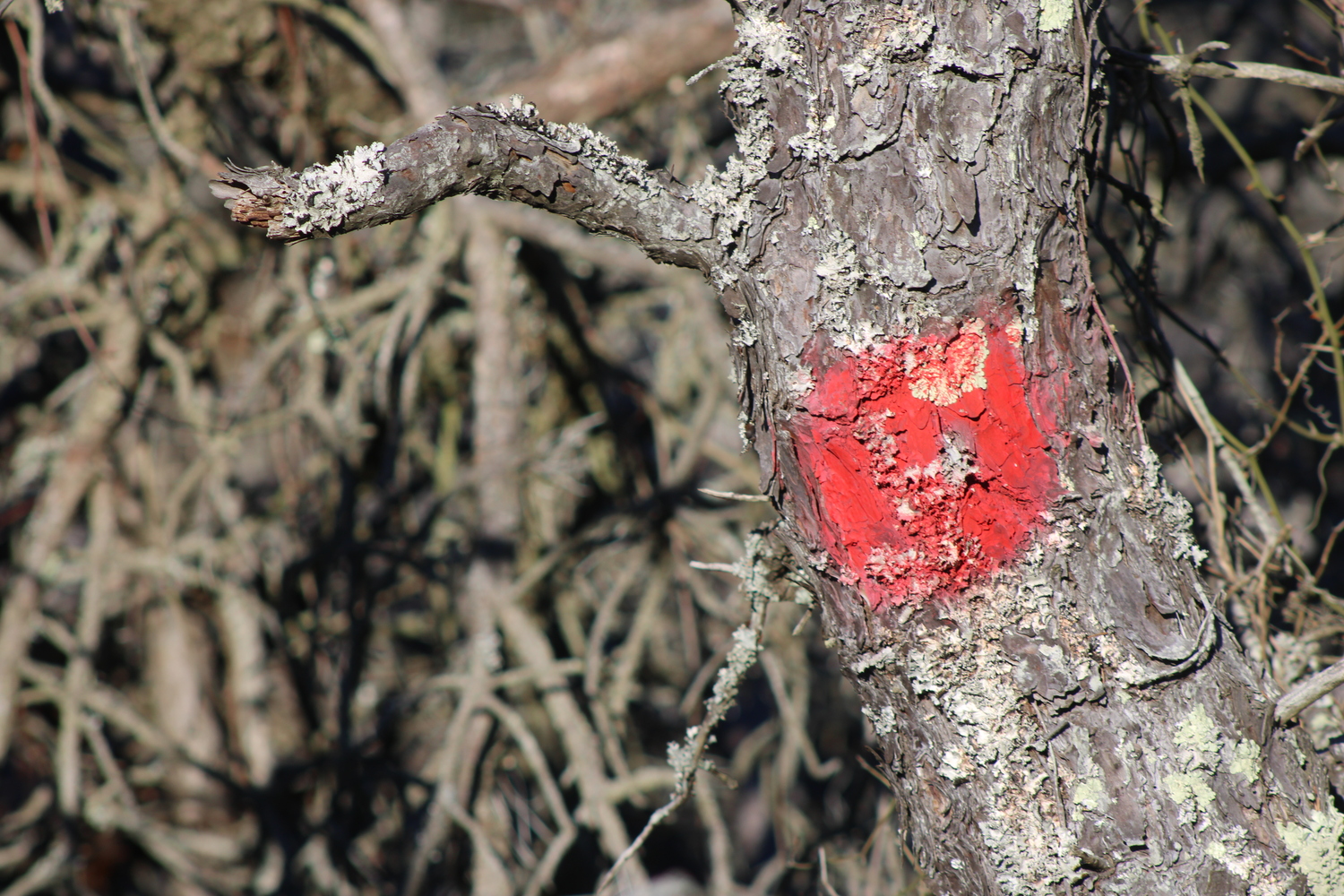
Trees on Napeague have been marked for cutting. JACK MOTZ
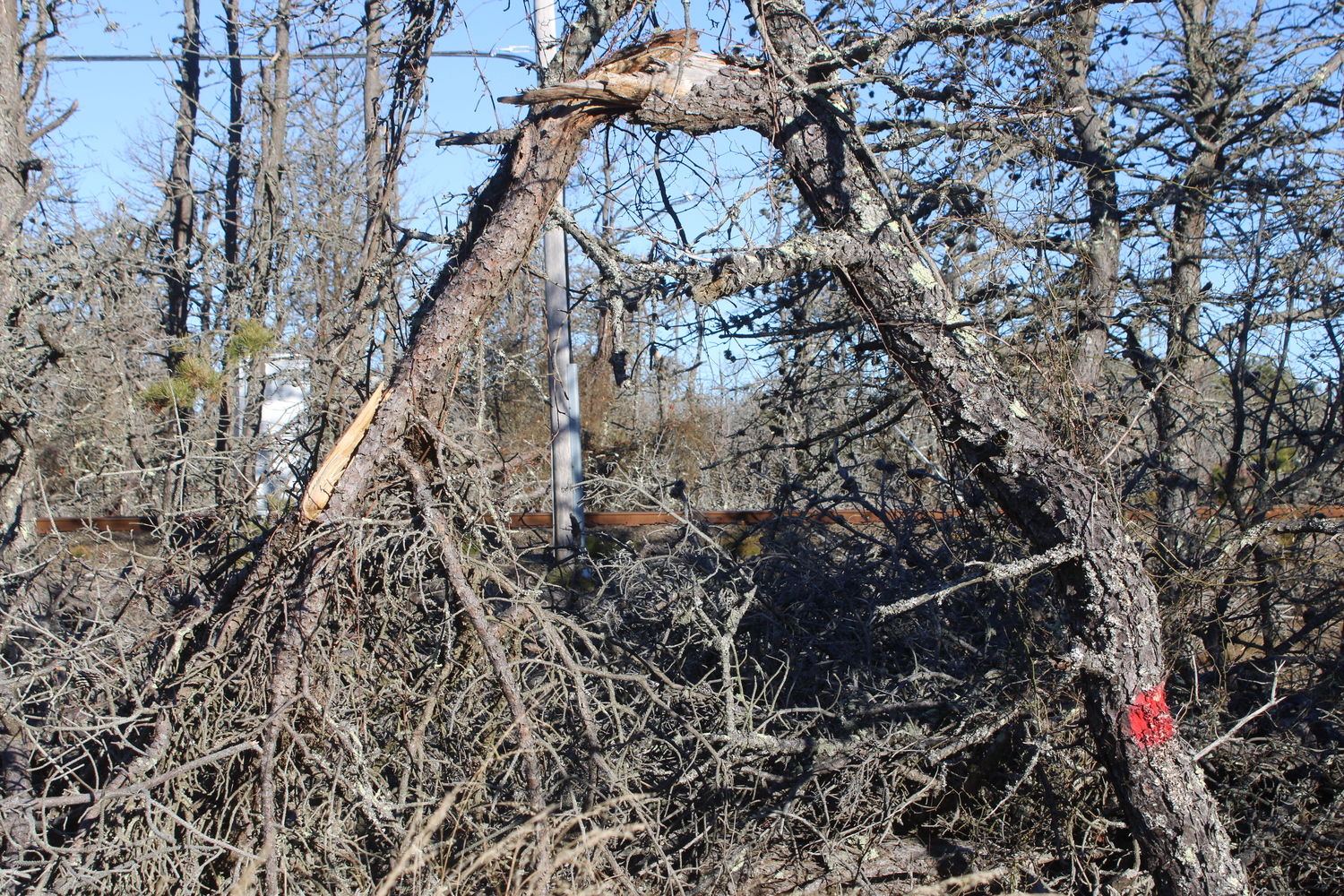
The southern pine beetle has ravaged pitch pine forests in East Hampton Town, with Napeague State Park being one of the areas hit hardest. JACK MOTZ
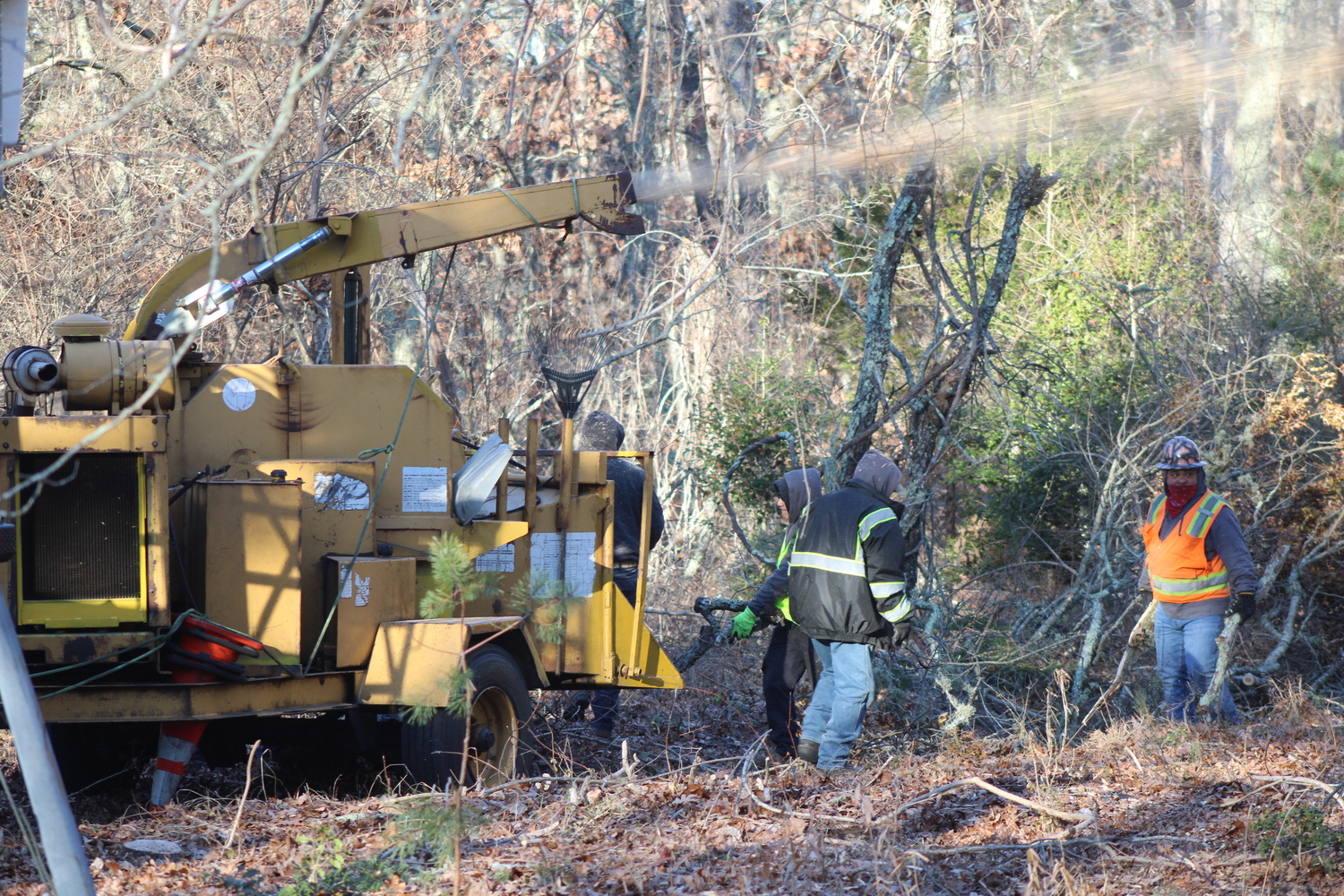
Work has begun on East Hampton Town lands to manage the risks of pine beetle infestation. JACK MOTZ
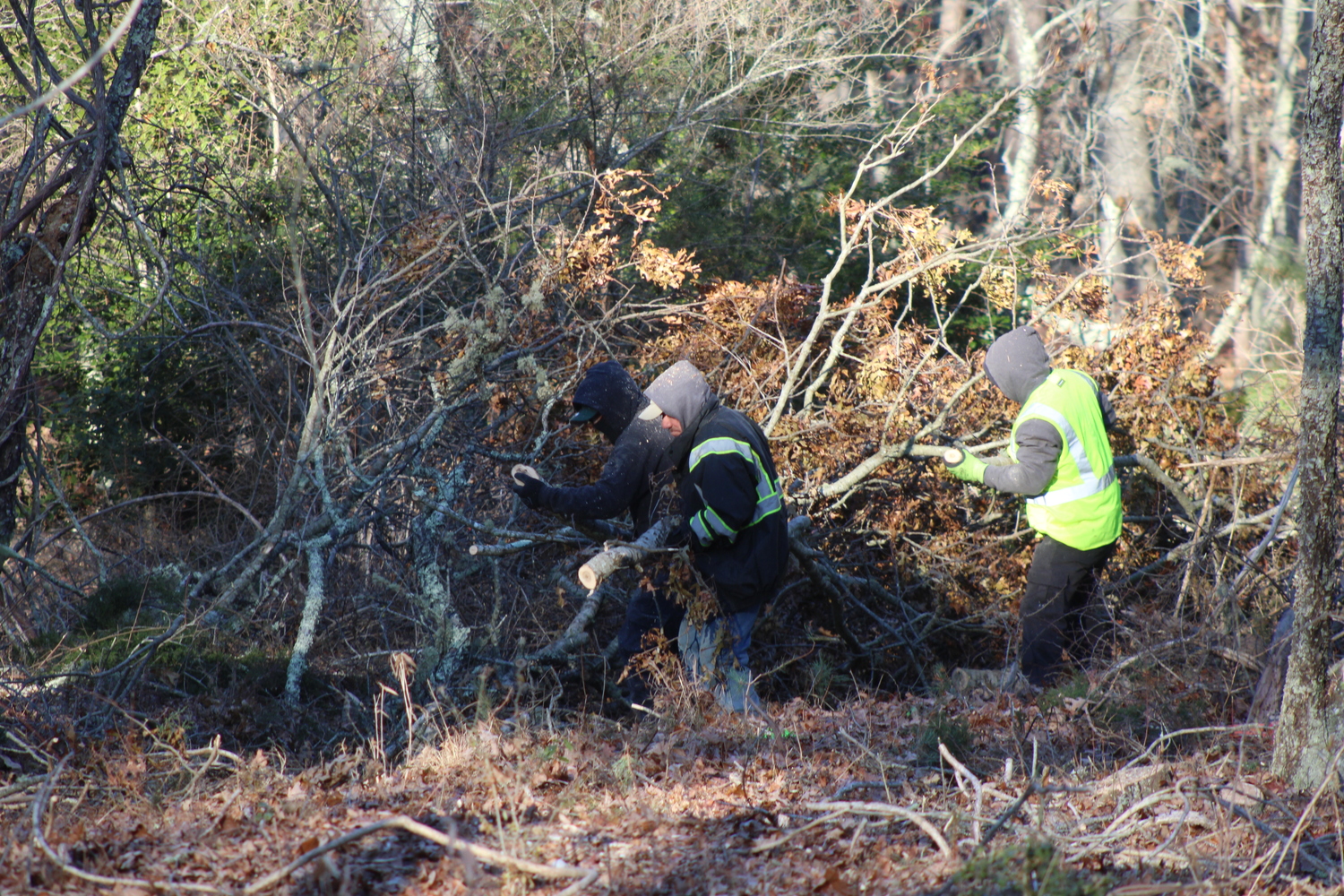
Work has begun on East Hampton Town lands to manage the risks of southern pine beetle infestation. JACK MOTZ
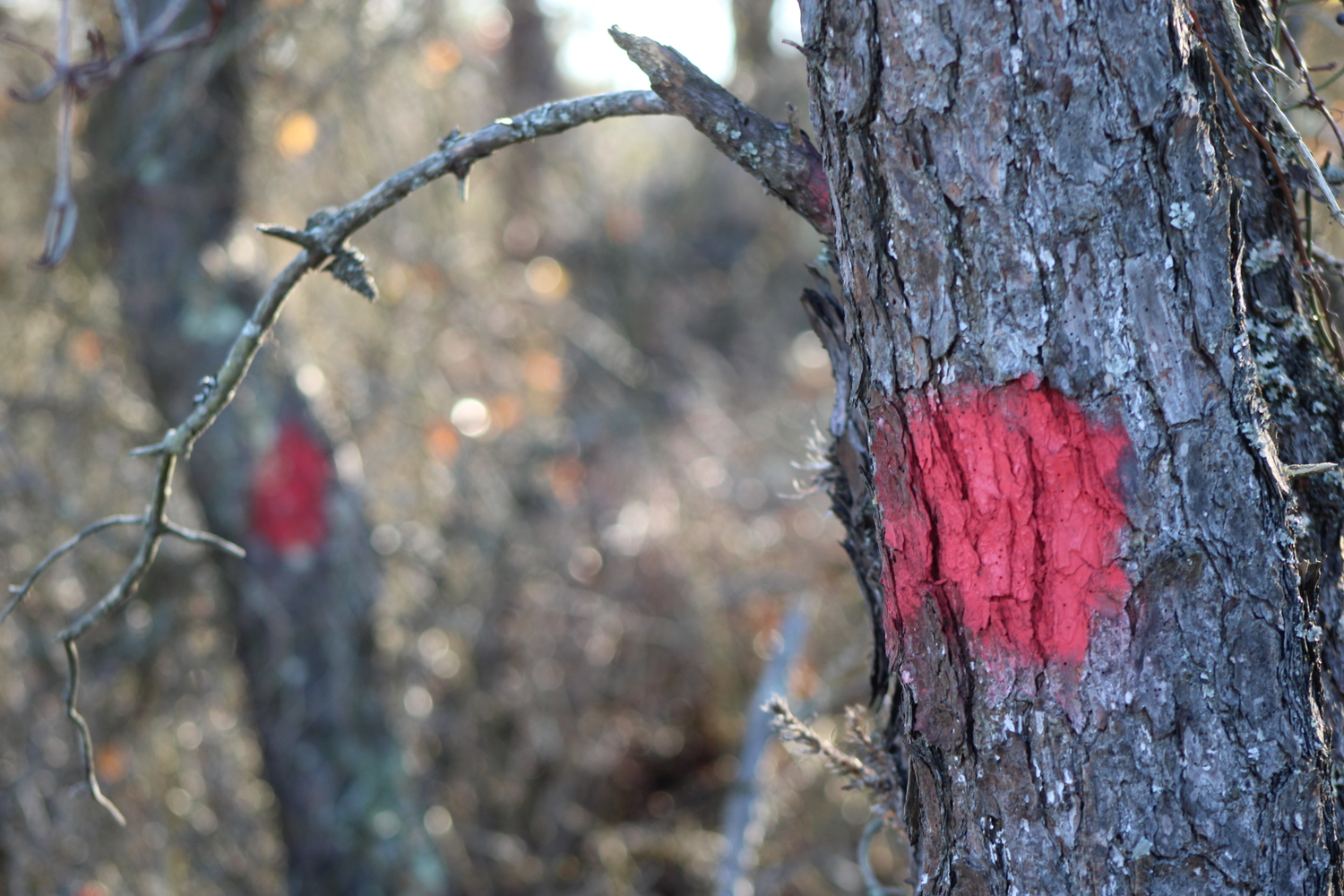
Trees on Napeague have been marked for cutting. JACK MOTZ
Fire management plans have begun taking shape in East Hampton Town, particularly with extensive clearing on both New York State lands at Napeague and town-owned lands near Buckskill Meadow.
Governor Kathy Hochul dropped into Montauk over the summer, not long after a fire the size of a football field popped up on Napeague, and promised an additional $2.2 million — the fruits of which are now being seen — to help alleviate the impacts of the southern pine beetle infestation.
Native to the southern United States, the southern pine beetle first popped up on the South Fork, in Hampton Bays, in 2014. Originally brought north by warming winters, a lack of natural predators and a suitable habitat, the pine beetle marched east over the years, to East Hampton in 2017, and to Napeague in 2021.
When the pine beetle hits a forest — like the one in Napeague State Park, a monoculture of pitch pines, the beetle’s favorite host — it leaves behind jagged piles of dead tree branches, blocking access paths for firefighters in the event of an emergency.
“They initially came in with a grinder,” said Councilman Tom Flight. “What they found was that the grinder was not adequate to take down the size of trees that we had in there. Even though they’re dead, they’re still pretty substantial. So they came back with an excavator, and they really pulled it apart.”
State officials then had the dead pine branches from three football fields’ worth of clearing put into three piles to be eventually set ablaze in a smokeless controlled burn, the date of which is not set.
But one question mark remains, and that is what to do with the lands near the Long Island Rail Road tracks, which are not part of Napeague State Park.
“There’s that Long Island Rail Road land adjacent to the tracks that still has a significant amount of dead trees, and I’m trying to work with them to work with the State Parks Department to see if they can leverage what’s there right now to get some of that cleared, because that’s obviously still a concern: When you are adjacent to the tracks, there is more of a fire risk.”
The work, along with that on the town’s end, was slated for the winter, when the northern long-eared bat, a federally endangered species, is in hibernation and won’t be adversely impacted.
On their end, East Hampton Town officials have begun clearing trees on the town-owned lands most hit by the infestation, particularly around Stephen Hands Path and Route 114, and they expect work to continue near the intersection of Stephen Hands Path and Buckskill Road for the next week or so.
Like the state work, the clearing is intended to boost access for firefighters in the event of an emergency, and town officials consulted with Star Tree Wildfire Protection for help in creating the plan.
Buckskill found itself at the top of the list in terms of priority, said Flight, the liaison to the emergency services committee, but after that, town officials will look at Edwards Hole and Grace Estate preserves.
“The reason we’re doing Buckskill first is that it has the most dead trees on the fire road itself,” Flight said. “One of the things that came back from Star Tree was that you can’t send firefighters in there if there is a risk of a tree falling on them.”


 Jack Motz on Dec 9, 2025