


 7 Photos
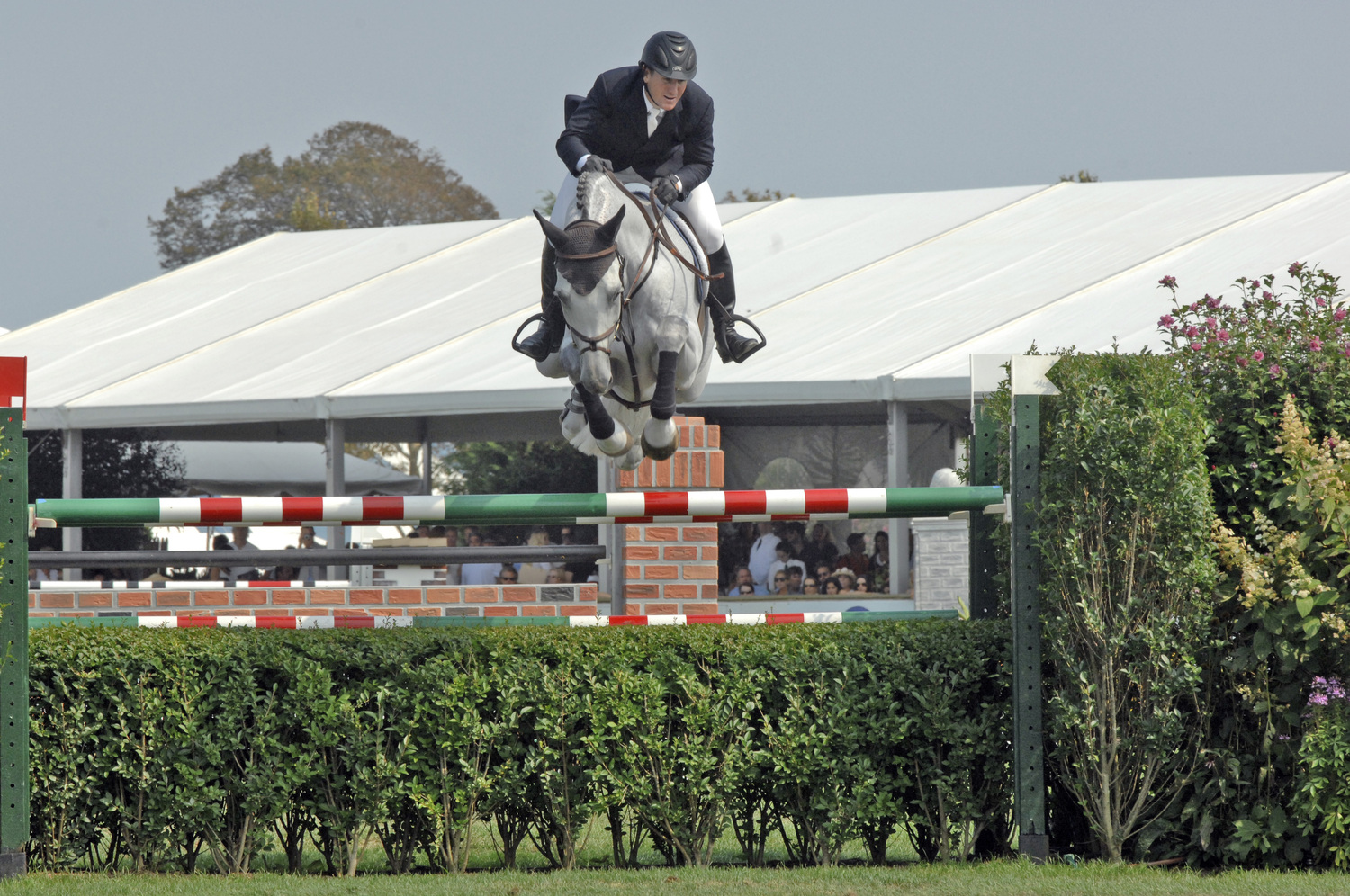
McLain Ward at the Hampton Classic in 2011. DANA SHAW
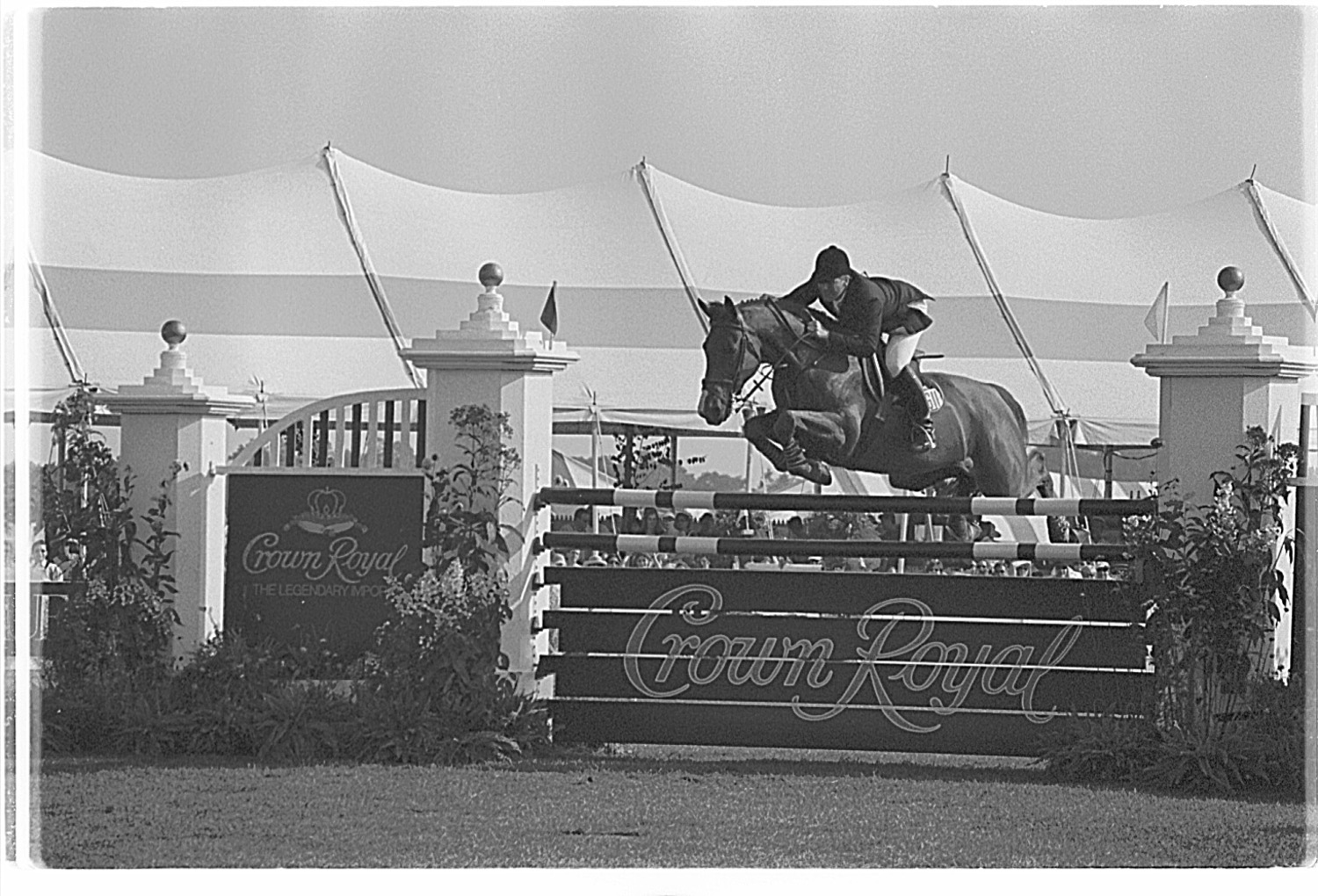
McLain winning the Hamptons Classic Grand Prix on Twist du Valon again in 1999. FILE PHOTO
McLain Ward at the Hampton Classic in 2011. DANA SHAW
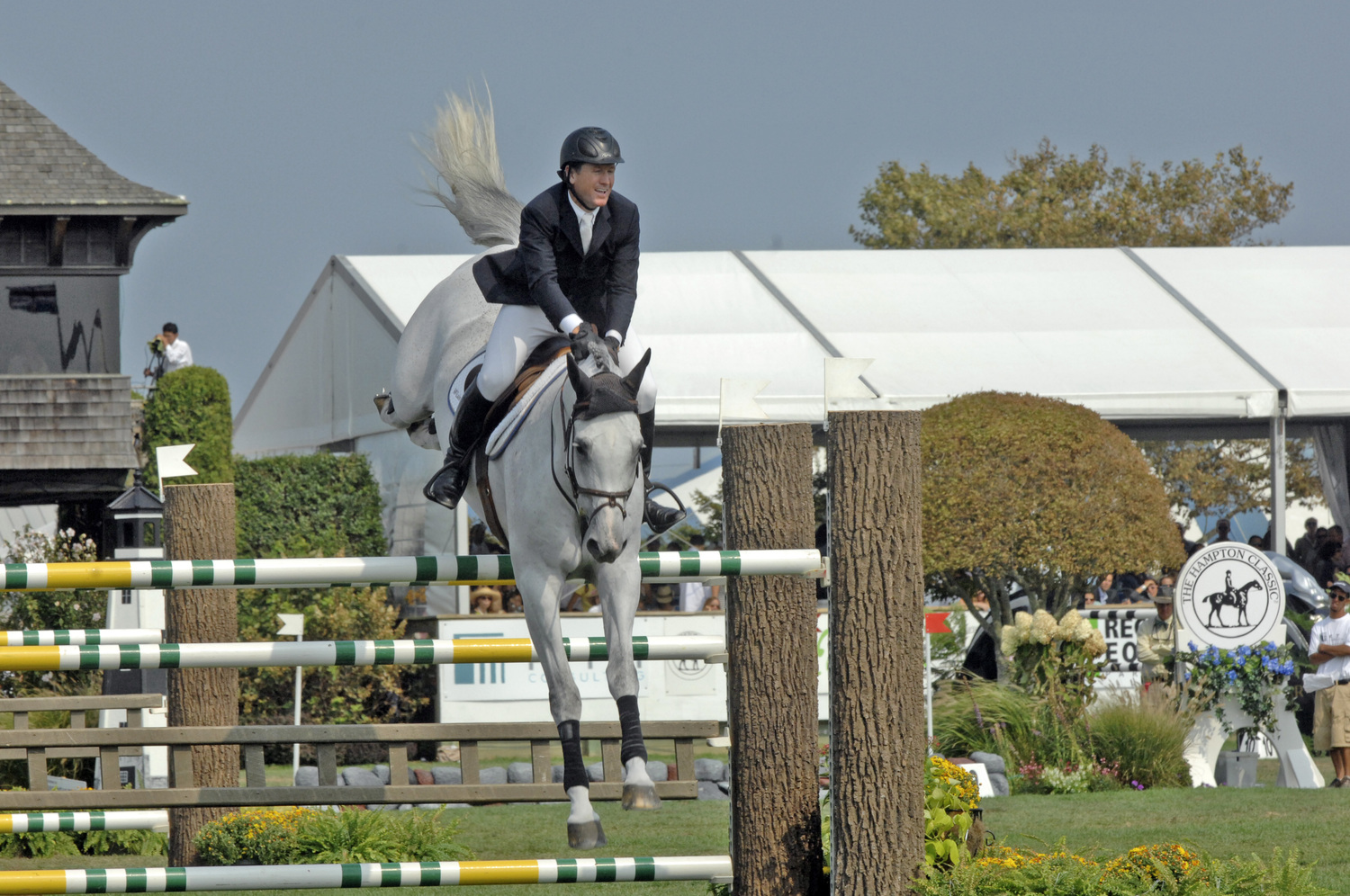
McLain Ward at the Hampton Classic in 2011. DANA SHAW
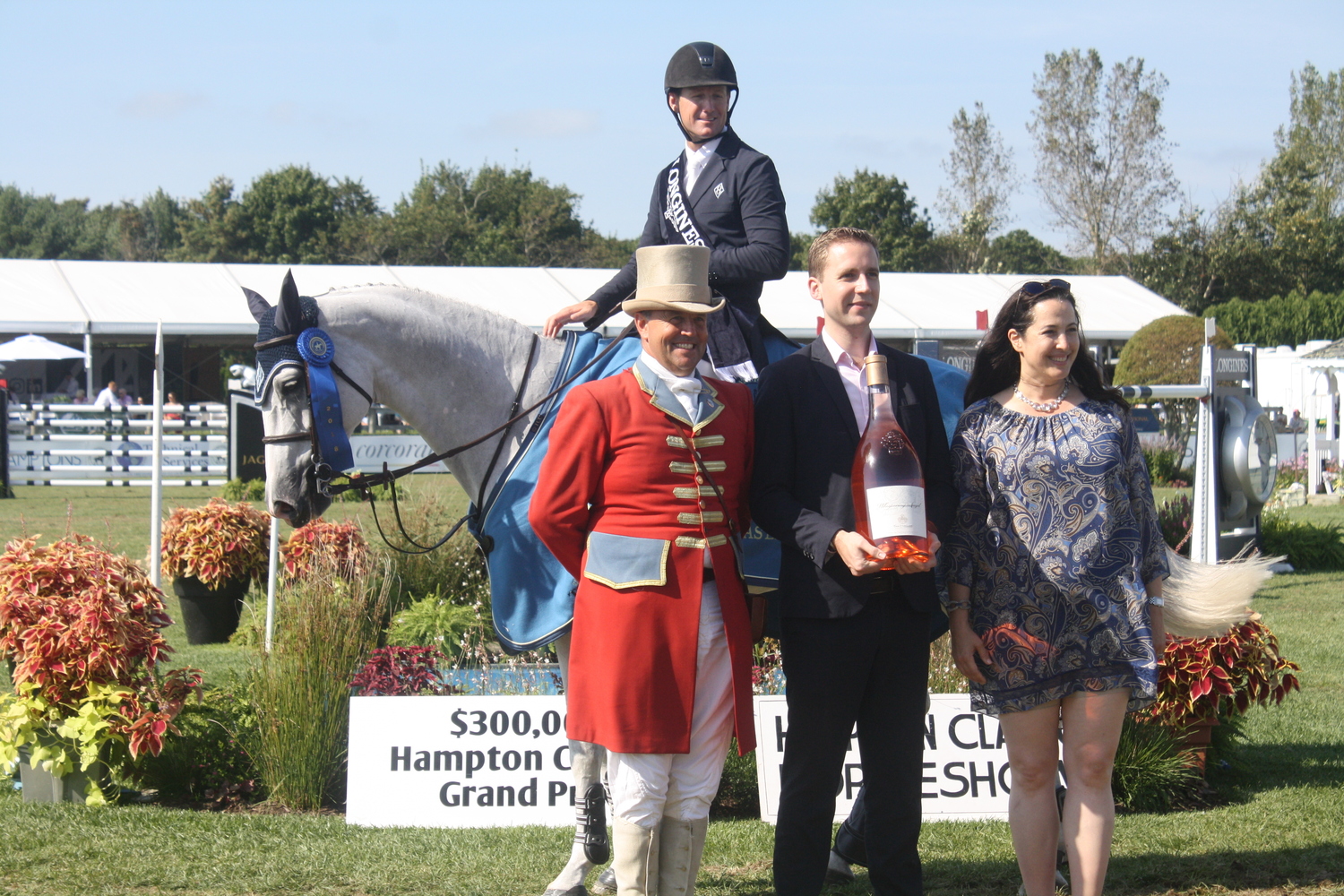
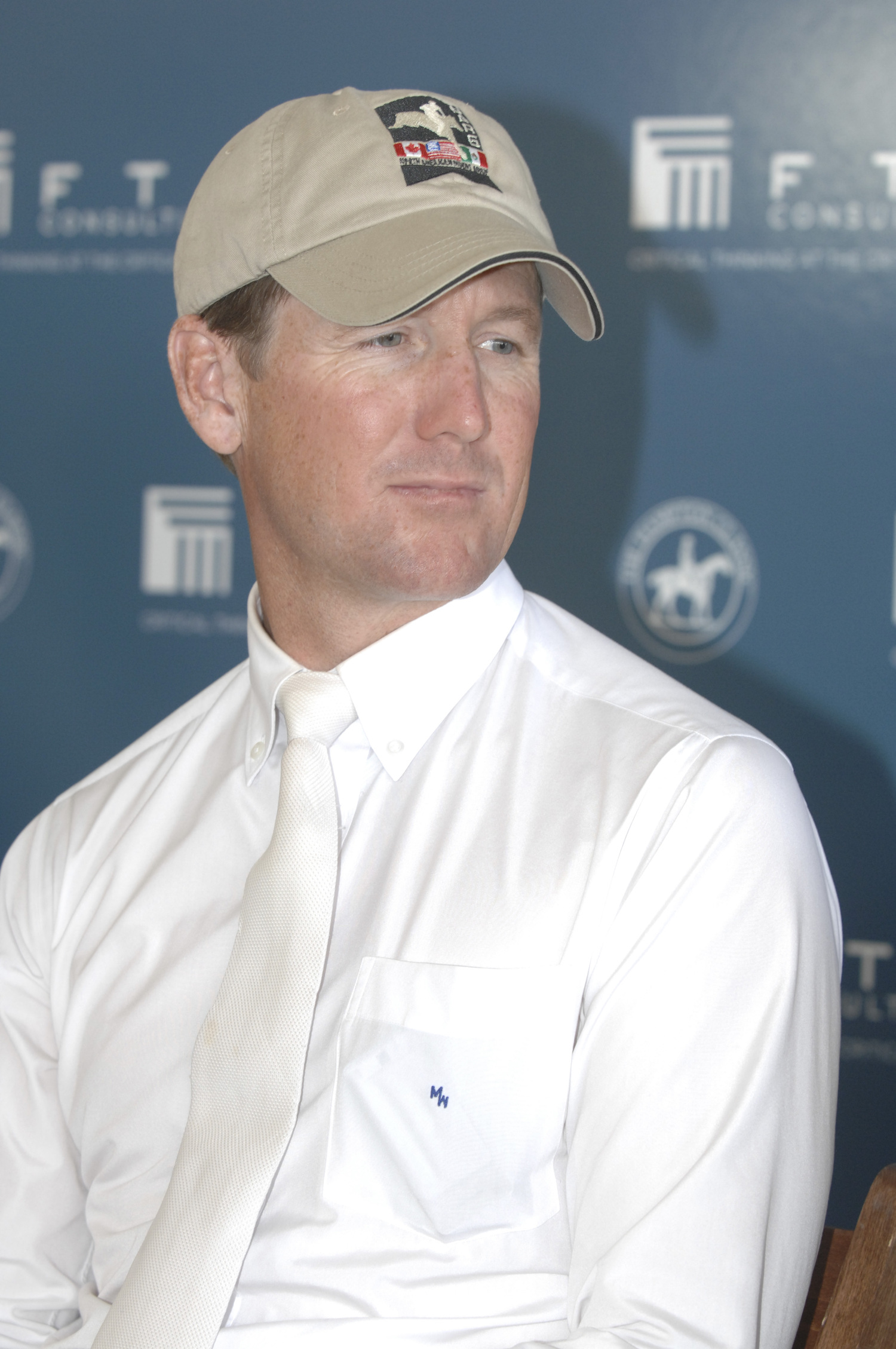
McLain Ward after winning the Hampton Classic Grand Prix in 2018. DANA SHAW
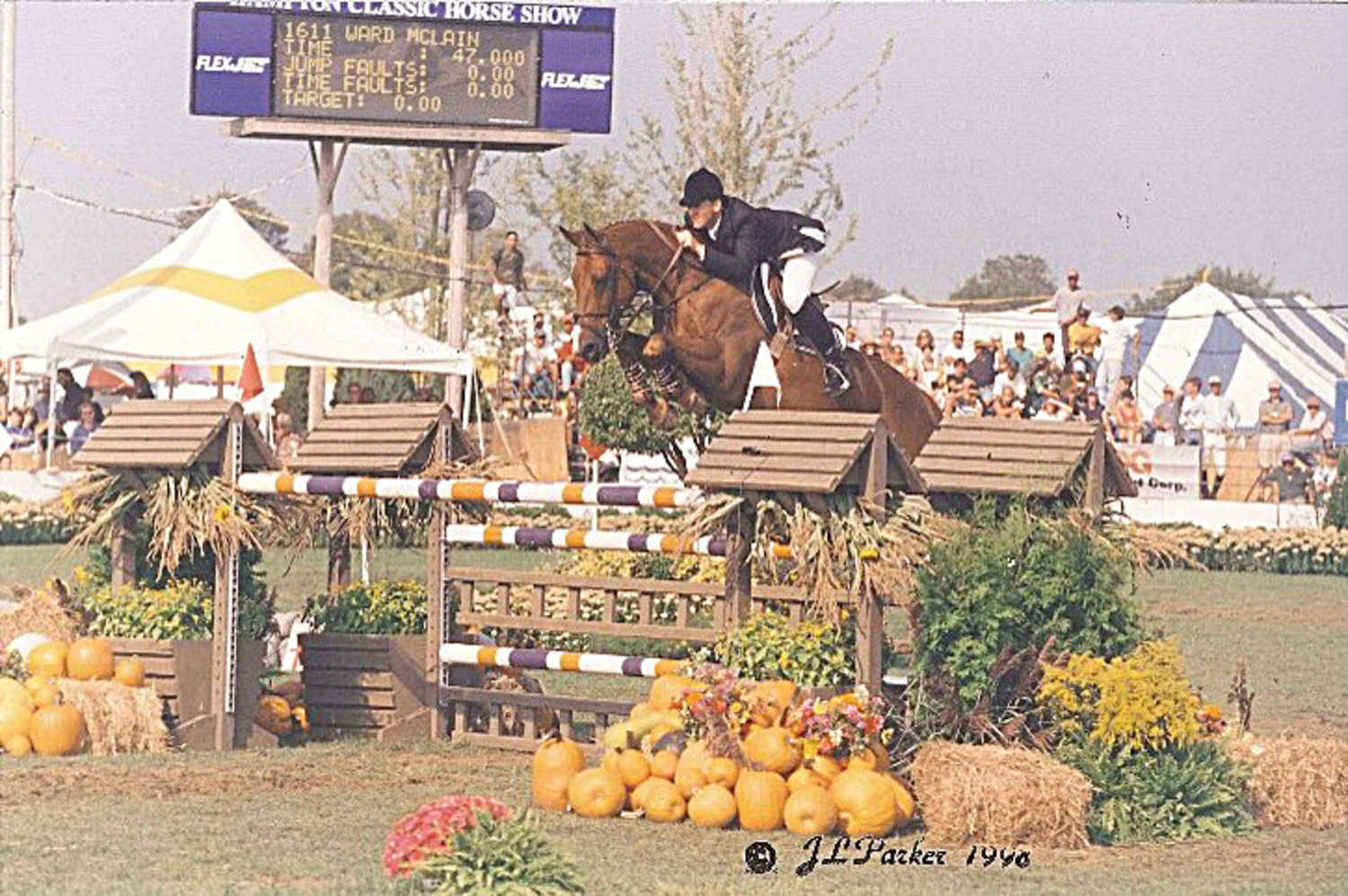
McLain Ward winning the 1998 Hampton Classic Grand Prix on Twist du Valon. COURTESY HAMPTON CLASSIC
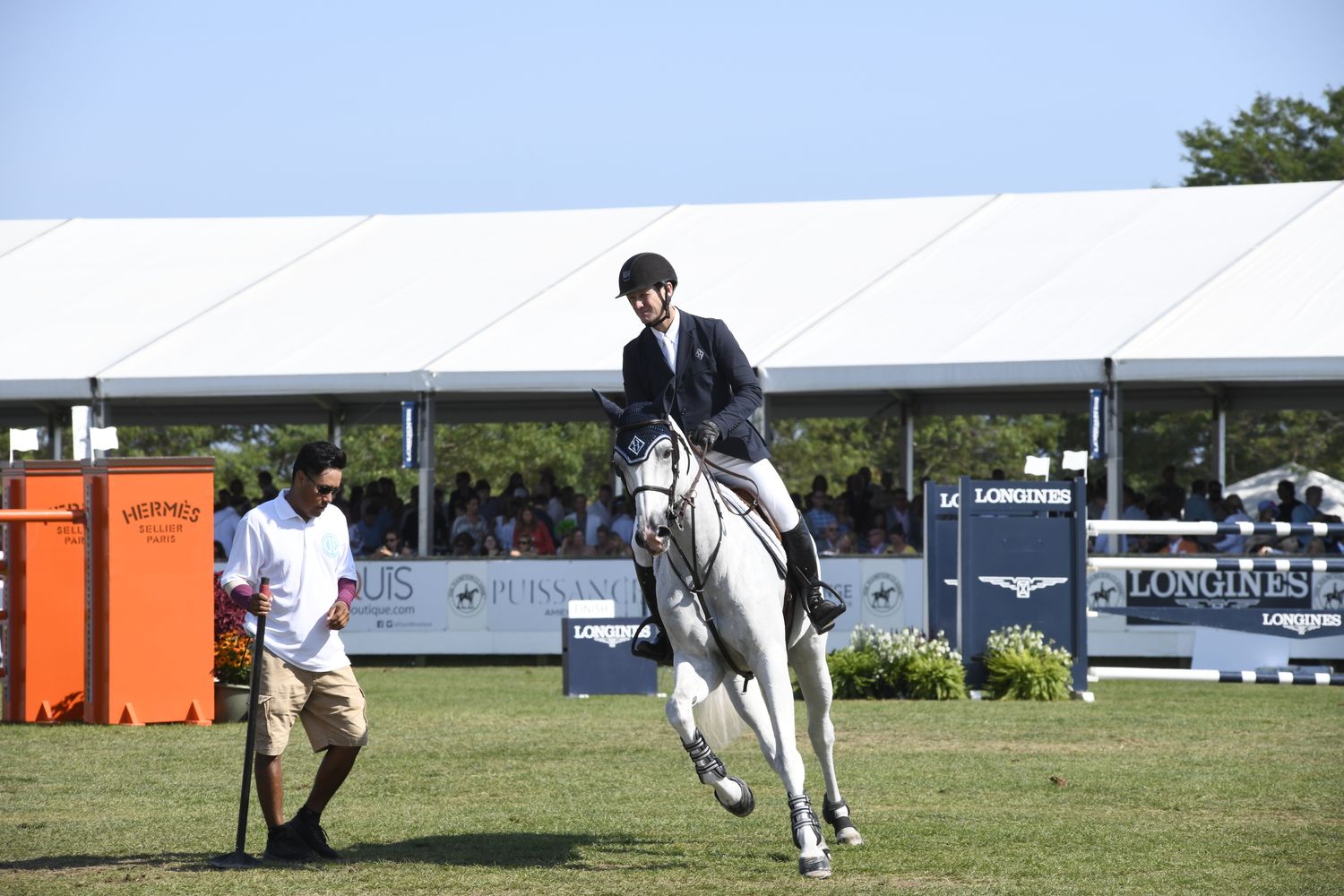
McLain Ward at the Hampton Classic in 2018. DANA SHAW
There are generally two kinds of spectators at the Hampton Classic Horse Show — the true “horse people,” who have a familiarity with horses and a deep understanding of what equestrian competition is all about, and everyone else.
The two don’t have a whole lot in common, but on Grand Prix Sunday, there’s always one rider who brings them together the moment he enters the ring: McLain Ward.
Ward, 50, of Brewster, New York, has been at the top of the show jumping game for decades. He’s a six-time Olympian and five-time medalist, most recently helping Team USA take home the silver medal at the Paris Games in 2024. As of July, he was the fifth-ranked rider in the world, according to FEI (Federation Equestre Internationale), the governing body of the sport worldwide.
Over the course of a long and illustrious career, Ward has won almost everywhere, but it’s been on the East End of Long Island, in his home state, where he has put together the most impressive string of victories over the better part of his career.
Ward has won the $400,000 Longines Hampton Classic Grand Prix, now a five-star rated event, seven times, a record no one else has come close to touching.
In the month leading up to the Hampton Classic’s 50th anniversary edition, Ward took time out of his busy schedule to talk to The Express News Group, reflecting on the many years he’s competed at the show — including his start as a “terrible” pony rider — the big wins he’s amassed along the way, what he loves about the show, and what the next five, 10 and 15 years of his career will look like.
Question: Let’s start at the beginning. Tell me about the very first time you attended or competed at the Hampton Classic, what that experience was like, and what your first impressions of the show were.
McLain Ward: I’m sure I attended before I competed because both of my parents were professionals. My father was a Grand Prix rider and competed successfully for many years at the Hampton Classic so I’m sure I would have gone there as a very young child, but obviously those are distant memories. I remember competing ponies there, and it was a big deal. It was probably the largest event at the end of the summer for any of the junior riders or pony riders. It was always exciting to go there. And I was actually a terrible pony rider, so I struggled to be successful. I clearly remember being fourth in the pony hunter classic one year and for me that was probably like winning the Grand Prix. Luckily, things changed a little bit when I got on horses and started competing in the jumper ring and pretty early on had success. I won a big young riders event there when I was 14, and I think that was probably the beginning of a wonderful run of success and great competition throughout the years there for me.
Q: Tell me more about that young riders championship you won at such a young age? What year was that and what horse were you riding?
MW: That would’ve been 1990, and the horse was named Polarized. My father has been competing during the summer at Spruce Meadows, and he had purchased a number of horses there for resale; he was in the horse sales business. He was a young thoroughbred horse, and Lee McKeever, who is still my right hand man 35 years later, we were at the show alone. Lee is a few years older than me, so I wasn’t totally without supervision, and we certainly made a mark by winning that competition, which was quite a coveted competition for young riders at that time. And the horse was sold right afterward to Lisa Deslauriers, who is still a member of the board at the Classic.
Q: Tell me a bit more about what your impressions were of the show and what made it special, especially in early years.
MW: I think the Hampton Classic always was an iconic venue and event. You know, the end of the summer in the Hamptons was a huge social scene from the very beginning, which I think most competitors, even at my young age, were aware of. I think from a sport point of view it always had a very high standard at every level, and it was a place that you aimed to be successful at as a real marker of where you were in the competitions you were competing in.
Q: From a young age you continued to return to the Classic every year, and when you reach the level you’re at and you’ve got so many horses and clients and so much going on, and you’re making that show schedule, there’s a lot of different places you could go or be this time of year. Tell me more about why you’ve always made it a priority to come back to the Hampton Classic year after year?
MW: I’m a proud New Yorker, so obviously this was a big event for our region of the country and one we felt we always wanted to support. I think the organization has always strived to stay at the top of the events within our country and throughout the world. I think when those efforts are made from a tournament point of view, as an athlete you certainly want to support and be part of that type of competition. There is a lot of competition in the world as far as different venues and events, and it’s gotten more difficult. But I think the Hampton Classic has always tried to stay at the very top of the sport, and I think we appreciate that.
Q: Tell me some more of your most memorable moments at the Hampton Classic throughout the years, both the highs and lows. When you take stock of all the times you’ve competed there, what stands out?
MW: By my nature, I’m a person who remembers the near misses, not the victories. And not in a negative way, but there’s been enough times I’ve been second or third in the Grand Prix, fastest time with one down, and those are the kinds of the moments I think about — about how I could’ve done better or how it could’ve been different. But a great memory was the first [Grand Prix] win. I was on a horse called Twist du Valon in 1998. That was huge. I remember it was a brilliant class that day on a beautiful Sunday afternoon, and it was a great competition and a great moment for me, and the biggest win of my career by a lot at that point.
That type of success and confidence and familiarity with the venue perpetuates itself, and we won again the next year with Twist, then came back and won twice with Sapphire. It just sets you on a course,and it’s no different than any other sport. You see it in golf and tennis, certain athletes have a run at a certain venue or a certain tournament because that confidence and that comfortable feeling perpetuates itself within you. I have a lot of fond memories of close friends and family too. The Suskinds who have been intimately involved with the show are very dear friends. Dennis in particular, I always look forward to a side round of golf one evening with him there. It always has a nice homecoming feel. The crowd has always been very supportive of me, and it’s a very comfortable experience for me.
Q: When you compete in the Grand Prix , even people who come to the show and have no knowledge of equestrian competition, they know you and your name because of how many times you’ve won, and I always think that’s so great, to see people who don’t know much about the sport, but they say, I know this guy’s name because he’s won a bunch of times. How does that feel for you?
MW: You certainly appreciate it, and you also have some satisfaction and pride that your body of work transcends your sport. That’s the goal in any pursuit, and it’s obvious in sport or entertainment, but it’s probably prevalent in many walks of life. You spend a certain amount of time garnering accomplishments and playing the game a certain way, and then you hope that affects other peoples lives and your sport, and it can do something bigger than even those accomplishments. We try to do something that’s exciting, that motivates people, that makes people feel some energy or emotion. That they recognize the beauty in it, the art in it. I think anybody that pursues something that’s an athletic endeavor or artistic endeavor or moving the bar in whatever the pursuit is hopes that they, in some way, can touch something in people that they can get that reaction. And absolutely when you feel the warmth of the crowd, the support, the enthusiasm, that’s certainly motivating and very satisfying.
Q: What else do you think it is about this show — and I don’t know how it compares to other big international competitions, but I do know it stands out from other AA-rated shows in this country, in that it really draws a high number of people who aren’t just horse industry or equestrian people — but aside from the fact that it’s in the Hamptons, what else do you think makes this show appealing to those who don’t regularly attend equestrian competitions? And to horse people as well. What do you think staff at this show does well to make it the unique event that it is?
MW: I think they want to make it an event. I think as we see more often in Europe that it’s got to be an entertaining sporting event. People come for the social aspect, the different experiences, the tastes, the sounds, the shopping, the sport obviously, the beauty of the horses. It’s got to be an event that entertains people. We see that still at many of the top events throughout Europe. And we see that at other events and sports and in theater. There has to be a well-rounded experience for people from many walks of life, so that it’s a great day out.
Q: Tell me a bit more about some of your own role models in the sport? And contemporaries who you respect and admire, especially those who were or are regular competitors at the Hampton Classic.
MW: Probably in the sport right now in the U.S., Kent Farrington and I are great colleagues and competitors. He’s someone I really enjoy my engagement with, and pushing each other to do the sport at the highest level. Unfortunately, a lot of my mentors are retired now or gone. But I have great respect for the generations that came before me. In more recent times, there’s Beezie Madden and Michael Matz, who also had great success at the Classic. I’ve been lucky enough that I’ve had access to some of the greats of the sport in the world to learn from and model myself after. I hope now I carry on that tradition and set that example for the next generation.
Q: It seems like there’s a great tradition at the Hampton Classic of some of the top riders, who compete at the show year after year, and once they’re done riding competitively or not as much, they find a new role at the show. I’m thinking about how [Olympic gold medalist] Joe Fargis has judged the leadline class for so many years. Sometimes I wonder about who will carry on that tradition when he’s done, and maybe it will be you? I don’t know if those thoughts ever cross your mind, but do you see yourself in that kind of role in the future at the show?
MW: I always talk to Joe, and I don’t know how he has the enthusiasm to keep competing for so many years. I will be long since done competing by that age. But there’s a lot of things in the sport I’m interested in to be engaged in, and yeah I think as a whole, particularly in the Long Island community, you see a lot of not only giving back but support of the local side of the show. As large as it is and as high-end as certain parts of it are, the show still has worked very hard to keep a connection to its local roots and community, and that’s whether it’s the horse people or general public and small businesses in the area. And I think that’s one of the appeals of it, that it hasn’t lost that connection and become so big and branded that it doesn’t have that feeling any longer.
I think across the board they’ve done a great job as an organization to keep their roots there. That’s a very difficult balance as you grow, with the levels of celebrity and the economics of it and the levels of the sport; that’s a hard thing to stay in touch with.
Q: What does a week at the Classic or any big multiday show look like for you in terms of the number of horses you’re taking with you, or the way your whole operation works?
MW: My setup is a little different than a traditional training barn. We’re very focused on sport, so for myself, I only come with two horses because that’s all we’re allowed to compete in the five-star division. And then I work with three to four riders competing at the same level I am, younger riders, but it’s not a traditional coaching set up. There’s coaching involved, but it’s more managerial, guidance, mentor. I wear a lot of hats. These are people who are competing at an Olympic level, several who have been to world championships and been successful and shortlisted for Olympic Games or been an alternate. These are people trying to go from being a top level Grand Prix competitor to an Olympic medalist. So it’s a different role. Coaching grammar school, high school, college and the pros are four very different things, and I’m trying to manage, coach and guide pro sports, but people who are early in their career. A lot of times these people have their own operations, their own setups, but it’s under our umbrella and we work together. It really has the dynamic of a colleague setup. It’s something I find very fulfilling and enjoyable. I get just as much out of it as they do.
Q: Almost like consulting?
MW: Yes, that’s exactly what they call it. It’s a multiyear setup, and the Hampton Classic is another tournament along the way for us. I refer to it as a tournament; it’s not a show for us. We’re trying to do the highest levels of the sport, and so that’s how we approach what we’re doing. We come in mid-week, we’re there for a select few days. I remember when I first started dating my wife, who is from Long Island. She worked for Eddie Horowitz, managing a big barn, and she said to me one day, ‘you don’t have to be at the show the same hours I do, and I said, no but I have to be really good for the few that I’m there.” So it was a different dynamic.
Q: Is your wife still competing?
MW: No, she stopped. We have two young daughters, Lilly and Madison. Lilly is 10, and has been competing ponies for a few years there. The kids are so involved with the ponies now, and my wife kind of oversees it all. So it’s hard to find time for everything. And she’s very into that, and they look forward to that. She still has roots in Long Island and family there.
Q: Well, the ponies weren’t your area of expertise or success anyway.
MW: (Laughs). I was terrible. It was not a promising future in the beginning. It was not my gig for sure.
Q: What two horses are you competing at the Classic in the five-star division this year?
MW: I’m bringing a horse called High Star Hero. He won the Grand Prix qualifier and was clear in the Grand Prix last year and ended up sixth. He’ll come again. The second horse — I don’t know yet, I haven’t decided yet. I have a few options, and we’re still a few weeks out.
Q: Tell me what the next five, 10, 15 years of your career might look like, in terms of competing and what you’d like to do beyond that in the sport and the business.
MW: That’s actually a very interesting question, particularly as I look at my career and future. Like a lot of sports where we’re not actually the performance side of it per se, like a race car driver, what you’re seeing as sport gets better is the age period of being in your prime is getting younger. And that’s happening for a lot of reasons. There’s so much access to information for younger people, and they’re getting better earlier because the world is smaller and information is easier to amass. And I actually think that’s a positive. For me in the past, we’ve had some of our greatest athletes honestly go a bit too long, and we’ve lost their skillset and mindset to competing for too long and not doing other things in the sport to help grow and promote the sport and move it in the right direction. I know for myself that’s not going to be my story. I started very young at a pretty high level. We’ve done it pretty intensely. I have a view through the LA Olympics and a set of goals I want to reach, and then I’d like to parlay that success in my prime into other aspects of the sport and the business that I’m interested in that I find that give me energy and excite me for the future. Because I think if you do it for too long you lose your relevance. And that’s something I fear a little bit. And it’s hard to give something up you’ve done relatively well for a long time. So I think you have to lay out a plan, and I think you have to be committed to it for all the right reasons and not let emotion dictate it too much. So that’s my future in a general term. But my involvement in the sport if anything will be more. When you’re competing and trying to do it at a high level, you have to allocate a certain amount of time to energy, mental clarity and focus. When you move beyond competing yourself, that energy can be really put toward other aspects of what you’re doing around the sport.
Q: That makes a lot of sense. Is there anything in particular in terms of the sport that you’re most interested in?
MW: My main interest is mentoring really high level young athletes. Ages 18 to 25, in the moment where they’re going to take the step to be internationally top performers or they’re not going to make it. One or the other. I think a lot of times that moment has to do with shared experiences and creating opportunity. I enjoy that. I think I have a great understanding of how to put those things together and the shared experience. I’m not the guy who the journey was dead easy for. What you see on the outside, the way the resume looks, it was a battle the entire way. So when you can share that with people who are going through those same struggles themselves and give them tools to help them get to the best side of that, that’s incredibly rewarding.


 Cailin Riley on Aug 20, 2025