


 1 Photo
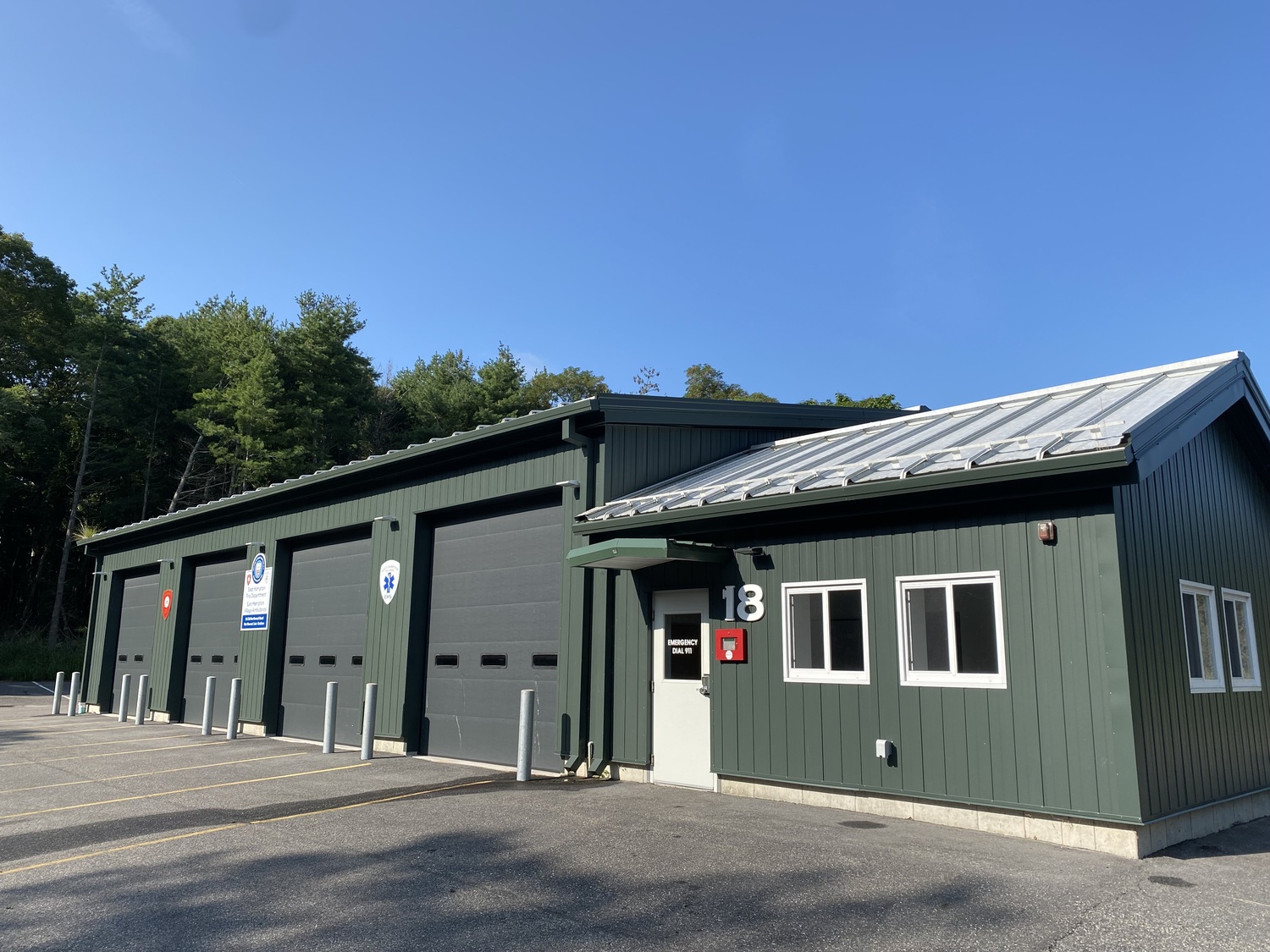
A fire station built a few years back provided additional support for those living in Northwest Woods. Recently, the East Hampton Town Board crafted a combined contract for two fire districts. In the past, the details for each district were ironed out separately. JACK MOTZ
The East Hampton Town Board approved a new two-year contract with East Hampton Village totaling nearly $8 million for fire protection and ambulance services in Northwest Woods and the area north of the village.
In total, the agreement will cost $3.9 million in 2026 and almost $4 million in 2027. The contract ensures the East Hampton Fire Department remains responsible for answering calls for service in the two areas.
At a regular Town Board meeting on August 7, a resident questioned why the Town Board’s resolution did not break down the individual costs for the two separate districts, the Northwest Fire Protection District and the East Hampton Fire Protection and Water Supply District, which it had done in the past.
Supervisor Kathee Burke-Gonzalez offered those details separately at a work session on Tuesday, August 12.
For Northwest Fire Protection District, the contract will cost the town $2.56 million in 2026 and $2.6 million the following year. For East Hampton Fire Protection and Water Supply District, the cost will be $1.3 million the first year and $1.36 million the next.
Outfitting a single firefighter costs between $7,500 and $9,000, East Hampton Village Fire and EMS Administrator Gerry Turza told the Town Board on August 7. Overall, costs for equipment have gone up in recent years, he said.
“Now, what does the taxpayer get?” he said. “They don’t only get qualified and equipped personnel — they’re also getting services.”
Overall, public safety is an expensive undertaking, Turza said, pointing to the town’s recent decision to upgrade its dispatch center.
“There’s costs you don’t see when the trucks are going down the road,” Turza said. “They don’t see what goes on to put a police officer on the street.”
Springs resident David Buda said he previously asked town representatives if it was possible to craft one contract for the two separate tax districts, as the Town Board planned to do, but he did not get a response.
Historically, he said, the two fire districts had maintained different tax rates for the cost of fire services, and the numbers seemingly reflected the two districts’ relative proximity to the village headquarters on Cedar Street — that is, those in Northwest Woods live notably farther.
“By ratifying a single combined contract with the village, it may be difficult, if not impossible, to fairly allocate and apportion the costs of the contract between residents of the two separate taxing districts,” he said.
A few years back, a new substation went up on town property at the intersection of Cedar Street and Old Northwest Road. Residents of Northwest Woods and Wainscott, then, no longer lived over five miles from a fire station.
That year, the tax rates for those fire districts shot up by 33 percent — from a combined $2.6 million to $3.4 million. Most other years have seen an increase from 0 to 5 percent.
With the station now built, Buda wondered why there hasn’t been a reduction or moderation in the tax rate for the two fire protection districts.


 Jack Motz on Aug 13, 2025